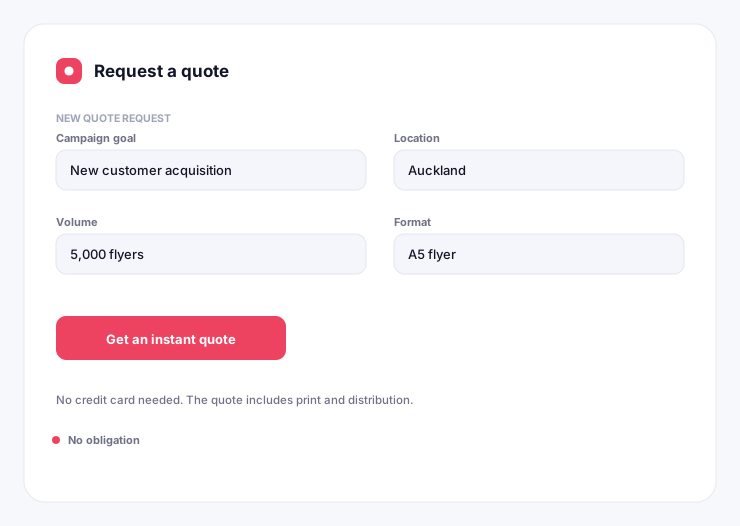
Tell us the cities, the suburbs and the result you need, and pricing comes straight back.
- Two minutes to send us the brief
- Priced on your goals, volume and city
- Nothing is locked in until you approve it
Planning a national rollout? Talk to our NZ team
“At Uber Eats, we have ambitious growth targets in both our established markets and in our new territories. Oppizi helps us to reach those targets thanks to their scalability and reach across the UK and Ireland.”











Brief us once and we quote, print, staff and deliver, with every mission visible on your dashboard while it runs. Scroll through the five steps.
Tell us the cities, the suburbs and the result you need, and pricing comes straight back.
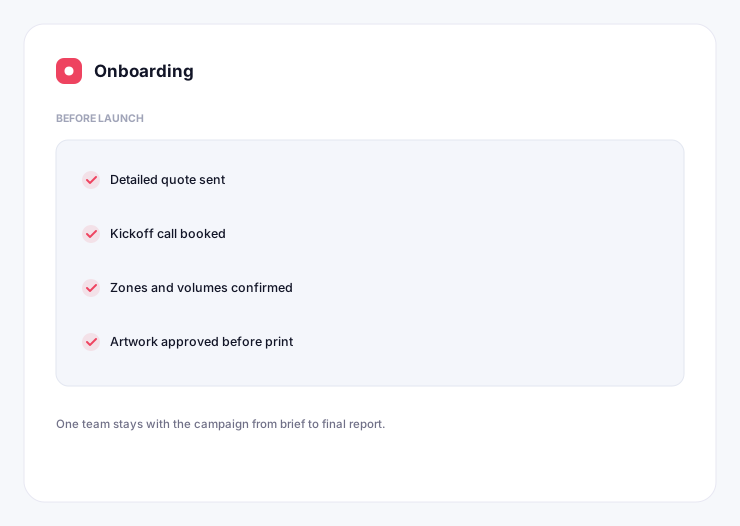
A planning call and a written campaign plan before anything goes to print.
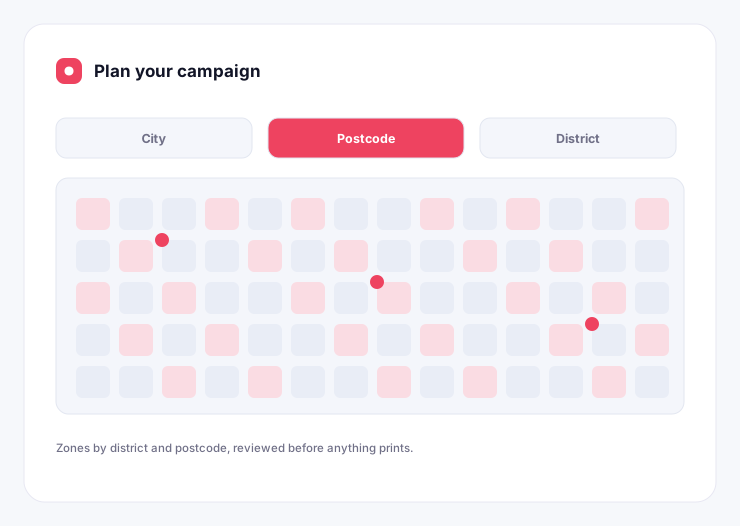
Pick the suburbs, postcodes and dates, and we tighten the plan alongside you.
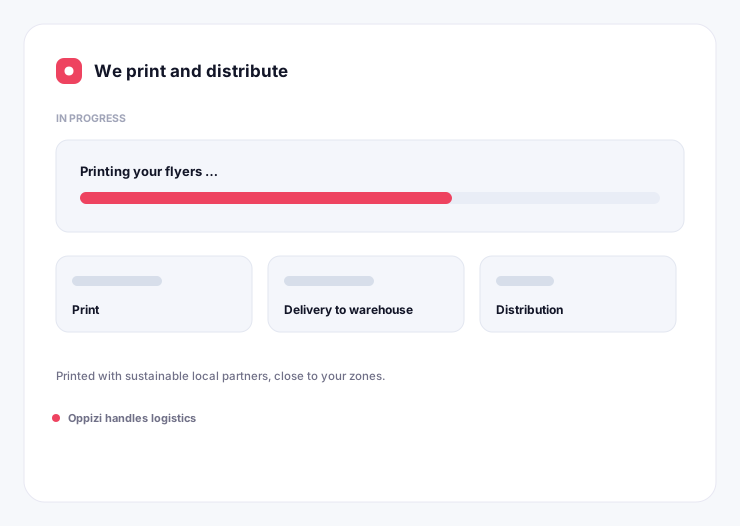
Printing, staffing and street logistics all sit with us, in every city you run.
Follow the campaign while it is happening, not weeks after it closes.
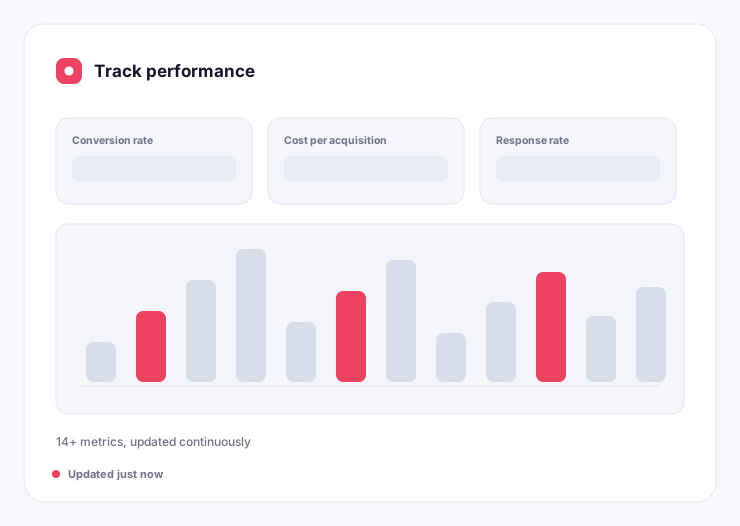
Design, print, delivery and reporting sit under one contract, so there are no vendors to juggle and no gaps between them.
Ambassadors on the ground in Auckland, Wellington and Christchurch, reaching people where they live, work and shop.
Plan the zones, watch the missions live, then adjust off data instead of guesswork while the campaign is still running.
A clear cost breakdown before launch and a post-campaign report showing what each zone and each mission returned.
Pricing tracks the campaign you actually run: format, quantity, and whether flyers go hand to hand or into letterboxes. For scale, 1,000 flyers handed out in Auckland comes in at $927. The calculator below gives an instant figure.
Format, paper weight and finish decide this line. Heavier stock or a bigger flyer can push the total up by about a fifth.
Print sits near $0.32 to $0.63 a flyer and falls on longer runs, produced by New Zealand partners in each city we cover.
One mission, three hours on the street or in the letterboxes, costs about $125 and covers 300 to 550 flyers.
An estimate is instant and can vary from a quote provided by an Oppizi team member due to service, product, environmental, and other variabilities.
* This is an estimate of what your campaign could cost, not a quote. Final pricing depends on location, timing, seasonality, and other project factors, all of which we take into account when you request a quote with an Oppizi team member.
We turn to Oppizi for volume, the logistical aspect is very interesting with Oppizi. We use other agencies for other small specific events (festivals).

At Uber Eats, we have ambitious growth targets in both our established markets and in our new territories. Oppizi helps us to reach those targets thanks to their scalability and reach across the UK and Ireland.
Entering Australia as an American company was a challenge for us to localize with both consumers and partners. Oppizi has helped us have feet on the ground. Oppizi has helped us drive both consumer and partner awareness over the years.

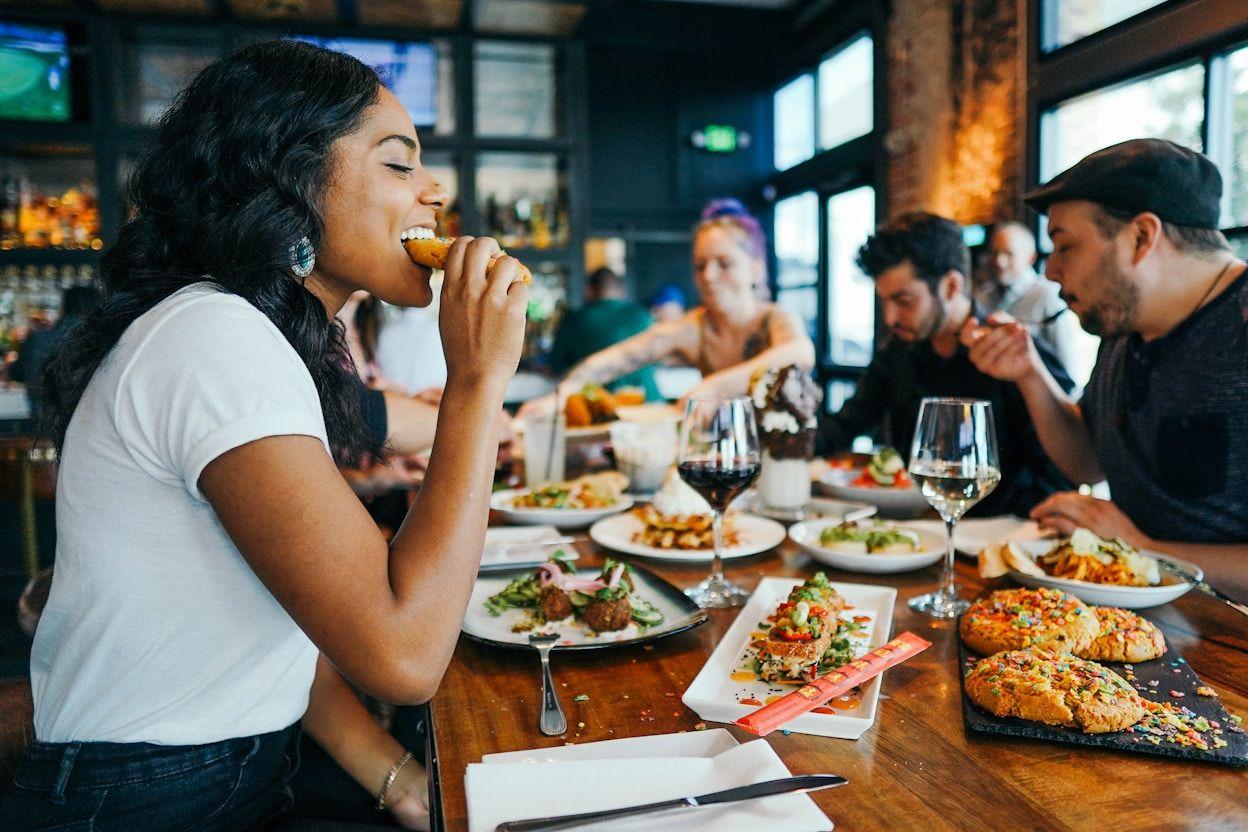
Fill tables and lift delivery orders by reaching the streets and suburbs around your kitchen.
Why it works
A flyer in hand at the right hour beats an impression nobody remembers by dinner time.
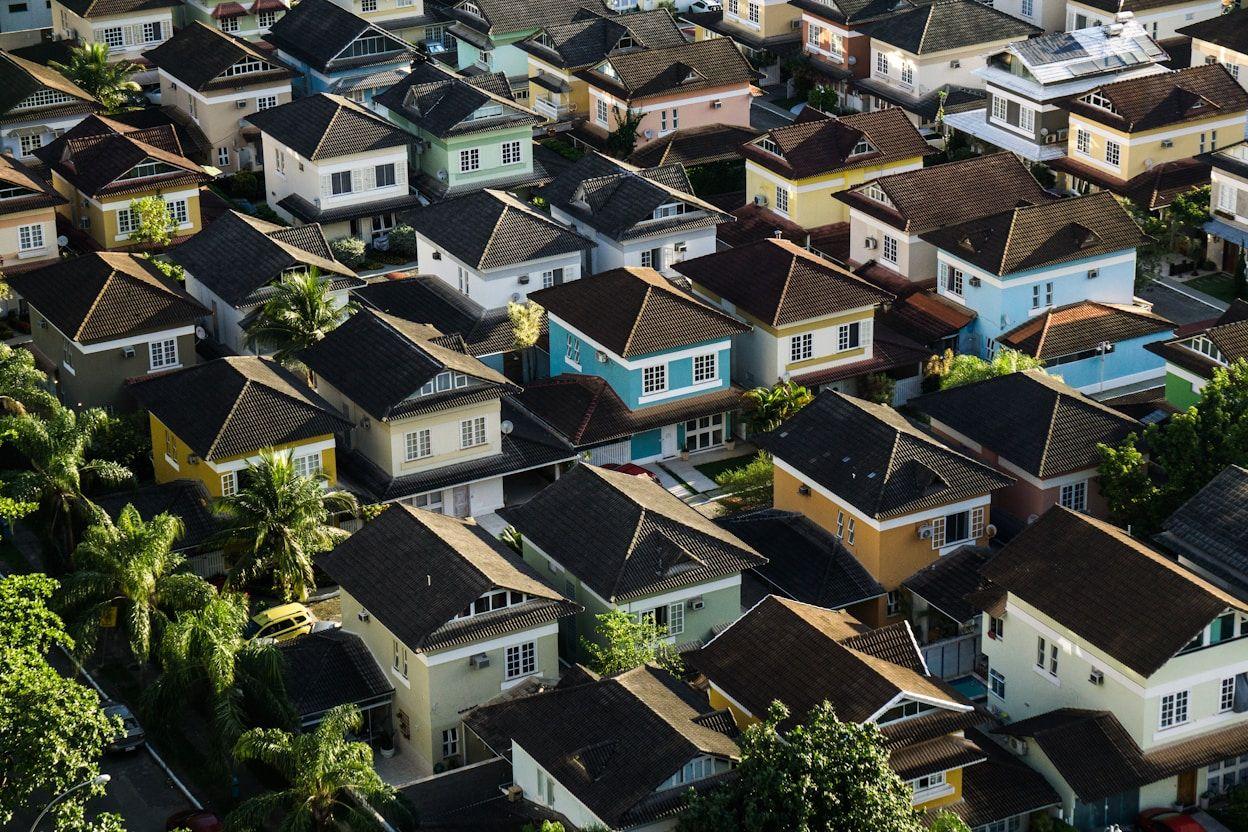
Give listings and developments a physical presence in the exact streets buyers are watching.
Why it works
Letterbox targeting keeps the message relevant, and printed material carries trust a banner cannot.
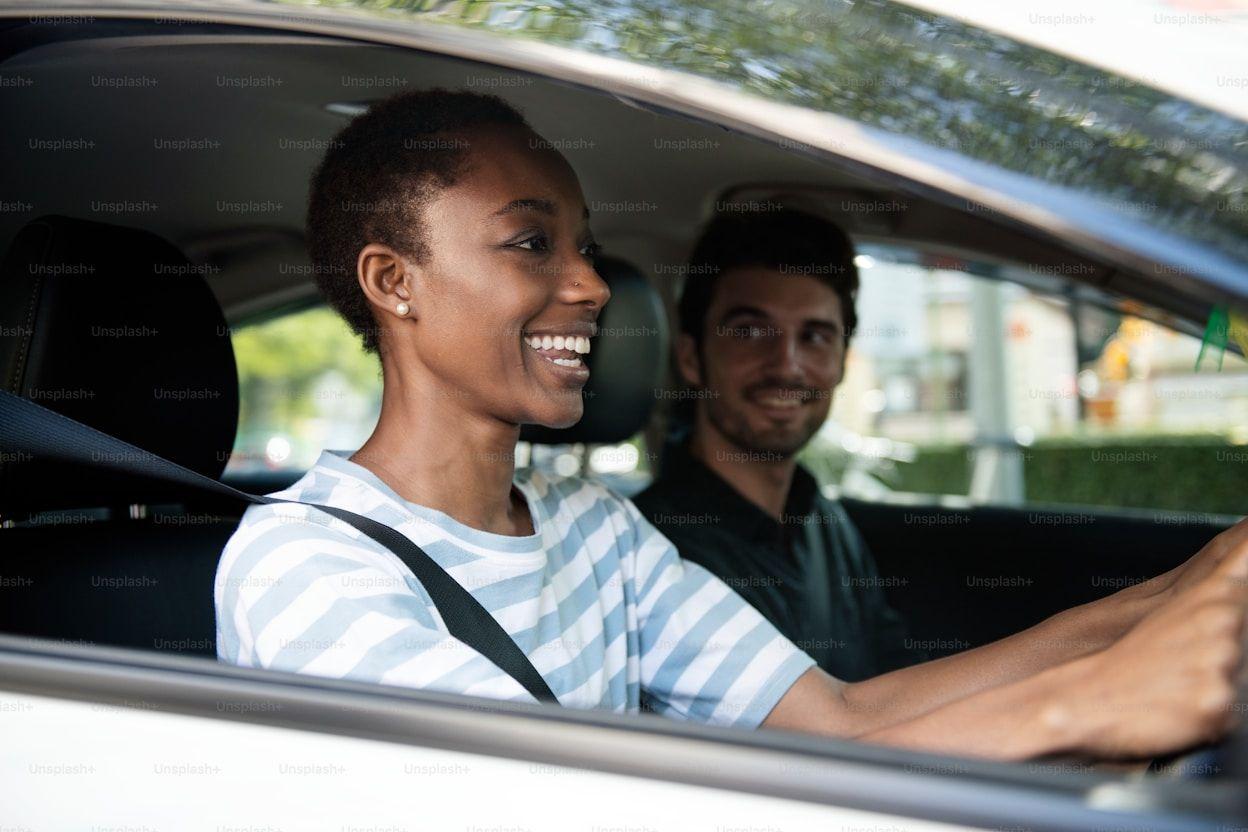
Sign up riders and recruit drivers in the zones where demand and supply are tightest.
Why it works
Reaches people in transit moments and turns a QR code into an app install on the spot.
Turn passing traffic into customers and connect the shop floor with your online store.
Why it works
Foot traffic converts, and a QR code carries the offline moment straight into your checkout.
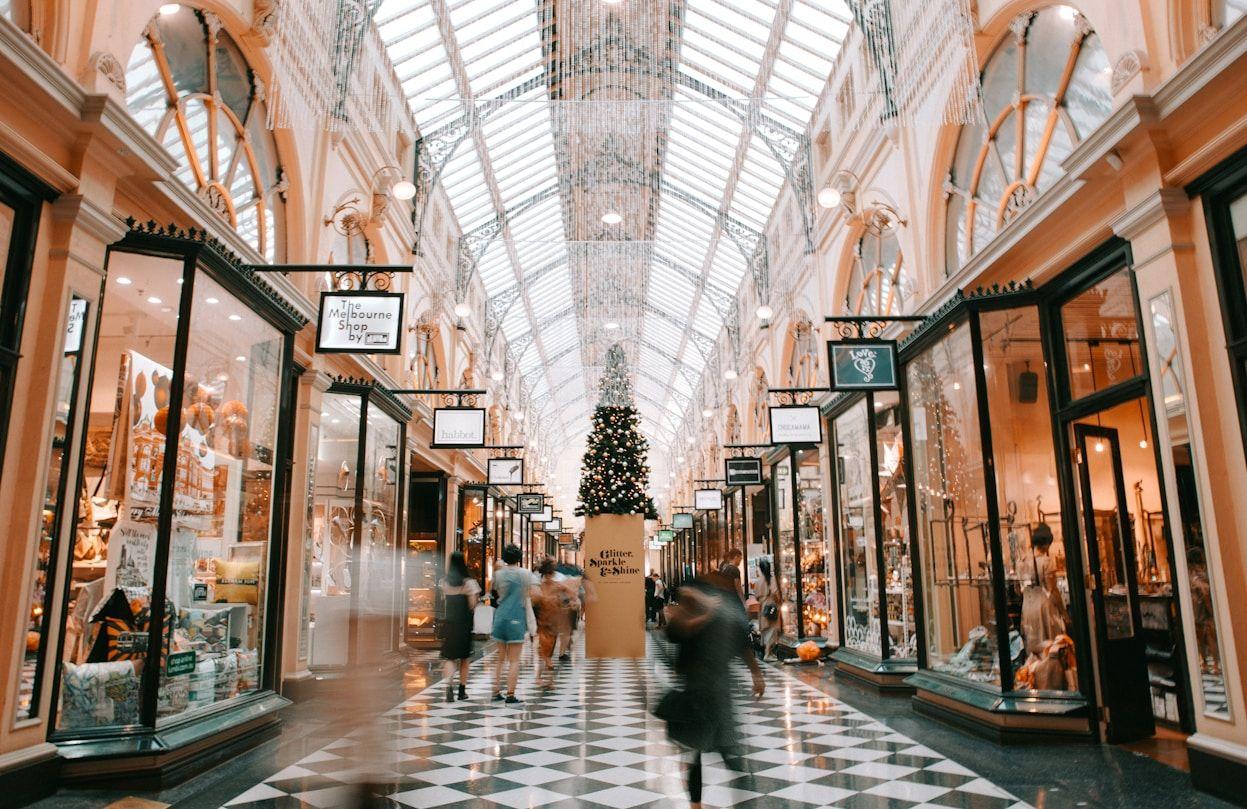
Flyering puts a real object in someone's hand in a market where three cities carry most of the commercial audience.
There is no ad blocker, no scroll-past and no auction. The message arrives in a hand or a letterbox.
Flyers sit on fridges, desks and noticeboards, so one delivery keeps working for days afterwards.
Choose suburbs, postcodes or single streets. Coverage is set by geography, not by an algorithm.
QR codes, promo codes and landing pages tie each delivery back to sessions, sign-ups and sales.
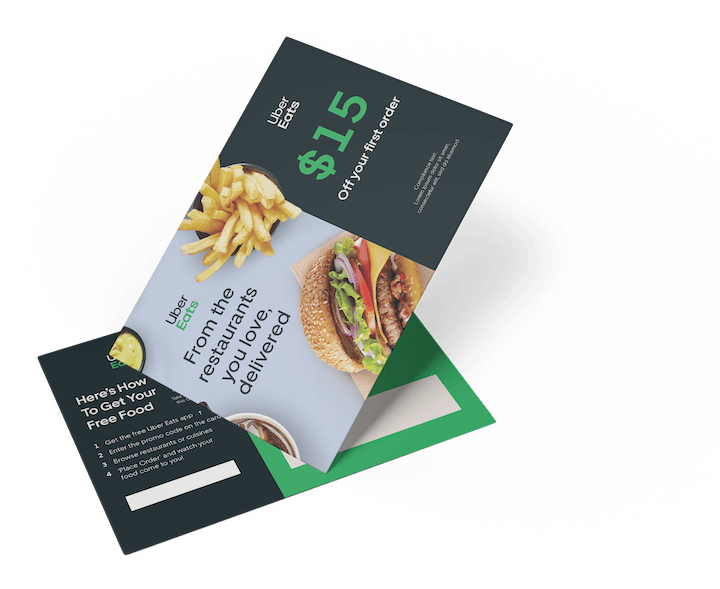
Uber Eats
Uber Eats opened up new neighbourhoods market after market with targeted offline campaigns run through Oppizi.
Can't find what you're looking for? Our team is happy to help.
Flyer distribution, also called pamphlet distribution in New Zealand, is a marketing channel where printed flyers are put straight into people's hands or letterboxes to build awareness and win customers. Oppizi runs the whole process: targeting, printing, delivery by vetted brand ambassadors, and reporting on what came back.
A standard hand-to-hand campaign of 1,000 flyers in Auckland starts at $927. That figure is three missions at roughly $125 plus print at $0.32 to $0.63 a flyer, so the mix of volume, stock and channel decides where you land. The calculator above prices your own campaign.
Auckland, Wellington and Christchurch, down to the suburb or postcode. You choose the zones when the campaign is planned, and our team points out where your audience is actually concentrated.
Campaigns begin at 1,000 flyers and go up from there. Because one mission covers 300 to 550 flyers in about three hours, we scale the number of missions to the budget and the deadline.
Yes. Ambassadors are GPS-tracked inside the agreed distribution zone, the dashboard updates live, and you receive photos, field notes and a proof-of-delivery report.
With QR codes, unique promo codes, dedicated landing pages and a secure data feed into your own systems. New Zealand campaigns on Oppizi have logged more than 300,000 conversions.
Yes. Printing is part of the service, produced by sustainable partners in or near your distribution city, with a choice of sizes, stocks and finishes.
It depends on the offer, the creative and the targeting. We plan zones and creative to push performance as high as the brief allows, and every result is reported in Oppizi OS.
Usually within a few days of sign-off, with print lead time the main constraint. Ambassador teams in all three cities are in-house, so staffing is not the bottleneck.
Pick your city and suburbs, put a real flyer in people's hands, and watch the results land on your dashboard.