Expensive installs
Acquisition costs climb fast when every app is bidding for the same small audience
Concentrate demand in the suburbs your couriers and drivers can actually service. Oppizi plans, runs and measures flyering and mail across Auckland, Wellington and Christchurch from one platform.
In a market this size the paid channels saturate quickly, and an install in the wrong suburb costs more to service than it ever earns back.
Acquisition costs climb fast when every app is bidding for the same small audience
Plenty of downloads never turn into a first order, and the drop-off is invisible in ad reporting
Orders scattered across a whole city leave couriers driving further for fewer jobs
The same digital campaigns give back less each quarter as the audience is reached again and again
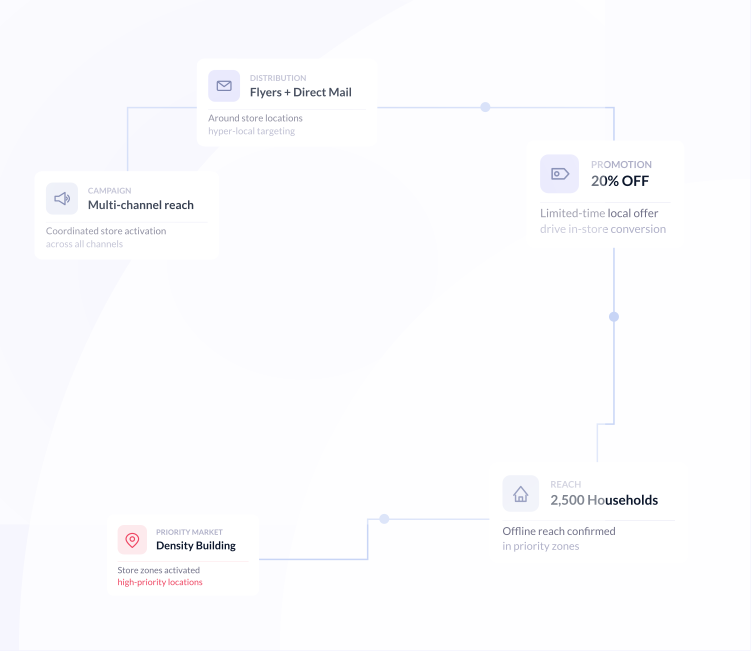
 Reach households you can serveChoose the suburbs your couriers already cover well, on demographics and location, and pay a known price per piece instead of an auction rate. The run is built to produce first orders, not impressions.
Set the zones and let the agents do the rest: they rank suburbs inside your footprint, size the drop and test the offer, while your user and order files land on a secure SFTP feed.
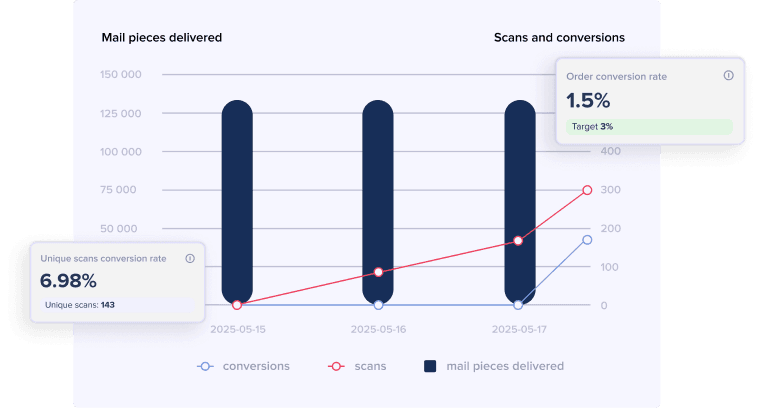
Planned, run and measured in one platform, zone by zone.
Post addressed mail built on your own customer file — named households, personalised before it prints, posted through NZ Post and measured to the conversion.
Learn more about Direct MailNo connector to build. Drop your files on a secure feed and Oppizi turns them into mail and flyering in the zones you choose.
Push customer, order and courier files to Oppizi over a secure SFTP connection, as often as your data changes.
New Zealand numbers from Oppizi campaigns, measured the same way as the paid channels next to them.
300,000+ conversions tracked on Oppizi campaigns in New Zealand
16M+ flyers distributed across New Zealand campaigns
16M+ flyers delivered and more than 300,000 conversions tracked in New Zealand
Something we have not covered? Our New Zealand team can go deeper.
Digital acquisition in a market of five million saturates quickly, and an install in a suburb you cannot service efficiently is an expensive one. Oppizi works the other way round: choose the suburbs inside your delivery footprint, then reach them hand-to-hand at transport hubs and food strips and letterbox by letterbox at home.
Hand-to-hand flyering is the bluntest instrument, with Brand Ambassadors at transport hubs, campuses and food strips where the decision actually gets made. Letterbox Drops work the residential streets ringing a zone and can be targeted on local demographics. Unaddressed Mail takes every letterbox inside a delivery radius. Direct Mail, selected off your own user file, handles reactivation and win-backs.
The wider network holds the case histories: over 2 million new customers for Uber Eats at a 2% conversion rate, a 70% cut in cost per acquisition against digital for Getaround, and 5.5 million flyers for DiDi. None are New Zealand programmes, so read them as network evidence. Plan against this market's own record instead: more than 16 million flyers distributed and over 300,000 conversions tracked.
Oppizi scores the suburbs inside each zone on demographics, distance from the venues you deliver from, and what earlier rounds did there. Repeat flyering and mail into the top-scoring suburbs and orders concentrate where they are cheap to fill: more jobs per zone, better courier utilisation, a shorter road to a profitable market. In a three-city country that kind of concentration is achievable rather than aspirational.
Yes, over a secure SFTP feed. Put a file of users, orders and suppressions on the feed as often as it changes and Oppizi selects the audience from it, say riders dormant for a month or anyone who only ever placed a single order. New Zealand campaigns use only the data you supply, so no third-party audience lists sit behind the targeting. Results flow back into the same reporting.
Auckland, Wellington and Christchurch already have a standing Brand Ambassador network, so flyering can be on the street inside a few days. Mail runs about one to two weeks end to end, print included. Printing, logistics and field management, GPS-tracked distribution among them, sit with Oppizi, which leaves your growth team on audience and offer rather than local coordination.
Put the budget into the suburbs that turn into orders, not just installs.