Last updated July 28, 2026
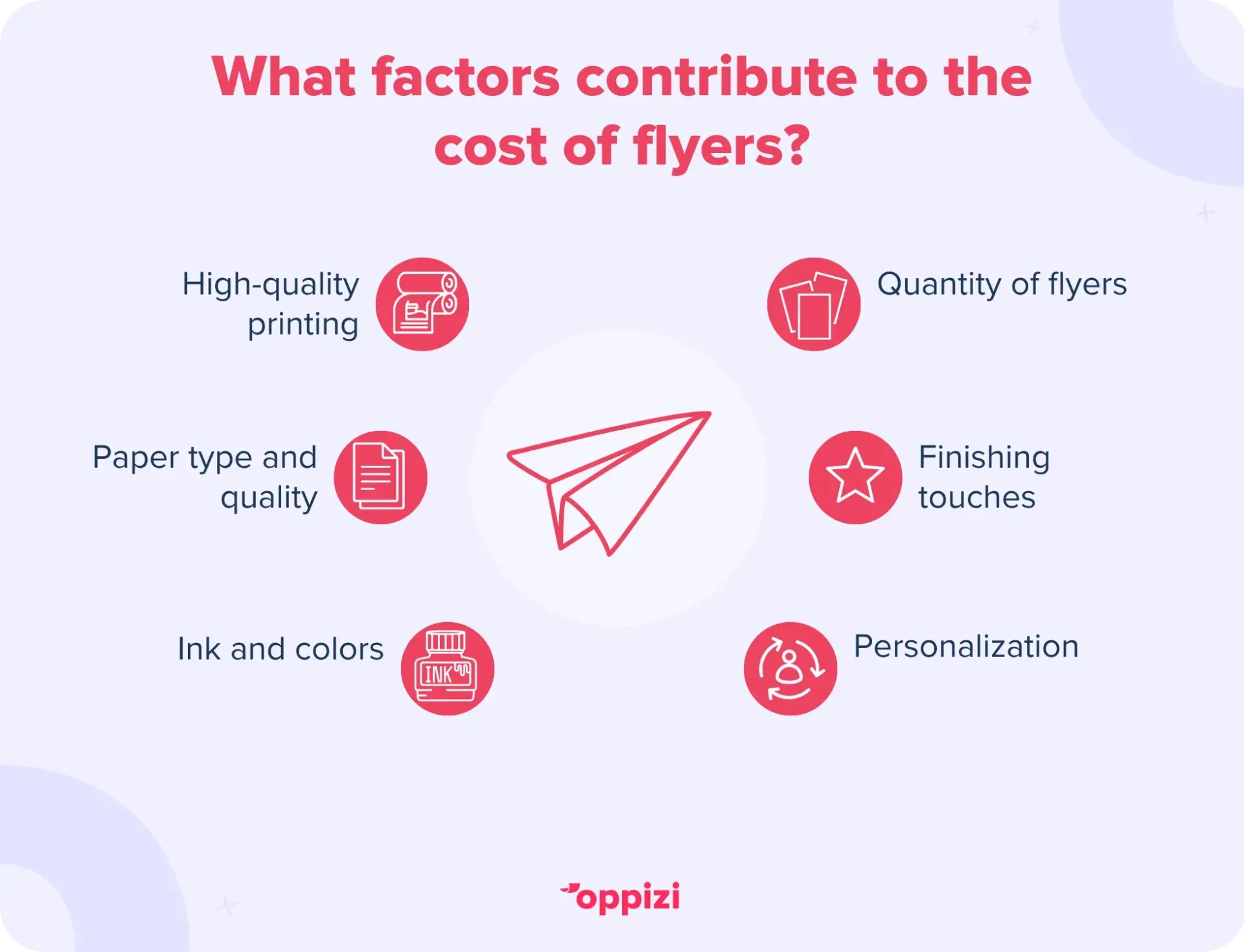
You're not wrong to think flyer printing costs more than expected. Whether you're running a small campaign or managing a big rollout, it's easy for the price to creep up. The paper, the ink, the design, the finishing touches, it all adds up.
Here’s a clear look at where your money goes when you print flyers.
What makes flyer printing expensive?
Printing flyers involves more than just hitting print. Every detail matters. The kind of machine, the paper, the colors, and even how many you order all affect the price. When you understand what goes into it, you can make smarter choices and avoid surprise costs.
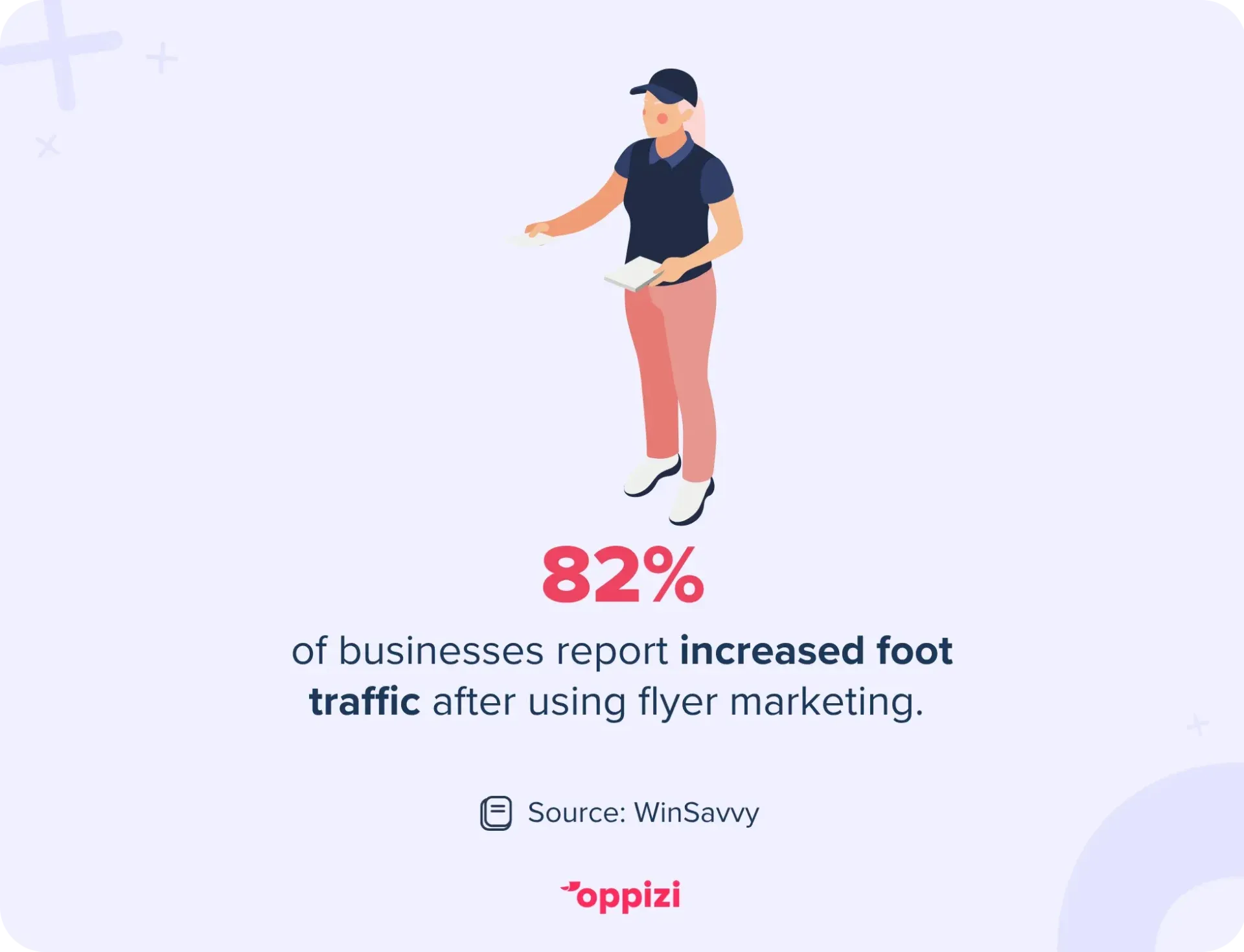
Flyer marketing may seem expensive, but many businesses see real value. In fact, 82% report more foot traffic after a flyering campaign. So what drives the cost? Here's a breakdown.
1. High-quality printing equipment
Good flyers need good machines. Printing companies use top-of-the-line equipment to get sharp images, clean lines, and bright colors. These aren’t office printers. They’re made for big jobs and high speed.
Buying and maintaining these machines isn’t cheap. Printers need regular tune-ups and updates. That cost gets passed on to you. There are also different ways to print.
- Digital printing is great for small runs or personalized flyers.
- Offset printing works best for large quantities. It takes longer to set up but costs less per flyer when printing a lot.
The method used affects your total price.
2. Paper type and quality (GSM)
Paper makes a big difference. It changes how your flyer looks and feels, and what it costs. Glossy and premium paper costs more but looks more polished and lasts longer.
Paper is measured in GSM (grams per square meter). A higher GSM means thicker, heavier paper. Here's a quick guide:
- 130gsm: Light and budget-friendly. Good for mass distribution.
- 170gsm: Feels more professional. A solid choice for most campaigns.
- 250gsm+: Thick and sturdy. Great for high-end handouts.
Thicker paper may also need more ink and more drying time, which can raise the price. Want to go eco-friendly? Recycled paper is an option. It can cost a bit more, depending on supply.

3. Ink and color options
Ink affects more than you think. High-quality ink makes your flyers look clean, bold, and professional. But it’s not cheap.
Full-color printing uses four inks (cyan, magenta, yellow, and black) to create any color. This costs more than black and white, especially if your design uses a lot of color or images.
Printing on both sides also adds cost, since it uses more ink and more time. Some flyers use specialty inks or finishes, like:
- Metallic or fluorescent ink
- Spot UV
- Raised textures
These extras look great but involve more steps, materials, and money. They're often used for premium or luxury campaigns.
4. How many flyers you print
The number of flyers you order affects the price per piece. If you print more, each flyer usually costs less. That’s because some costs, like setting up the design and running test prints, stay the same no matter how many you print.
For example, printing 10,000 flyers won’t cost ten times as much as printing 1,000. The total price is higher, but each flyer costs much less. That’s why large campaigns often print in bulk. See our flyer distribution cost calculator for a clearer idea.
Smaller orders still need the same setup, so they cost more per flyer. You also miss out on volume discounts that come with bigger orders.
5. Finishing touches
Finishing makes a flyer stand out. It’s what turns a basic print into something people notice. Some common options include:
- Folding (like half-fold or tri-fold)
- Embossing or debossing
- Spot UV coating
- Matte or glossy lamination
- Die-cutting into shapes
These extras improve how your flyer looks and feels. They can help you grab attention. But they also take more time, equipment, or labor, which adds to the price.
For example, embossing needs special tools. Lamination adds an extra step. The more detailed your design, the more it costs to finish.
Still, if you want your flyer to make a strong impression, say for a big event or launch, these upgrades might be worth it.
6. Personalization
If you’re trying to reach specific people, personalizing your flyers can work really well. Adding names, locations, or custom messages makes them feel more relevant. This usually leads to better results.
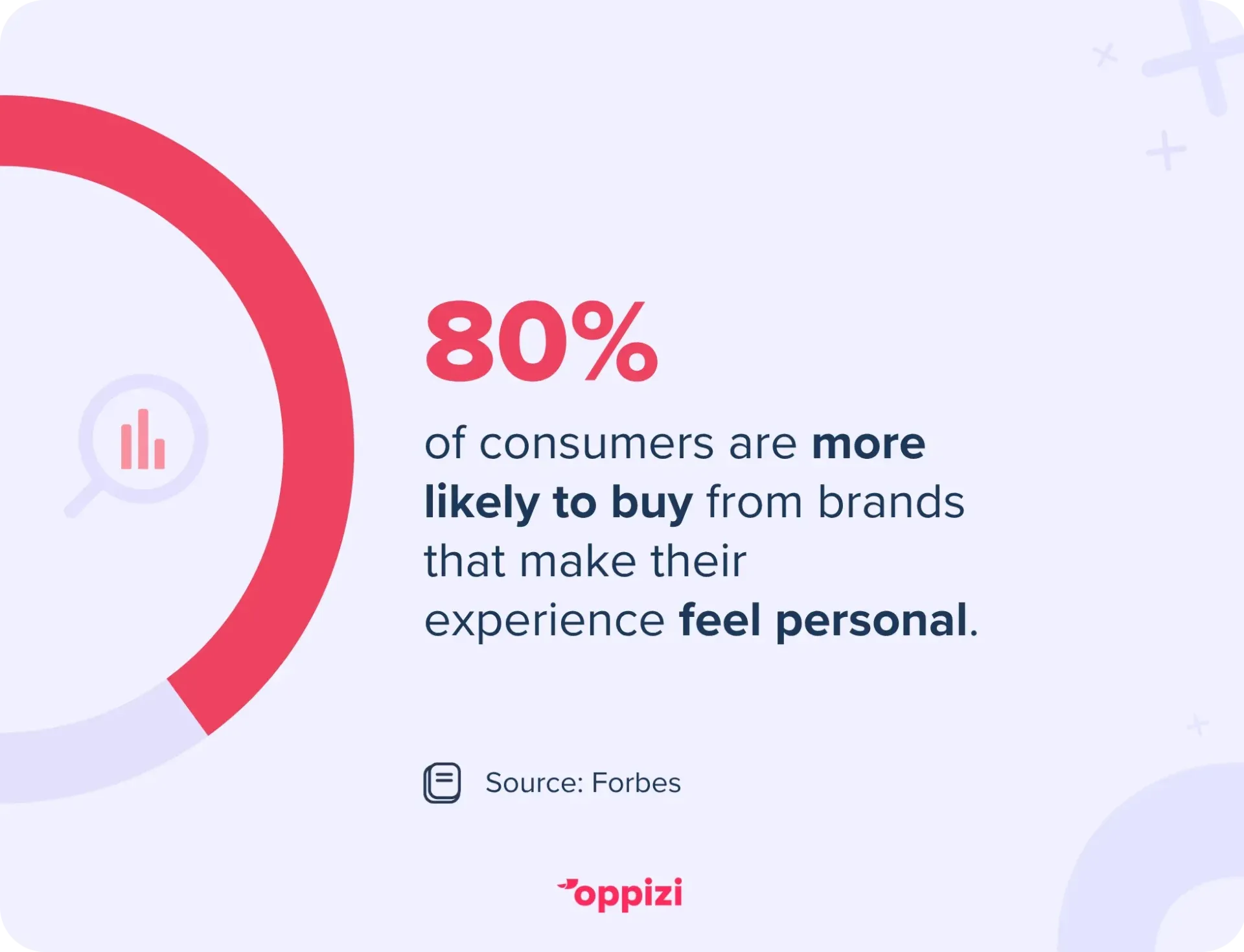
In fact, 4 out of 5 consumers are more likely to purchase from brands that offer personalized experiences. But personalizing flyers takes more work. It uses something called variable data printing. That means:
- Pulling in customer data
- Adjusting design templates
- Running special software
- Checking that the info is correct
All of this adds time and complexity. It raises the cost, but if done right, it can lead to a much better return. This is especially true when combined with a solid flyer distribution plan.
Why we use sustainable printing
At Oppizi, we believe good marketing shouldn't hurt the planet. That’s why we’ve made sustainability part of how we work. From planting trees to supporting a climate-positive team, we try to make responsible choices.
That includes how we print. We use carbon-neutral printing to reduce our impact on the environment. Sometimes, sustainable printing costs a little more. But we think it’s worth it. Even small changes, like using recycled paper or working with eco-conscious suppliers, can add up over time.
If your brand cares about the environment, choosing green printing isn’t just a nice extra. It shows people what you stand for.
Shipping and delivery
Printing is only one part of the cost. Getting the flyers to you adds more. Shipping prices depend on the size, weight, and how far the flyers need to travel. Heavier paper and bigger batches cost more to move. So do rush jobs or international deliveries.
If you’re sending flyers to multiple cities, the logistics get more complex. Some printers offer to store and ship for you, but those services often come with extra fees. To avoid surprises, make sure you check:
- Packaging and handling costs
- Delivery timelines and extra charges
- Whether tracking or insurance is included
Planning for shipping helps you stay on budget and avoid last-minute problems.
Final thoughts
Printing flyers isn’t just about putting ink on paper. Every choice you make, like paper type, finish, personalization, or sustainable methods, affects the cost and the result.
The upside? With a smart plan and the right tools, flyer marketing can still be affordable and effective. Try Oppizi’s simple platform to start your flyer campaign in minutes. We do all the heavy lifting, from printing to tracking and distribution, so you don’t have to.