Last updated July 23, 2026
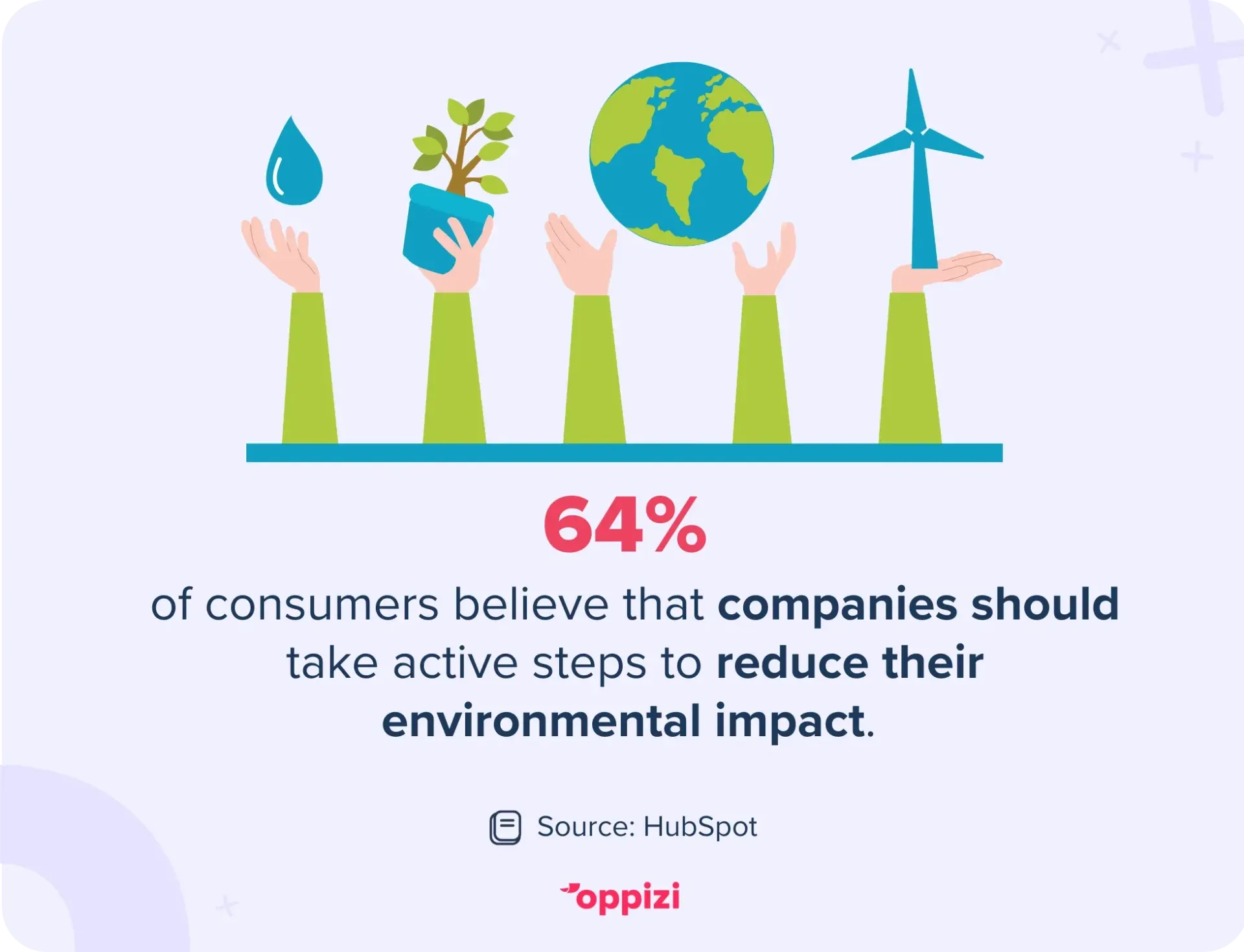
Want to promote your business with flyers but don’t want to harm the environment? You’re on the right track. In fact, HubSpot found that 64% of people think businesses should do more to cut down their environmental impact.
Across the U.S., more businesses are using flyers to reach people in a cost-effective way. But many are also thinking about how to reduce waste and lower their impact. The good news is that there are flyer companies that make it easy to do both.
Here are some of the best U.S. flyer companies that care about the planet. Whether you're targeting one city or going nationwide, these options combine smart marketing with sustainable choices.
1. Oppizi
Nationwide flyer platform | FSC-certified paper | Carbon-neutral printing | Carbon offset programsOppizi builds sustainability into every step. They’ve implemented a range of green policies to ensure responsible production and distribution, including:
- Carbon-neutral printing and FSC-certified or recycled materials
- Precision targeting using data to reduce waste
- Carbon offsetting through Ecologi
If you want a smarter, cleaner way to run either nationwide or local campaigns, Oppizi makes it possible with less waste and a lower carbon footprint.
2. FlyerTap
Nationwide distribution | Recycled paper | Soy-based inks
FlyerTap offers flyer distribution across the U.S. and focuses on green printing. They use recycled paper and soy-based inks to help reduce waste.
If you’re looking for national reach and want eco-friendly materials, FlyerTap is worth checking out.
3. Rush Flyer Printing
Based in New York | Soy inks only | Wide eco-friendly product range
Rush Flyer Printing is based in New York City and focuses on green printing. They only use soy-based inks and offer one of the largest ranges of eco-friendly print options in NYC.
Their flyer distribution is designed to be low-impact, so it’s a good option if you’re running a campaign in New York.

4. 1800 Printing
Based in NYC | National service | 100% recycled paper | Soy inks
1800 Printing has been around since 2002. They print and distribute flyers in New York and across the U.S.
They use 100% recycled paper and soy-based inks. Their goal is to lower their carbon footprint while helping businesses run greener campaigns.
If you want eco-friendly printing with wide reach, they’re a solid pick.
5. Direct To Door Marketing (DoorHangersWork)
Local offices in cities like Los Angeles | Local materials | Eco-conscious printing
Direct To Door Marketing, also known as DoorHangersWork, handles flyer and door-hanger delivery in specific cities.
They focus on using local materials and environmentally responsible printing methods. Their goal is to reduce waste and support local communities.
If you're running a campaign in places like Los Angeles, this company helps you go green and stay local.
6. AllOver Media
Nationwide reach | Smarter targeting | Less waste
AllOver Media runs door-hanger campaigns across the country. They reduce waste by focusing on precise targeting. That means fewer flyers go out, but they reach the right people. If you want to avoid mass mailings and cut down on paper, AllOver Media is a good option.

7. Valpak (Vericast)
Reaches 41 million homes | 100% recyclable materials | Energy-efficient printing
Valpak sends coupons and offers to millions of homes in the U.S. They use 100% recyclable envelopes and inserts. Their paper is responsibly sourced, and their printing process is energy-efficient.
They also recycle leftover materials like ink containers and paper scraps. If you need a large-scale, eco-friendly mailer, Valpak is a reliable choice.
Why Eco-Friendly Materials Matter in Print Marketing
Not all flyers are the same. Many are made with regular paper and petroleum-based inks. These materials can harm the planet.
Eco-friendly options are better. Soy-based inks release fewer harmful chemicals. Recycled or FSC-certified paper helps protect forests and uses less energy.
These choices are better for the environment. They also show your customers that you care about doing the right thing.
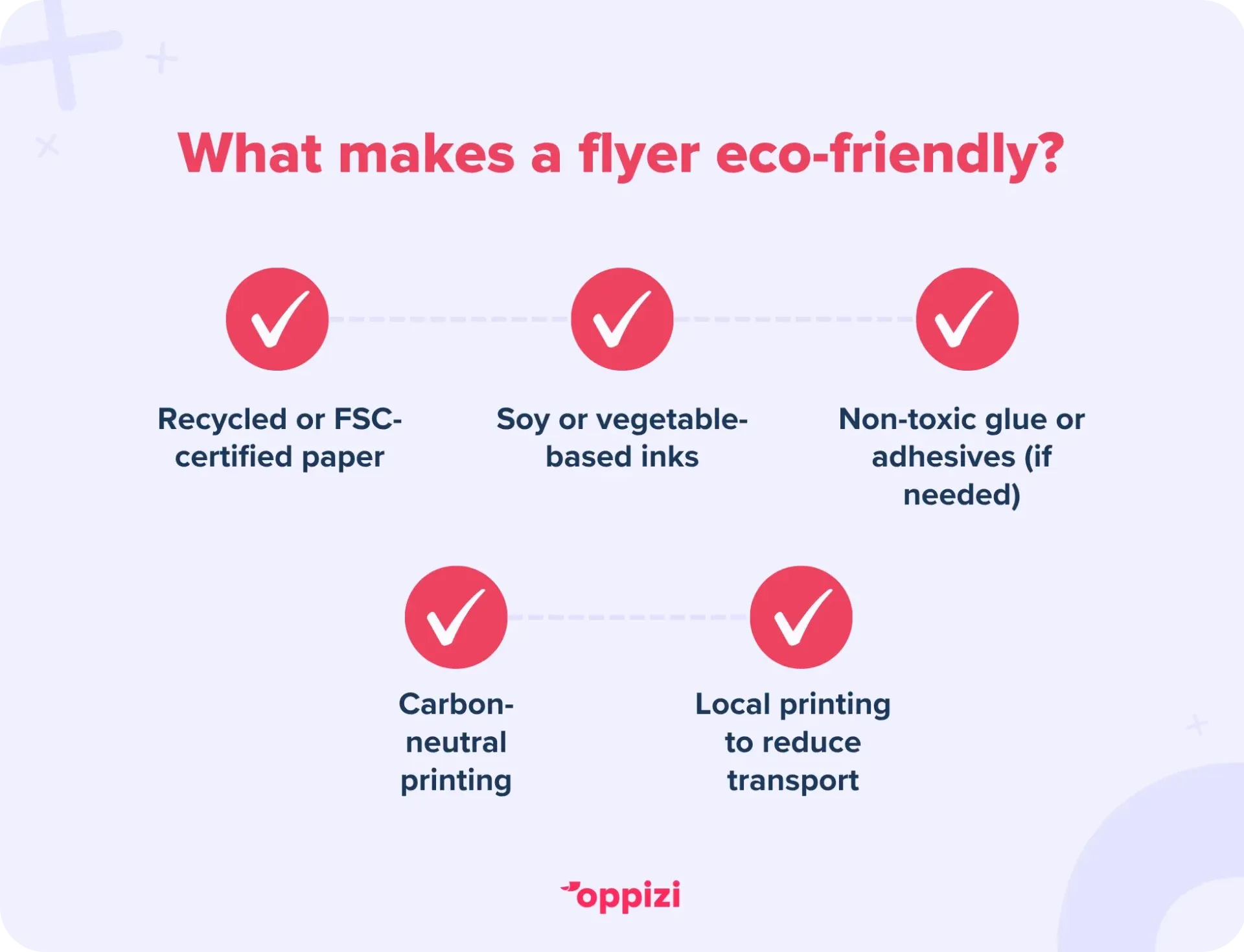
What makes a flyer eco-friendly?
If you want to print flyers that are better for the planet, look for these features:
- Recycled or FSC-certified paper
- Soy or vegetable-based inks
- Non-toxic glue or adhesives (if needed)
- Carbon-neutral printing
- Local printing to reduce transport
Ask your printer about these. It’s the best way to make sure your flyers are as green as possible.
Local vs. national: Which is better for the environment?
You can run an eco-friendly campaign at any scale, but the approach matters. Local flyer distribution often has a smaller carbon footprint. That’s because it needs less fuel and travel. Local printers and distributors can make the process even greener.
National campaigns can still be sustainable. It depends on the company. If they use local hubs and eco-friendly delivery, they can keep emissions low. The main thing is to choose a partner who makes green choices from start to finish. Not just during printing.
Do eco-friendly flyers still work?
Yes. Choosing eco-friendly doesn't mean giving up results. Flyers printed on recycled paper with soy inks still look great. They’re clear, colorful, and strong. Many people actually prefer hearing from brands that care about the planet.
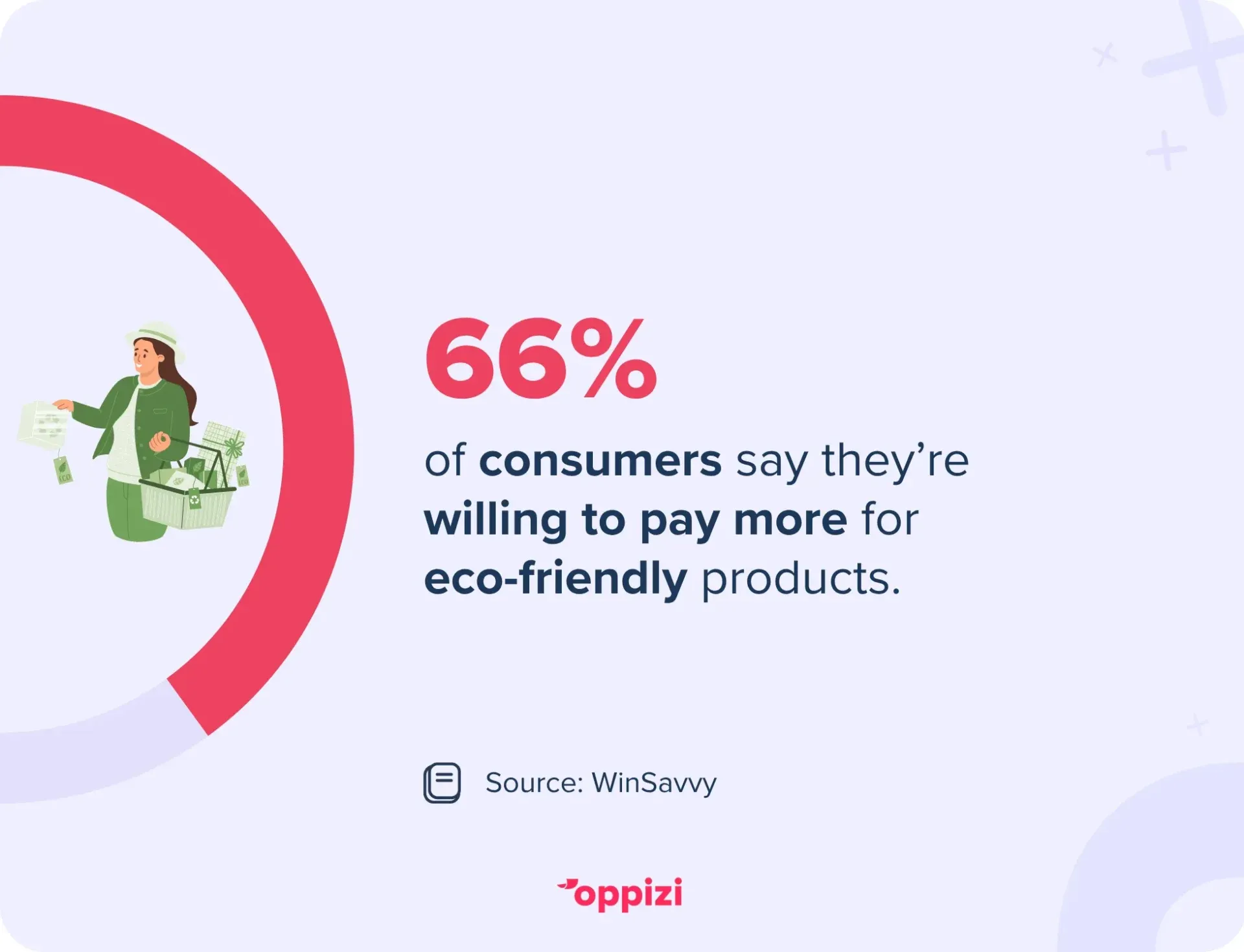
What’s more, two out of three consumers are happy to spend more on sustainable products. That shows they don’t just want to see eco-friendly choices, they’re ready to do their part too. Adding a line about your green choices can build trust and make people more likely to respond.
How to cut down on waste after your campaign
Going green doesn't stop once the flyers are out. Here’s how to stay eco-friendly after your campaign:
- Recycle leftover flyers and packaging
- Check your delivery areas to avoid sending too many
- Print the right amount to prevent waste
- Ask your distributor about recycling unused materials
Small steps like these make a big difference over time.
Eco-friendly flyer design tips
Your design can help reduce waste too. Try these ideas:
- Print on both sides to save paper
- Keep the design simple to use less ink
- Add a QR code to share more without more paper
- Include a recycling symbol to remind people what to do
- Skip glossy finishes since they’re harder to recycle
Clean designs also make your message easier to read.
Let people know you’re going green
If you’ve made eco-friendly choices, share them. A short line like: Printed on 100% recycled paper with soy-based inktells people what you stand for.
You can also add a recycling logo or a reminder to toss the flyer in the recycling bin. Share your green message on the flyer, your website, and your social pages. Let it be part of your story.

Eco-friendly flyering: Frequently Asked Questions
Can eco-friendly flyers still look good?
Yes. Recycled paper and soy-based inks look just as sharp as regular materials. You still get clear images, bold colors, and a nice finish. A good printer makes all the difference. Going green doesn’t mean your flyer has to look plain. It can even help your brand stand out.
How can I tell if a printer is really eco-friendly?
Look for clear facts, not just green buzzwords. A reliable printer will mention things like:
- FSC or SFI-certified paper
- Soy or vegetable inks
- Carbon-neutral printing
- Local suppliers
- Recycling programs
If they can’t explain what they do, they might not be as green as they claim.
What’s the best kind of paper for the environment?
100% post-consumer recycled paper is a great choice. It doesn’t use new trees and takes less water and energy to make. If it’s also FSC-certified, that’s even better. Some printers also offer carbon-neutral paper, which means the emissions from making it are balanced out elsewhere.
Is bamboo or recycled paper better?
It depends. Recycled paper is often better for cutting emissions and reducing waste. Bamboo is renewable and grows fast, but it’s often shipped from far away, which adds to its carbon footprint. For most flyers in the U.S., recycled paper is the better pick.
What kinds of paper can’t be recycled?
Avoid paper with lamination, glitter, foil, or plastic. These can’t be handled by regular recycling. Some glossy papers are okay, but it depends on local rules. When in doubt, go with uncoated or lightly coated recycled paper.
Why is shredding paper not eco-friendly?
Shredding breaks down the paper fibers, which makes recycling harder. Some places won’t take shredded paper unless it’s bagged. A lot of it ends up in the trash. If you're getting rid of extra flyers, leave them whole and recycle them flat.
Choosing the right green flyering partner
Flyer marketing doesn’t have to hurt the planet. Plenty of companies now offer ways to print and distribute flyers that are easier on the environment. Whether you’re running a local or national campaign, you have better choices.
If you’re a business owner or marketer in the U.S., going with an eco-friendly flyer company can show your customers you care. From using recycled paper to reducing delivery emissions, even small steps help.
Need help running a greener flyer campaign? Oppizi helps you reach the right people while keeping it eco-friendly. Join now for free, access our user-friendly platform, and start your campaign in minutes.