Last updated July 28, 2026
Are you curious about marketing ideas for startups that won’t drain your budget? The good news is that today, there are more affordable marketing options for small businesses than ever before. The key challenge is knowing which strategies will yield the best results for you.
There are plenty of budget-friendly and even free marketing options available if you know where to find them. Plus, there’s also a variety of offline campaign ideas that can give your business the edge over competitors. With the right strategy, your startup can thrive on a budget.
Wondering how? Let’s kick off by uncovering 10 cost-effective strategies for startups. After that, we’ll share five essential marketing tips to help you implement them effectively.
10 effective marketing ideas for startups
1. Expand your reach with a strong social media presence
Social media marketing is one of the most cost-effective digital strategies for startups. Businesses can grow their online presence with minimal or no spending. Any form of free marketing is, quite literally, a priceless opportunity to grow—so go ahead and seize it!
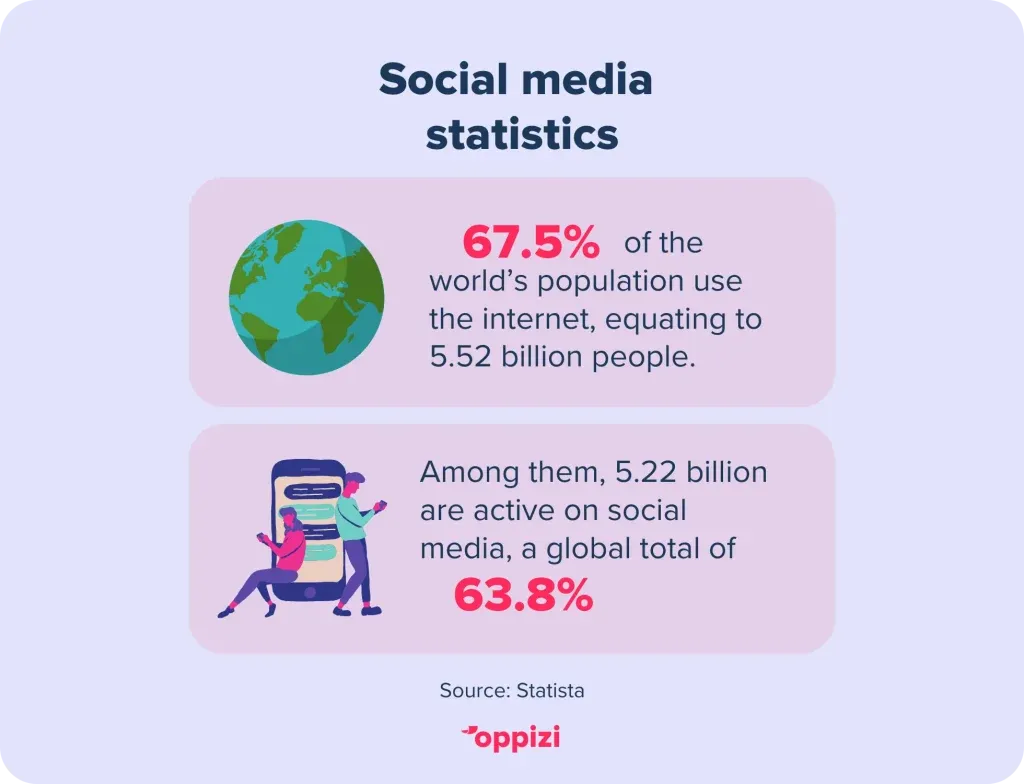
As of October 2024, 5.52 billion people worldwide use the internet, making up 67.5% of the global population. Among them, 5.22 billion, or 63.8% of the population, are active on social media according to Statista.
The vast reach of social media platforms allows you to connect with nearly anyone. Since people spend significant time on these platforms, they often provide the most effective way to engage your audience. Best of all, on most platforms, it doesn’t cost a thing to get started.
There’s no need to be present on all forms of social media. Instead, set up profiles on the platforms your target audience uses most. That way, you can make an impact where it matters. Facebook, Twitter, Instagram, WhatsApp, and TikTok are among the most popular options.
2. Build your marketing foundation with a professional website
A website is essential for any marketing strategy. It acts as the foundation of your efforts, providing potential customers with a clear destination to learn about your business.
Social media posts, emails, paid online ads, and print advertising should direct leads to a specific landing page for more information.
There are plenty of options for setting up a website on a limited budget. With a bit of technical know-how, anyone can create an attractive site using a basic web builder like WordPress. What’s more, many web design agencies offer affordable packages for building websites.
3. Use email marketing to keep your audience engaged
Email marketing is one of the earliest forms of digital marketing and remains one of the best low-cost strategies available. A small budget can connect you with a large audience.
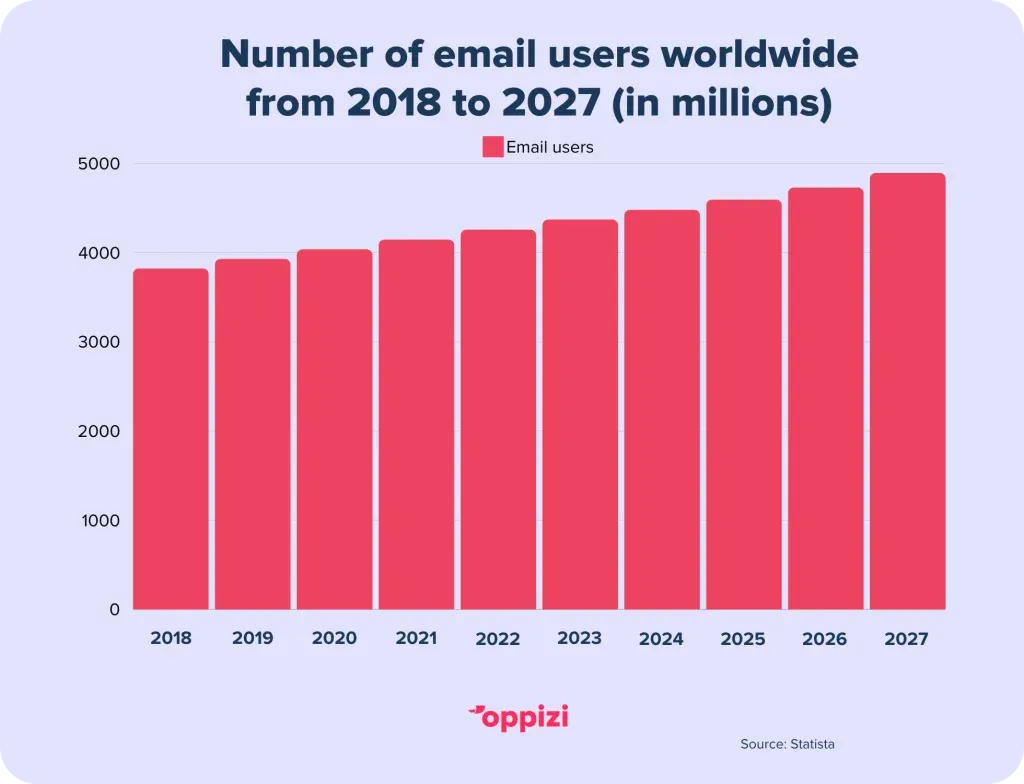
Almost 4.4 billion people use email regularly, making the email market almost as large as the social media market. Startups use email marketing for various purposes, including brand awareness and lead acquisition. Email addresses are typically collected through newsletter subscriptions or lead magnets.
Lead magnets are incentives offered to subscribers in exchange for their email addresses. For example, you might provide access to a valuable eBook, video, or webinar. You can also follow up with leads through additional emails, which can be automated to streamline your marketing efforts.
4. Create original content to build trust
Content marketing has long been a powerful way to build trust with consumers. Following the rise of the printing press, businesses used pamphlets to share valuable information with their audiences. Today, the same approach is applied online.
Online content marketing includes blog posts, social media updates, and other materials distributed through digital channels. This content isn’t simply about selling, it’s about building trust with your audience by addressing specific concerns or questions.
For instance, if your audience wants to learn more about how your product works, you can create informative content that helps them get more value from it. This might include tutorials, guides, or FAQs.
So, what else does creating content do? It enhances brand awareness and helps you stay competitive. Over 90% of businesses incorporate content marketing into their overall marketing strategies.A stronger presence enables you to capture more visitors when people search for relevant keywords. This may, in turn, prevent potential leads from going to your competitors.
5. Hand out flyers or brochures locally to boost awareness
Alongside online marketing, many businesses still use a more traditional offline approach to reach new customers and connect with existing ones. Among these methods, distributing flyers and brochures is one of the most effective marketing strategies for startups with limited budgets.
As mentioned, creating valuable content builds trust with consumers. Your flyers and brochures should deliver relevant information that helps your audience understand your products and the benefits of choosing your startup.
Put Oppizi’s flyering services to work for your business—launch your campaign today and connect with your audience like never before.

To discover more ways to reach customers offline, see our unbeatable offline marketing strategies.
6. Design memorable business cards to reinforce your brand
Business cards are another form of print advertising that remains effective in an increasingly digital world. They allow you to leave a lasting impression and strengthen your brand identity.You can incorporate unique features to make your card stand out. A custom shape, distinctive material, and original design can make it more memorable. For instance, a plastic or metal card is likely to create a stronger impression compared to standard paper cards.
Unlike online ads or websites, print materials don’t disappear when someone takes their eyes off the screen. They have a physical presence, lingering in wallets, on kitchen tables, or any surface around the home.
This taps into an often overlooked audience—those who make an effort to ignore their devices and engage more with the physical world around them.
7. Sponsor or participate in local events to boost brand awareness and connect with your community
Startups often build brand recognition through word-of-mouth advertising. Sponsoring or participating in local events lets you promote your brand and establish stronger connections with potential customers.
Many startups choose to sponsor events at local college campuses, where students are typically eager to learn about new brands and products.
Participating in these events also provides valuable networking opportunities. You may connect with other businesses that share similar values, opening doors to co-marketing opportunities that can help further your business goals.
8. Set up a referral program to reward your first customers
Let your first customers help promote your startup. How? By creating referral programs. They can be an incredibly powerful way to enhance your marketing strategy. In fact, 92% of consumers trust referrals from people they know.
With a referral program, you offer existing customers an incentive for referring new ones. This could be a free item or a discount on future purchases for each successful referral.
Depending on your industry, you might also consider launching an affiliate program. Simply put, an affiliate program allows marketers to promote your products or services in exchange for a commission on each sale they generate.
9. Create a mobile app to keep your startup on your customers’ phones
Mobile apps are a cost-effective way to generate interest in your startup. While costs can vary depending on the developer, there are plenty of affordable options that deliver a strong return on investment.
Apps are also a gem for brand recognition, keeping your startup visible on users’ phones or tablets. They can also enhance your products or services. For example, many businesses use customer service apps to provide easy access to support, directly connecting customers with solutions.
10. Set clear goals and track your marketing efforts to measure success
Marketing strategies for startups don’t always deliver immediate results. It’s important to continually track your progress to determine whether your efforts are paying off.
Use tools like Google Analytics to monitor your online performance. For offline strategies, such as flyer distribution, consider using a platform like Oppizi. Tracking your results helps you refine your approach and improve the effectiveness of your marketing campaigns over time.
Top 5 tips for startup marketing
Now that you have plenty of options for marketing your startup business, it’s time to tailor your strategy to your specific needs.
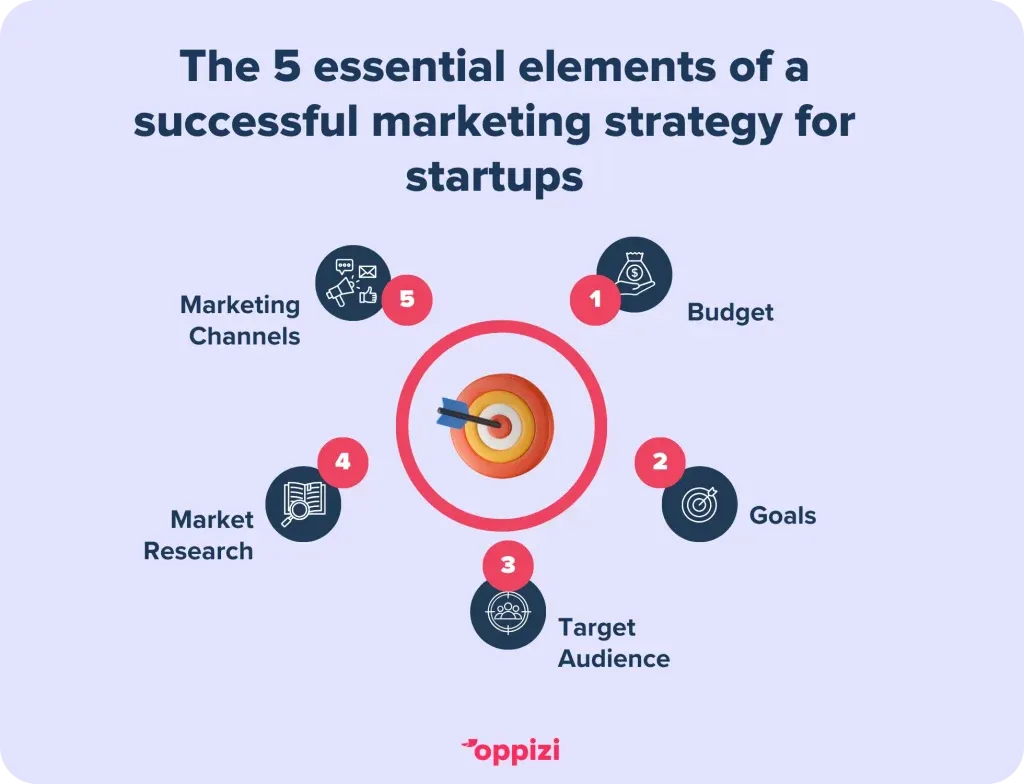
Without a clear plan, it’s nearly impossible to measure your marketing success. Set your goals early, so you know exactly what you're trying to achieve. These five tips will show you how to do it.
Set SMART goals for your marketing strategy
Goals are the backbone of any effective marketing strategy—and your budget. They give you a clear way to measure progress. One proven method for setting goals is the SMART approach, which ensures that each goal meets the following criteria:
- Specific
- Measurable
- Achievable
- Relevant
- Time-bound
Set clear, specific goals, and you’ll be able to break them down into actionable steps. Think measurable targets: whether it’s reaching a set number of leads or converting a precise percentage of website visitors.
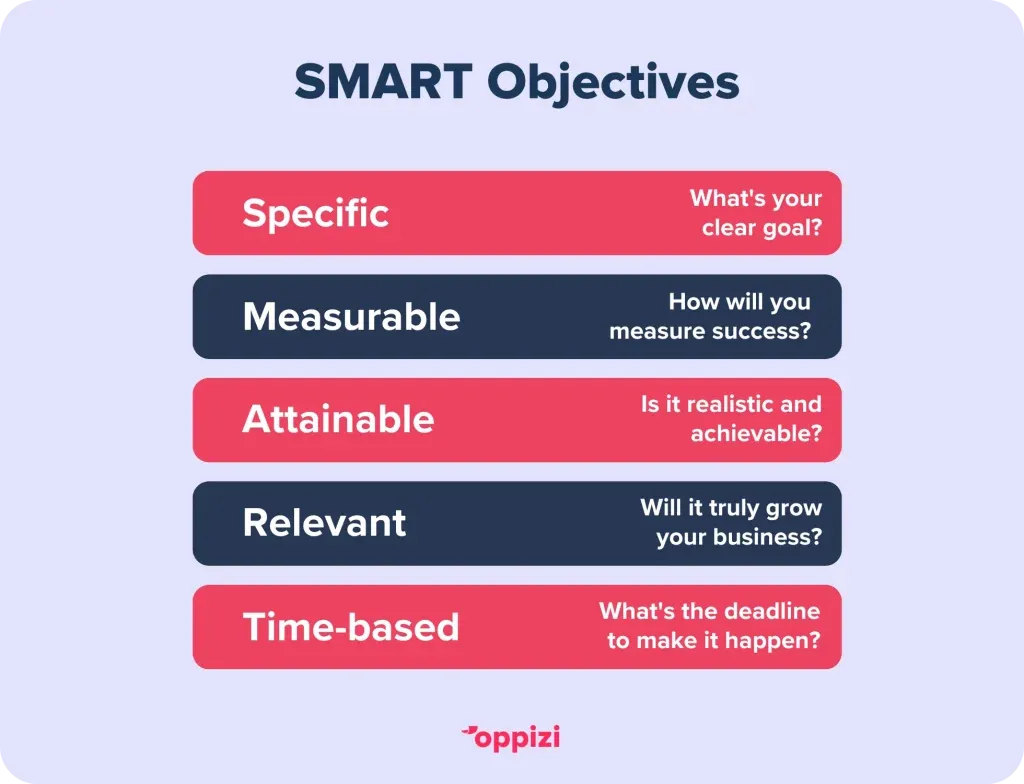
Your goals must be realistic and aligned with your startup’s mission to ensure every marketing effort counts. And don’t forget the deadline. Set a clear timeframe, and you'll keep your strategy on track.
Set your initial marketing budget based on your goals
Handling the budget is a cornerstone of effective marketing for startups. It’s shaped by operational costs and potential revenue, but don’t overlook your goals. When setting your budget, think about where you want this to take you in the long run.
Take a close look at your strategy. If it involves building a website, launching an email campaign, and printing flyers, you'll want to assess the costs associated with each element. Craft a budget that reflects reality and sets you up for success.
Keep in mind that your budget isn’t set in stone. If your startup begins to gain traction faster than anticipated, be ready to adapt. Adjusting your budget to seize new opportunities is key to maximizing your success.
Define and analyze your target audience
Startups typically focus on niche markets with distinct audiences. Knowing your audience is crucial for optimizing your marketing strategy. When you understand the people you’re creating content for, you can tailor your message to boost engagement.
Many businesses develop buyer personas to ensure a consistent marketing message. A buyer persona is a comprehensive profile of your ideal customer, detailing their age, location, interests, spending power, and challenges.This approach helps you connect more effectively with your target audience.
Research market demand and competition
Always conduct market research before you launch any marketing campaign. Knowing your place in the market allows you to set realistic goals and craft effective strategies. You need to understand the size of your target market and gauge the demand for your products or services.
Market research isn’t just about understanding your customers; it also means analyzing your competition and their slice of the market. If the customer base is limited or your competitors are too strong, a small marketing budget might fall flat.
Doing your research helps you to decide whether you need to expand your efforts, reach a broader audience, or change your strategy.
Select your primary marketing channels
After weighing the essential factors, select the marketing channels that best align with your goals, budget, and target audience. Among the most cost-effective options are the following:
- Social media
- Print flyers
Email marketing offers a great return on investment and excels at converting leads. With an email campaign, you can maintain contact with potential customers, fostering trust and engagement as time goes on.
Social media marketing harnesses the power of popular platforms to reach your target audience where they spend the most time. By engaging with users on these channels, you cultivate a deeper familiarity with your brand, turning casual interactions into lasting connections.
Flyers and other forms of print advertising are not only cost-effective but also perfect for startups looking to make a swift impact. With many missing out on the advantages of direct mail, you can gain attention and capture leads through this often-overlooked channel.
What to remember about marketing for startups
Developing a marketing strategy that fits your budget requires careful planning. You must weigh your goals, understand your target audience, assess the competition, and evaluate your available resources.For startups, the winning formula often lies in blending both online and offline marketing tactics to achieve optimal results.
Websites, social media, and email campaigns allow you to provide valuable information to potential customers. Meanwhile, offline marketing methods like flyer distribution can help you generate more leads and reach an audience that you would otherwise miss out on.Whatever strategies you employ, tracking your progress is non-negotiable. Oppizi gives you the tools to monitor your print campaigns with precision, while analytics software keeps your online efforts on target.
Start your campaign with Oppizi today—because great marketing isn’t just about reaching people, it’s about measuring what works.