Last updated July 23, 2026
A lot of businesses are making the same mistake.They pour money into digital ads, chasing clicks and impressions—then wonder why their brand doesn’t stick. Meanwhile, the smartest companies are doing something different. They’re investing in offline marketing.
Why? Because nothing builds trust like something you can see, touch, or experience in the real world. That’s why more brands are doubling down on offline strategies to complement their digital efforts. And it’s paying off.
Why offline marketing is growing
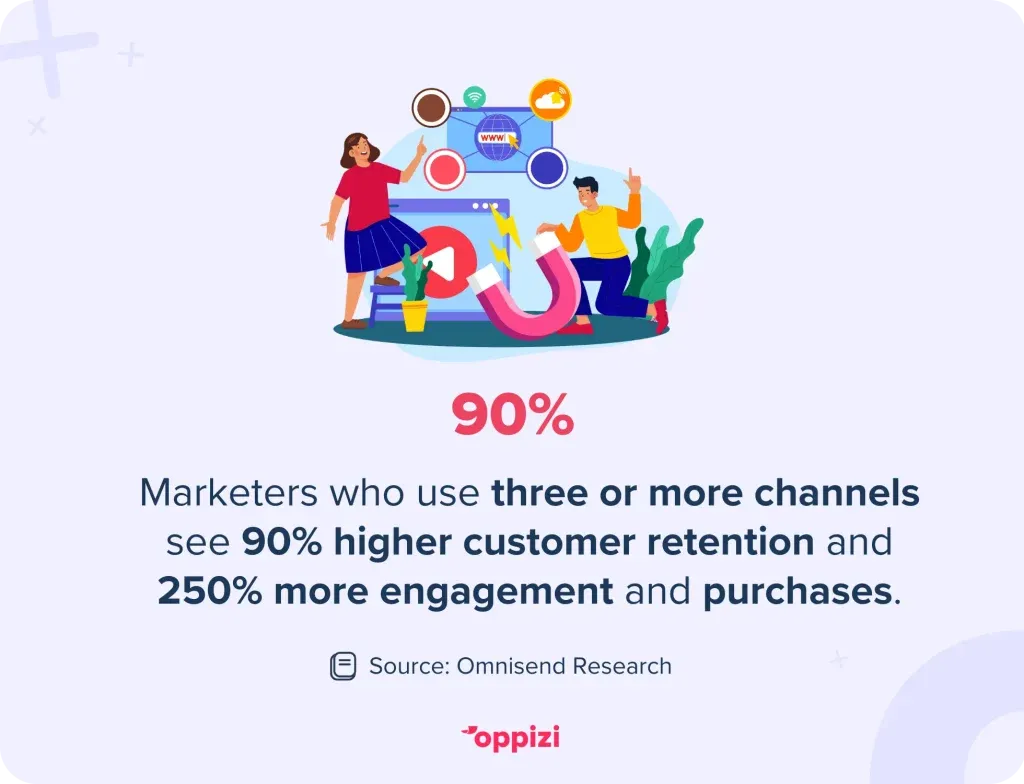
Marketers use offline marketing because it works. In fact, those who use three or more marketing channels see 90% higher customer retention and 250% more engagement and purchases. Relying only on one, such as a typical digital option, limits your reach.
Traditional marketing still delivers big results
TV ads, radio spots, billboards, street flyering, and in-person events still make a big impact. They cut through the clutter of online ads and create experiences people remember. When you combine them with digital marketing, you reach more people and make a bigger impression.
Offline marketing boosts online success
Offline marketing isn’t just an extra—it’s a smart way to grow your business. It increases brand awareness, builds real connections, and even drives online sales. The key is choosing the right tactics and making them work with your digital strategy.
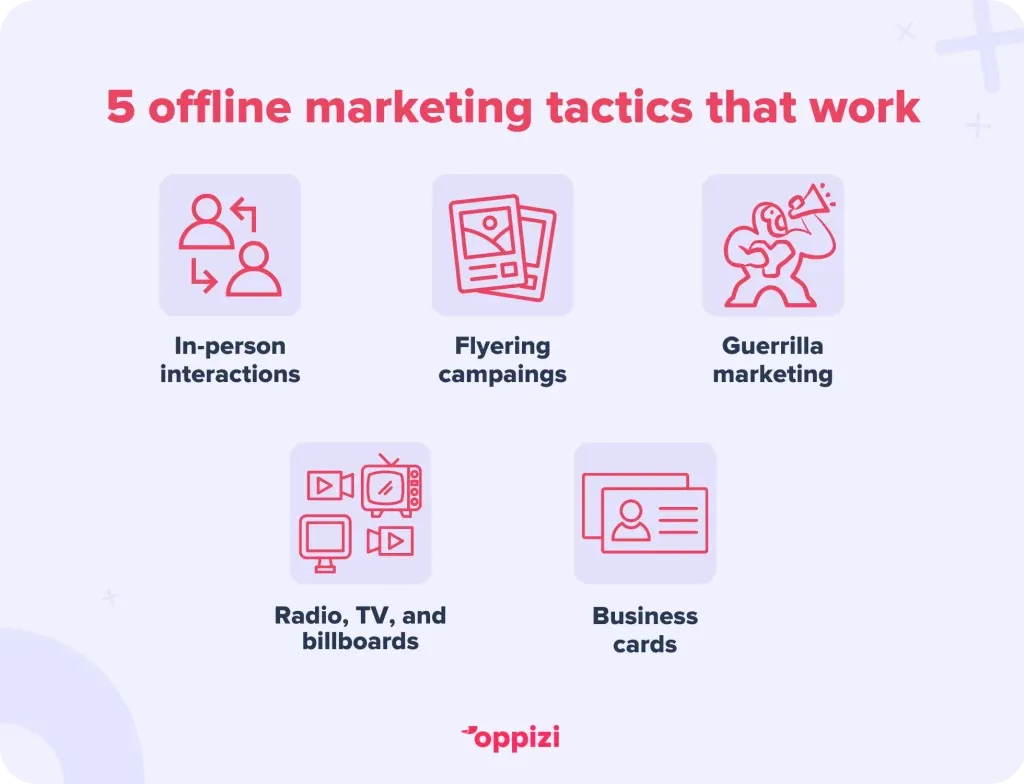
Five offline marketing tactics that work
You don’t need a huge budget to get results. Here are five simple, proven offline marketing tactics that can help grow your business.
1. Connect with people in real life
Talking to people—whether in person or on a video call—helps build trust in a way digital marketing can’t. When you meet someone face-to-face, you create a real connection. That’s something online ads and emails just can’t match.
Not everyone is online
Some people don’t spend much time on their phones or computers. They prefer real conversations and trust brands that engage with them directly. If you’re only focusing on digital marketing, you’re missing out on potential customers.
Get involved in your community
Being active in your local area makes people notice and remember your brand. You can:
- Support a local food drive
- Volunteer at a charity event
- Sponsor a neighborhood sports team
- Help with an environmental cleanup
People appreciate businesses that give back. It’s good PR and helps you stand out.
Sponsorships build trust
Supporting a community project that fits your brand shows people you care. Whether it’s an event, an educational program, or a local business initiative, sponsorships help build credibility. They also create goodwill, which leads to long-term customer loyalty.
Community engagement is smart marketing
This isn’t just about doing good—it’s a strategy that strengthens your brand and reaches people who value real connections.
2. Flyer marketing: a simple way to get noticed
Great marketing doesn’t rely on just one method. The best strategies mix online and offline tactics to reach more people. Flyer marketing—also called leaflet distribution—is a proven way to grab attention and make a lasting impression.
Why flyers still work
Even in a digital world, physical marketing stands out. A Forbes report found that paper-based ads create a stronger emotional impact and are easier to remember than digital ones. When people hold something in their hands, they’re more likely to trust it.
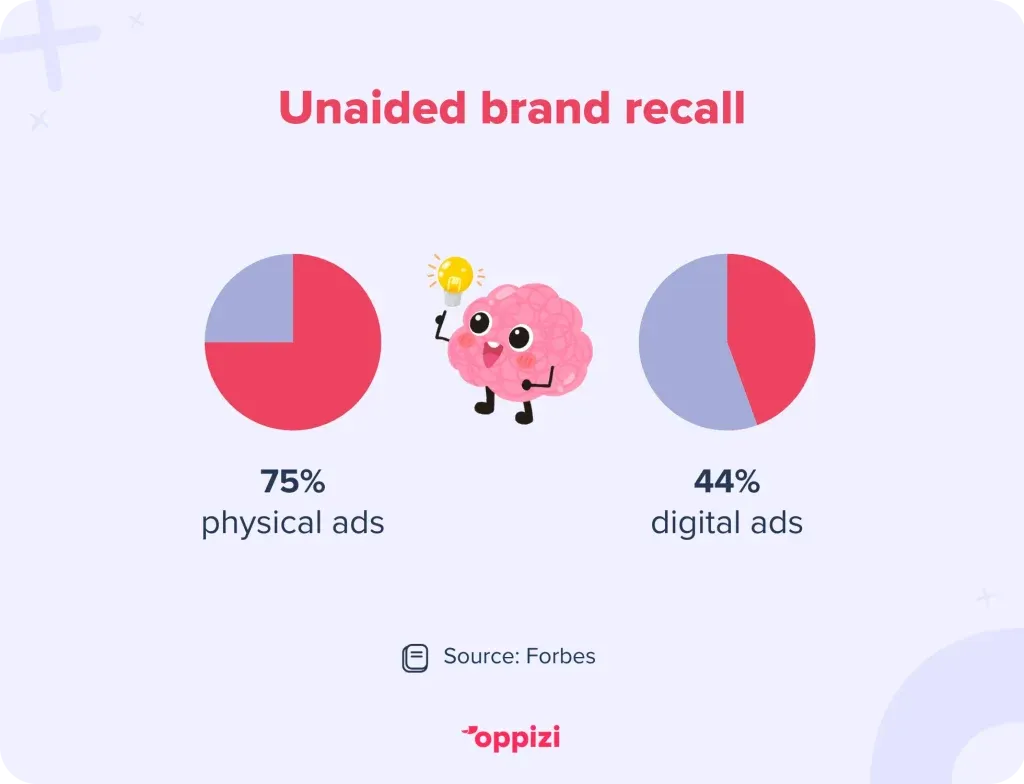
People remember physical ads better. When asked to name the brand they just saw, 75% recalled a physical ad, while only 44% remembered a digital one—a 70% higher recall rate for print.
Flyers get real results
Some think flyer marketing is outdated or hard to track. That’s not true. Done right, it can:
- Attract new customers in busy areas
- Make your brand more recognizable
- Drive sales with special offers and QR codes
- Lead people to your website or app
Uber Eats used flyer distribution to reach 45 million people and gain 750,000 new users. That’s proof it works.
How to make flyers even better
Flyer marketing is even more powerful when combined with technology. Oppizi’s smart distribution system helps businesses:
- Track campaign results in real time
- Use data to improve targeting
- Expand reach without extra effort
To stand out, your brand needs to be seen everywhere—not just online. Flyers give people something real to hold onto, making your business harder to forget.

3. Stand out with guerrilla marketing
Guerrilla marketing is all about grabbing attention in unexpected ways. It’s bold, creative, and designed to make people stop, look, and talk about your brand. Instead of traditional ads, it uses surprising, low-cost tactics to create buzz and get people engaged.
What makes guerrilla marketing different?
The idea comes from Jay Conrad Levinson’s 1984 book Guerrilla Advertising. It’s about using unconventional strategies to make a big impact with fewer resources. Instead of following the usual marketing rules, guerrilla campaigns use creativity and surprise to get noticed.
Since online ads can feel predictable, offline guerrilla marketing is the perfect way to shake things up. A clever street installation, an eye-catching pop-up, or a stunt in a busy public space can make people stop in their tracks—and often go viral online.
Smart guerrilla marketing ideas
You don’t need a huge budget to make an impact. Just a fresh idea and the right execution. Here are a few ways to try it:
- Sticker marketing – Place fun, branded stickers in busy areas to catch people’s attention.
- Chalk art advertising – Use sidewalks or subway stations for creative, temporary messages.
- Pop-up shops – Set up a short-term experience that draws people in and sparks social media buzz.
- Branded giveaways – Hand out free samples or branded bookmarks in the right locations.
- Street marketing stunts – Surprise people with a performance or unexpected activation that ties into your brand.
A guerrilla marketing win
Bounty pulled off a brilliant guerrilla campaign by placing giant, realistic spill installations—like a toppled coffee cup and a melting ice cream cone—on city streets. Their tagline? "Makes small work of BIG spills." The campaign was simple, clever, and instantly got people talking.
Why it works
- It’s affordable – Creativity matters more than budget.
- It gets people talking – Unique ideas spread by word of mouth and social media.
- It connects offline and online – A good stunt often goes viral.
Guerrilla marketing is all about thinking outside the box. Done right, it turns heads, creates lasting impressions, and gets your brand noticed—without spending a fortune.
Image: CTA Oppizi ads
4. Radio, TV, and billboards: grabbing attention in a digital world
Online ads come and go in seconds. People scroll past them, skip them, or block them. But radio, TV, and billboards? They’re harder to ignore. Whether it’s a driver passing a giant billboard, a listener tuned into their favorite morning show, or a family watching TV, these ads hold attention in ways digital ones often don’t.
Why traditional ads still work
People multitask online. They scroll while watching TV, check emails while browsing, and skip ads whenever they can. But when they’re listening to the radio, watching a show, or stuck in traffic, they’re more likely to notice an ad. Big, bold billboards stay in their minds. A catchy jingle on the radio sticks. A great TV commercial leaves a lasting impression.
Billboards: big impact, big reach
Billboards and transit ads have been around forever because they work. A huge ad in Times Square or a poster at a busy train station gets seen by thousands every day. That kind of exposure builds brand recognition fast.
- They grab attention – Large, eye-catching designs stand out.
- They reach everyone – Your audience isn’t limited to one group.
- They create lasting impressions – People see them every day on their commute.
TV ads: engaging a captive audience
Streaming is popular, but millions still watch traditional TV. And TV ads remain one of the most trusted forms of advertising. Think of Coca-Cola’s holiday commercials or Budweiser’s Super Bowl ads—memorable TV spots that stick with people for years.
With TV ads, brands can:
- Target the right audience – Pick time slots that match viewer habits.
- Hold attention – Viewers are already focused on the screen.
- Tell a story – Strong visuals and music create emotional connections.
Radio ads: simple, effective, and affordable
Radio is one of the most budget-friendly ways to advertise—especially for reaching local audiences. People listen to the radio while driving, cooking, or working. A well-placed ad on their favorite station can build trust and drive action.
Offline ads help brands stand out
The internet is crowded. Offline ads give brands space to be seen and remembered. With the right mix of visuals, sounds, and smart placement, businesses can cut through the noise and make a lasting impact.
Of course, billboards, TV, and radio require ongoing investment. You need fresh content and strategic placement. But when done right, they offer unmatched visibility and credibility—something digital ads often struggle to deliver.
5. Business cards: a simple tool that still works
Even with all the digital options out there, business cards haven’t lost their value. They’re more than just contact details—they’re a small, powerful way to make a lasting impression.
Some people think business cards are outdated, but that’s not true. A well-designed card helps build connections, keeps your brand in someone’s mind, and makes networking feel more personal.
Why business cards still matter
Not everyone wants to connect online. Many professionals prefer face-to-face conversations, especially in industries where trust matters. Business cards make that easy:
- They’re instant – No need to type in a phone number or search for a LinkedIn profile.
- They reinforce your brand – A good design helps people remember you.
- They feel personal – A physical card makes a stronger impression than a digital exchange.
Plus, with privacy laws and online tracking getting stricter, businesses are looking for more offline ways to connect. That’s why business cards are making a comeback.
For instance, in the case of marketing for a construction company, handing a business card to a homeowner after discussing a renovation project at a local expo gives them a tangible reminder of your services and professionalism. Follow up later, and that simple exchange can turn into a signed contract or a long-term client relationship.
How to make a business card that stands out
A forgettable card gets tossed. A great one gets saved. Keep your design simple but memorable. Make sure it includes:
- Your logo and brand colors so it’s easy to recognize.
- Your name, job title, and key contact details (phone, email, website).
- A QR code that links to your website or social media.
You can design it yourself with software like Photoshop or InDesign, or use an online tool with ready-made templates.
Use your cards wisely
Don’t just keep them in your wallet. Hand them out at networking events, conferences, trade shows, and even casual meetups. A quick exchange today could lead to a great opportunity later.
Offline marketing is back
Smart marketers don’t put all their eggs in one basket.Digital ads come and go in a blink. But a billboard, a flyer, or a well-placed radio spot stays with people. That’s why businesses are pouring billions back into offline marketing—it works. It builds trust. It sticks.
The most effective brands don’t choose between online and offline. They use both. If you want to reach more people and make a lasting impression, Oppizi will do the hard work for you. Join us today.