Last updated July 23, 2026
If you want to grow your business, you need a plan. Expansion can mean more customers, more revenue, and more success—but only if you do it right.
There’s no magic formula. Some businesses thrive by entering new markets. Others grow by selling more to the customers they already have. Some form partnerships to scale faster.
In this guide, you’ll get practical strategies for expansion, from market entry to sales optimization. You’ll also learn how to build a marketing plan that actually works. Let’s get to it.
Common business expansion strategies
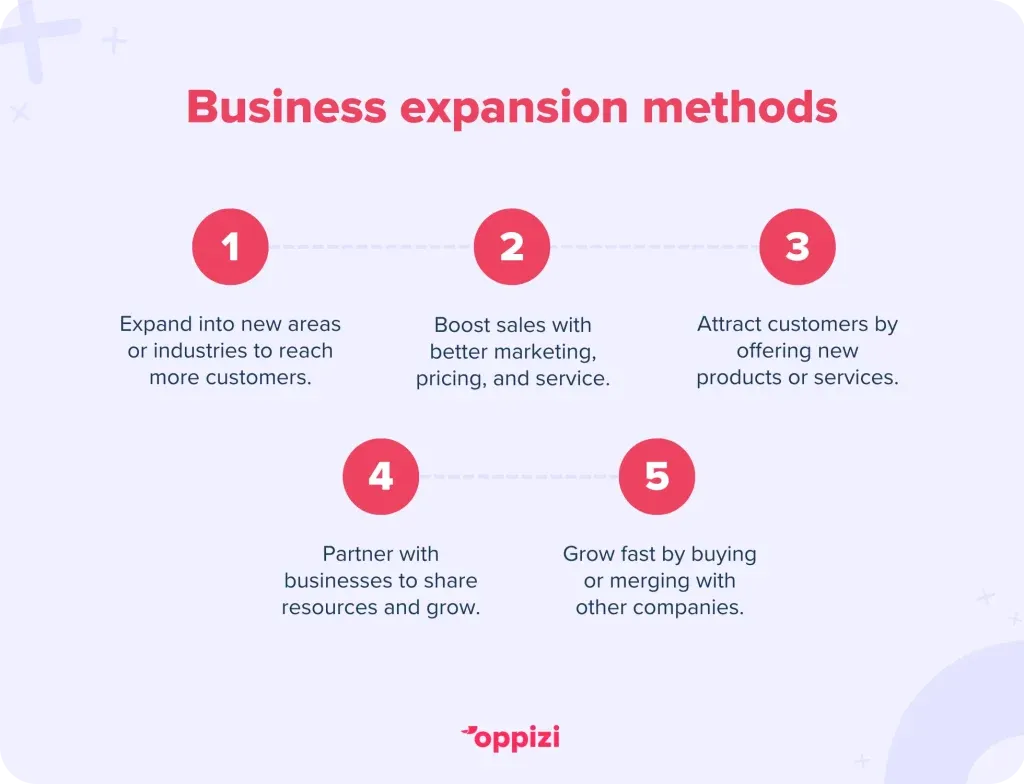
Choosing the right way to grow your business depends on what you want to achieve, what you have, and your industry. Here are some common strategies:
- Entering new markets: Reach new customers by targeting different areas or industries.
- Maximizing sales in existing markets: Improve your marketing, pricing, and customer service to boost revenue.
- Introducing new products or services: Offer new items to attract more customers and grow your business.
- Forming partnerships: Team up with other businesses to share resources and expand your reach.
- Mergers and acquisitions: Buy or merge with other companies to grow quickly.
Each strategy has its own benefits and challenges. Let’s take a closer look at these options to help you decide the best path for your business.
Expanding your business: Strategies for growth
There are many ways to expand your business, but three effective strategies are entering new markets, optimizing sales in current markets, and adding new offerings. Each one has its pros and cons. Here’s how to grow your business successfully.
Moving into new markets
Expanding into new markets lets you reach more people and increase your revenue. This can mean:
- Targeting new cities, states, or even countries.
- Offering related products or services in different segments of your industry.
Moving into a new market can help you overcome issues like slow growth or too much competition in your current market. But it can also be tough, especially if people don’t know your brand yet. To succeed, do your homework on the market, adjust your marketing strategy, and establish a strong presence in the new area.
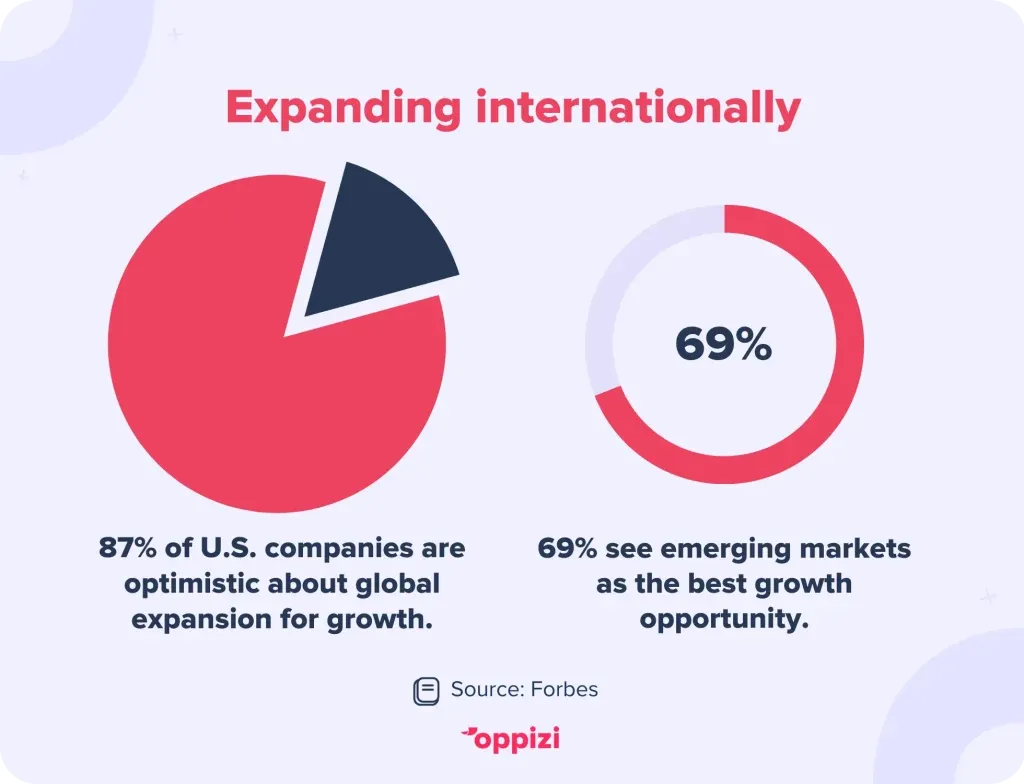
87% of companies in the U.S. are hopeful about expanding internationally for long-term growth. Additionally, 69% believe that emerging markets offer the best opportunities for success. Whether or not you can go global depends on the type of business you have. However, with the internet, expanding internationally has never been easier.
Optimizing sales in existing markets
Before looking outward, many businesses focus on boosting sales where they already operate. This strategy helps you capture a bigger share of your current audience. Here are some ways to increase sales in your market:
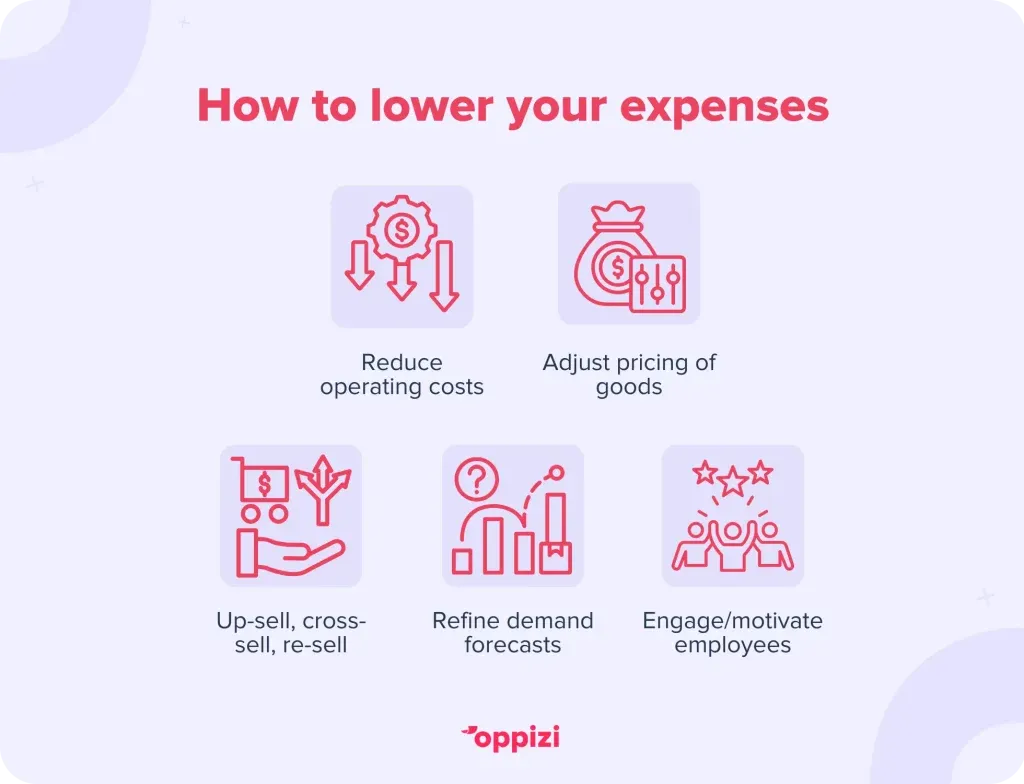
- Reduce costs: Find suppliers that offer better prices or use your resources more efficiently.
- Expand marketing efforts: Reach more customers by promoting your business on the right platforms. For example, if you’re targeting Gen Z, consider using TikTok ads.
- Enhance products or services: Small improvements, like eco-friendly packaging or better software features, can make your offerings more appealing.
Improving sales in your current market strengthens your brand and prepares you for bigger expansions, like going international. But if demand is low or your customer base is small, you may need to explore new markets.
Adding new offerings
Introducing new products or services can help your business grow by bringing in more customers and diversifying your revenue. This strategy works in both existing and new markets.
Benefits of adding new offerings include:
- Reaching and keeping more customers.
- Standing out from competitors.
- Creating additional revenue streams for stability.
However, developing new products can take time and money. Depending on your industry, it may take weeks or even a year to launch a new offering, so careful planning is key.
Expanding through partnerships and acquisitions
Growing your business doesn’t always mean launching new products or entering new markets by yourself. You can also expand through strategic partnerships, mergers, and acquisitions. These options can help you grow while using the resources you already have.
Partnering with other businesses
Forming a partnership can help you expand with less financial risk. Instead of paying all the costs to enter a new market or launch a new product, you can work together with a partner to share resources and knowledge.
Some common types of partnerships include:
- Co-branding: Launching a product or service together with another brand.
- Joint ventures: Temporarily teaming up to explore a new market.
- Distribution partnerships: Using another company’s sales channels to reach more customers.
While partnerships can be a cost-effective way to grow, they also come with risks. Your partner’s actions can affect your brand’s reputation. It’s important to choose a partner that shares your values and goals.
Mergers and acquisitions
Mergers and acquisitions (M&A) are other ways to grow your business. They can help you increase your market share and expand into new areas.
- Mergers: Two companies join together as one.
- Acquisitions: One company buys another. The purchased company can either be absorbed or continue to operate as a separate business.
These strategies can make your operations more efficient and profitable. But they also come with challenges, like merging company cultures and managing larger teams.
Executives say nearly 70% of merger and acquisition deals succeed today. In the past, the success rate was much lower, but companies have improved, making success more common than ever, with minimal risks.

Key considerations for business expansion
Expanding your business is a great opportunity, but it also has its risks and challenges. To grow successfully, you need to evaluate your options, estimate costs, and plan how you’ll execute your strategy.
Here are some important factors to think about:
- Internal processes
- Financial situation
- Employment needs
- Exporting requirements
- Licensing options
- Partnerships and mergers
- Funding sources
- Market testing
- Localizing products or services
- Economies of scale
- Brand growth
- Market research
Not every factor will apply to your specific expansion strategy. For example, if you’re focusing on growing within your country, exporting may not be relevant. However, it’s important to evaluate all these options to avoid missing out on valuable opportunities.
1. Internal processes
When your business grows, you may need to change some internal processes. Whether you are opening a new location, expanding operations, or adding new products, it's important to refine how things are done.
Key points:
- You might need new standard operating procedures (SOPs) to keep things consistent.
- A larger team and more resources will affect current processes.
- Coordinating between different locations can complicate operations.
Pros and cons:
- Pros: Improved efficiency by streamlining workflows and higher productivity from optimized processes.
- Cons: There may be an adjustment period that temporarily reduces efficiency. Some employees might struggle with new workflows.
To help with this, consider hiring extra staff to manage the workload instead of overloading your current team.
2. Financials
Expanding your business requires money. Before you grow, make sure your business is financially stable and making consistent profits. Trying to expand an unprofitable business can be risky.
Key points:
- Review your cash flow, expenses, profits, and debts before expanding.
- Look for ways to free up funds or secure outside financing.
- Estimate how much revenue you might make from your expansion.
Pros and cons of self-funding expansion:
- Pros: You won’t take on debt or have to answer to lenders. You keep full control over your financial decisions.
- Cons: Reduced cash flow could limit your flexibility. Unexpected costs might strain your budget.
If you need more funds, think about other financing options like business loans, investors, or partnerships.
3. Employment
Hiring the right team is key to a successful expansion. Whether you’re opening a new location or launching new services, you’ll need more staff.
Key points:
- Figure out how many employees you need for expansion.
- Assess the experience and training required for new roles.
- Consider salary costs and recruitment expenses.
Pros and cons of hiring new employees:
- Pros: Prevents overworking your current team and ensures you have enough support for expansion.
- Cons: Hiring can take time and be expensive. Finding skilled workers may be challenging.
You might want to work with a recruitment agency to make hiring easier. Promoting from within can also help maintain your company culture.
Most effective hiring strategies
If you want to recruit, consider the following:
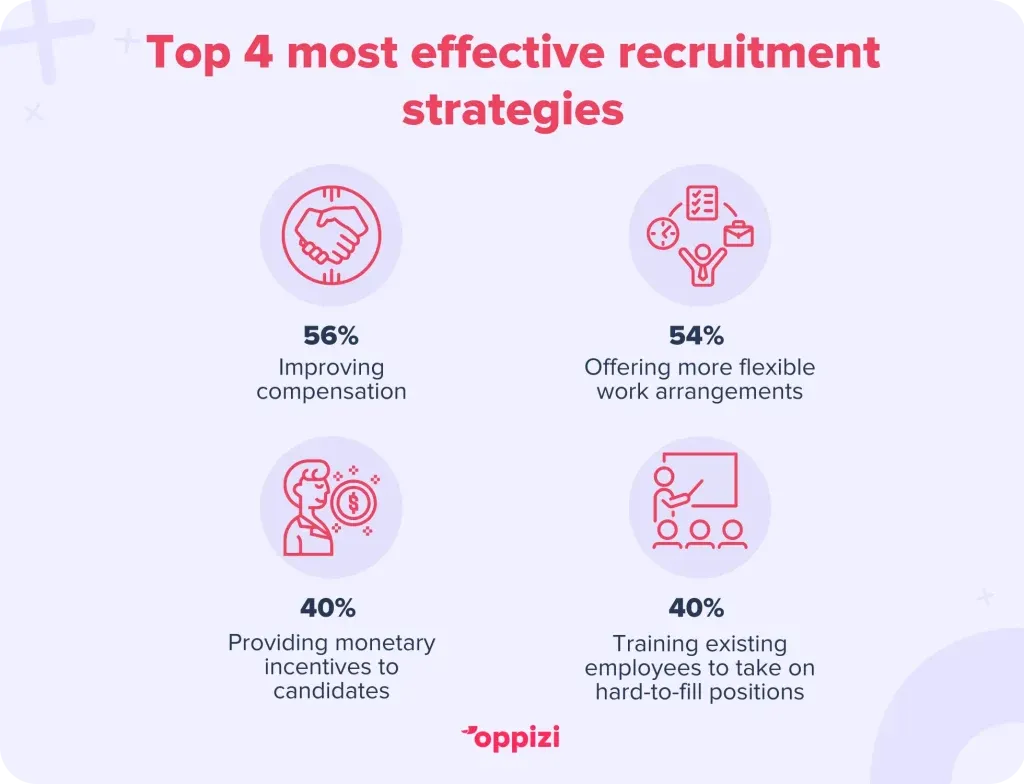
The most effective hiring strategies are improving pay (56%), offering flexible work (54%), providing hiring bonuses (40%), and training current employees (40%). While better pay is the second most used strategy, flexible work ranks 14th, hiring bonuses 12th, and employee training 10th.
4. Exporting: Reaching international markets
Exporting is a quick way to expand internationally without the cost of setting up operations in another country. Instead of making products locally, you can ship them to new markets.
How exporting works:
- Partner with distributors, retailers, or marketing agencies to sell your products.
- Ship directly to customers through an e-commerce platform.
- Set up exclusive contracts with regional suppliers.
Pros and cons of exporting:
- Pros: You can reach a larger customer base in international markets, have lower overhead costs, and enter markets faster without big investments.
- Cons: Shipping can be expensive, and you need to comply with foreign trade laws. You may also face cultural barriers and need to adapt your branding and marketing.
To succeed, research foreign trade policies, taxes, and market demand. Understanding your target audience is crucial for a successful launch.
5. Licensing: Expanding with lower risk
Licensing lets you expand by allowing other companies to use your brand, products, or intellectual property. This method reduces financial risk and increases your market presence.
How licensing works:
- A software company can license its platform to international resellers.
- A franchise model allows expansion without direct management.
- A manufacturer can license its designs to foreign producers.
Pros and cons of licensing:
- Pros: It offers low-cost expansion, faster growth since licensees handle sales and marketing, and creates passive income without direct involvement.
- Cons: You lose some control over branding and sales. Poor service from licensees can harm your reputation. Licensing fees may also be lower than direct sales profits.
Licensing works best when you have a trusted local partner to manage sales and marketing. Choosing the right licensees is important to protect your brand.
6. Partnerships and mergers: Strengthening your market position
Partnerships, mergers, and acquisitions can help your business grow and reach new markets.
How they work:
- Partnerships: You team up with another company to share resources and expertise.
- Mergers: Two companies combine to operate under one brand.
- Acquisitions: One company buys another to gain its assets and customers.
Pros and cons:
Pros:
- You can enter the market faster by partnering with an established business.
- You gain insights from a company that knows the market well.
- You access new resources like technology and staff.
Cons:
- Profit-sharing may reduce your margins.
- Mergers can create complex management challenges.
- Differences in company cultures may lead to conflicts.
To succeed, make sure partnerships and mergers are beneficial for both sides. Align your goals and values for long-term stability.
7. Funding: Securing capital for expansion
Expanding your business often requires money. If you’re making steady profits, you might fund growth internally. But many businesses need extra funding. Here are three common options:
- Grants: Government grants offer money that you don’t have to pay back. They often support innovation and job creation.
- Raising capital: You can seek investors like angel investors or venture capital firms. They can provide money but may want a share of your business.
- Business loans: These allow you to keep control of your business. You’ll need to pay back the loan with interest.
Pros and cons of external funding:
Pros:
- You can grow faster without draining your current profits.
- You can take on more risk to invest in new opportunities.
- You have different funding options to choose from.
Cons:
- Loans and investments come with repayment obligations.
- Grants may have strict rules you need to follow.
- Investors might expect a cut of your future earnings.
Before you seek funds, figure out how much you’ll need for expansion. This includes costs for real estate, labor, equipment, marketing, and legal fees. A clear financial plan will help you use your resources wisely and reduce risks.

8. Testing the market: Validating demand before expansion
Before you jump into a new market, test to see if people want your product or service.
How to test a market:
- Use social media to engage potential customers through polls and surveys.
- Launch a prototype or minimum viable product (MVP) to gather feedback before going all in.
- Run targeted ads to see how people respond before investing heavily.
Pros and cons of market testing:
Pros:
- It helps you avoid costly mistakes in markets with low demand.
- You can adjust your product based on real customer insights.
- It improves your marketing strategy by identifying what resonates with your audience.
Cons:
- Testing takes time and effort.
- You might not see revenue right away.
- Public testing can attract competitors’ attention.
A solid test phase will help you enter new markets confidently and fine-tune your strategy.
9. Localizing products and services: Adapting for global success
When expanding internationally, you often need to adapt your products and services to fit local cultures and regulations.
Key strategies for localization:
- Translate and adapt your content, including product descriptions and manuals.
- Adjust your branding and messaging to ensure cultural relevance.
- Comply with local laws and safety standards.
Pros and cons of localization:
Pros:
- It helps you reach new customers that competitors might overlook.
- It builds trust with customers who appreciate businesses that understand their culture.
- A localized experience can boost engagement and sales.
Cons:
- It can be time-consuming and requires resources.
- Hiring localization experts can increase costs.
Localization is more than just translation. It’s about creating a smooth experience that makes customers feel valued.
10. Economies of scale: Scaling smart for cost efficiency
Increasing production can help lower costs per unit by spreading fixed expenses over more products. This is called economies of scale.
How economies of scale work:
- More production leads to lower costs per item.
- Buying materials in bulk can save money.
- Improving operations can make processes more efficient.
Pros and cons of scaling operations:
Pros:
- You can enjoy higher profit margins as costs go down.
- It allows you to offer better prices in the market.
- Larger operations can create barriers for competitors.
Cons:
- Growth requires strong management and good logistics.
- Overproduction can lead to excess inventory and financial strain.
- Expanding too quickly without demand can hurt profitability.
Successful scaling means balancing growth with market demand to ensure long-term success.

11. Brand growth: Strengthening your identity for expansion
As your business grows, so does your brand. Expanding into new markets helps people notice your brand. To make a lasting impact, your brand identity should be clear and consistent. It also needs to match your company’s vision.
Key steps to build a strong brand identity:
- Know your audience: Understand what your customers need and want.
- Define your value proposition: What makes your brand different? Highlight your strengths.
- Research competitors: Look at how other businesses position themselves. Find gaps you can fill.
- Create distinct brand assets: Work with designers to create a memorable logo, color scheme, and messaging that reflects your brand’s personality.
- Ensure consistency: Use the same branding across all channels, like your website, social media, and marketing materials.
A strong brand identity builds trust and helps your business stand out in a competitive market.
12. Research and analysis: Laying the groundwork for expansion
Before you expand, it’s important to do thorough research and analysis. This helps you make smart decisions and reduce risks.
Key areas to research before expansion:
- Market research: Learn about your new target audience and their buying habits.
- Legal and compliance: Make sure your business follows the rules for exporting, licensing, and operating in new areas.
- Logistics and supply chain: Check shipping costs, distribution channels, and any supply chain challenges.
- Financial feasibility: Analyze the costs of expansion, including real estate, staffing, equipment, and marketing.
- Competitive landscape: Identify major competitors, their pricing strategies, and what makes them different.
- Business performance: Evaluate your current financial health before committing to growth.
Doing thorough research helps you make informed decisions and enter new markets with confidence. Treat this process with the same care as when you first launched your business.
What to analyze before expanding your business
Before you grow your business, take a close look at your numbers. Start by analyzing the market to see if expansion makes financial sense. Then, review your current profits so you have a baseline to measure success.
Tracking key performance indicators (KPIs) will help you see what’s working. Here are eight important ones to watch before, during, and after expansion:
- Customer acquisition cost (CAC) – How much you spend to get a new customer
- Customer lifetime value (LTV) – How much revenue a customer brings over time
- Sales revenue – Total income from sales over a set period
- Monthly recurring revenue (MRR) – Predictable revenue from subscriptions
- Revenue growth rate – How fast your revenue is increasing
- Month-over-month growth rate – How quickly your business is growing
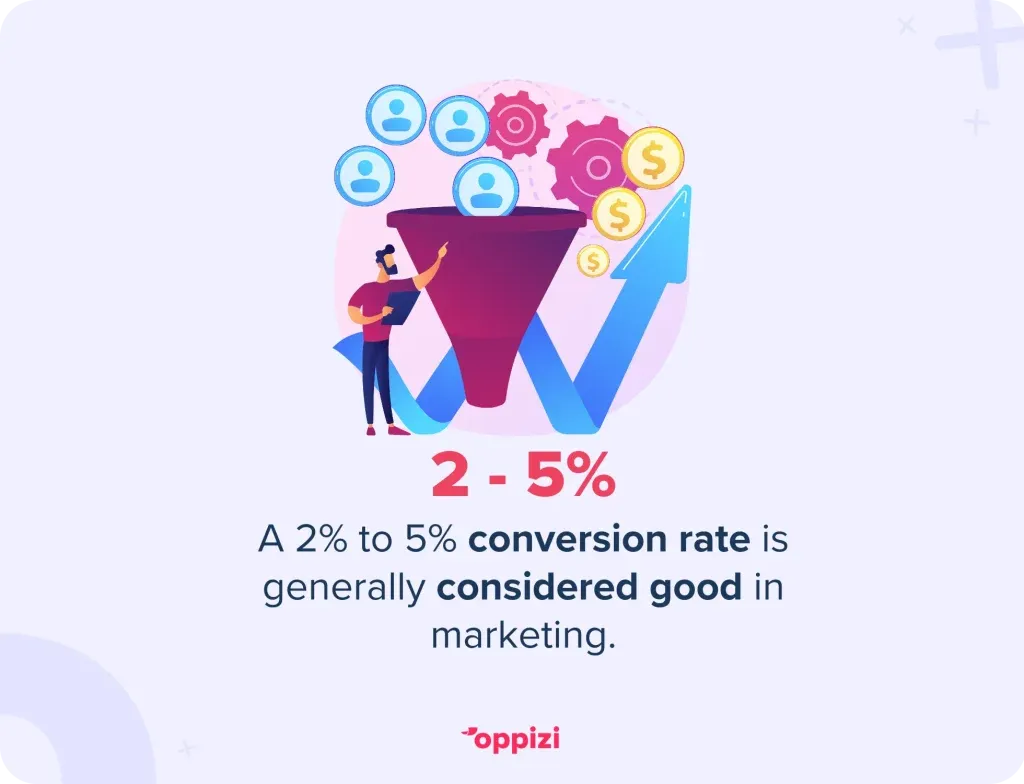
- Website conversion rates – How well your website turns visitors into customers
- Active users/churn rate – The number of paying customers vs. those who leave
Using business management tools can help you track these KPIs with accurate data and easy-to-read reports.
Why these KPIs matter
1. Customer Acquisition Cost (CAC)
CAC tells you how much it costs to bring in one new customer. This number often goes up when you first expand, so keep an eye on it. To calculate CAC, divide total marketing and sales expenses by the number of new customers.
2. Customer Lifetime Value (LTV)
LTV shows how much a customer is worth over time. A low LTV could mean customers aren’t sticking around or aren’t spending much. If your LTV is low, it may be time to focus on retention.
3. Sales revenue
Sales revenue gives you the big picture of how much money is coming in. Comparing sales from previous months or quarters will show if your expansion is paying off.
4. Monthly Recurring Revenue (MRR)
If you run a subscription-based business, MRR is key. It tells you how much revenue you can expect each month from active subscriptions. This helps with planning and cash flow.
5. Revenue growth rate
This KPI tracks how fast your revenue is growing by comparing it to past periods. If growth slows, it may be time to adjust your strategy.
6. Month-Over-Month (MoM) growth rate
MoM growth measures how quickly your business is expanding. As you enter new markets, this number should rise. If it doesn’t, you may need to rethink your approach.
7. Website conversion rates
Your website should turn visitors into paying customers. If conversion rates are low, your marketing message might not be hitting the mark. Adjusting your content or targeting the right audience can help.
8. Active users vs. churn rate
Active users are the customers still paying for your service. The churn rate is how many leave. Compare these numbers as you expand to make sure you’re gaining more customers than you’re losing.
By keeping track of these KPIs, you’ll know if your expansion is moving in the right direction—and when it’s time to tweak your strategy.
Unique business expansion strategies and marketing plans
Expanding your business doesn’t always mean entering new regions or partnering with others. Here are some unique strategies for growth:
1. Enter a new industry
Instead of just selling your existing products in new markets or launching new ones, think about moving into a different industry. This can open up fresh opportunities for growth.
For example, a software company that makes mobile apps might successfully branch out into video games. A restaurant owner could find success in catering. Exploring a new industry lets you use your current skills and experience in a different way.
2. Scale down your operations
It might sound strange, but scaling down can help you focus on your core offerings. By narrowing your focus to one or two main products or services, you can work more efficiently and serve a specific market better.
This approach is especially helpful for businesses that have trouble building a strong brand or loyal customers. By concentrating on a smaller segment, you can tackle the issues affecting your business before trying to grow again.
3. Franchising your business
Franchising is another way to expand. It lets others sell your products or services using your brand. As the franchisor, you set up the framework but don’t control the daily operations.
This method can be risky if franchisees don’t keep up your brand standards, which could hurt your reputation. Before choosing franchising, think about whether it fits your business model and if your industry supports this strategy.
Developing a marketing plan for business expansion
When you want to grow your business, whether by introducing a new product, entering a new market, or forming partnerships, having a clear marketing plan is important. Here are the key parts of an effective marketing plan:
1. Brand growth and recognition
Building awareness for your brand is crucial as you expand. Here are some steps to strengthen your brand identity:
- Identify your strengths and values: Figure out what makes your brand special.
- Define your target audience: Learn more about your customers and what they want.
- Develop brand positioning: Decide how you want people to see your brand in the market.
You can create buyer personas that represent your ideal customers. Include details like age, interests, and location. This helps you tailor your marketing efforts.
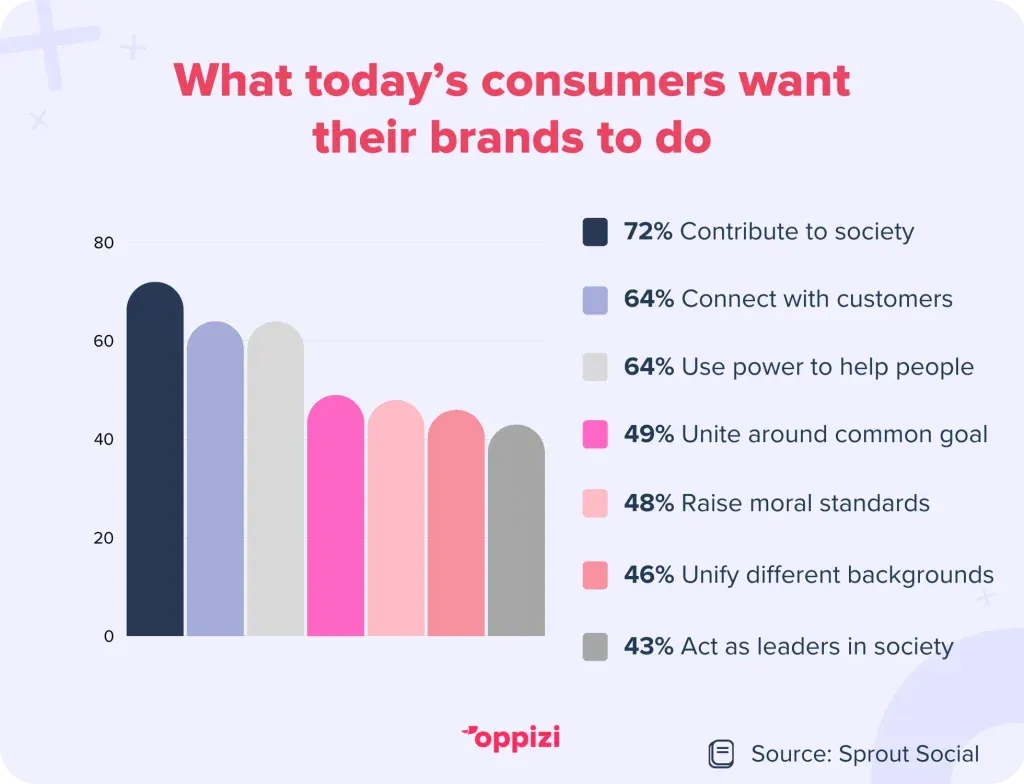
64% of consumers want brands to connect with them personally, and 49% expect brands to unite people around a shared purpose. Only 43%, however, want brands to take on a leadership role in society. This shows people prefer brands to act like a good friend rather than a boss.
2. Social strategy
Social media is a great way to connect with your audience. Use it to share updates, promotions, and get feedback during your expansion.
3. Website
Your website is the main hub for all your marketing. Make sure it shows off your new products and services. Create specific landing pages for each expansion effort to improve user experience and drive sales.
4. Digital advertising
Using digital advertising can boost your brand awareness. Here are some common methods:
- Search Engine Optimization (SEO): Improve your website content to rank higher in search results.
- Pay-Per-Click (PPC) advertising: Use targeted ads to quickly attract visitors.
- Social media advertising: Promote your posts and ads to reach more people on social platforms.
- Content creation: Share helpful information through blogs, videos, and tutorials to engage potential customers.
If you’re new to digital marketing, consider hiring an expert or an agency to create effective strategies for your business.
5. Offline marketing
While online marketing is important, offline marketing can also help you reach new customers. Here are some effective offline methods:
- Business cards: Make a strong impression and ensure customers can easily contact you.
- Community engagement: Get involved in local events to connect with your audience and learn what they need.
- Traditional advertising: Use print, radio, and TV ads to target customers where they spend their time.
- Flyer distribution: Handing out flyers can create a personal connection and help people remember your brand.
- Direct mail: Whether you're using targeted mail or Every Door Direct Mail (EDDM) to reach whole neighborhoods, your message is guaranteed to be seen.
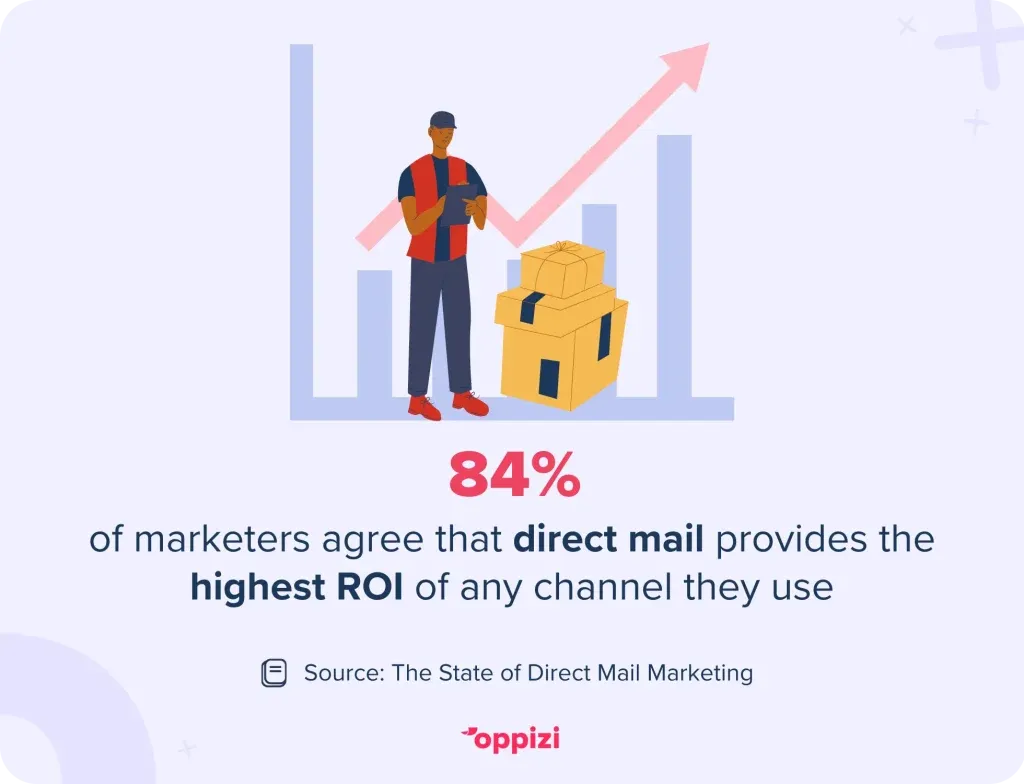
Did you know that 84% of marketers believe direct mail provides the highest ROI of any channel they use? Platforms like Oppizi can help manage your offline campaigns and track important metrics for your marketing efforts.
Business expansion checklist
To make sure your expansion goes well, use this checklist:
- Choose how you want to expand.
- Analyze the market for opportunities.
- Review your financial situation.
- Assess your internal processes.
- Evaluate your liabilities and responsibilities.
- Consider partnerships, mergers, or acquisitions.
- Test the market before fully launching.
- Secure funding if needed.
- Allocate resources for the expansion.
- Determine how many staff you need.
- Reassess your brand identity.
- Develop a marketing plan.
- Start a social media strategy.
- Optimize your website for the expansion.
- Implement online and offline marketing strategies.
FAQ: Business expansion
What is an example of a business expansion?
A coffee shop opening a second location. An online store setting up a physical shop. Any move to grow, reach new customers, or offer more products is expansion.
Is it business expansion or extension?
Expansion is growing the business—new locations, more products, or bigger markets. An extension is adding to what you already offer, like a software company launching a premium version.
What is business growth and expansion?
Growth means more revenue, customers, or market share. Expansion is one way to grow—by opening new locations, offering new services, or reaching new audiences.
What does "expand my business" mean?
It means growing beyond where you are now. That could be selling in new places, launching new products, hiring more staff, or opening more locations.
What is a business expansion?
It’s the process of making a business bigger. That could mean scaling operations, entering new markets, forming partnerships, or acquiring other businesses.

Final thoughts
If you want to grow your business, don’t leave it to chance. Expansion isn’t just about ambition—it’s about strategy.
The right moves can take you further, whether that means breaking into new markets, selling more where you are, or adding new products. Partnerships and acquisitions can accelerate your growth if chosen wisely.
A strong marketing plan and solid research separate the winners from the rest. Follow the steps in this guide, make smart decisions, and take action. Growth won’t wait. Neither should you.
Want to outshine your competitors? Stop fighting for attention online. Reach customers where they really are. Oppizi puts your message in their hands—real materials, real people, real impact. We handle the heavy lifting—you focus on growth. Start today.