Last updated August 28, 2026
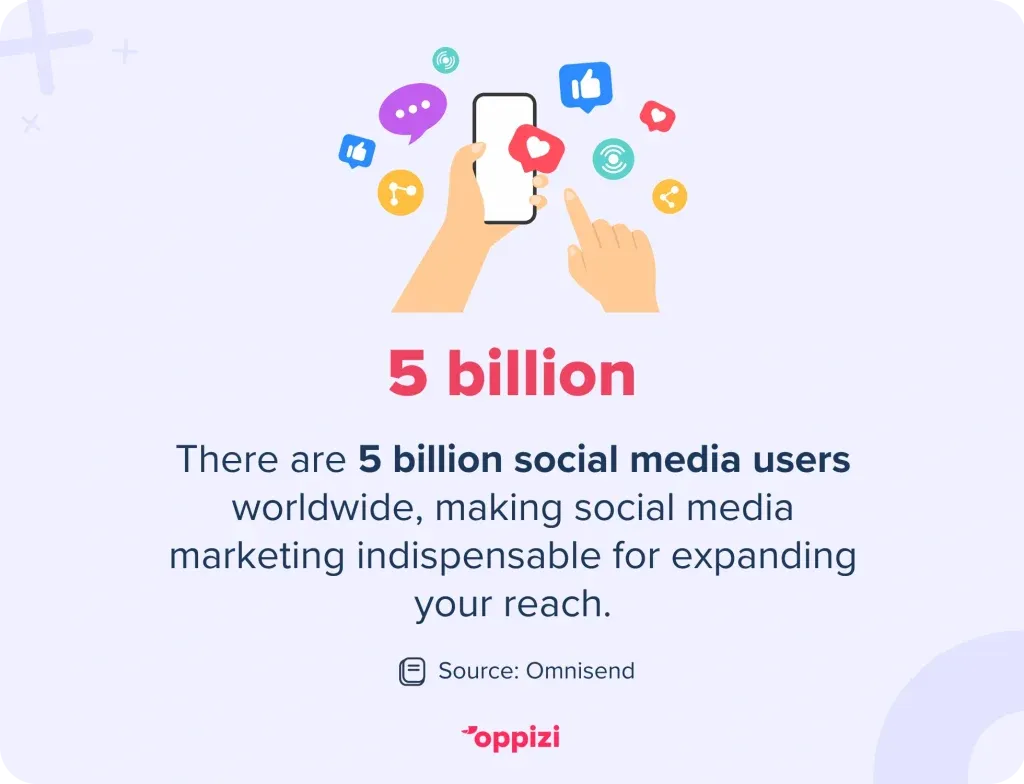
If you run your own business, having a social media presence is indispensable. Social media marketing has become a crucial tool for businesses looking to expand their reach and increase sales, both through organic content and paid advertising. With around 5 billion social media users worldwide, these platforms offer an unparalleled opportunity to connect with potential customers, build relationships, and drive conversions.
How social media drives sales
Below we’ll show how social media can boost sales for your business. It works across industries because these platforms let you reach all kinds of people, whether your goal is marketing a law firm, a retail store, or any other business.
Increasing brand awareness
Consistent posting, engaging and valuable content, and strategic use of hashtags can help businesses increase brand awareness. Social media allows businesses to showcase their brand's personality and values, making them more relatable to their audience and building a level of trust.
Beauty brands like Glossier have successfully used Instagram to showcase their minimalist aesthetic, creating a strong visual identity that highlights their values as a “clean beauty brand” and resonates with their audience.
Generating leads
Social media platforms provide various tools to generate leads efficiently. Features like Instagram's "Swipe Up" links in Stories, LinkedIn's lead forms, and Facebook's call-to-action buttons make it easier for businesses to collect contact information and convert prospects into leads.
B2B companies can use LinkedIn to offer downloadable whitepapers or host webinars, encouraging users to fill out lead forms to access valuable content.
Additionally, Facebook's lead ads allow businesses to create pre-filled forms that make it convenient for users to express their interest without leaving the platform. This feature is particularly useful for industries like education or real estate.
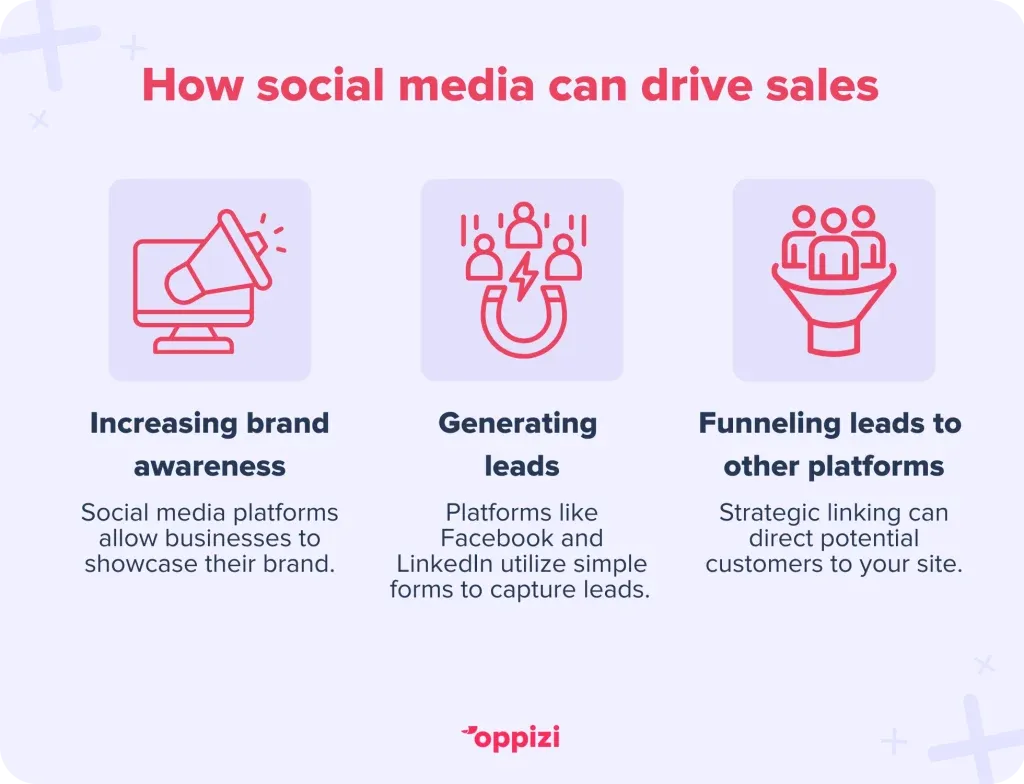
Funneling leads to other platforms
Social media can act as the first point of contact, funneling potential customers to your website or e-commerce store. By sharing links to blog articles, landing pages, and special offers, businesses can encourage users to engage further with their brand.
Fashion brands often use Instagram Stories to promote flash sales with direct links to their online store, or Pinterest's "Shop the Look" to allow users to purchase products directly from pins, making it easier to drive traffic to their e-commerce websites.
Which social media platforms work best for business owners?
Not all social media platforms will work for your business. The best platforms for your business depend on your target audience and the type of products or services you offer. Here’s a breakdown of some of the most popular platforms and how you can use them:
Perfect for visually-driven brands, Instagram excels at storytelling through images and videos. Use Instagram Stories, Reels, and Shopping features to promote products and drive sales. You can also place Instagram QR codes on printed materials like flyers, giving customers access to your Instagram channel with a simple scan. The same approach works for your other social platforms as well.
Fitness brands like Gymshark have built their following by sharing valuable content like workout videos, transformation stories, and customer testimonials. They often partner with a range of fitness influencers on Instagram to expand their reach and generate trust in their brand.
Example:
A clothing brand could use Instagram's shoppable posts to allow users to purchase products directly from posts, making the buying process seamless. This is a feature that brands like Zara and H&M frequently use to drive sales from their Instagram audience.

With about 3 billion monthly active users, Facebook remains a top platform for businesses. Create a business page, run targeted ads, and engage with your audience through posts and Facebook Groups.
Example:
Local businesses, such as restaurants or hair salons, can use Facebook Events to promote special offers or new product launches. Facebook Marketplace also provides an excellent opportunity for small businesses to sell products directly to their local community.
Ideal for B2B marketing, LinkedIn is a powerful platform for networking, lead generation, and thought leadership. Share industry insights, participate in discussions, and leverage LinkedIn Ads to reach top decision-makers. Companies like HubSpot regularly share informative blog posts and webinars on LinkedIn to engage their audience and generate leads.
Example
A SaaS company could publish case studies or whitepapers related to their industry challenges while offering free demos through targeted LinkedIn ads. This establishes them as thought leaders and builds trust within their audience.
TikTok
Fast-growing and popular among younger audiences, TikTok allows businesses to create fun, engaging video content that can quickly go viral. Partner with influencers and use branded hashtags to boost visibility.
Example
A skincare brand could partner with a popular TikTok influencer to demonstrate how their products help with skin issues, making it highly relatable to the platform’s user base.
X
Great for customer service and sharing quick updates, X, previously known as Twitter, allows brands to engage directly with customers in real-time. Use polls, hashtags, and threads to spark conversations.
Example
A tech company could engage its followers by hosting live Q&A sessions to answer questions, build customer loyalty, and drive engagement, especially during product launches.
Pinterest is a powerful platform for businesses in visually-driven industries like fashion, home decor, food, and beauty. Unlike other social media platforms, Pinterest acts more like a visual search engine, where users discover and save ideas for future reference. This makes it a valuable tool for driving traffic to your website and e-commerce store. Studies show that brands using shopping ads on Pinterest achieve 3x higher conversion rates and sales lift, making it an effective platform for boosting sales.
Businesses can create "Pins" that link directly to product pages, blog posts, or landing pages, making it easy for users to shop directly from the platform. Pinterest's Shop the Look feature allows users to purchase products directly from pins, offering a seamless shopping experience.
Pinterest also has powerful targeting capabilities through Promoted Pins, where businesses can advertise to users based on their interests, demographics, and search behaviors. This makes Pinterest a great platform for both brand awareness and driving direct conversions.
Example
A home decor brand could create pins showcasing different room setups or DIY projects using their products, leading users to their website for purchases. Similarly, a food brand can share recipes or meal ideas with links to purchase ingredients or kitchen tools.

What social media strategies can help generate sales?
Implementing the right strategies is crucial to turning social media followers into paying customers. Here are some effective tactics:
User-generated content (UGC)
Encourage your customers to share their experiences with your brand by tagging your business in their posts. UGC builds trust and authenticity, making your brand more relatable. For example, GoPro frequently shares photos and videos taken by customers using their products, creating a community of engaged users.
Example
A restaurant could encourage patrons to post photos of their meals and tag the business, incentivizing them with discounts for future visits.
Influencer partnerships
Collaborate with influencers in your niche to promote your products. Influencers have loyal audiences that trust their recommendations, making this an effective way to generate sales.
Example
A fashion retailer could partner with micro-influencers who have a loyal following, resulting in personalized product recommendations that drive sales.
Sponsored posts
Paid media campaigns allow you to reach a broader audience. Platforms like Facebook and Instagram offer detailed targeting options to ensure your ads reach the right people. For instance, Airbnb uses Instagram and Facebook ads to promote unique stays and experiences based on user's location and interests.
Example
A beauty brand could run Facebook ads targeting specific demographics, such as age and location, to promote a new product launch.
Contests and giveaways
Hosting contests and giveaways is one of the most effective ways to boost engagement and attract new followers. Ask participants to like, share, or tag friends to increase your brand's reach.
Example
A travel agency could run a giveaway for a free vacation package, encouraging users to tag friends in exchange for entries.
Retargeting ads
Use retargeting ads to reconnect with users who have visited your website or interacted with your social media content but haven't made a purchase yet. E-commerce platforms like Shopify allow businesses to set up dynamic retargeting ads on Facebook and Instagram.
Example
An online clothing store could retarget users who have added products to their cart but didn’t complete the purchase, offering them a special discount to encourage conversion.

Best practices for using social media to boost sales
To get the most out of your social media efforts, follow these best practices:
1. Post consistently and at optimal times
Consistency helps maintain visibility in your audience's feed, while posting at the right times ensures you maximize engagement. Use platform analytics to determine when your audience is most active, ensuring your content gets seen by the right people.
2. Use high-quality images and videos
High-quality visuals are more likely to grab attention and convey your brand’s professionalism. Invest in good photography or videography to showcase your products in the best way possible.
3. Engage with your audience
Responding to comments and messages shows your customers that you care and helps build a loyal community. Timely, helpful responses build trust and encourage followers to engage more with your brand.
4. Track performance and adjust strategies
Regularly checking your analytics allows you to identify what content works best and where you can improve. Use insights like engagement rates and click-through rates to see what works and to fine-tune your content and strategy.
5. Stay up-to-date with social media trends
Social media trends evolve quickly, so staying up-to-date helps you take advantage of opportunities at the right time. Adapting to platform changes, like Instagram’s format shift, ensures your content remains relevant. However, while it’s important to stay on top of the latest trends and features, original content can still make a significant impact. It’s also crucial to test different types of content to see what resonates most with your audience.
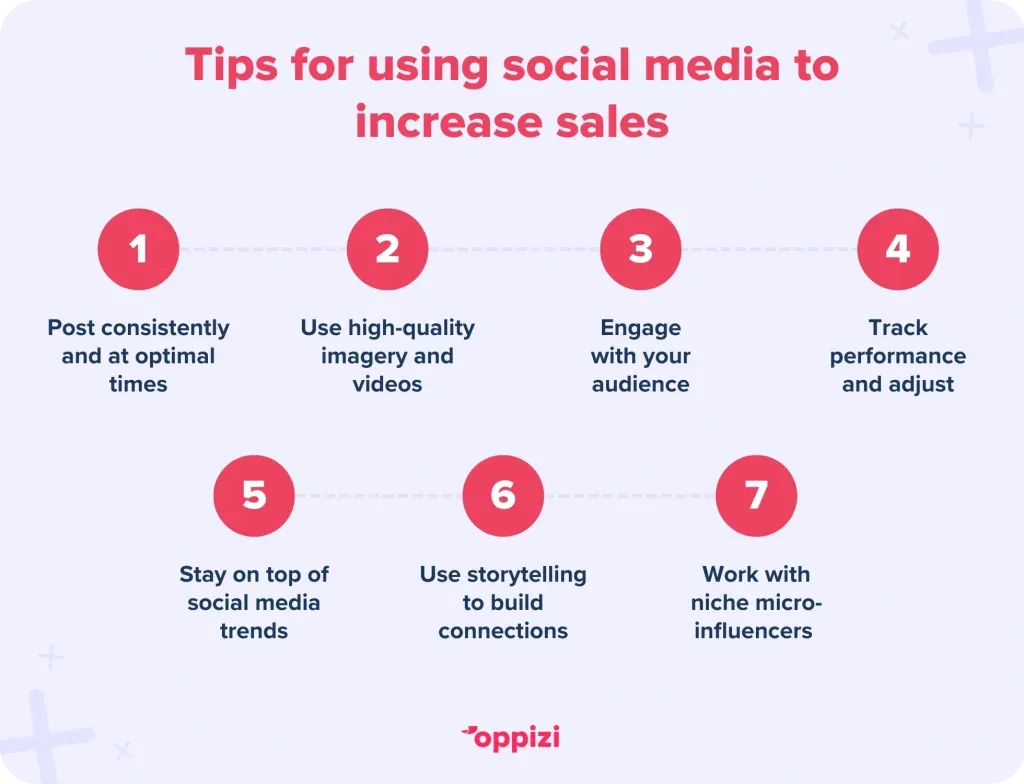
6. Use storytelling to create emotional connections
Storytelling allows you to connect with your audience on a deeper level, making your brand more relatable. Share authentic stories that reflect your brand values or highlight customer experiences to resonate emotionally with your followers.
7. Collaborate with micro-influencers
Micro-influencers have highly engaged and niche audiences, making them ideal for reaching targeted groups. They can drive conversions in specific markets, and are often more budget-friendly than working with larger influencers.
Conclusion
Social media is a powerful tool that can significantly boost business sales when used strategically. By increasing brand awareness, generating leads, and driving traffic to your website or store, social media platforms offer unique opportunities for businesses to grow.
The key to success lies in understanding which platforms work best for your business, crafting effective strategies, and staying engaged with your audience. However, by connecting online efforts with offline strategies, like those offered by Oppizi, you can create a well-rounded marketing approach to maximize your reach and drive sales.
Ready to take your business to the next level? Start an offline marketing campaign with Oppizi today to connect with your audience on a personal level.
Frequently asked questions
- How often should I post on social media?
It depends on the platform, but a good rule of thumb is 3-5 times per week for Instagram and Facebook, and daily for Twitter.
- Can small businesses benefit from social media marketing?
Absolutely! Social media allows small businesses to reach a wider audience with minimal investment.