Last updated August 28, 2026
Marketing is all about being where your customers are. And not all of them are online.
If you're only using email or social media, you're missing chances to connect. Adding offline tactics, like flyers, direct mail, or in-store signs, can help more people notice you. It can also build stronger trust and make your brand feel more personal.
This guide will show you how to run a multi-channel offline campaign, one step at a time. No buzzwords. Just clear, helpful advice to help you reach more people and get better results. Let’s start from the beginning.
What is a multi-channel offline campaign?
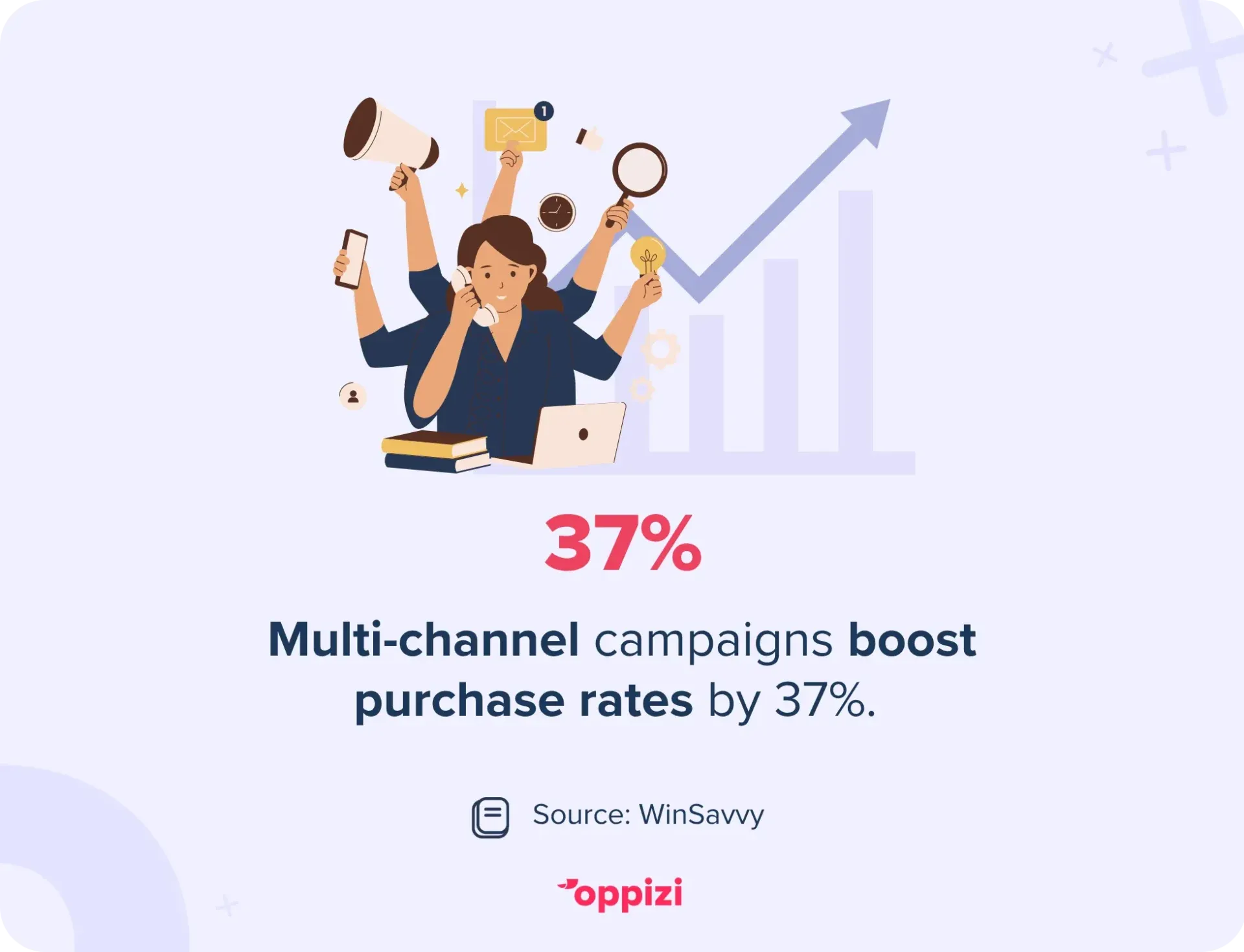
It’s when you use more than one method to reach your audience. For example, you might hand out flyers and also send postcards. Or put up posters and run a booth at a local event. Marketing through different channels, rather than just one, can boost purchase rates by 37%.
Most guides talk about online ads or emails. But here, we're focusing on the real world. Things people see, touch, or experience in person.
You’re not replacing your digital marketing. You’re adding to it. That way, you can connect with people in more places, whether they’re online or walking down the street. This approach doesn’t just strengthen your marketing. It also supports business development and sales by opening more paths for conversations, leads, and conversions.
Why offline marketing still works
Not everyone lives online. And even those who do don’t always trust what they see there. Offline marketing gives you a few big advantages:
- It sticks. People remember things they hold in their hands, like a flyer or a postcard.
- It feels real. A printed message often feels more personal and trustworthy.
- It stands out. There’s less clutter offline, so your message is more likely to get noticed.
Offline and online can work together. If someone sees your brand in both places, it reinforces your message.
Why use more than one offline channel?
Mixing different offline methods can help you reach more people and get them to take action. Here’s what a multi-channel offline campaign can do:
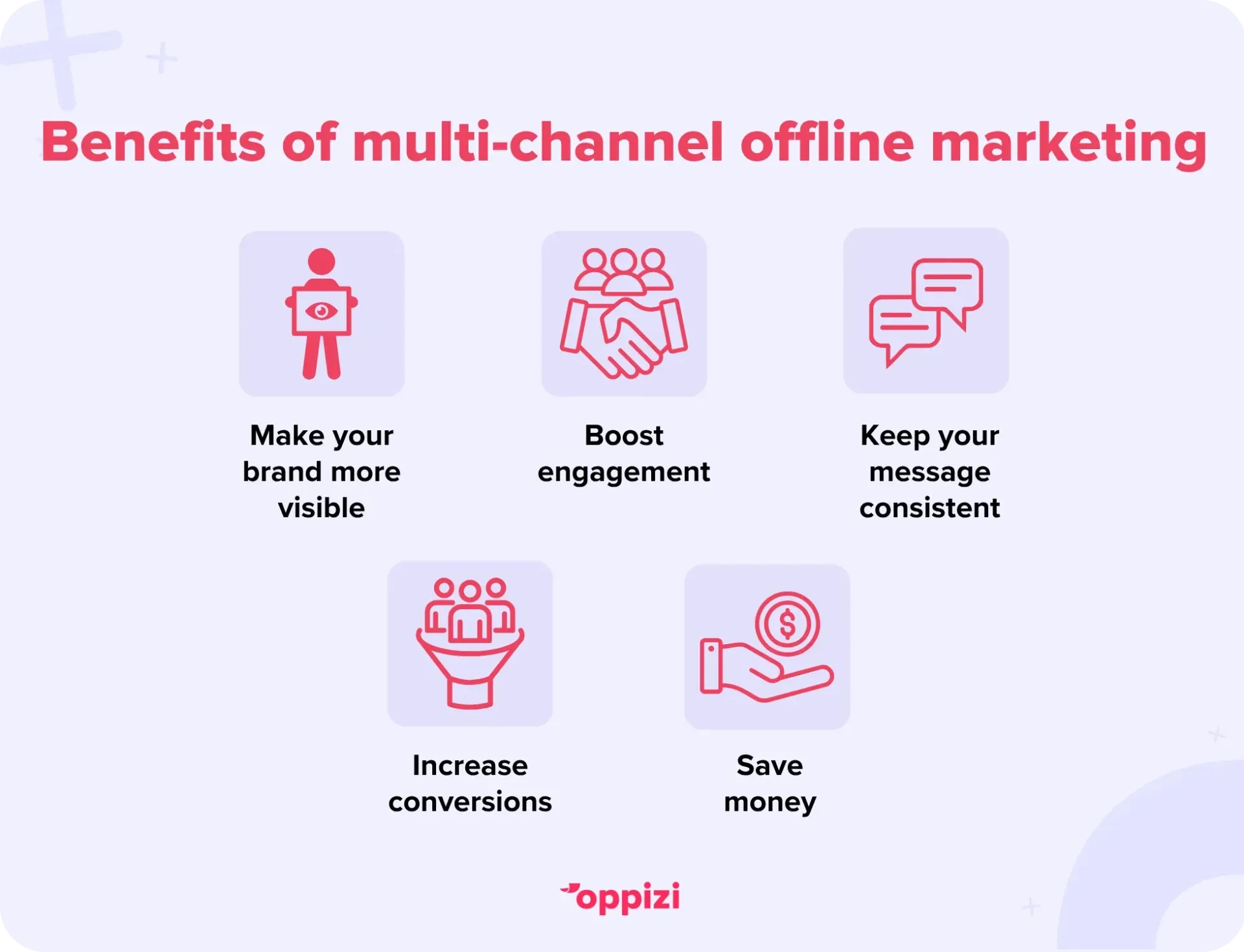
1. Make your brand more visible
You’re not limited to one place. You might put posters in coffee shops, hand out flyers at events, and send postcards to nearby homes. Each one helps people notice you.
2. Boost engagement
You can use offline to drive people online. A flyer with a QR code might send them to your website or Instagram page.
3. Keep your message consistent
Using more than one channel gives you more control. You can make sure your logo, tone, and message stay the same everywhere.
4. Increase conversions
The more times people see your brand, the more likely they are to act. Seeing the same message in different places builds trust.
5. Save money
If you test and track each channel, you’ll learn what works. That way, you can focus your budget on what gets the best results.
Step-by-step: How to run a multi-channel offline campaign
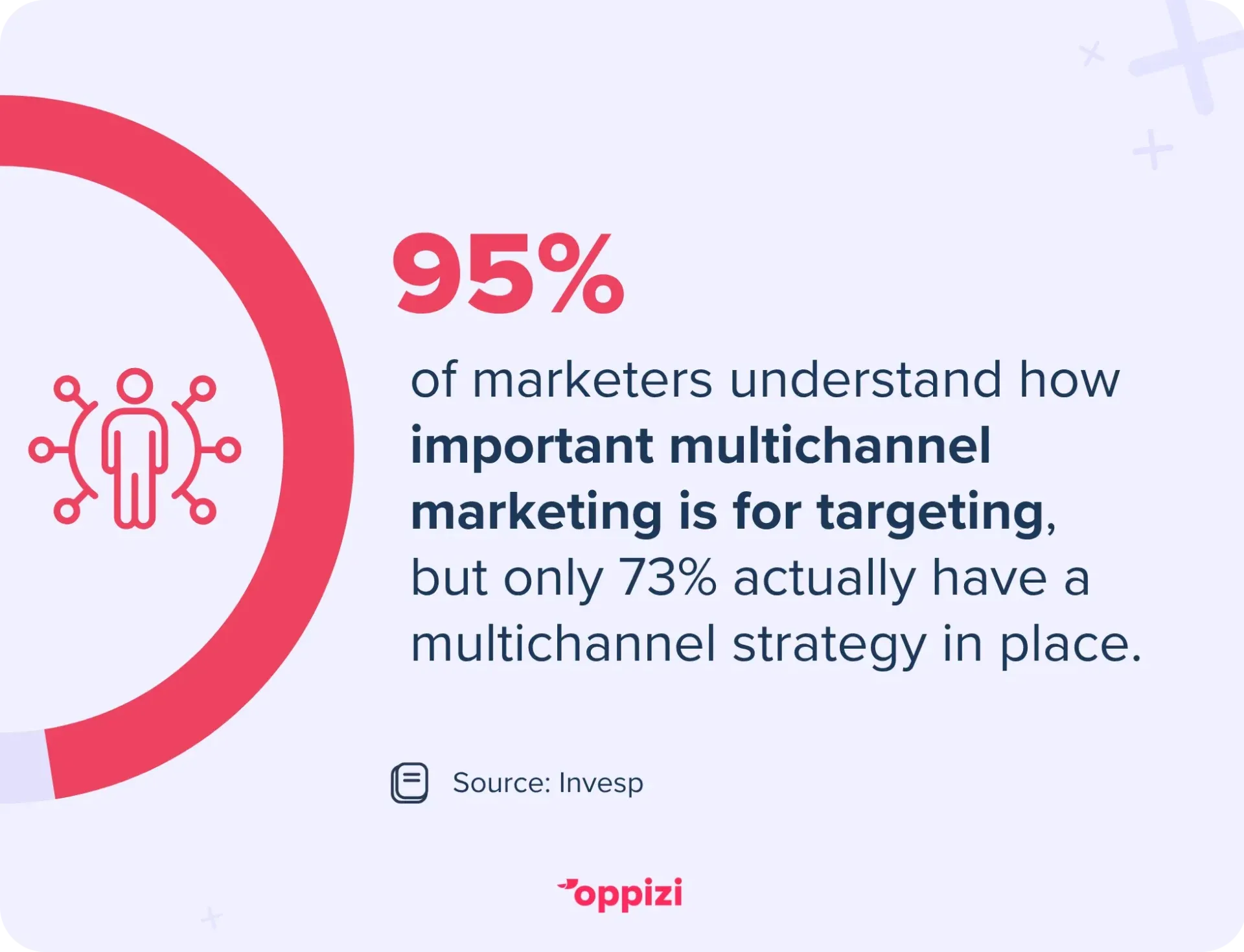
While 95% of marketers know multichannel marketing is key to effective targeting, just 73% have a multichannel strategy ready to go. If this is your first time doing this, don’t stress. Here’s how to build your campaign from start to finish.
Step 1: Know who you’re talking to
Before you create anything, get clear on your audience. Ask yourself:
- Where do they live or work?
- What do they do every day?
- What offline ads or signs do they actually notice?
- What problem can you help them with?
The more specific you are, the better your campaign will perform. A message for everyone usually gets ignored.
Tip: Start small. Try one area or neighborhood before going bigger.
Step 2: Pick the right channels
You don’t need to use every offline method. Choose what fits your audience and your goals. Here are some good options:
Flyer distribution
Flyers are quick, low-cost, and great for local reach. Hand them out near schools, offices, or busy streets. Make the design simple and bold. Always include a clear call to action.
Direct mail
Send postcards or letters straight to homes. People tend to pay more attention to real mail, especially when it feels personal.
Billboards and posters
Good for brand awareness. Choose spots your customers walk or drive past often.
Street teams or brand ambassadors
Sometimes, a real person makes all the difference. Hire people to talk to potential customers, hand out samples, or answer questions on the spot.
In-store signs and promotions
If you have a shop or partner with one, use that space. Posters, banners, and shelf displays help remind people of your offer.
Examples:
- If you're opening a bubble tea shop near a university, try handing out flyers and offering samples around campus at lunchtime. Make the flyer bright and fun. Add a QR code that links to a discount or loyalty sign-up.
- If you sell high-end insurance, a printed letter works better. Send it to homeowners in certain zip codes. Add a real testimonial and a link they can type in to book a call.
Bottom line: Pick the channel your audience is most likely to notice and respond to, not just the one that’s cheapest.
Step 3: Keep your message the same everywhere
No matter which offline tools you use, your message should sound the same on all of them. Keep it simple. Ask:
- What are you offering?
- Why should someone care?
- What do you want them to do next?
Example:If your digital ads say “Try Our New Meal Plan Today,” your flyers should say the same thing. Repeating the same message across different places helps people remember you.
Step 4: Connect offline with online
Your offline campaign should lead people somewhere. The best results come when your offline and online efforts work together.
Smart ways to link them:
- QR CodesThese are a must. Use a dynamic QR code so you can change where it goes later. For example, link to a sign-up page during the campaign, then switch it to your homepage when the offer ends.
- Short URLsMake links short and easy to type. Use tools like Bitly or Rebrandly to track clicks.
- Coupon CodesUse different codes for each channel, like FLYER10 or MAIL20. This helps you see which ones bring in sales.
- Social Tags and HashtagsAsk people to tag your business or use a hashtag. It helps you track how your offline efforts show up online.
- RetargetingIf someone scans your QR code but doesn’t buy, you can follow up with online ads if you’ve set up tracking on the landing page.
Example:A local bakery hands out flyers with a QR code for 10% off. People scan the code and enter their email to get the discount. Now the bakery has a customer list, can send emails, and sees which areas got the most scans. That’s the power of linking offline with online.
Step 5: Use data to get better results
Even if offline is harder to track, you can still measure what’s working, especially if it connects to your online tools.
What to track:
- QR Code ScansSee how many people scanned and when.
- Promo CodesTrack which channels or areas got the most use.
- Landing PagesUse different URLs for different flyer designs or regions.
- SurveysAsk people how they heard about you, at checkout or in a follow-up email.
With this info, you’ll know what to keep doing and what to improve.
Offline metrics to watch:
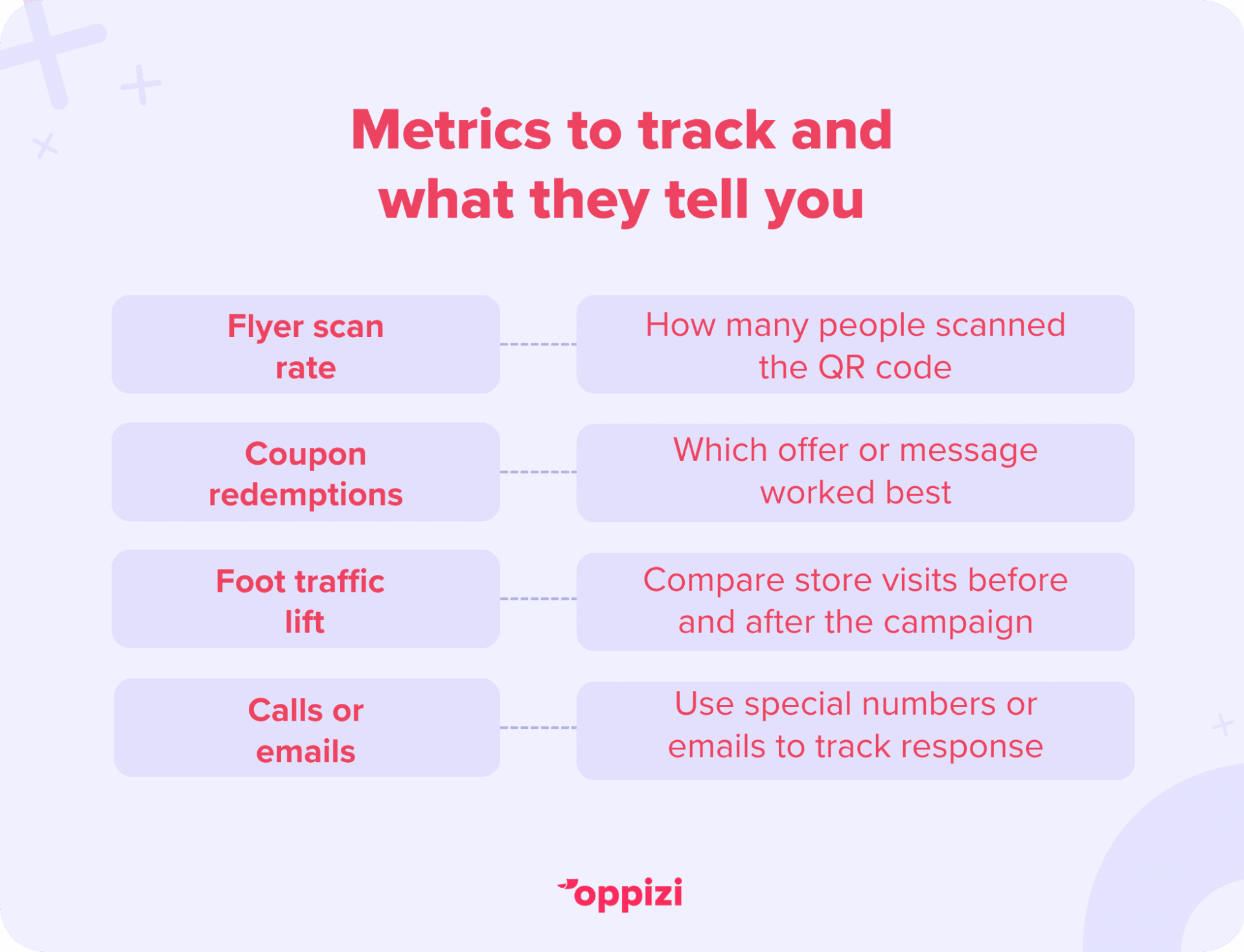
A/B testing ideas:
- HeadlineTry two versions with different headlines and see which QR code gets more scans.
- DesignTest one simple flyer and one with images or color.
- Call to ActionTry “Scan to Win” on one flyer and “Scan to Save” on another.
Example:A real estate company sends 500 postcards to two zip codes. Version A offers a free home evaluation. Version B offers a free market report. Each has a different QR code. Zip code B gets more scans, and the market report brings in more leads. Now they know what to focus on in the next round.
When you track your results, you learn faster. You waste less. And your next campaign performs even better.
Step 6: Line up your timing
If you’re running a campaign, make sure everything goes live at once. Your flyers, direct mail, posters, and online ads should all start the same week. This builds momentum and helps people notice your message in more than one place.
Example:Send out flyers the same week your social media ads launch. Use the same message and design so people can easily connect the dots.
Step 7: Follow the rules and respect people
Check the rules in your area before handing out flyers or setting up street teams. Some places need permits or have limits on where and when you can promote.
Also, be respectful. Don’t interrupt people or invade their space. If your campaign feels pushy, it won’t work.
Know who you’re talking to
Before you pick your channels or write your message, get clear on who you’re trying to reach. A simple profile can help guide your whole campaign.
Example Persona: “Anna, 33, Busy Professional”
- Lives in the city
- Commutes by train
- Buys online but shops in stores on weekends
- Responds to QR codes and flash deals
- Has a short attention span
- Likes brands that feel local and real
Best ways to reach Anna:Flyers at train stations, free samples near lunch spots, posters in coworking spaces. Personas like this help you make smart choices. Without one, you might get the channel right but the message wrong.
Final thoughts: Offline marketing still works
Offline marketing still gets results if you plan it right. Keep it simple. Keep it consistent. Make sure you can measure it.
When your offline and online channels work together, your message feels stronger. People notice.
Whether you’re launching a product, opening a store, or building your brand, offline can help you reach real people in real places.
Ready to start your own offline campaign? Use Oppizi to plan, launch, and track flyer distribution. No experience needed. Real-time results. Full support. Let’s get your brand out there.
Frequently asked questions
- What’s the difference between multichannel and omnichannel marketing?
Multichannel marketing means using different platforms to reach people. You might use flyers, email, social media, or direct mail. Each one works on its own.
Omnichannel marketing connects all those platforms. It creates one smooth experience. For example, someone sees your flyer, scans the QR code, visits your site, and then gets a follow-up email. It all feels like one conversation.
Think of multichannel as being present in many places. Omnichannel is about making those places work together.
- What are the 4 marketing mix strategies?
These are also called the 4Ps:
- Product – What you sell and how it helps people
- Price – What it costs and how it compares
- Place – Where people can get it, like in stores or through flyers
- Promotion – How you tell people about it, like ads or posters
If you’re running an offline campaign, you’re focused on Place and Promotion. That’s how you reach the right people at the right time.
- What are the 7Ps of marketing?
The 7Ps build on the 4Ps and add three more:
- People – Your team and how they treat customers
- Process – How smooth things are, like QR code flow or how fast offers are redeemed
- Physical Evidence – Things people can touch or see, like flyers, packaging, or signs
Offline marketing helps a lot here. It makes your brand feel real and builds trust.
- Can you really track offline marketing?
Yes. And it’s easier than you might think.
Use QR codes, short URLs, coupon codes, or a phone number just for the campaign. You can see how many people respond and where they come from. You can also track things like foot traffic or redemptions. It’s not instant, but it works.
- How do I pick the right offline channels?
Start with your audience. Where do they go? What do they like?
Students might notice flyers or samples near campus. Families might respond to direct mail. Try small tests to see what works before doing more. The best mix depends on your goal and who you're trying to reach.