Last updated July 23, 2026
QR codes have become essential tools for both businesses and consumers, enabling instant access to digital resources from websites to seamless Wi-Fi connections. They’re easy to use and versatile, making them ideal for marketing, customer engagement, and efficient information sharing.
Whether you’re looking to streamline customer interactions or enhance your brand’s reach, understanding the variety of QR code types can unlock new possibilities for connecting with your audience, enhancing user experiences, and driving engagement across various platforms.
This article will explore 10 different types of QR codes and teach you the benefits of using them across multiple platforms, helping equip you with the information you need to best engage with your audiences. Let’s get started!
1. Website QR Codes
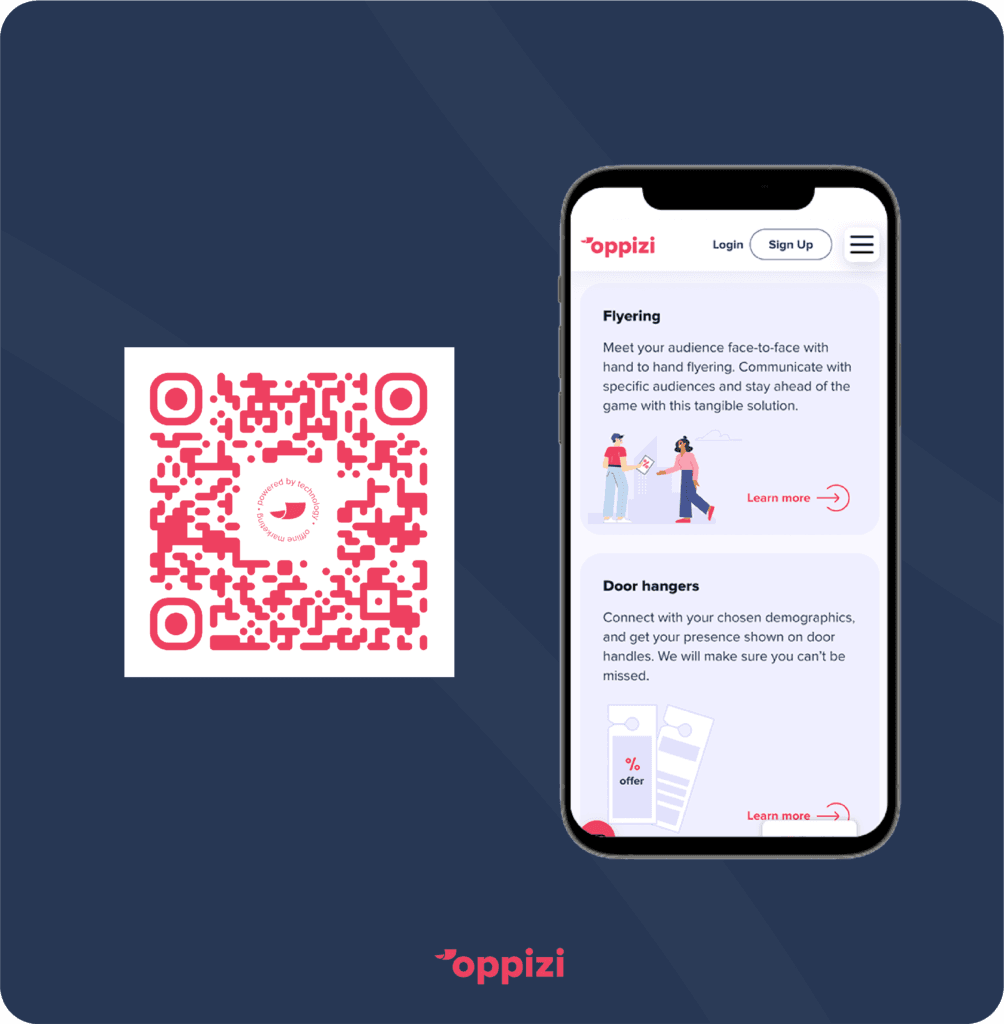
Website QR codes directly link users to any website, making it simple to drive traffic to a webpage with just a scan. You’ll often see these on business cards, flyers, posters, or product packaging. They are a great way to enable quick access to a website without the hassle of typing out URLs.
Benefits
- Boost Traffic: Website QR codes encourage users to visit websites they might otherwise skip.
- Easy to Update: Use dynamic QR codes for easy URL changes, so you never have to reprint the code.
- Effective in Print Marketing: Place these on print ads to extend your brand’s reach online.
2. Email QR Codes
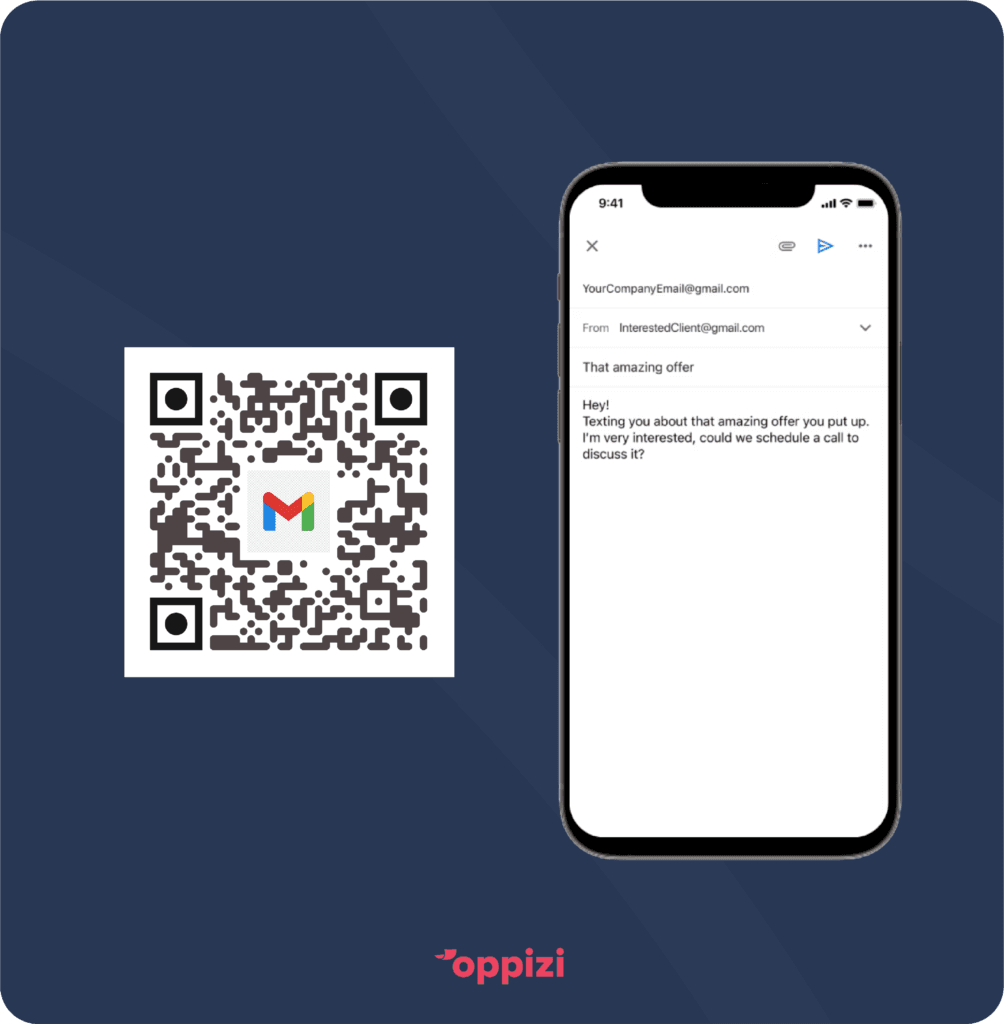
An email QR code simplifies the process of contacting someone via email by generating a QR code that, when scanned, opens a pre-composed email with the recipient address, subject line, and even body text already filled in. They allow scanners to quickly send emails by providing the necessary information and are great for prompting customer inquiries, providing feedback, or sharing promotions.
Benefits
- Increases Response Rates: Simplify the email-writing process, making it easy for users to respond.
- Personalized Communication: Add custom messages or requests within the email template.
- Ideal for Feedback: Useful for businesses seeking feedback or customer input.
3. Image QR Codes
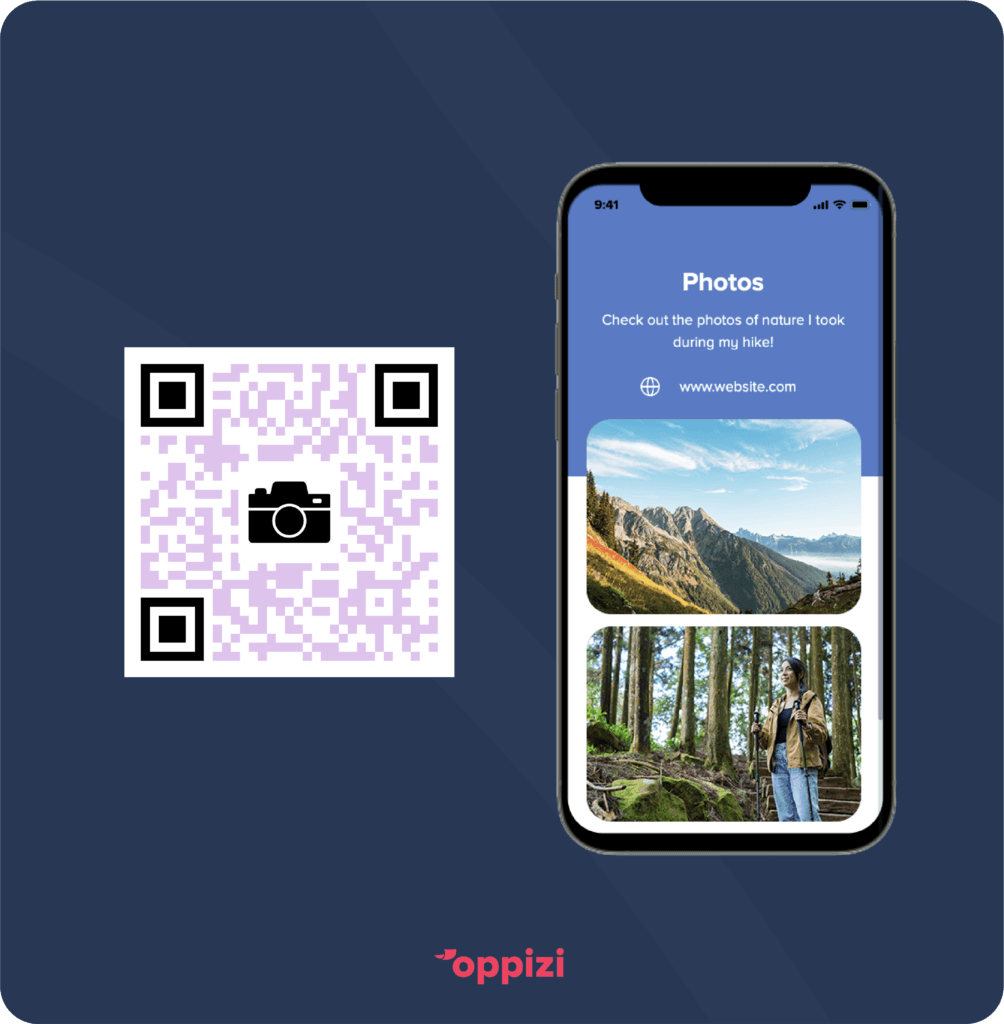
Image QR codes direct you to view an image or an entire image gallery, which can be very useful for portfolios, art pieces, or product images. These QR codes are used in a variety of contexts, such as in museums to provide additional visuals or artwork details, on real estate listings to show property photos, or on product packaging to display images of usage ideas and detailed views.
Benefits
- Enhanced Visual Experience: Allow users to view high-resolution images directly.
- Space-Saving: Showcase a full gallery without overcrowding print materials.
- Improves Marketing Impact: Provide a richer visual story for users.
4. PDF QR Codes
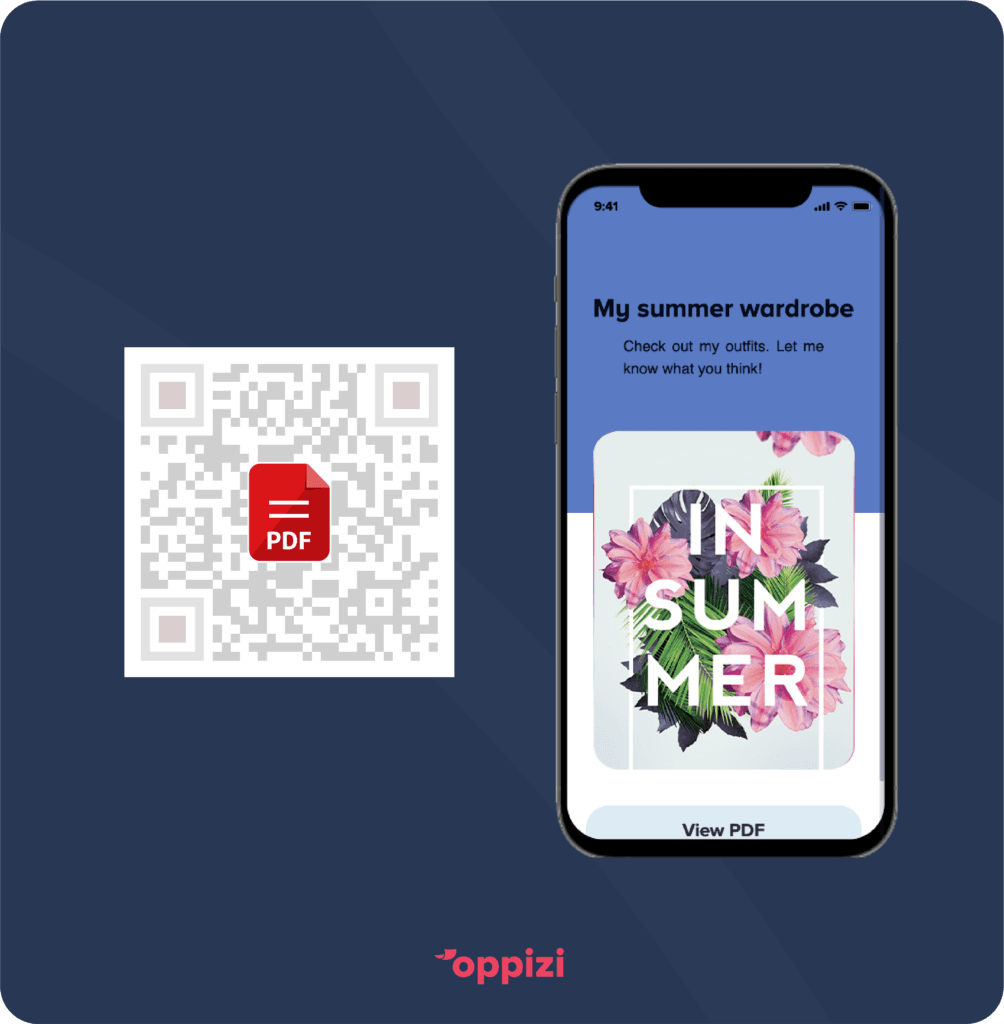
PDF QR codes enable access to documents such as product manuals, catalogs, white papers, or event schedules. These are especially handy in places like conferences, stores, or trade shows where visitors need detailed information.
By scanning the PDF QR code, users can view or save the document on their phone, tablet, or computer, reducing the need for printing and making information readily available anytime. They’re especially useful in dynamic environments like restaurants, where information may need frequent updates.
Benefits
- Saves on Printing: Reduces the need for lengthy printed materials, promoting sustainability.
- Dynamic Information Sharing: Update the PDF content anytime with a dynamic QR code.
- Ideal for Resource Sharing: Perfect for distributing brochures, schedules, or instructions digitally.
5. vCard (Digital Business Card) QR Codes
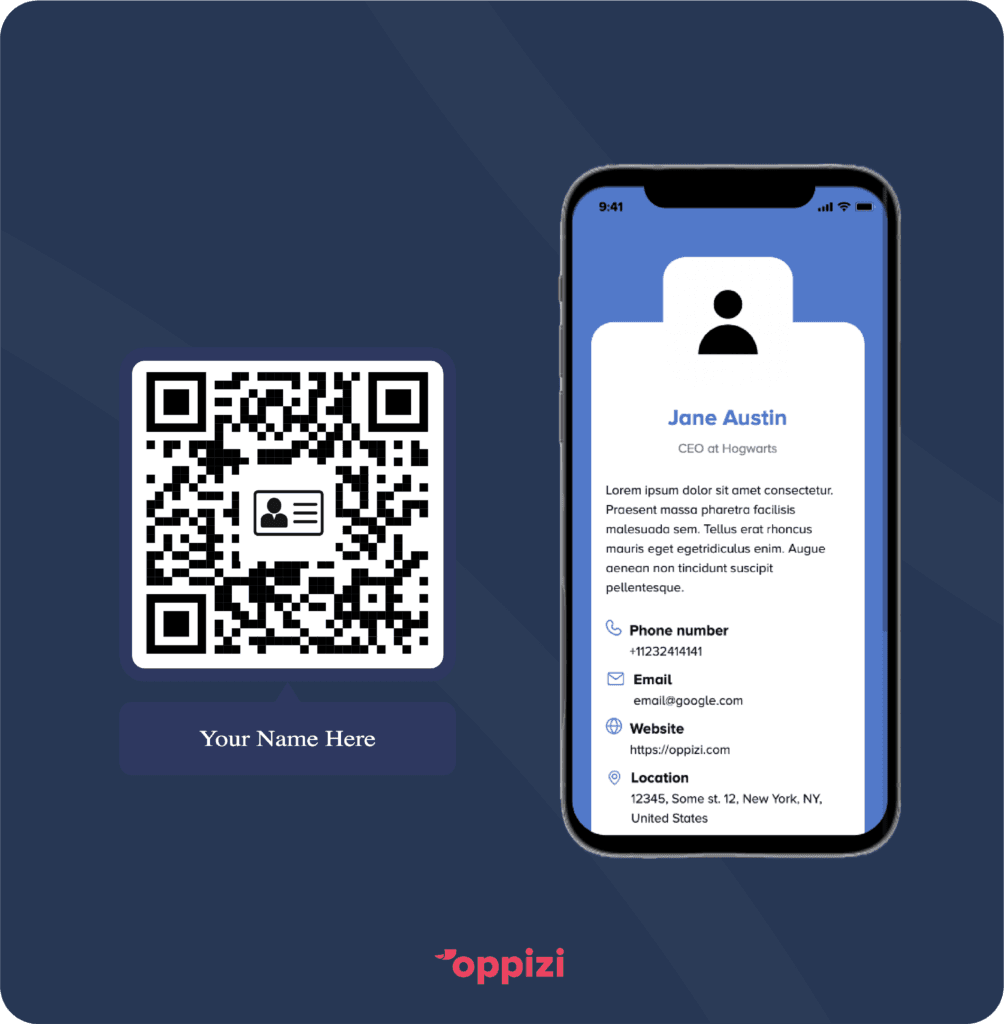
A vCard QR code allows users to share their contact information instantly by encoding a digital business card, or vCard, within a QR code. When scanned, this QR code prompts the user’s device to save the contact information, including name, phone number, email address, company, job title, and even a website or physical address.
This eliminates the need for manual entry, reducing the risk of errors and making networking fast and efficient. They’re particularly popular on business cards, email signatures, or event badges.
Benefits
- Streamlined Networking: Instantly adds contact details to digital devices.
- Professional First Impression: Shows technological savvy and saves recipients’ time.
- Encourages Connection: Makes it easy for potential clients or partners to connect.
6. SMS QR Codes
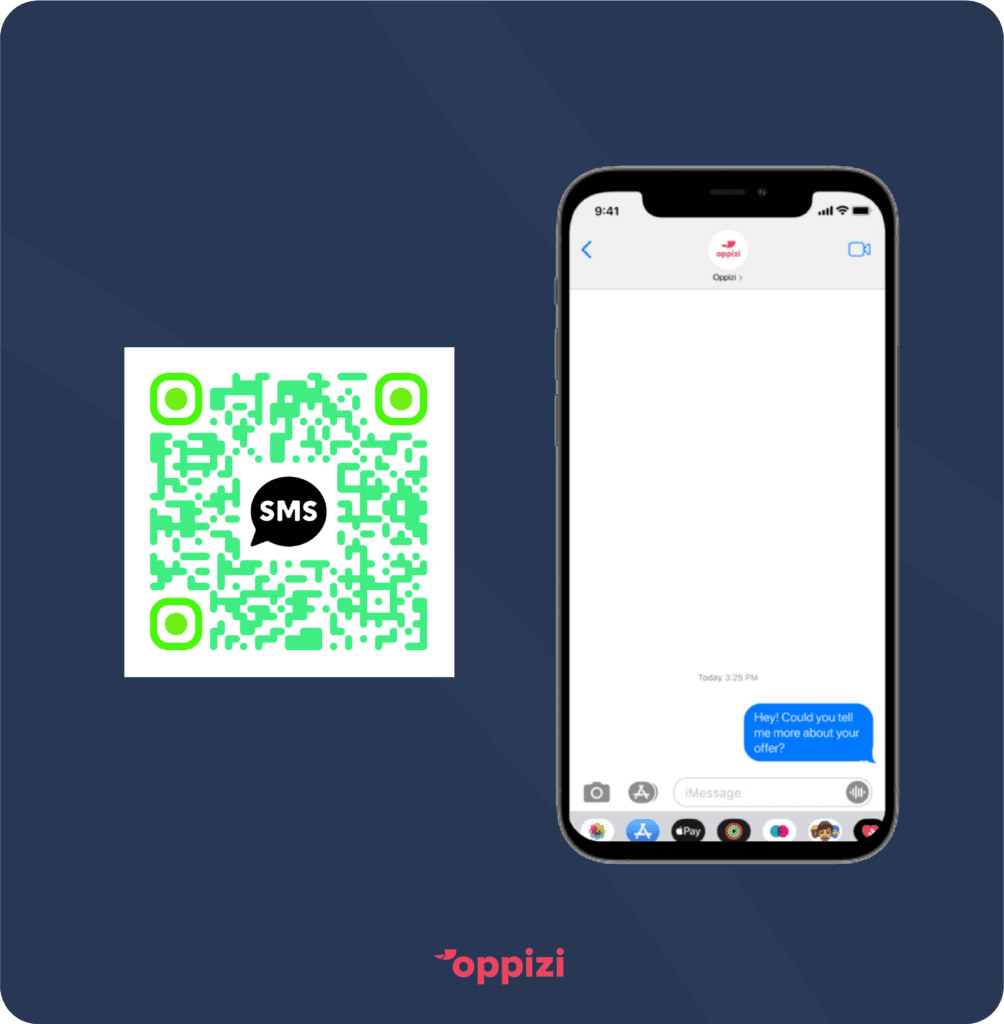
SMS QR codes automatically open the user’s SMS app with a pre-filled message ready to be sent to a specific phone number. This form of contact is especially effective for users on mobile devices, offering an instant way to interact with brands or organizations. SMS QR codes can be highly useful in marketing campaigns, event registrations, customer feedback collection, and support services.
Benefits
- High Engagement Rates: SMS remains one of the most direct ways to reach users.
- Quick Customer Interaction: Provides a direct and fast way for users to interact.
- Effective for Polls and Feedback: Prompts instant feedback or votes.
7. Event QR Codes
An event QR code simplifies event management by providing quick access to key event details, like venue location, agenda, registration links, or even tickets. When attendees scan an event QR code, it can direct them to a webpage, calendar invitation, or registration form, instantly giving them the information they need without extra steps. These QR codes are often used on event posters, invitations, social media, or websites.
Benefits
- Increases Attendance: Makes it easier for users to remember and attend events.
- Simplifies Event Planning: Attendees receive automatic reminders on their phones.
- Saves Space on Print Materials: Event details can be extensive; QR codes avoid crowding flyers or invites.
8. Social Media QR Codes
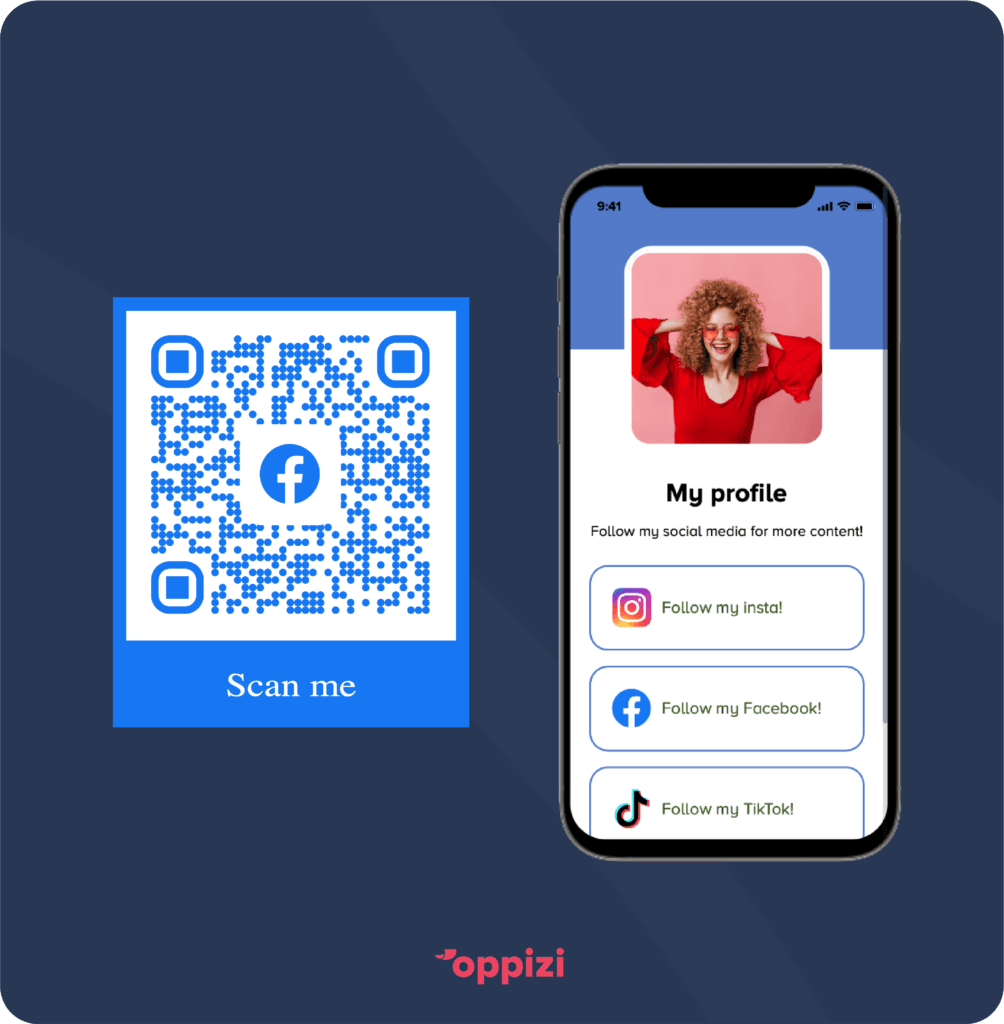
Social media QR codes take users directly to a specific social media page, post, event, or profile, making it easier for businesses, brands, or individuals to connect with their audience online. They’re commonly used on printed materials, websites, product packaging, and in-store displays, giving people a quick and effortless way to follow, like, or engage with the page.
Benefits
- Increases Social Media Engagement: Drives users to like, share, or comment on content.
- Promotes Brand Visibility: Enhances brand awareness and customer connection.
- Improves Campaign Reach: Perfect for print ads, email signatures, and other promotional materials.
9. Wi-Fi QR Codes
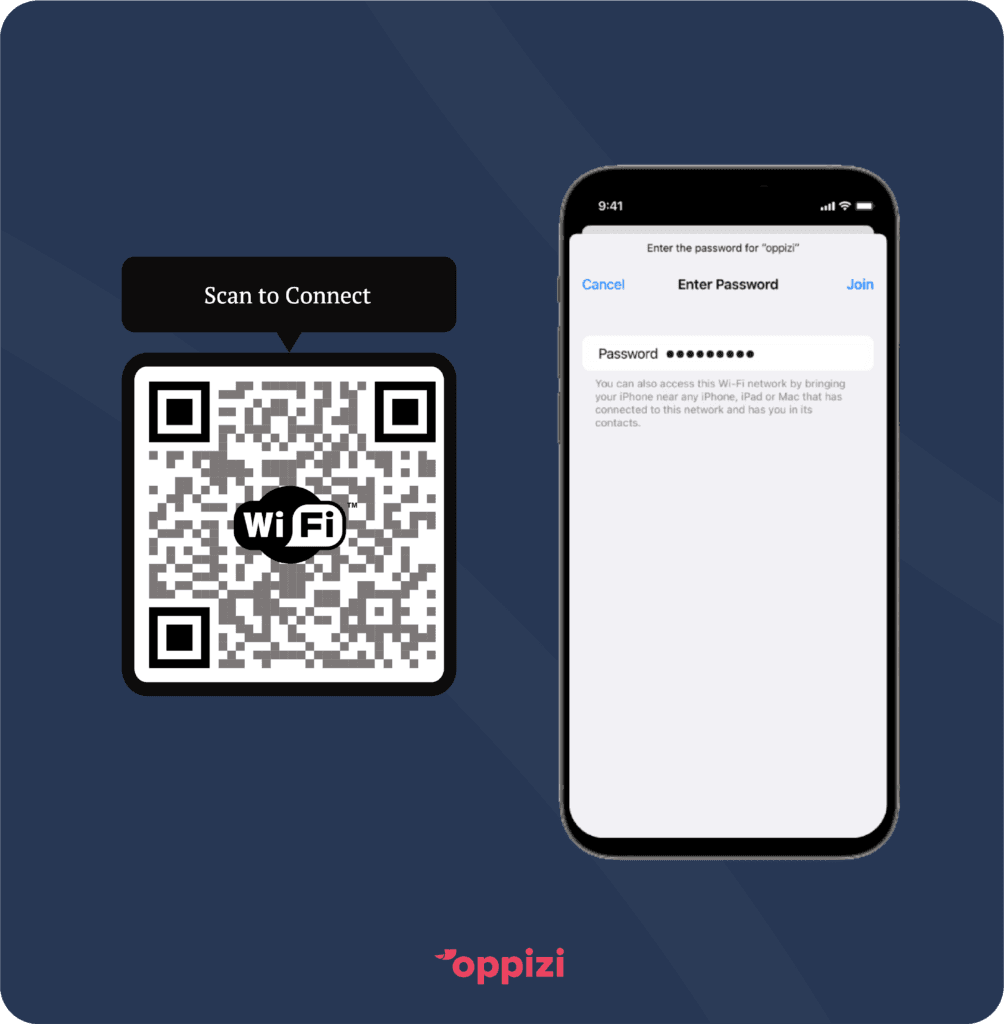
Wi-Fi QR codes allow users to connect to a WiFi network instantly by simply scanning the code, without needing to manually enter the network name or password. This type of QR code is especially useful in places where convenient internet access is valued, such as cafes, hotels, offices, and public venues.
With Wi-Fi QR codes, businesses are able to offer internet access as a value-added service, which promotes a more connected and customer-friendly environment.
Benefits
- Enhanced User Convenience: Users can access Wi-Fi without entering a password.
- Reduced Support Queries: Saves staff time by minimizing questions about Wi-Fi access.
- Encourages Longer Visits: Provides visitors with Wi-Fi access to enhance their stay.
10. Video QR Codes
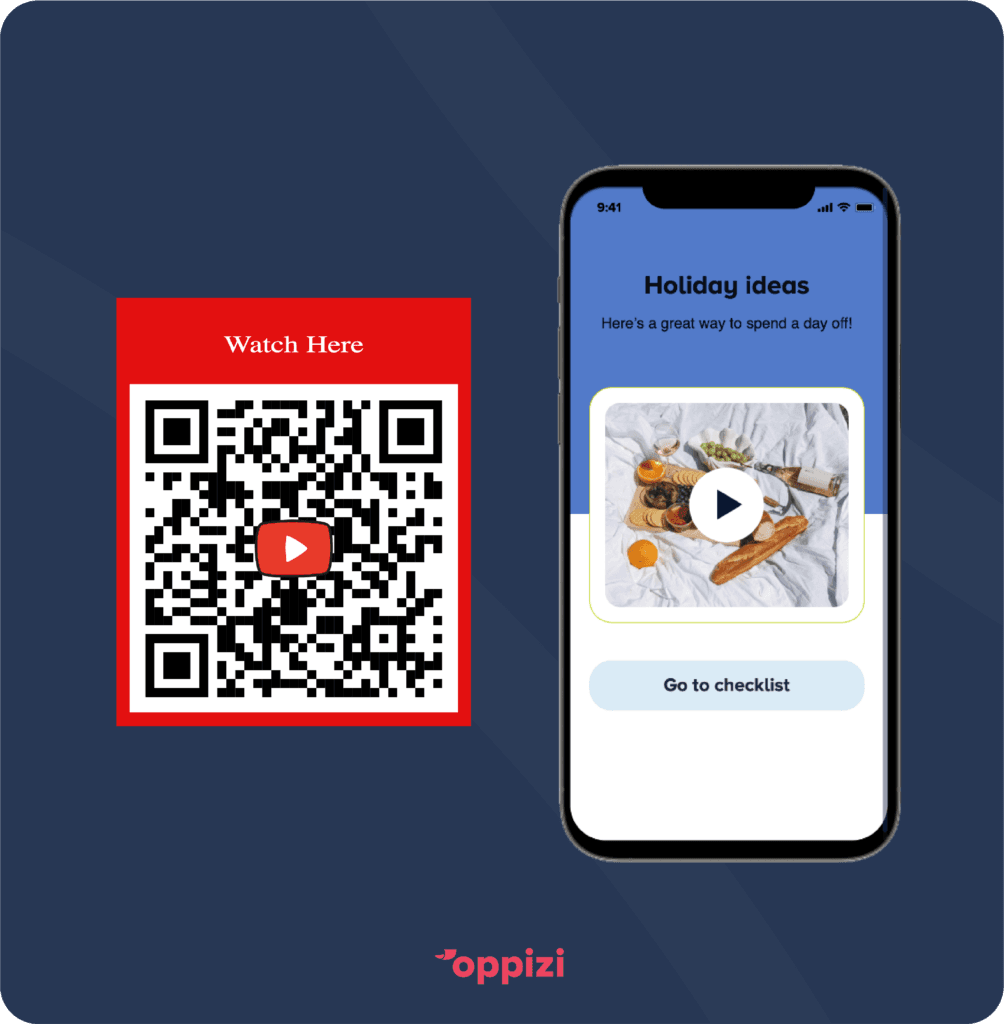
Video QR codes direct users to a specific video or playlist, which can include promotional videos, tutorials, event highlights, or product demonstrations. They are highly versatile and are often placed on print media, product packaging, brochures, or business cards, providing an engaging way for users to learn more about a product, service, or event without searching for the content manually.
Benefits
- Boosts Engagement: Video content is a highly effective tool for capturing attention.
- Adds Educational Value: Great for tutorials or explainer videos, enriching the customer experience.
- Effective for Marketing: Adds a multimedia element to marketing strategies, helping users connect with products and services.
Why Use QR Codes in Your Business?
With the use of this variety of QR codes, companies and organizations are able to simplify user experiences, reduce effort, and seamlessly connect users to digital resources. Here’s why they’re an indispensable tool for your marketing efforts:
- Efficiency: QR codes replace manual entry with instant access.
- Versatility: From PDFs to videos, there’s no limit to the information QR codes can share.
- Cost Savings: Reduce paper and printing costs by offering digital resources.
- User Engagement: QR codes drive interaction, making it easier for users to take the next step with your brand.
Final Thoughts
QR codes are versatile, user-friendly tools that can transform marketing strategies, customer engagement, and information sharing. Whether you’re leading users to a website, connecting them to Wi-Fi, or guiding them to a video, QR codes make accessing digital content easier than ever.
Incorporating these codes into your offline marketing efforts can significantly impact user experience and interaction, driving results across your digital and physical touchpoints.
Looking to engage with your audience through your own QR code? Try Oppizi’s free QR code generator now and take your marketing to the next level!