Last updated July 23, 2026
Quick Response (QR) codes have evolved from simple black-and-white squares into powerful tools that bridge the physical and online worlds. Originally designed in Japan in 1994 as a means for tracking automotive parts, their versatility has led to widespread use across various industries.
In this article, we'll explore creative applications of QR codes and provide insights into how you can harness their potential.
1. Enhancing marketing campaigns
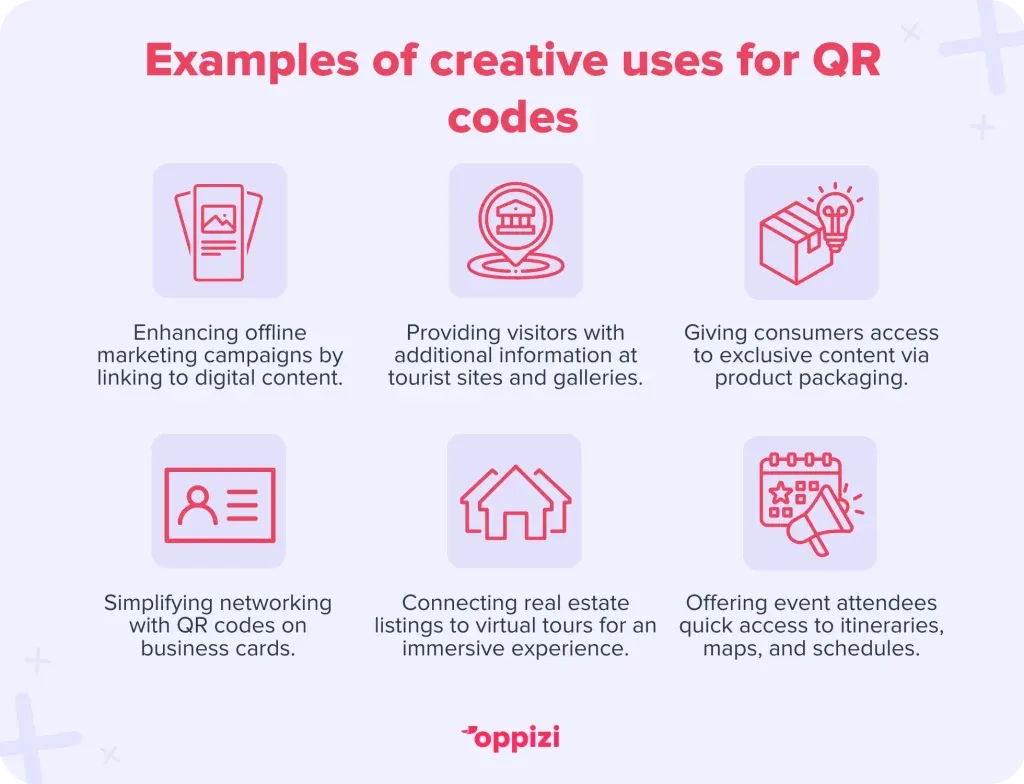
Marketers are continually seeking innovative ways to engage consumers, and QR codes have become a valuable asset in marketing materials. By incorporating QR codes into print advertisements, billboards, and product packaging, brands can direct consumers to landing pages, promotional videos, or special offers.
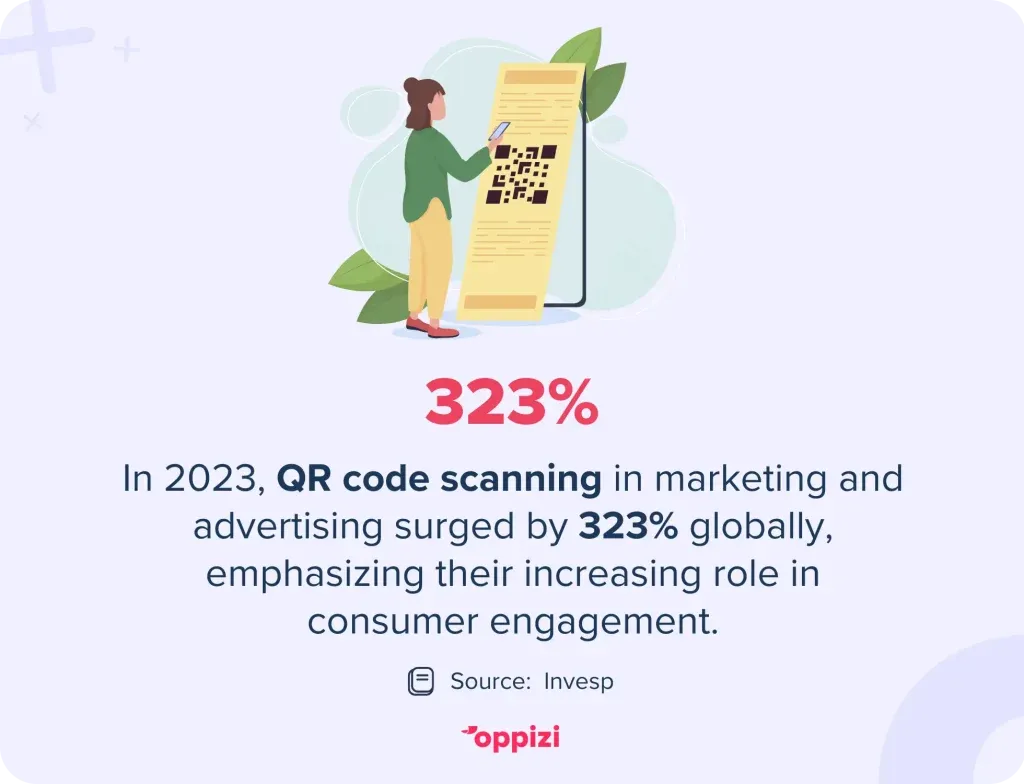
For example, a YouTube QR code takes customers straight to your video, so they don’t have to navigate anywhere. This seamless integration enhances user experience and provides measurable engagement metrics. QR code scanning in marketing and advertising increased by 323% worldwide in 2023, highlighting their growing importance in consumer engagement.
2. Facilitating contactless payments
The rise of contactless payments accelerated during the global pandemic, with QR codes playing a pivotal role. The QR code payment market is expected to reach $35.07 billion by 2030. Consumers can make secure transactions or donations by scanning a QR code, reducing physical contact and streamlining the payment process.
3. Streamlining logistics and inventory management
In the logistics and transport sector, QR codes are utilized to track shipments, manage inventory, and streamline warehouse operations. By scanning a QR code, employees can access real-time information about a product's location, shipping status, and destination, improving efficiency and accuracy.
4. Enhancing customer engagement in retail
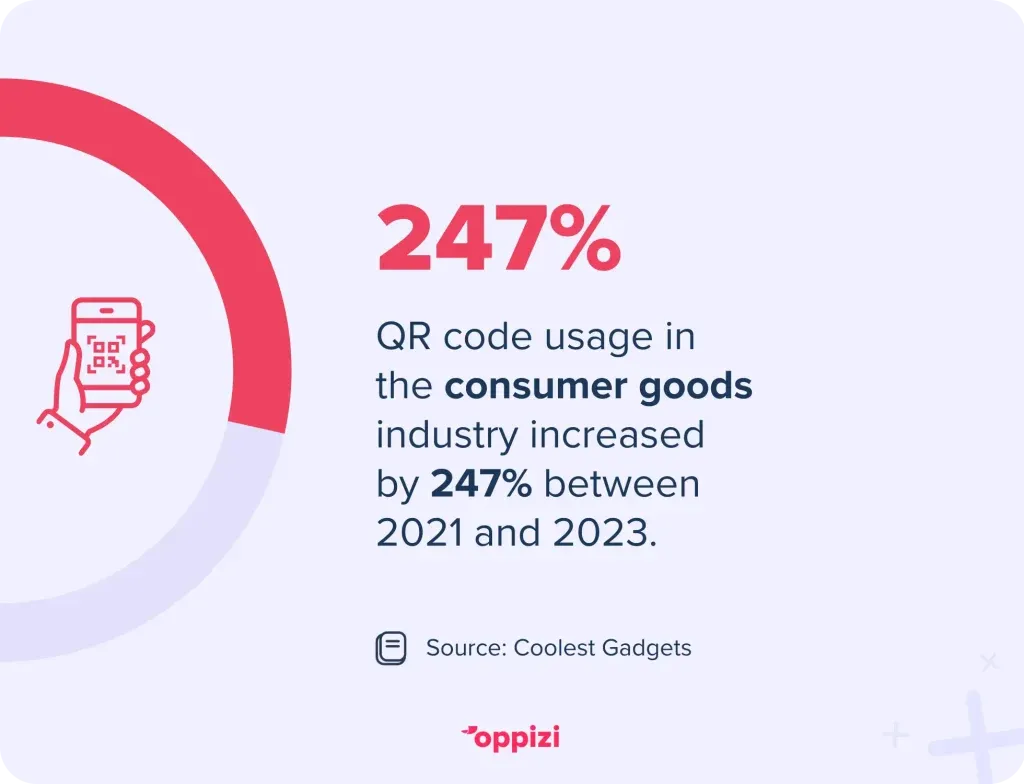
Retailers can leverage QR codes to provide customers with detailed product information, reviews, and personalized recommendations. In fact, the consumer goods industry saw a 247% rise in QR code use between 2021 and 2023. By scanning a QR code on a product, shoppers can check online availability in other sizes or colors and even use virtual try-on features.

5. Revolutionizing the dining experience
The food and beverage industry is one of the biggest adopters of QR codes, with 88% of restaurant owners planning to replace physical menus with digital ones. Cafes and restaurants often use QR codes to offer contactless menus, allowing patrons to browse offerings, place orders, and make payments using their smartphones. This not only reduces the need for physical menus but also enables dynamic updates to menu items and prices without the need for reprinting.
6. Facilitating event management
Event organizers are incorporating QR codes into tickets and promotional materials to streamline entry processes and provide attendees with event schedules, maps, and real-time updates. This enhances the overall experience of the event and reduces reliance on printed materials.
7. Supporting educational initiatives
Schools and education centres can utilize QR codes to share resources, assignments, and supplementary materials with students. By scanning a code, students can access videos, articles, or interactive content that complements their learning experience. The use of QR codes can also improve student engagement in their lessons.
8. Simplifying health and safety management
During health crises, such as during the Covid-29 pandemic, QR codes have been instrumental in contact tracing efforts, disseminating healthcare information, and managing vaccination records. For instance, individuals can scan a QR code to access vaccination sites, schedule appointments, or receive updates on health guidelines.
9. Enabling virtual tours and experiences
Museums, art galleries, and tourist attractions often integrate QR codes to offer virtual tours, detailed exhibit information, and augmented reality experiences, enhancing visitor engagement. For example, a QR code placed beneath a painting’s description in an art gallery can direct visitors to a site with more information about the artist, as well as the history and significance of the artwork.
10. Simplifying Wi-Fi access
Establishments like cafes and hotels are using QR codes to provide guests with instant Wi-Fi access. By scanning the code, users can conveniently connect to the network without manually entering credentials, improving user satisfaction.
11. Facilitating product authentication
Brands are combating counterfeit products by embedding QR codes that verify authenticity. Consumers can scan the code to confirm a product's legitimacy, access warranty information, receive support, or even obtain authentication codes via QR codes for SMS, thereby building trust and protecting brand integrity.
12. Enhancing packaging with interactive content
With limited space available on product packaging, many companies now opt to use “smart packaging,” which involves an interactive technological element, such as QR codes, to engage customers. The smart packaging industry is estimated to be worth roughly $31.74 billion, reflecting its growing significance in consumer engagement. By integrating QR codes, consumers can access recipes, tutorials, or brand stories, adding value beyond the physical product.
13. Supporting sustainability efforts
Some companies use QR codes to share information about their sustainability initiatives, recycling programs, and environmental impact. This transparency educates consumers and encourages environmentally conscious decisions.
14. Enabling digital business cards
Professionals are adopting QR codes on business cards or for vcards to share contact information, portfolios, and social media profiles. For example, a business that relies on its Instagram channel can quickly create an Instagram QR code that lets users reach its profile with a simple scan. This modern approach allows for seamless networking and contact sharing.
15. Facilitating feedback collection
Businesses often place QR codes on receipts, product packaging, or at points of sale to encourage customers to provide feedback. This real-time data collection boosts customer engagement and aids in improving products and services.
16. Enhancing public transportation systems
Commuters can access schedules, route maps, and ticketing options by scanning QR codes at bus, tram, or train stations, improving the overall efficiency of public transportation systems.
17. Supporting contactless hotel check-ins
Some hotels offer contactless check-ins by using QR codes, allowing guests to access their rooms, hotel amenities, and information on local attractions seamlessly.
18. Enabling smart city initiatives
Cities worldwide are integrating QR codes to enhance urban living. From bus stop schedules to waste management updates, QR codes allow residents to access essential city services conveniently. Some towns and cities also use them to share historical information about landmarks, creating interactive tourism experiences.
19. Personalizing customer loyalty programs
QR codes can be used by the likes of restaurants or retailers to streamline loyalty programs. Instead of carrying physical punch cards, customers can scan QR codes to earn and redeem rewards instantly. This digital approach enhances customer engagement and provides businesses with valuable consumer data.
20. Bridging the gap in real estate
By placing QR codes on property listings, real estate agents allow potential buyers to access virtual tours, pricing details, and agent contact information with a single scan. This simplifies the house-hunting experience and helps buyers make informed decisions quickly.
QR code trends are always changing. More people are using them, industries are adopting them, and AI and other technologies are making them even more powerful. Nowadays, there are even plenty of ways to use QR codes for earning money. Staying current will help you get the most out of your QR codes.
FAQs about QR codes
Are QR codes safe to use?
Yes, QR codes are safe when used from reputable sources. However, avoid scanning codes from unknown or suspicious locations to prevent security risks.
What industries benefit most from QR codes?
Many industries like retail, hospitality and real estate can benefit from implementing QR codes, due to their ability to enhance customer engagement and streamline processes.
How do I create my own QR code?
You can generate a QR code for free using Oppizi’s QR code generator. Simply enter the information you want to share, customize the design with your own branding, and download it instantly for easy sharing.
Conclusion
The versatility of QR codes makes them an invaluable tool across multiple industries, with a wide range of creative applications. Whether you're looking to enhance customer engagement or streamline operations, QR codes offer an efficient and cost-effective solution.Now that you’ve explored their innovative uses, why not create your own? Get started with Oppizi’s free QR code generator and unlock endless possibilities today!