Last updated July 23, 2026
Nonprofits, charities, and fundraisers increasingly turn to QR codes as a convenient solution for accepting donations. With the growing use of smartphones, QR codes have emerged as an efficient way to streamline the donation process and connect with donors. This article explores how QR codes work, their benefits to fundraising efforts, and best practices for implementing them effectively.
What are QR codes?
QR (Quick Response) codes are two-dimensional barcodes that can be scanned using smartphones, tablets, or QR code readers. Unlike traditional barcodes, QR codes can store more information, such as URLs, text, payment details, or contact information. Once scanned, a QR code can redirect the user to a webpage, social media platform, donation portal, or payment platform without requiring them to search or manually type in a link.
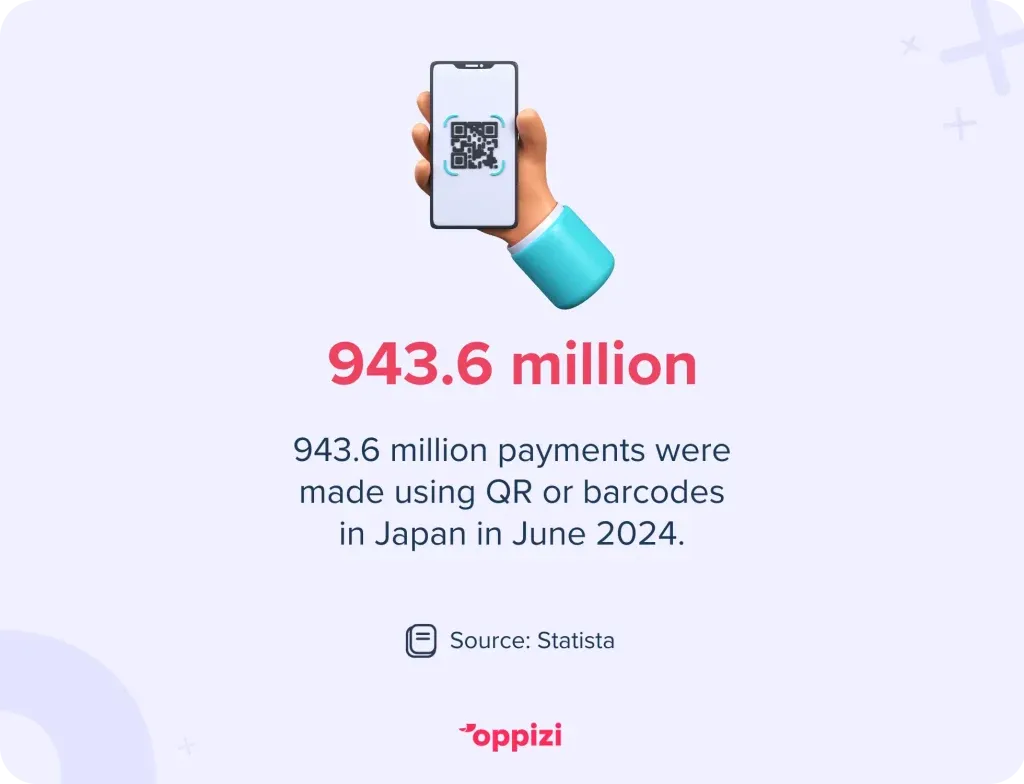
In Japan in June 2024, around 943.6 million payments were made using QR and barcode payments. The convenience and speed of QR codes have made them increasingly popular across various industries, including retail, marketing, and, more recently, fundraising.
Why use QR Codes for donations?
QR codes simplify the donor experience by making it easier than ever to contribute. Here's why QR codes are a game-changer for donation campaigns:
1. Ease of use
Donors no longer need to navigate through lengthy URLs, search for websites, or fill out forms manually. With a quick scan of a QR code, they can be directed straight to a secure donation page or payment app. This seamless experience reduces barriers to giving and increases the likelihood of completing a donation.
2. Contactless giving
Nowadays, contactless transactions are not just convenient but often preferred, particularly as many people don’t carry cash anymore. QR codes enable donors to give without handling cash, touching payment terminals, or even speaking to someone in person. This makes them an ideal option for events, fundraisers, or outreach campaigns.
3. Accessibility for all ages
Smartphones have become almost universal, and scanning QR codes is second nature for most people, regardless of age, making QR codes make giving accessible for all.
4. Cost-effective implementation
Creating a QR code is simple, fast, and free with countless tools available online, such as Oppizi. Once created, QR codes can be printed on posters, flyers, event materials, social media posts, and email campaigns. This versatility makes them an affordable solution for any fundraising effort.
5. Trackable and scalable
Many QR code generators offer analytics to track scans, user location, and donation engagement. This data helps organizations analyze campaign performance, identify donor behavior, and optimize future fundraising efforts.
6. Enhances impulse giving
The quicker and easier it is to donate, the higher the chance donors will act on impulse. QR codes tap into this by minimizing friction in the process. If someone sees a compelling cause, they can donate immediately with a quick scan.
How to implement QR codes for donations
Now that you understand the benefits, here’s a step-by-step guide to implementing QR codes effectively for your donation campaigns:
1. Choose a donation platform
Start by selecting a reliable donation platform that supports mobile-friendly giving. Platforms like PayPal, GoFundMe, and Stripe allow you to create direct donation links that can be embedded into QR codes.
2. Generate your QR code
Once you have a donation link, use a free QR code generator like Oppizi to create your QR code. Ensure the code links directly to your donation page, is easy to scan, and works on all devices.
3. Test the QR Code
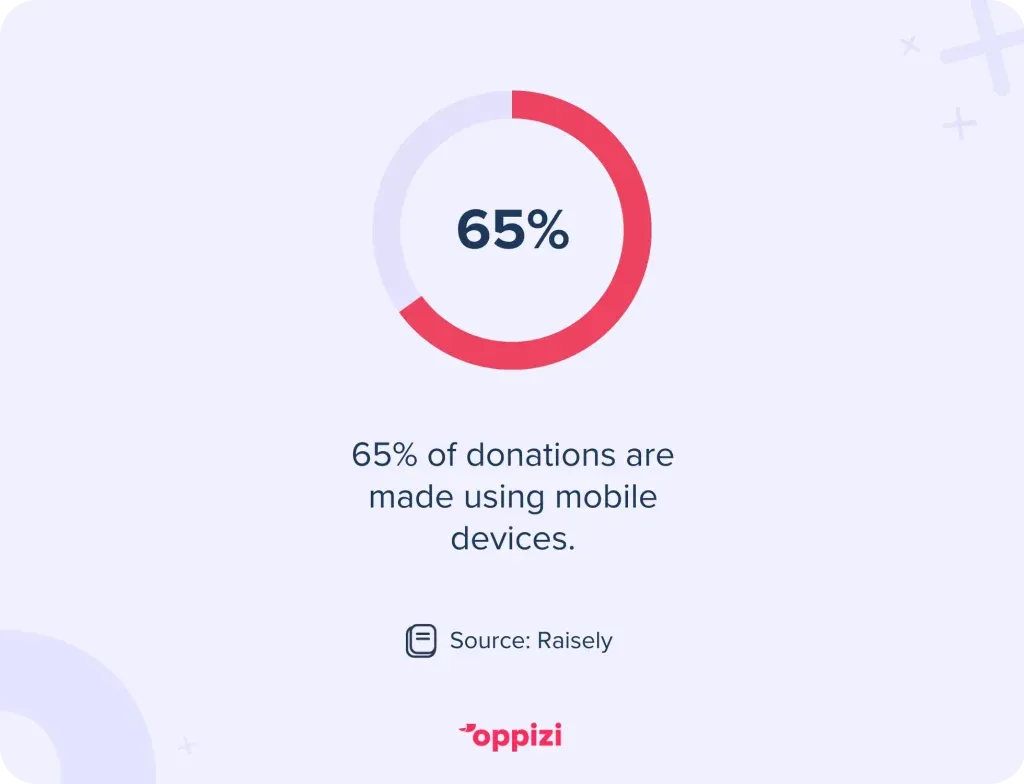
Before deploying, test the QR code on various devices and apps to ensure it works seamlessly. Confirm that the donation page loads quickly and is mobile-optimized. Research indicates that 65% of donations are made via mobile devices, highlighting the importance of mobile-friendly donation methods like QR codes. If it doesn’t work as expected, troubleshoot the QR code using the suggested solutions.
4. Place your QR code strategically
To maximize visibility, place your QR code in high-traffic areas or materials:
- Printed Materials: Flyers, posters, brochures, banners
- Events: Tables, donation stands, presentations, screens
- Digital Channels: Emails, social media posts, newsletters, and websites
Be sure to include a clear call-to-action (CTA), such as “Scan to Donate Now” or “Support Our Cause in Seconds.”
5. Promote your QR code
Actively promote your QR code to drive engagement. Share it during fundraisers, embed it in video presentations, or showcase it on social media with an appeal about your cause. Combine storytelling with engaging visuals to inspire donors.
6. Monitor and analyze
Track QR code scans and donation activity to measure success. Most tools provide analytics showing where scans come from, what time of day they occur, and whether they lead to conversions. Use this data to refine your campaigns and enhance engagement.
To maximize the effectiveness, you could explore additional tips for generating a QR code.
Examples of QR codes in fundraising
Many organizations have successfully integrated QR codes into their fundraising strategies. Here are a few inspiring examples of how QR codes are used:
Charity events
At charity runs, galas, or community events, QR codes are often displayed on banners, programs, and name tags, enabling attendees to make donations on the spot without needing cash.
Places of worship
Many places of worship now use QR codes to simplify the process of collecting offerings, whether for charitable causes or the maintenance of their facilities. By scanning the QR code with their smartphones, congregants can donate instantly.
Disaster relief campaigns
Nonprofits responding to natural disasters or emergencies distribute QR codes on social media and news outlets to raise immediate funds for relief efforts.
Public spaces
Some charities place QR codes in public spaces, such as parks, museums, or transportation hubs, encouraging passersby to support local causes.
Best practices for QR code fundraising
To ensure your QR code donation strategy is effective, keep these best practices in mind:
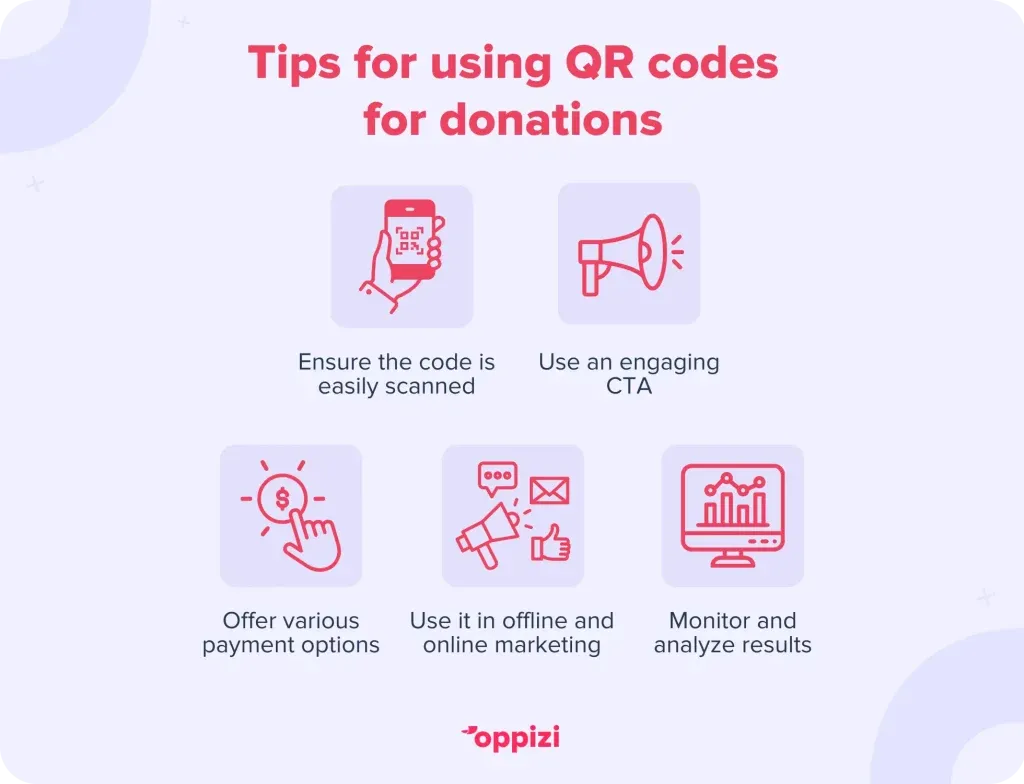
- Make the QR code easy to scan: Ensure the code is an appropriate size, clear, and not distorted so that it can be scanned easily.
- Add a call-to-action: Use engaging CTAs like “Scan to Donate in Seconds” or “Help Us Make a Difference.”
- Offer payment flexibility: Link to donation pages that offer multiple payment options so that donors can choose the appropriate option for them (credit cards, PayPal, Apple Pay, etc.).
- Combine online and offline campaigns: Integrate QR codes into both offline and digital marketing materials for greater reach.
- Track results: Monitor scans and donation conversions to optimize your future campaigns.
FAQs about QR codes for donations
Does it cost money to generate a QR code?
No, you can create unlimited QR codes for free using Oppizi's custom QR code generator.
How do I receive donations via a QR code?
To receive donations via a QR code, start by setting up a donation page on a payment or donation platform and generating a unique donation link. Next, create a QR code that links to your donation page. Ensure the QR code works correctly, and share it in places where prospective donors are most likely to see it.
Conclusion
QR codes have revolutionized the way donations are collected by making the process fast, seamless, and accessible. Whether you’re hosting a fundraising event, running a digital campaign, or reaching out to supporters offline, QR codes can help remove barriers to giving.
By implementing best practices and strategically placing QR codes in your marketing efforts, you can engage more donors and increase contributions to your cause.
Ready to create a QR code for donations? Use our free QR code generator today and simplify your fundraising efforts.