Last updated August 28, 2026
QR codes are everywhere now. They’ve gone from being a niche tech tool to something businesses in all industries rely on. As we head deeper into 2025, it’s worth looking at how creative uses of QR codes are evolving and what that means for marketers and business owners.
The rise of QR codes
QR codes were invented in the 1990s to track car parts. Now, they connect the physical world to the digital one. They make it easy to access information in seconds, whether it’s a website, a menu, or a payment system. A business or individual can use QR codes to earn money.
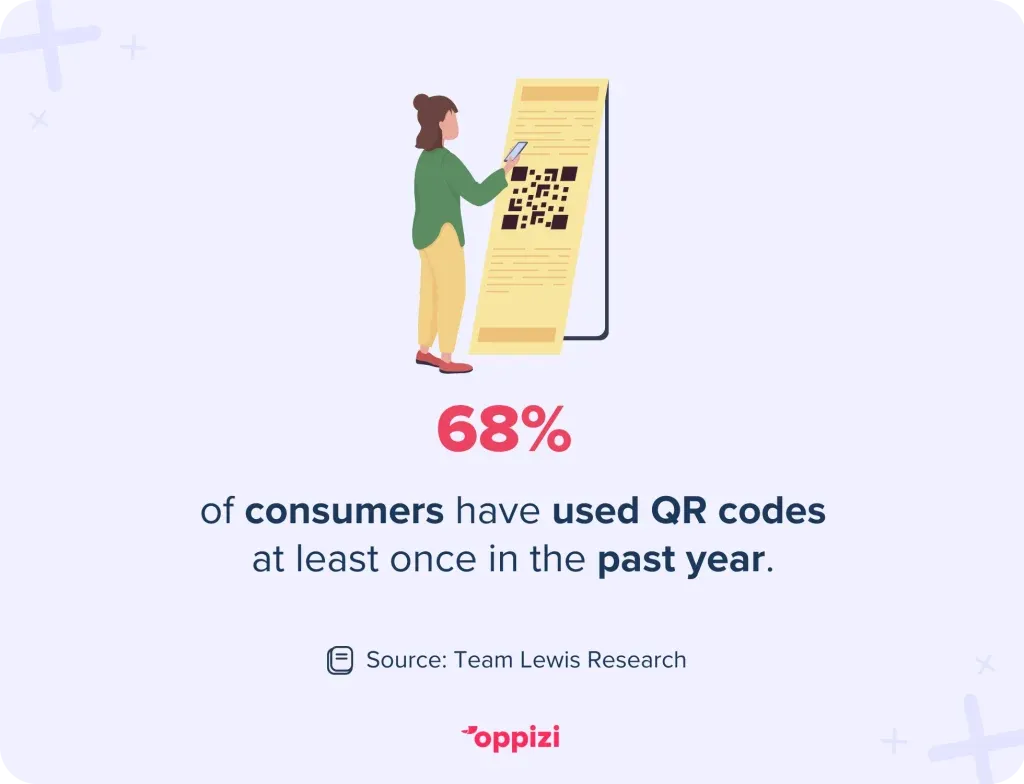
When the pandemic hit, contactless tech became a priority, and QR codes took off. Today, they’re everywhere—from advertising to checkout counters. In fact, 68% of consumers have used one in the past year.
Key QR code trends to watch in 2025
1. Dynamic QR codes for personalized experiences
Dynamic QR codes let businesses update their content without changing the code itself. That means they can keep things fresh and relevant in real time.
A restaurant can update its menu daily without printing new codes. A retailer can switch up promotions based on stock levels. his makes marketing more personal, keeping customers engaged with the right information at the right time. Simple, flexible, and effective.
2. Integration with augmented reality (AR)
QR codes and AR are coming together to create interactive experiences. Scan a code, and you can see a 3D product, try on virtual clothes, or play a game.
Brands are using this to make shopping, real estate tours, and entertainment more engaging. It’s a fun, simple way to bring digital content to life and keep customers interested.
3. Expansion of QR code payment systems
More businesses are using QR codes for payments because they’re quick, easy, and secure. No need for cash or cards—just scan and pay. It’s convenient for customers and cheaper for businesses since it doesn’t require expensive payment systems.
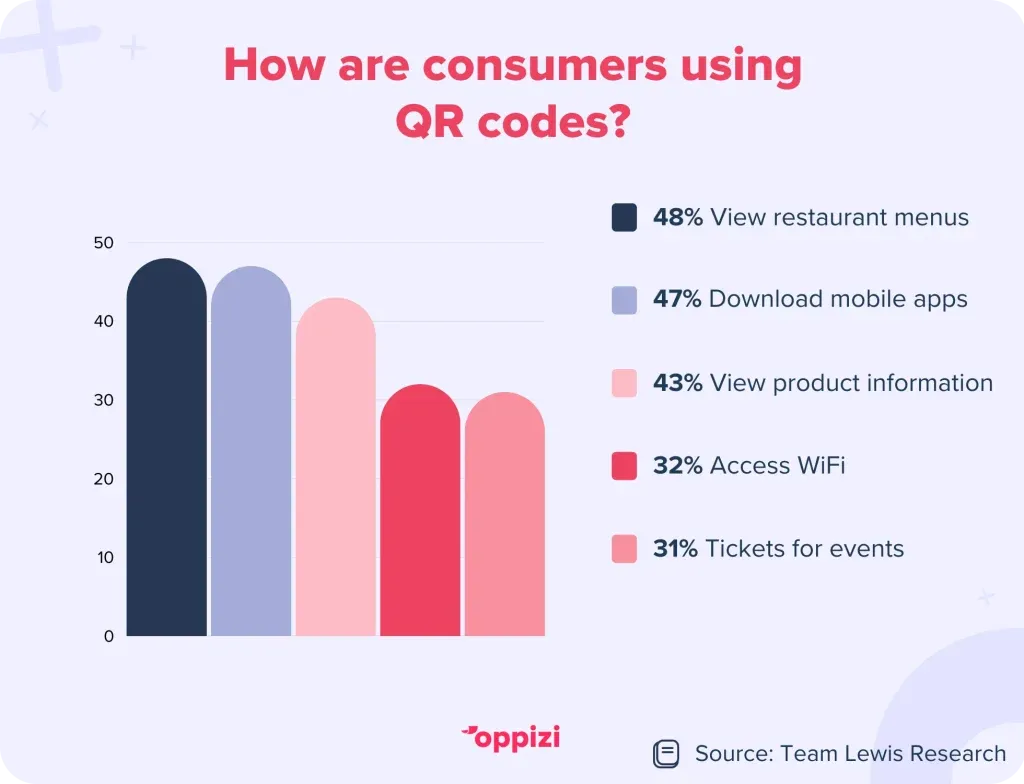
People already use QR codes for all kinds of things: checking menus (48%), downloading apps (47%), looking up product details (43%), connecting to Wi-Fi (32%), and getting event tickets (31%). Payments are the next big step.
4. Enhanced security measures
QR codes are everywhere, which means scammers are trying to take advantage. Fake codes can lead people to harmful websites, a trick called “quishing.”
To fight this, new security features help verify codes and warn users about suspicious activity. Businesses need to use trusted QR code generators and teach customers how to scan safely. A little caution goes a long way in keeping information secure.
5. QR Codes in product packaging and supply chain management
QR codes are making packaging smarter. Brands use them to share product details, verify authenticity, and give recycling tips. Customers just scan to get the info they need.
In supply chains, QR codes help track products in real time. They make inventory management faster and reduce mistakes. It’s a simple way to keep things running smoothly.
6. Integration with Artificial Intelligence (AI)
AI is making QR codes even more useful. Now, when someone scans a code, they can get personalized recommendations based on what they’ve bought or browsed before. It’s like a shortcut to what they actually want.
Businesses also use AI to track how well QR codes are working. They can see what people scan, what they like, and adjust their marketing to make it even better.
7. Transition from traditional barcodes to QR codes
Barcodes have been around for over 50 years, but QR codes are taking over. Big brands and retailers are making the switch because QR codes hold more information and create better customer experiences.
By 2027, they’ll likely replace barcodes everywhere, changing how products are tracked and sold.
8. QR codes in event management
Event organizers are using QR codes more and more for managing events. They make ticketing, check-ins, and interactive experiences easier. QR codes help speed up entry, cut down on physical contact, and give attendees quick access to event details.
Plus, they can collect feedback and help people network, making the event even better.
9. Contactless healthcare solutions
In healthcare, QR codes are helping patients access their medical records, schedule appointments, and use telemedicine. This contactless method makes things easier for patients and lightens the load for healthcare providers.
QR codes can also be found on medical equipment and medications to give clear usage instructions and safety information.

10. Educational applications
Schools are using QR codes to improve learning. Teachers can share extra materials, interactive quizzes, and videos with students using QR codes. This technology helps create blended learning environments and gives students easy access to resources.
It also supports different learning styles and needs.
11. Smart city initiatives with QR codes
Cities are adding QR codes to their infrastructure to give residents real-time information. These codes can provide public transportation schedules and emergency alerts, making cities smarter and more connected.
They also help tourists by allowing visitors to scan codes for historical facts, maps, and local tips.
12. Social media integration
Businesses are using QR codes to boost social media engagement. These codes can link directly to social media profiles, contests, or user-generated content, encouraging customers to connect with brands online.
This approach works well for influencer marketing and building community.
13. QR codes in loyalty programs
Loyalty programs are changing with QR codes, making it simpler for customers to earn and use rewards. By scanning a QR code at checkout or on a product, customers can quickly collect points, access discounts, or unlock special deals.
This easy process helps keep customers coming back and builds brand loyalty.
14. Blockchain-based QR codes
Blockchain technology is now being used with QR codes to improve security and transparency. When QR codes are linked to blockchain records, businesses can protect data and prevent counterfeiting. This is especially important in industries like pharmaceuticals, luxury goods, and supply chain management.
Implementing QR Codes: Best practices
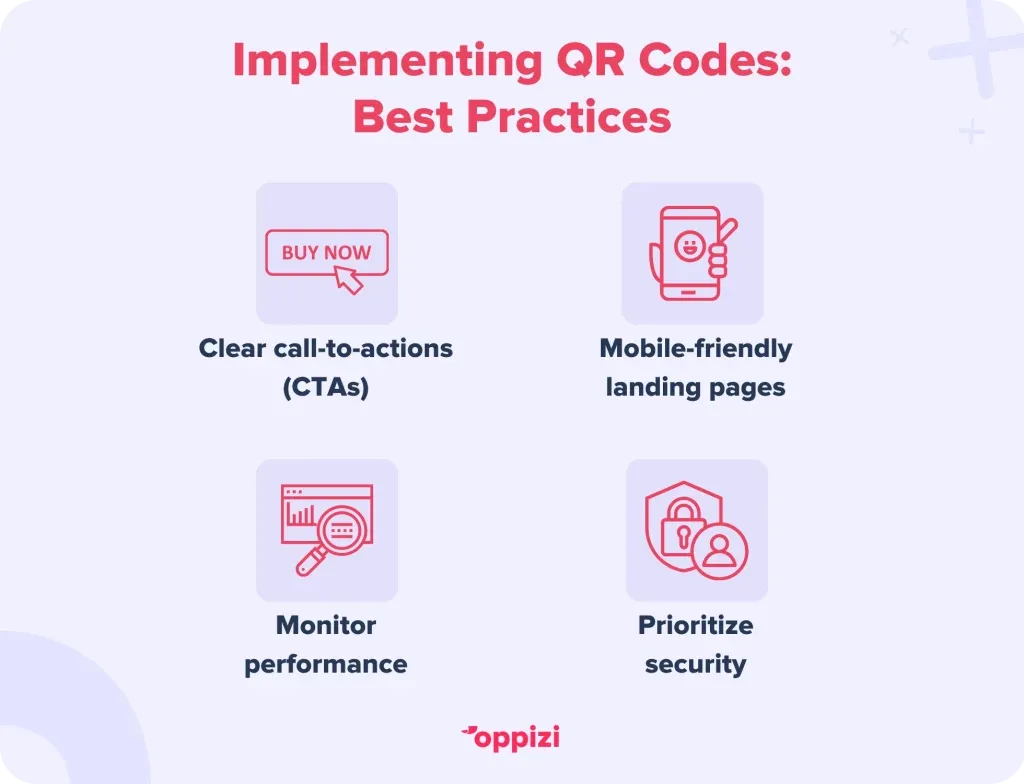
To make the most of QR codes in your business, keep these tips in mind:
- Clear call-to-actions (CTAs): Let users know what the QR code does and what to expect when they scan it.
- Mobile-friendly landing pages: Since people scan QR codes with smartphones, make sure the linked content looks good on mobile devices.
- Monitor performance: Use analytics to track how many people scan your codes and how they engage. This helps you improve your QR code campaigns.
- Prioritize security: Choose reliable QR code generators that have security features to keep users safe.

Do QR codes have a future?
Absolutely! QR codes are not a passing trend. They are evolving with technology. Their ability to link offline and online experiences makes them essential for businesses and users. As industries adopt AI, AR, and better security features, the uses for QR codes will keep growing.
From smart packaging to seamless customer engagement, QR codes will remain important for years to come.
Will barcodes be replaced by QR codes?
Traditional barcodes have been around for decades, but QR codes are quickly taking over. QR codes can store much more information, work from any angle, and create interactive experiences.
Major retailers and supply chains are already making the switch, with a global change expected by 2027. Barcodes won’t disappear right away, but the need for real-time tracking and digital payments makes QR codes the future of inventory management and marketing.

Conclusion
QR codes are changing how businesses connect with customers. As we move into 2025, using the latest QR code trends can help businesses stay competitive, improve customer engagement, and make operations smoother.
Oppizi offers a free QR code generator that lets you create dynamic, customizable QR codes in just seconds. Transform your marketing strategy with ease. Join our platform today and witness your business flourish like never before.
Frequently asked questions
- Are QR codes still popular?
Yes, QR codes are more popular than ever. They started as a simple tracking tool but have become essential in digital marketing, payments, and customer engagement. The pandemic sped up their use, but their convenience keeps them relevant.
In 2025, businesses are using QR codes for interactive experiences, easy payments, and quick access to information. With new features like AI and augmented reality, QR codes are thriving.
- Who uses QR codes?
QR codes are used by all kinds of businesses. Retailers use them for payments, product info, and loyalty programs. Restaurants use them for digital menus and contactless ordering. Marketers include them in print ads and packaging to boost online engagement.
Even governments and healthcare providers use QR codes for ticketing and medical records. Whether it’s a small business or a big corporation, QR codes help connect the physical and digital worlds.
- How many QR codes are there?
The number of QR codes is always growing, with billions created each year. In 2024, mobile QR code scans hit record numbers, and even more growth is expected in 2025. Businesses, governments, and everyday users rely on QR codes for payments, marketing, and more.
The rise of dynamic QR codes means one code can be used indefinitely, with its content updated in real time.
- Do QR codes have a future?
Absolutely! QR codes are not a passing trend. They are evolving with technology. Their ability to link offline and online experiences makes them essential for businesses and users. As industries adopt AI, AR, and better security features, the uses for QR codes will keep growing.
From smart packaging to seamless customer engagement, QR codes will remain important for years to come.
- Will barcodes be replaced by QR codes?
Traditional barcodes have been around for decades, but QR codes are quickly taking over. QR codes can store much more information, work from any angle, and create interactive experiences.
Major retailers and supply chains are already making the switch, with a global change expected by 2027. Barcodes won’t disappear right away, but the need for real-time tracking and digital payments makes QR codes the future of inventory management and marketing.