Last updated September 28, 2026
As a small business owner, you wear many hats, juggling everything from operations to finance. But one hat that often gets overlooked is the marketing one. In a world dominated by industry giants like Amazon and Walmart, it's easy to feel overshadowed. However, with the right marketing strategies, even the smallest business can make a significant impact and stand out from the crowd!
Marketing for small business owners is all about being smart, creative, and resourceful. It's about understanding your target audience, leveraging the power of the internet, and making the most of your limited budget. In this guide, we'll dive into the essential marketing strategies that every small business should follow to achieve growth and success.
From social media to email marketing, we've got you covered. So, put on your marketing hat, and let's get started!
Understanding the importance of marketing for small business
Picture this: you've poured your heart and soul into your small business, creating a product or service that you know is amazing. But, if no one knows about it, does it even exist? That's where marketing comes in. Marketing is the megaphone that amplifies your business's voice, letting the world know that you're here and ready to solve their problems.
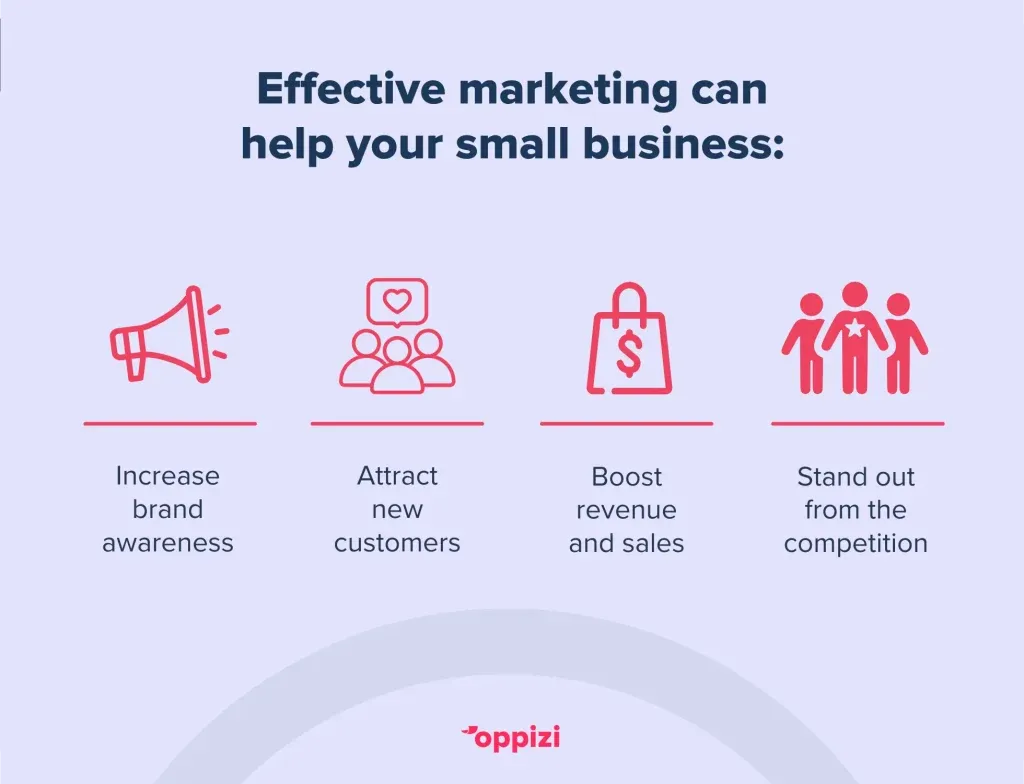
But, as a small business, you encounter specific small business challenges when it comes to marketing. Limited budgets, time constraints, and a lack of resources can make it feel like an uphill battle. However, with the right strategies and a little creativity, you can level the playing field and compete with larger companies.
How to create a marketing strategy for your small business
1. Identify your target audience
Who are you trying to reach? Understand who your ideal customers are by segmenting them based on demographics, behaviors, and preferences. This allows you to craft strategies that resonate and connect effectively with the right people. Remember, if you're trying to reach everyone, you'll end up reaching no one.
2. Research your competitors
Analyze your competitors' strengths, weaknesses, and marketing tactics. These insights can help you uncover opportunities to differentiate your brand, stand out in the market, and refine your own strategy.
3. Determine your Unique Selling Proposition (USP)
Define what sets your service or product apart from your competitors. Your USP should clearly communicate the value you provide and why customers should choose you over other businesses.
4. Set SMART goals
Establish SMART objectives (Specific, Measurable, Achievable, Relevant, and Time-bound) for your business. These goals ensure your strategy is focused and trackable, which can therefore help you measure your progress and success.
5. Choose your promotional channels
Select the platforms and tools that best align with your audience and goals, such as social media, email, or offline marketing. Focus on channels where your audience is most active to maximize reach and engagement.

Online marketing strategies
A strong online presence is crucial for small businesses to thrive and stay competitive. From social media engagement to local SEO, leveraging the right online marketing strategies can help you connect with your audience, drive traffic, and grow your business.
Whether you're creating shareable content, nurturing leads through email, or exploring the potential of video marketing, the key is to adopt a mix of tactics that align with your goals and resonate with your target audience.
Social media marketing
Social media is a powerful tool for small businesses, and the best part? It's free! Platforms like Facebook, Instagram and TikTok, allow you to connect with your audience, showcase your brand personality, and drive engagement. Focus on creating valuable, shareable content and building a community around your brand.
Content marketing and blogging
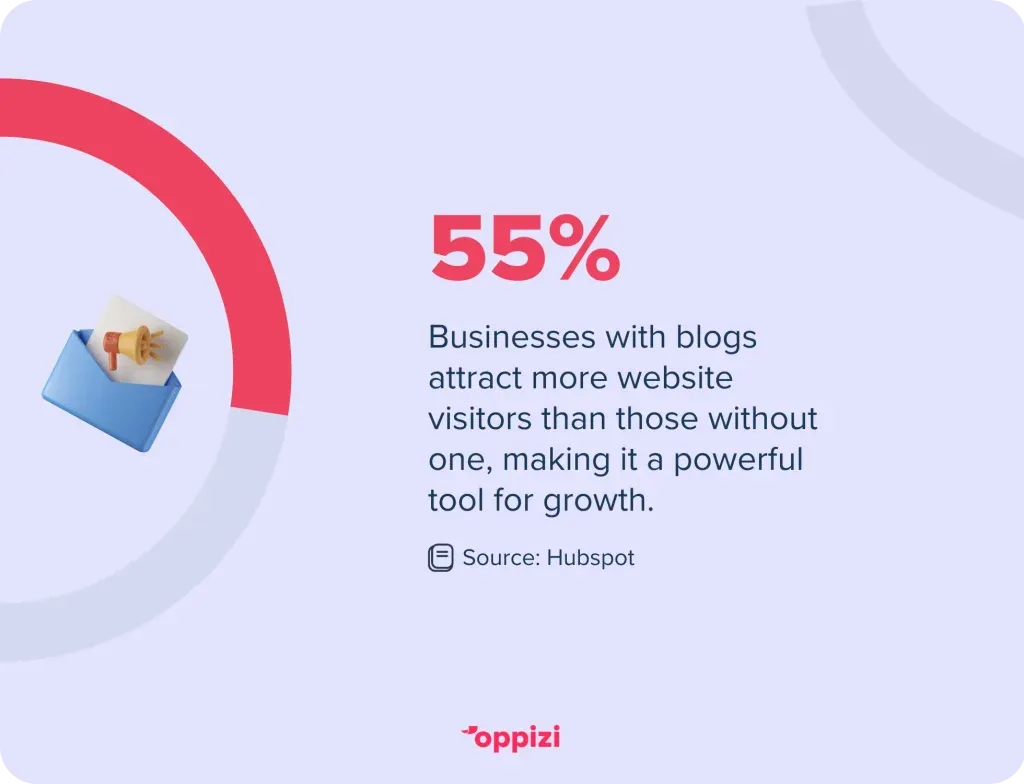
Content is king, especially for small businesses. By creating valuable, informative content, you can attract and retain customers, improve your search engine rankings, and position yourself as an authority in your industry. Starting a business blog is a great way to achieve this. Share niche-specific tips, provide helpful advice, and always ensure you optimize for SEO.
Email marketing
Email marketing is one of the most effective ways to nurture leads and keep your customers coming back for more. Build your email list by offering incentives like discounts or free resources, segment your list based on interests and behaviors, and craft compelling email campaigns that provide value and drive action.
Local SEO
For small businesses targeting local customers, local SEO is a must. Optimize your website for local search by including your city and state in your content, building local citations, and encouraging customers to leave reviews on platforms like Google My Business and Yelp. Make sure your name, address and phone number match across listings to optimize local presence!
Paid advertising
While organic marketing tactics are essential, sometimes you need a little boost. Paid advertising through platforms like Google Ads and Facebook Ads can help you reach a wider audience and drive targeted traffic to your website. Start small, track your results, and optimize your campaigns based on performance.
Video marketing
Video is the future of content marketing, and small businesses can't afford to ignore it. Create engaging video marketing content that showcases your products, shares customer testimonials, or provides behind-the-scenes glimpses of your business. Share your videos on social media, embed them on your website, and optimize them for search.
Offline marketing strategies
While digital marketing is essential to keep up in today’s online world, offline marketing strategies are still a powerful way to connect with your audience, especially for small businesses. Offline marketing methods like flyers, brochures, and direct mail campaigns offer a personal touch, and allow businesses to leave a lasting impression on their audience. These approaches help you stand out, build local connections, and engage with customers in a tangible way.
Flyers and brochures
Flyers and brochures are an effective means for showcasing your products or services. Distribute them at events, in high-traffic areas, or in target locations where your audience is most likely to engage.
As tangible materials, flyers can leave a lasting impact. In fact, more than 89% of people remember receiving a flyer in comparison to other forms of advertising.
Direct mail
Direct mail marketing involves sending physical materials, such as postcards, brochures, or flyers, directly to a targeted group of recipients. It is a personalized, tangible way to reach potential customers, build brand awareness, promote special offers, and drive sales.
Guerrilla marketing
Guerrilla marketing is all about being unconventional, creative, and memorable, to create a buzz and get people talking. For example, a local coffee shop could create a giant inflatable coffee cup and place it in a busy public area, encouraging people to take photos and share on social media. Or, a pet store could partner with a local animal shelter to host a pet adoption event, complete with cute photo ops and giveaways.
Budget-friendly marketing tactics
As a small business owner, you're always looking for ways to stretch your marketing dollars. Luckily, there are plenty of cost-effective marketing strategies that can help you make a big impact without breaking the bank. Consider tactics like:
Customer loyalty programs
It costs more to acquire a new customer than to retain an existing one, so why not focus on keeping your customers happy? Implement a customer loyalty program that rewards repeat purchases, referrals, or engagement. Whether it's a points-based system or exclusive perks, a loyalty program can help you build a loyal customer base and increase lifetime value.
Networking and partnerships
Networking and forming partnerships with other businesses can help you expand your reach, tap into new audiences, and create a sense of community. Attend local events, join business groups, and look for opportunities to collaborate with complementary businesses.
Influencer collaborations
Influencer marketing is a powerful way to reach new audiences. But, as a small business, you don't need to break the bank on celebrity influencers. Instead, look for micro-influencers in your niche who have engaged, loyal followings. For example, a boutique clothing store could partner with local fashion bloggers to showcase their latest collection, or a skincare brand could work with beauty influencers to create sponsored content and product reviews.
User-generated content
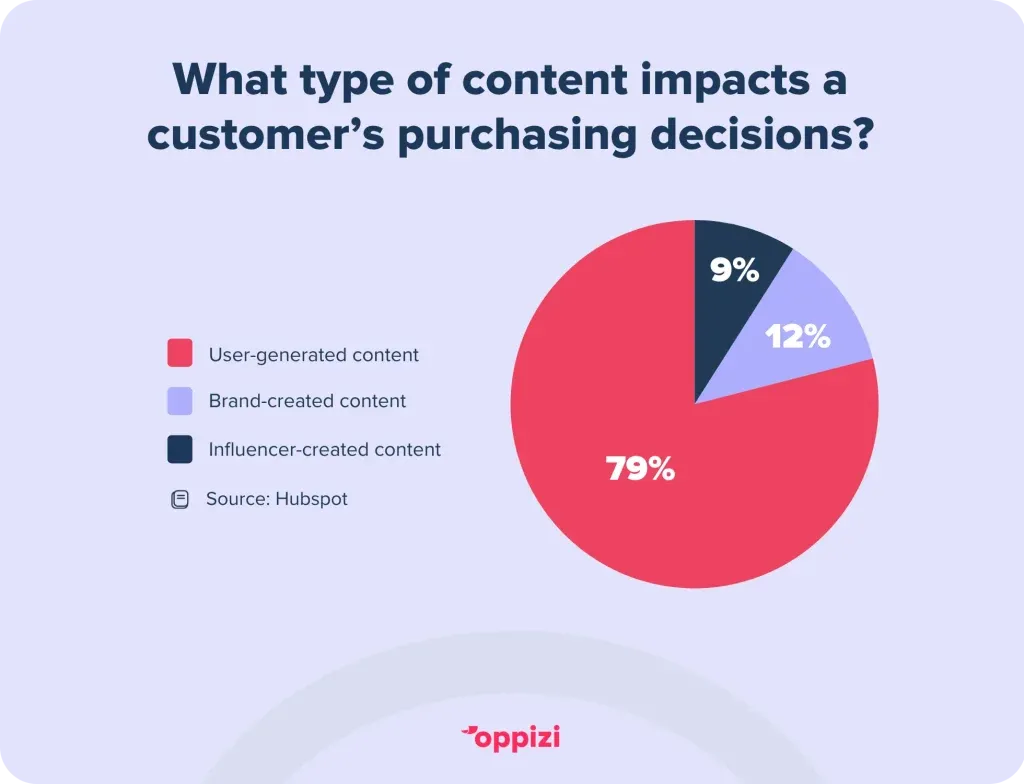
User-generated content (UGC) is a marketing gold mine. Encouraging customers to create and share content about your brand is an effective way for increasing engagement and generating trust in your brand. For example, a fitness studio could encourage members to share their workout progress and tag the studio for a chance to be featured on their social media channels.
Cross-promotions with other businesses
Partnering with other businesses can help you tap into new audiences and create a sense of community. Look for businesses that complement your own and brainstorm ways to cross-promote. For example, a yoga studio could partner with a local juice bar to offer a "Namaste and Nourish" package, complete with a yoga class and post-workout smoothie.
Remember, sometimes the most creative ideas come from constraints! Don't be afraid to think outside the box and try new things. The beauty of these budget-friendly marketing tactics is that they're low-risk and high-reward. So, get creative, have fun, and watch your small business thrive!
Tracking and analyzing marketing efforts
To know what's working and what's not, you need to track and analyze your marketing efforts. Use tools like Google Analytics to monitor website traffic, set up conversion tracking to measure leads and sales, and calculate your customer acquisition costs. By making data-driven decisions, you can optimize your marketing strategy and maximize your ROI.
Conclusion
Marketing for small business owners is an ongoing journey that requires creativity, flexibility, and continuous learning. A truly effective marketing strategy that combines both online and offline tactics can reach and engage customers in diverse ways. By implementing the essential strategies we've covered in this guide, you'll be well on your way to building a thriving, profitable business.
At Oppizi, we're passionate about helping small businesses succeed. If you're looking to integrate innovative offline marketing strategies into your approach, we have the perfect solutions. From targeted direct mail campaigns to bespoke flyering options, Oppizi offers scalable marketing strategies tailored to meet your business's unique needs. Take the first step today and kickstart your next successful campaign with Oppizi!