Last updated July 23, 2026
Every great business begins as a small one. But running one isn’t easy. It takes grit, patience, and a lot of juggling. The vast majority of businesses across the U.S. are small businesses, but they face challenges that big companies don’t.
Cash flow problems, tough competition, and keeping up with technology can make things overwhelming. And with limited time and resources, business owners have to wear many hats. But the good news? Every problem has a solution.
This guide will cover:
- The 14 biggest challenges small businesses face—and how to handle them
- Practical tips for managing money
- Simple ways to keep customers coming back and grow your business
- Real-world strategies to stay competitive
Whether you’re just starting out or have been in business for years, this guide will help you navigate challenges and build a strong foundation for success.
Why small businesses matter—and why it’s tough
Small businesses are the heart of the economy. They create jobs, spark innovation, and keep local communities thriving. But unlike big companies with big budgets and teams to handle everything, small business owners do it all—from CEO to customer service.
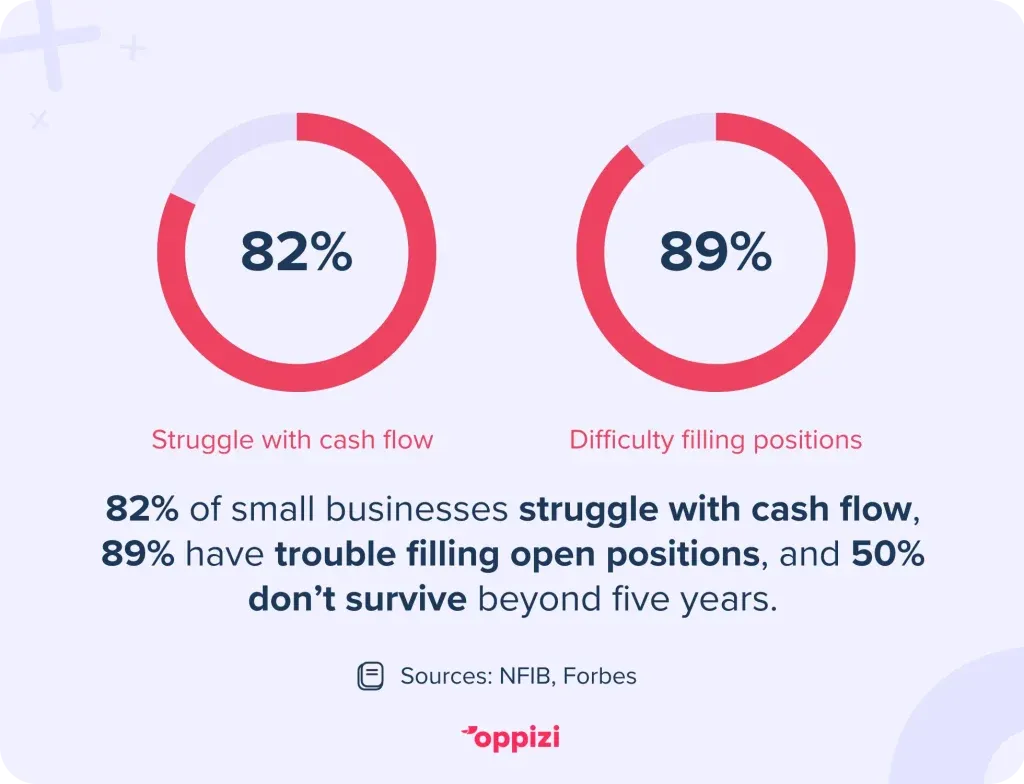
And the road isn’t always smooth:🔹 82% struggle with cash flow🔹 89% have difficulty filling positions🔹 50% don’t make it past five years
The key to staying in the game? Solving problems before they get too big. Let’s dive into the biggest challenges—and how to tackle them.
14 Biggest small business challenges (and how to fix them)
1. Managing money: Keeping cash flow healthy
The Problem:Money keeps your business running, but nearly half of small businesses struggle with cash flow. Between payroll, inventory, and surprise expenses, it’s easy to fall behind.
The Fix:
- Make a budget – Track income and expenses with tools like QuickBooks or Xero.
- Check cash flow weekly – Stay on top of invoices, payments, and costs.
- Build a backup fund – Save 3–6 months of operating expenses.
- Look into funding options – SBA loans, credit lines, or grants can help.
Tip: Automate invoices and payments to avoid late fees and keep cash flowing.
2. Marketing: Getting customers without overspending
The Problem:Big brands dominate ads and search results. Many small businesses waste money on marketing that doesn’t work.
The Fix:
- Use free marketing – Focus on SEO, social media, and content marketing.
- Run targeted ads – Facebook Lookalike Audiences and Google Local Ads work well.
- Get more reviews and referrals.
- Improve your website – Make it fast, mobile-friendly, and easy to use.
Tip: Repurpose content—turn blogs into videos, social posts, and emails to reach more people.
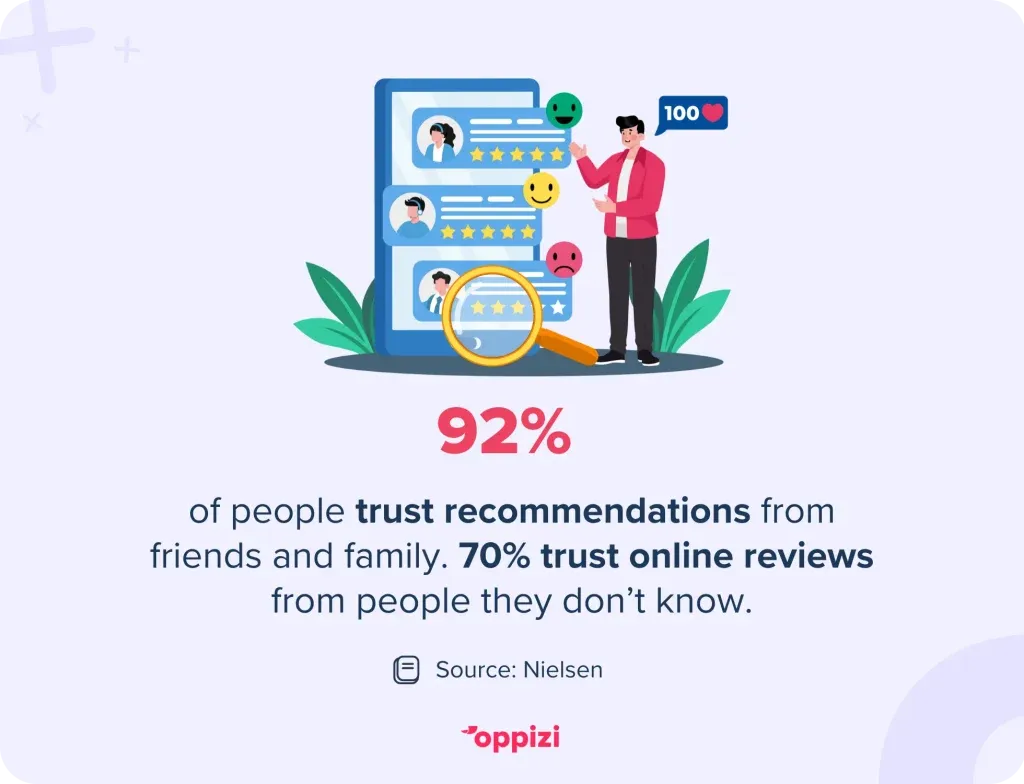
92% of people trust recommendations from friends and family. 70% trust online reviews from strangers. This shows that before making a purchase, most consumers rely on the opinions of others who have already used the product or service.
3. Competing with big brands
The Problem:Large companies can undercut prices, dominate search results, and outspend you on ads.
The Fix:
- Stand out – Offer personal service, local expertise, or unique products.
- Find your niche – Specialize in something big brands overlook.Get involved locally –
- Sponsor events or partner with other small businesses.
- Provide top-notch service – 86% of buyers will pay more for a better experience.
Tip: Use Google My Business to show up in local search results.
4. Hiring and keeping great employees
The Problem:It’s hard to compete with big salaries, making it tough to attract and keep top talent.
The Fix:
- Sell your vision – People want to work where they can grow.
- Offer flexibility – Remote work or flexible hours are big perks.
- Invest in training – Help employees build skills and stay engaged.
- Recognize hard work – Even small rewards or shout-outs boost loyalty.
Tip: Use LinkedIn and employee referrals to find passionate hires.
5. Taxes and legal stuff
The Problem:Laws, taxes, and regulations change all the time, and keeping up can feel impossible.
The Fix:
- Get an accountant – It’s worth it to avoid fines and headaches.
- Use compliance software – Tools like Zenefits or Gusto make HR easier.
- Stay updated – Follow IRS.gov and SBA.gov for the latest changes.
Tip: Set aside 30% of profits for taxes so you’re not caught off guard.
6. Tech challenges & staying up to date
The Problem:Many small businesses don’t have IT support, making them vulnerable to cyber threats and outdated systems.
The Fix:
- Use cloud tools – Google Workspace, Slack, and Trello keep things organized.
- Outsource IT – Managed Service Providers (MSPs) offer affordable tech support.
- Protect your data – Use strong passwords, VPNs, and multi-factor authentication.
Tip: Automate repetitive tasks with Zapier or HubSpot to save time.
7. Growing without overloading your business
The Problem:Scaling too fast can stretch your resources. Growing too slowly can hold you back.
The Fix:
- Test demand – Make sure customers want more before expanding.
- Simplify processes – Write down how things get done to keep quality consistent.
- Plan for funding – Look into investors, business loans, or grants before you need them.
Tip: Partner with other businesses to reach more customers without big costs.
8. Keeping customers coming back
The Problem:It costs five times more to get a new customer than to keep an old one.
The Fix:
- Make it personal – Use email lists and loyalty programs to stay connected.
- Ask for feedback – Fix problems before they drive people away.
- Offer perks – Give loyal customers early access, discounts, or special treatment.
Tip: A simple thank-you note can keep customers coming back.
9. Time management & avoiding burnout
The Problem:Many small business owners work over 60 hours a week. It’s exhausting.
The Fix:
- Focus on what matters – Use the Eisenhower Matrix to sort urgent vs. important tasks.
- Delegate – Hire freelancers or part-time help for things you don’t need to do yourself.
- Automate tasks – Tools like Calendly can handle scheduling.
Tip: Group similar tasks together (like doing admin work one day a week) to stay efficient.
10. Surviving economic uncertainty
The Problem:Recessions, inflation, and supply chain issues hit small businesses hardest.
The Fix:
- Add new income streams – Consider digital products, subscriptions, or consulting.
- Cut unnecessary costs – Renegotiate contracts or switch to more affordable software.
- Build strong customer relationships – A loyal customer base helps in tough times.
Tip: Stock up early if supply chain issues seem likely.
11. Managing inventory & supply chain issues
The Problem:Supply chain delays affect 60% of small businesses. This leads to running out of stock, having too much inventory, or unhappy customers.
The Fix:
- Use inventory software – Tools like TradeGecko or Zoho Inventory help track stock automatically.
- Work with multiple suppliers – Don’t rely on just one. Local options can help avoid delays.
- Plan ahead – Look at past sales to predict busy times, like the holidays.
- Offer pre-orders – This secures cash flow and helps you know what customers want before restocking.
Tip: Buy in bulk during slower seasons to save money.
12. Handling online reviews & your reputation
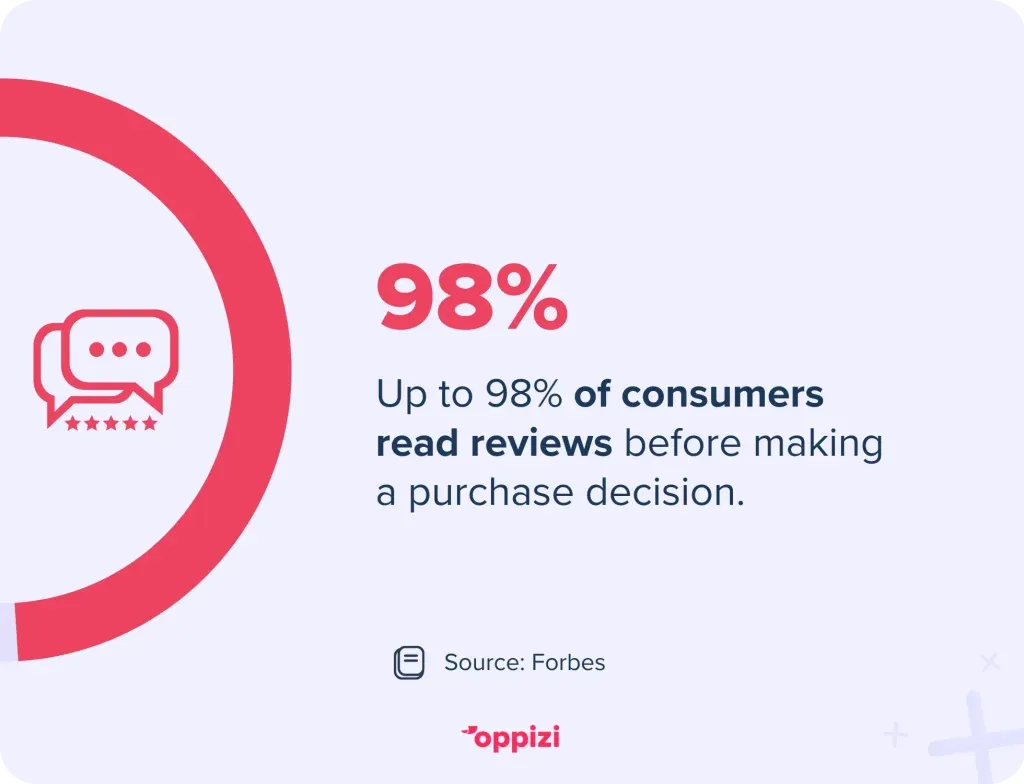
The Problem:Up to 98% of consumers read reviews before making a purchase. One bad review can turn customers away, but ignoring feedback can make things worse.
The Fix:
- Keep an eye on your brand – Set up Google Alerts and check reviews weekly.
- Respond to all reviews – Thank happy customers and fix issues publicly when needed.
- Ask satisfied customers to leave reviews – Follow up with a simple link.
- Report fake reviews – Platforms like Google and Yelp allow you to flag them.
Tip: A rating below 3.3 stars can make customers look elsewhere. Aim for 4 stars or higher.
13. Going green without breaking the bank
The Problem:Most customers prefer eco-friendly brands, but small businesses often struggle to afford sustainable changes.
The Fix:
- Start small – Switch to recycled packaging or energy-efficient lighting.
- Share your efforts – Let customers know about your sustainability goals on social media.
- Work with eco-friendly suppliers – Partner with businesses that share your values.
- Test a green product – Try a limited run of an eco-friendly version to see if customers are interested.
Tip: Look into green business grants, like the EPA’s Small Business Program, to help with costs.
14. Attracting local customers with offline marketing
The Problem:Even in a digital world, 82% of people trust print ads more than online ads. But many small businesses focus only on digital marketing and miss out on local customers.
The Fix:
Offline marketing still works. Tactics like flyers, direct mail, and local events help you:
- Reach people who aren’t online, like seniors and busy parents.
- Stand out – Fewer businesses use print, so there’s less competition.
- Build trust – A well-designed flyer or postcard feels more credible than a Facebook ad.

FAQs: Common small business challenges & how to solve them
What’s the biggest challenge for small businesses?
Cash flow. It’s the main reason 82% of small businesses fail. Without enough money coming in, it’s hard to pay bills, grow, or handle surprises.
How to fix it:
- Track cash flow every month.
- Ask suppliers for longer payment terms.
- Save 3–6 months of expenses as a backup.
Why do small businesses struggle?
Most small businesses face five big challenges:
- Tight budgets (can’t outspend big companies).
- Hiring struggles (hard to offer high salaries).
- Rising costs (inflation, supply chain delays).
- Red tape (taxes, permits, compliance).
- Tough digital competition (SEO, ads, tech costs).
How to compete: Focus on niche markets, local marketing, and automation.
What disadvantages do small businesses have?
Compared to big corporations, small businesses often deal with:
- Less funding (loans and investors are harder to get).
- More risk during economic downturns.
- Weak bargaining power with suppliers.
- Heavy dependence on the owner (risk of burnout).
- Trouble hiring top talent.
- Fewer resources for marketing and tech.
- Slower growth.
- Lower brand recognition.
How to level the playing field: Build local partnerships, outsource where possible, and use creative, low-cost marketing.
What’s the #1 reason small businesses fail?
Running out of money. Other common reasons:
- No real demand for the product.
- Losing to competitors.
- Poor pricing or cost management.
How to avoid it: Test your idea early, keep costs in check, and find multiple ways to make money.
What’s the biggest mistake small businesses make?
Focusing only on survival and ignoring long-term growth. Examples:
- Not investing in marketing (“We’re too busy”).
- Ignoring customer feedback.
- Falling behind on trends (like digital payments).
How to fix it: Set aside 10% of your time for planning—even when things are hectic.

Final thoughts: Overcoming small business challenges
Running a small business isn’t easy, but the right approach can make a big difference. Here’s how to stay ahead:
- Keep cash flow steady with smart budgeting.
- Attract new customers without overspending.
- Build a great workplace to keep top employees.
- Grow your business without burning out.
Need more customers? At Oppizi, we empower small businesses to engage local audiences through effective offline marketing strategies, such as direct mail and flyers. Experience the simplicity and impact of our platform today—your pathway to success awaits.