Last updated July 23, 2026
Entering a new market can feel risky, but the payoff is worth it if you do it right. Growing isn’t just about selling more. It’s about knowing your customers, understanding the competition, and picking strategies that work.
This guide gives you 15 clear tips, from market research and competitor analysis to partnerships, marketing, and planning. Follow these steps to enter new markets with confidence and grow your business faster.
15 tips to enter new markets
Breaking into a new market is one of the hardest steps for growing businesses. It’s also one of the most rewarding when done right. Below is a 24-part framework that covers the most important decisions and actions you’ll face.

1. Evaluate market entry options
Before entering a new market, explore different entry models such as exporting, franchising, joint ventures, licensing, or greenfield investments. Each balances risk, speed, control, and cost differently. Thinking through your approach early helps you avoid missteps and ensures resources are used efficiently. The right entry model sets a strong foundation for both short-term traction and long-term growth.
- List possible entry models relevant to your business.
- Weigh pros and cons of each for your resources and goals.
- Narrow to 2–3 options to test further.
2. Conduct thorough market research
Strong research drives smarter decisions. Understanding local consumer behavior, industry trends, and regulations ensures your entry strategy is data-backed. Digging deeper than surface-level statistics uncovers real motivations, frustrations, and unmet needs, giving your product or service a competitive edge. This makes your strategy more precise and your risk lower.
- Survey local customers or interview potential buyers.
- Analyze industry reports and spending trends.
- Observe in-market behaviors to validate assumptions.
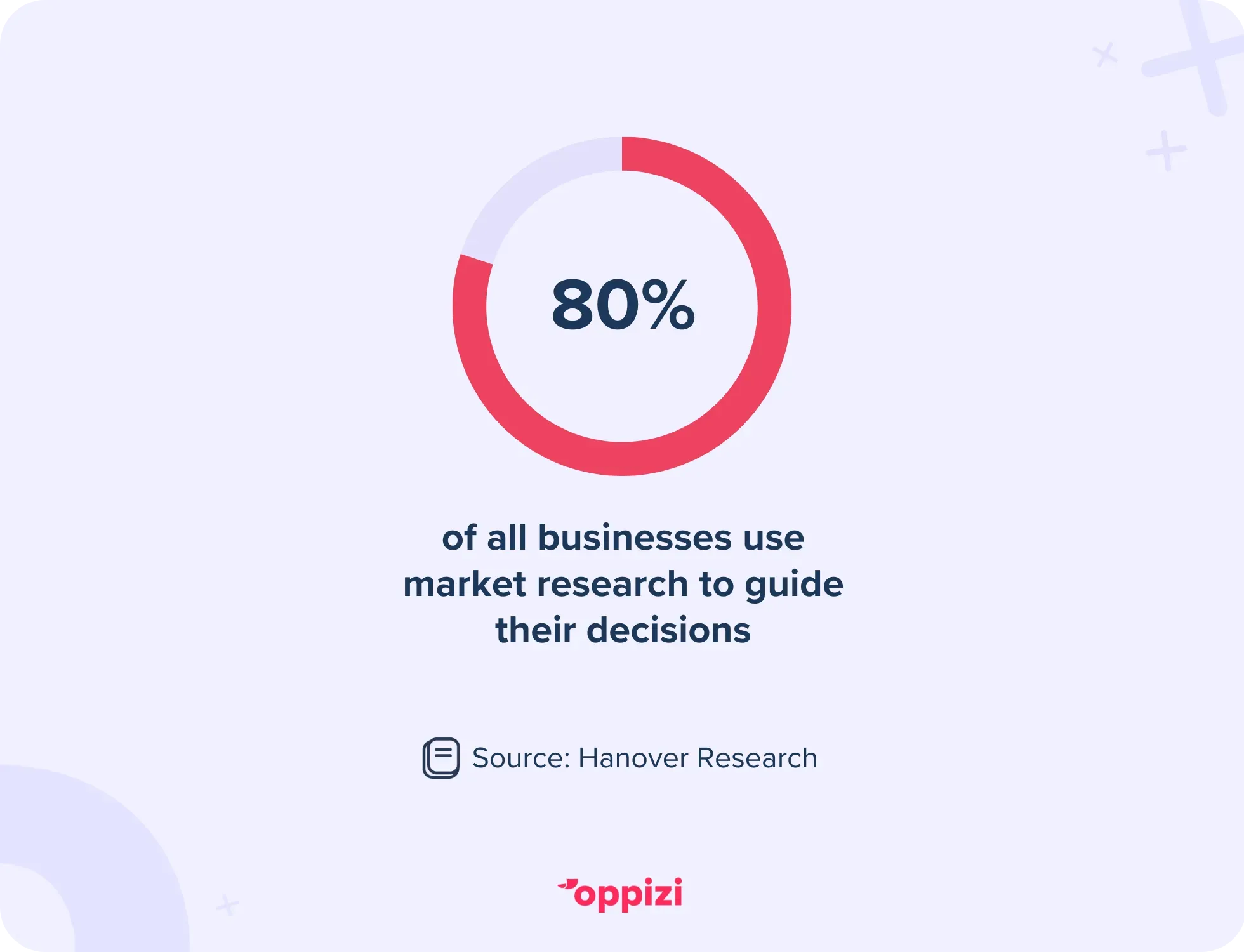
With four out of five businesses using market research to guide their decisions, it’s clear how essential this step is. The more you understand your customers, the better you can meet their needs and attract them to your product or service.
3. Study your competitors
Know who you’re up against and what they’re doing well and where they fall short. Competitor analysis reveals opportunities for differentiation and highlights market expectations. Understanding their strengths, weaknesses, and customer experiences gives you insights to craft offerings that genuinely stand out. This helps you avoid reinventing the wheel while carving out your niche.
- Map direct and indirect competitors.
- Evaluate pricing, marketing tactics, and customer feedback.
- Identify gaps where your brand can stand out.
4. Understand market demand
Expansion only succeeds if enough demand exists. Assess total market size, growth rates, and macro trends to ensure the opportunity is worth the investment. Looking at demand patterns also helps forecast revenue potential and determine whether your current resources can meet the expected need. Testing assumptions early reduces risk and guides smarter strategy decisions.
- Estimate market potential using reports or local insights.
- Test interest with small campaigns before large-scale investment.
- Adjust your offerings based on early feedback.
5. Define your target customers
Sharpen your audience focus by segmenting by demographics, location, and behavior. Building clear personas helps tailor messaging and offerings to real needs. When you understand your customers’ preferences, challenges, and motivations, you can design products, marketing, and experiences that resonate, increasing adoption and loyalty from day one.
- Create 2–3 personas representing your ideal customers.
- Identify motivations that drive brand switching.
- Align marketing and product strategy to these personas.
For example, in marketing for IT companies, creating a persona for small business owners who need affordable cybersecurity solutions can guide both product development and messaging, ensuring campaigns speak directly to their priorities.
6. Choose the right market
Not all locations are equally profitable. Evaluating markets carefully ensures your resources are invested where the opportunity is strongest. Scoring potential markets based on demand, competition, costs, and regulations helps you prioritize areas with high potential and lower risk, rather than spreading efforts too thin.
- Shortlist 4–5 candidate markets.
- Use a scoring system to rank them.
- Start with one market to test before scaling.
7. Adapt your product or service
Even successful offerings may need tweaks to fit a new market. Cultural preferences, local regulations, and practical use cases can influence adoption, so small adjustments, like packaging, features, or sizing, can make a big difference. Testing these changes with real users ensures your product meets expectations.
- Adjust packaging, features, or sizing.
- Ensure compliance with local laws.
- Pilot versions with local users to refine.
8. Tailor your marketing mix
Your 4Ps (product, price, place, promotion) must align with the local market to resonate. Customers respond to messaging, pricing, and channels that reflect their preferences and cultural context. Customizing your approach increases engagement, builds trust, and drives conversions faster.
- Set price points appropriate to local purchasing power.
- Choose distribution channels where your audience shops.
- Adapt promotion tone, visuals, and messaging for local culture.
9. Set clear goals and KPIs
Without clear objectives, it’s hard to know if your market entry is successful. Defining measurable goals, whether short-term sales, long-term market share, or brand awareness, provides direction and allows you to track performance. Clear KPIs also make it easier to adjust quickly if things aren’t working.
- Identify 90-day KPIs for initial launch.
- Track performance against targets.
- Adjust strategy quickly if metrics fall short.
10. Build local partnerships
Strong local relationships speed up trust-building and adoption. Partnering with complementary businesses, trusted vendors, or influencers can amplify your credibility and reach, helping you enter the market more smoothly. Collaborations can also provide insights into local consumer behavior and business practices.
- Identify potential partners aligned with your brand.
- Establish clear roles and shared goals.
- Use co-marketing initiatives to boost visibility.
11. Test low-risk entry methods
Not every market entry requires a full-scale launch. Starting with low-risk approaches like exporting, licensing, or leveraging existing channels lets you gauge interest without heavy investment. These methods help validate demand, reveal potential challenges, and provide insights for a more confident, larger-scale rollout.
- Start with small shipments or limited licensing deals.
- Monitor customer engagement and satisfaction.
- Scale based on early performance insights.
12. Consider joint ventures or franchising
Partnering with local players accelerates growth while sharing risk. Franchising allows rapid expansion under a proven model, while joint ventures bring local expertise, networks, and operational support. Choosing the right collaboration approach can reduce missteps and strengthen your brand presence.
- Align expectations and goals upfront.
- Provide strong support and clear brand guidelines.
- Monitor performance to ensure quality and consistency.
13. Allocate and assess resources
Successful expansion relies on thorough planning for financial, human, and operational needs. Anticipating hidden costs, staffing requirements, and logistical challenges prevents delays and ensures smoother scaling. Adequate preparation also makes it easier to respond to unexpected hurdles.
- Map staffing, logistics, and compliance requirements.
- Plan for 6–12 months of runway before strong ROI.
- Identify tools needed to monitor performance effectively.
14. Use street flyering to reach locals
Flyering is a simple, direct way to announce your arrival and connect with your local audience. Well-placed flyers grab attention, communicate key offers, and drive immediate action, especially when paired with QR codes or limited-time promotions. Targeted flyering can build buzz, increase foot traffic, and complement your broader marketing efforts.
- Identify high-traffic micro-zones like transit hubs, campuses, or busy streets.
- Design clear, eye-catching flyers with localized messaging and QR codes or special offers.
- Track engagement and adjust routes or messaging to maximize response.
15. Monitor, evaluate, and iterate
Expansion isn’t a one-time effort. It’s an ongoing process. Continuously tracking performance lets you pivot quickly, optimize campaigns, and improve offerings. Iterative evaluation ensures that your strategies remain relevant, effective, and aligned with local market needs.
- Track key metrics like CAC, conversions, and churn.
- Compare performance by channel, region, or partner.
- Adjust campaigns and offerings based on real-time insights.
How brands have used flyering with Oppizi to enter new markets
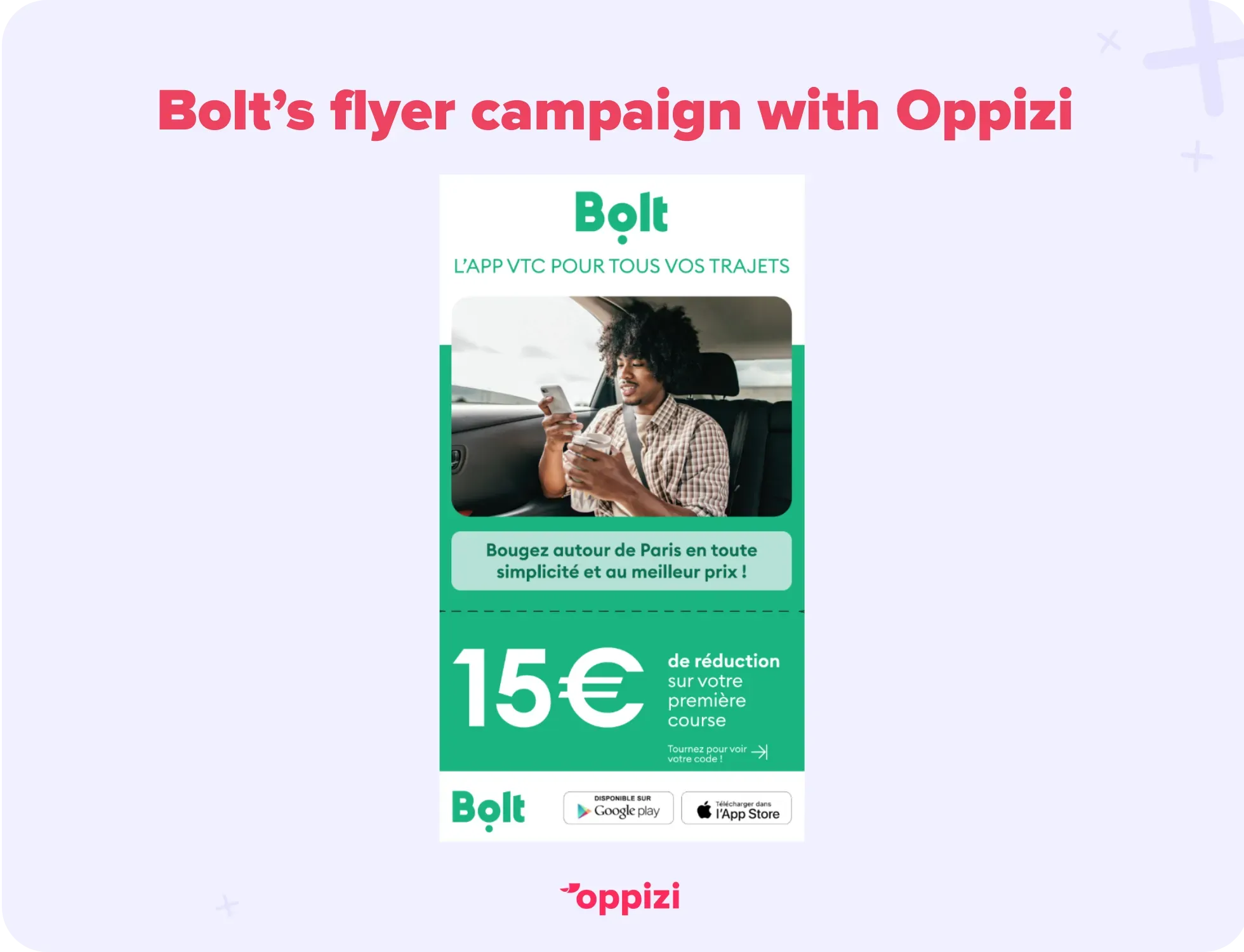
BCHEF: driving traffic for new restaurant openings
BCHEF, a French fast-casual chain, needed a reliable way to launch new restaurants in Lille, Poissy, and Clermont-Ferrand. When entering these new cities, the goal was awareness, foot traffic, and sales.
- Plan: Oppizi ran targeted flyering campaigns around each location. Ambassadors distributed flyers and engaged directly with passersby. Each flyer featured a compelling opening offer and live performance tracking.
- Outcome: More than 18,600 flyers were distributed, bringing 300+ new customers. The campaigns created buzz and drove immediate visits, with nearly half of the flyers redeemed the offer in the first week.
- Why it worked: Flyers were timed before and during openings, keeping the brand top of mind. Personal engagement, clear offers, and real-time data made this restaurant marketing tactic cost-effective and scalable.

Conclusion
Expanding into new markets doesn’t have to be complicated. Start by picking the right way to enter, learning about your customers and competitors, adjusting your products or services, and keeping track of your results. Small moves like joint ventures, local partnerships, or test campaigns can make a big impact.
Offline marketing, especially flyering, has proven results. It builds awareness, drives engagement, and delivers measurable growth. Make expanding into new markets easy by launching an offline campaign in minutes with Oppizi and start seeing results fast.