Last updated July 28, 2026
Imagine walking into a store where someone remembers your name and what you bought last time. They show you something you'd actually like. That’s what personalized marketing does. Just not always in person. It happens online, offline, or both.
If you’re a business owner or marketer wondering what personalized marketing is or how to start, this guide will help. We’ll explain what it means and how you can use it in your own campaigns, whether they’re digital or not.
What is personalized marketing?
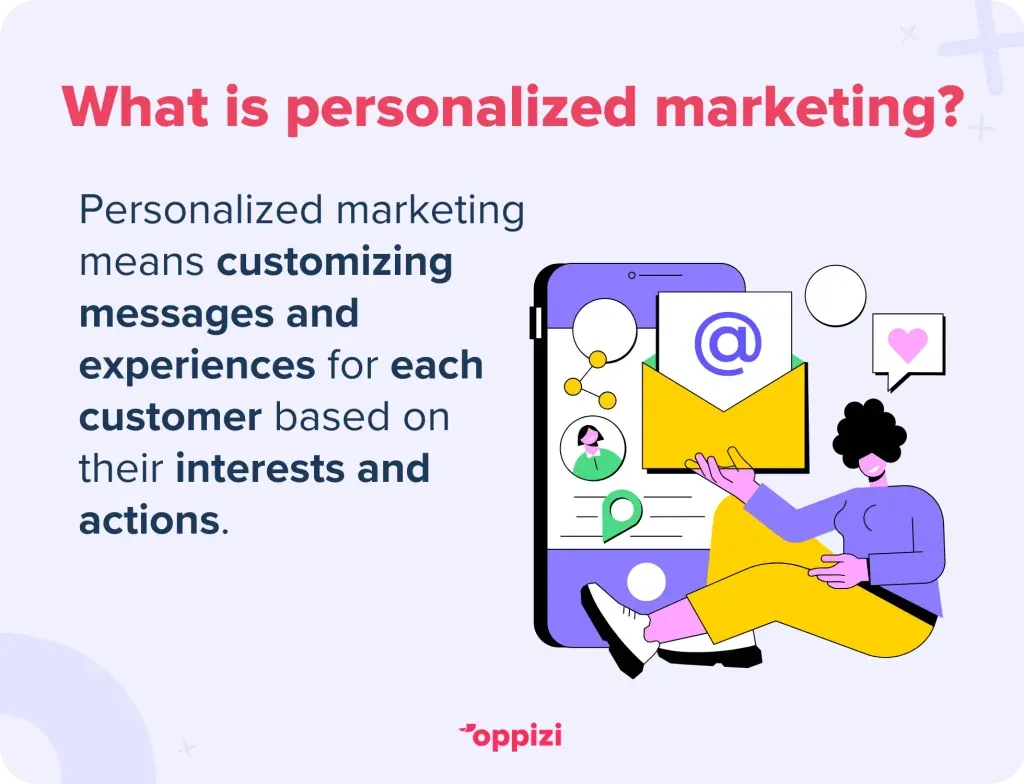
Personalized marketing means sending the right message to the right person. Instead of saying the same thing to everyone, you change your message based on what you know about the person. That could be what they like, where they live, or what they’ve done before.
You’ve probably seen this in your inbox. A brand sends you a discount on your birthday. Or recommends something based on what you’ve looked at. That’s personalization.
But it’s not just for emails. You can personalize websites, ads, mail, even videos. The goal is simple: make people feel like you understand them. When that happens, they’re more likely to trust you and buy from you.
Why personalized marketing works
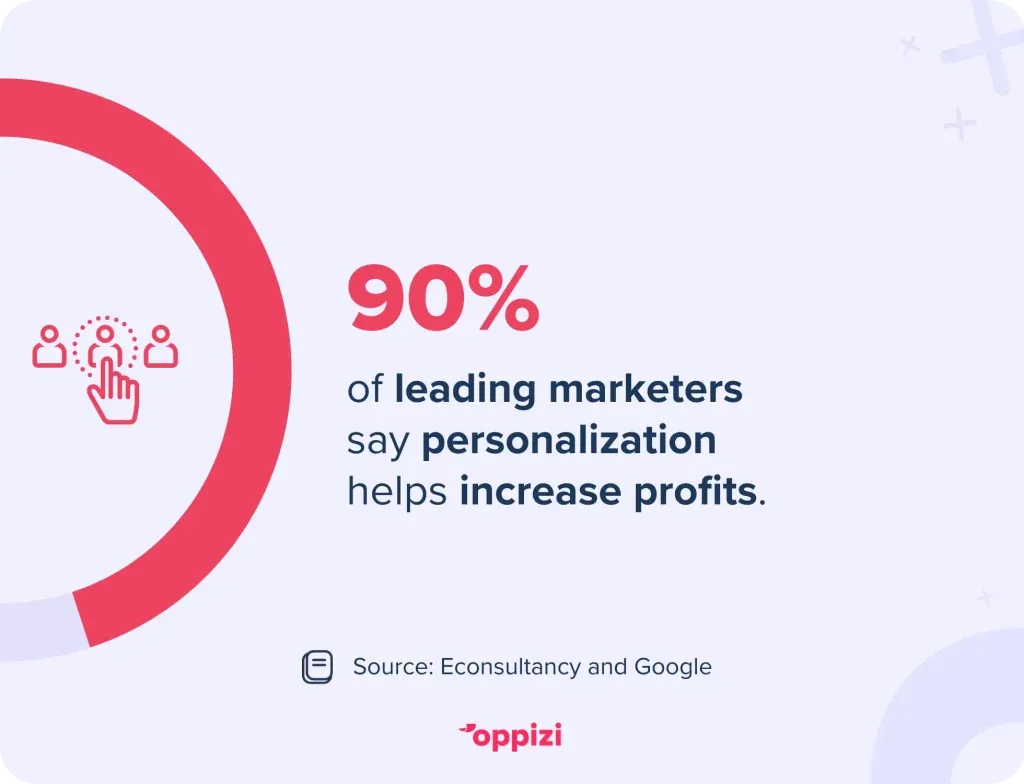
People see ads all day. Most don’t pay attention. But when something feels made for them, they stop and look. That’s the power of personalized marketing. In fact, 90% of leading marketers say personalization plays a major role in driving business profits.
Here’s why it works:
- It’s relevant. When the message matches what someone needs or cares about, they’re more likely to notice it.
- It builds trust. People feel seen when a brand remembers what they like or what they’ve done before.
- It performs better. Personalized messages get more clicks, more sales, and more loyal customers.
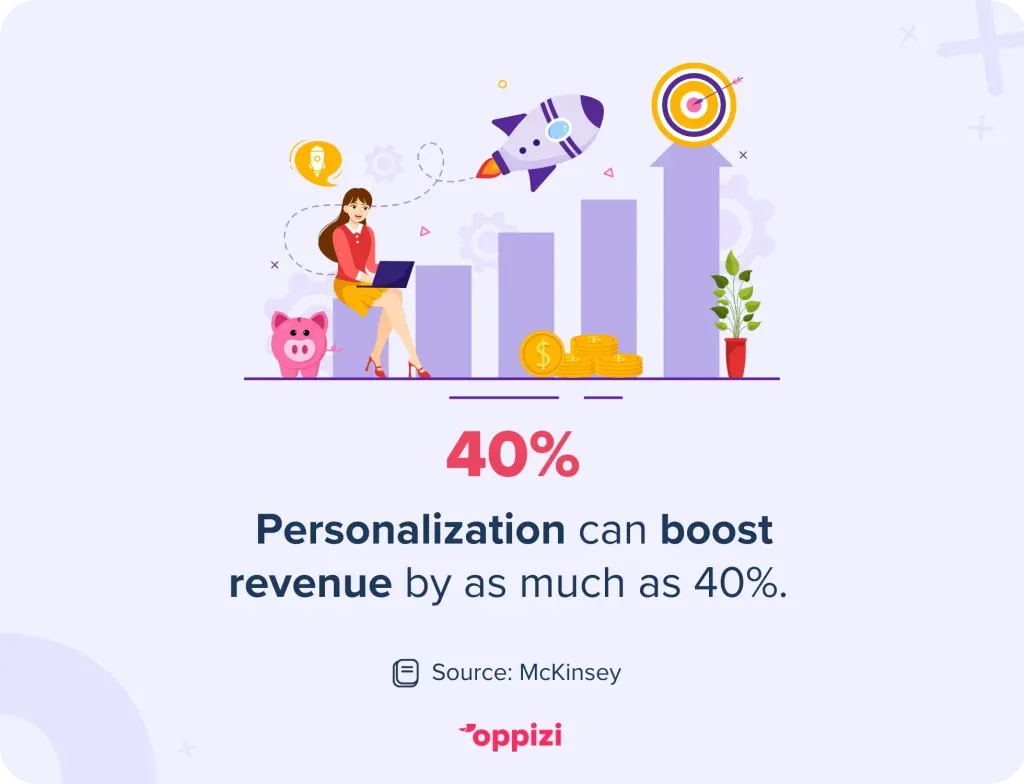
One study by McKinsey found that companies using personalization can make up to 40% more money than those that don’t. It’s not just a nice extra. It’s something that works.
Build your personalized marketing plan
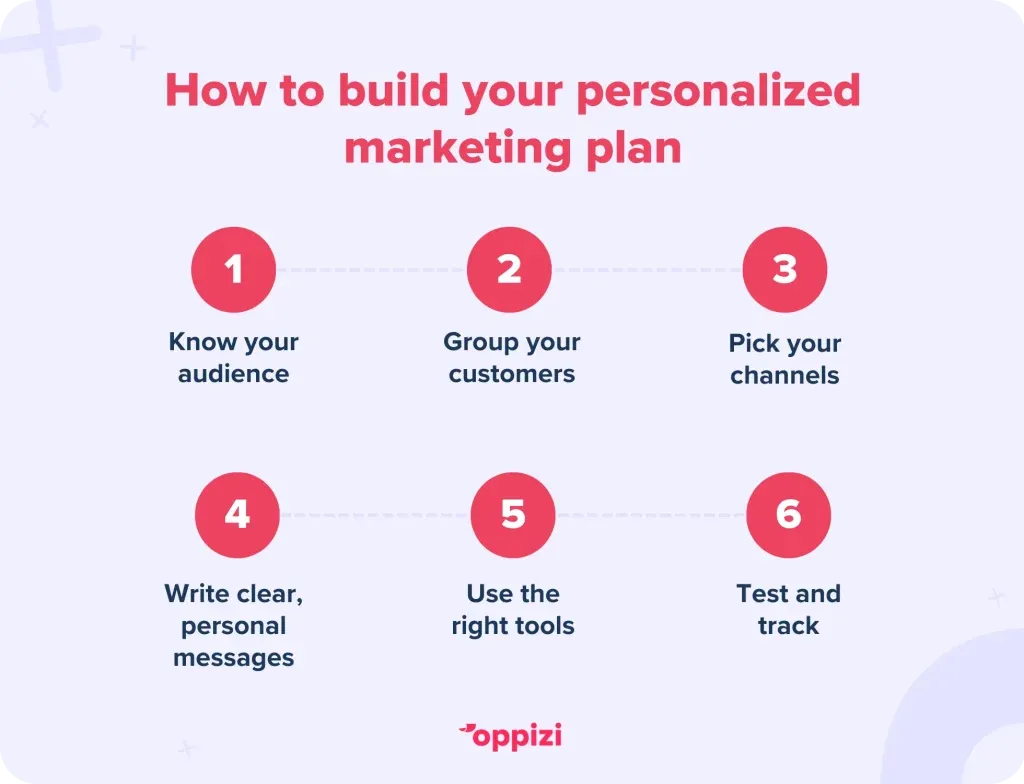
Before you start, you need a strong plan. Here’s what to focus on:
1. Know your audience
Start by learning about your customers. This can include:
- Age, gender, and location
- What pages they visit or products they look at
- What they’ve bought before
- How they like to be contacted
If you’re running offline campaigns like flyers or direct mail, use location and lifestyle data to reach the right people.
2. Group your customers
Not everyone should get the same message. Grouping your audience helps you send more relevant content. You can group them by:
- New or repeat customers
- People who spend a lot vs. those who don’t
- Where they live
- What they’ve shown interest in
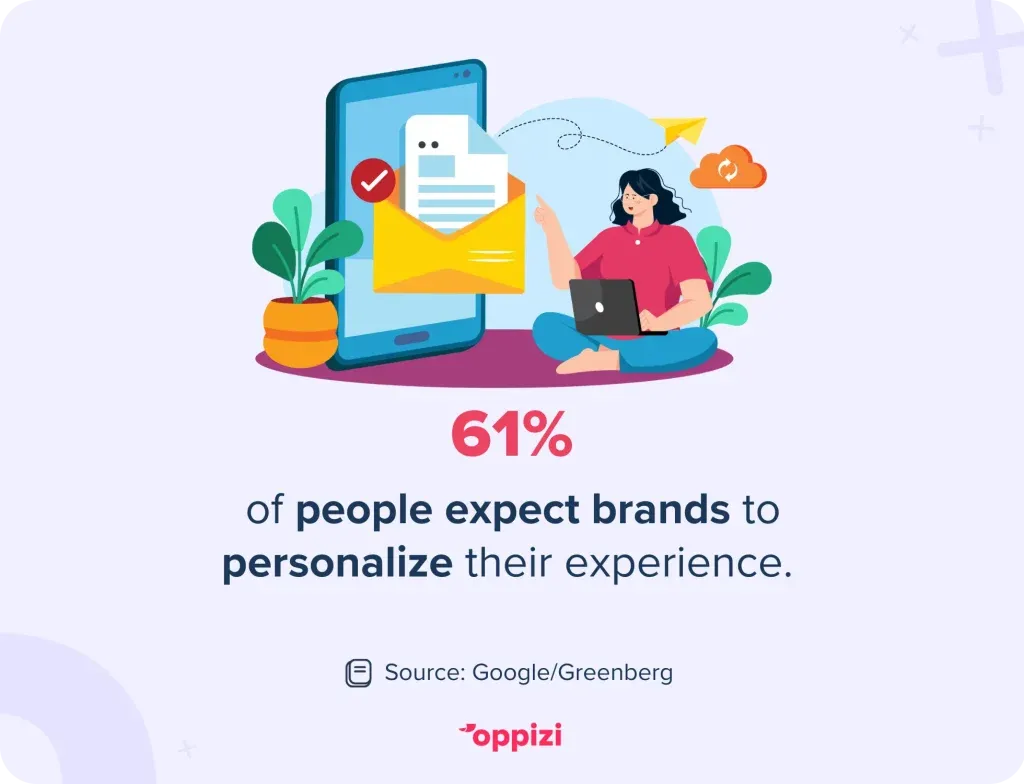
Grouping your customers enables you to craft your messages in a way that aligns with their personalities. This is essential considering that 61% of customers want brands to tailor experiences to their preferences.
3. Pick your channels
You can personalize messages across different platforms:
- Email: Use names, past orders, or custom suggestions
- Website: Show different banners based on the visitor
- Social media: Run ads that match a person’s habits or location
- Offline: Send flyers or postcards that match local interests
If you’re using direct mail or flyer distribution, a platform like Oppizi can help you target the right people, handle printing, and track how it performs, just like digital marketing.
4. Write clear, personal messages
Now it’s time to create your content. Keep it specific. A few examples:
- “Here’s 10% off your next order, John.”
- “We think you’ll like these new arrivals in your size.”
- “Still thinking about the bike you viewed last week?”
You can do this offline, too. Try adding a map to the closest store, a handwritten-style note, or a local offer that feels personal.
5. Use the right tools
There are many tools that help you collect data and send personalized messages. These include email platforms, automation tools, and customer data software. If you’re just starting out, keep it simple. Send a few messages based on easy-to-get data.
For offline campaigns, Oppizi gives you the same tools you’d expect online. You can manage who gets your flyers, where they go, and how well they work.
6. Test and track
No campaign is perfect right away. Try different messages, visuals, and offers. Track what gets opened, clicked, or redeemed. For offline marketing, use custom codes, printed URLs, or QR codes to see what’s working. The goal is to learn and improve as you go.
Personalized email marketing: a simple way to start
If you’re new to personalization, email is a great place to begin. Most email tools let you:
- Add someone’s name to the subject or message
- Send emails based on actions, like leaving items in a cart
- Suggest products based on what they’ve bought before
Start by sorting your email list into groups. Then, set up a few automated emails:
- A welcome email for new subscribers
- A birthday discount
- A message to win back customers who haven’t bought in a while
- A thank-you email after a purchase
Even small changes, like using someone’s name, can help your emails get more attention.
Personalized video marketing: powerful but underused
Video personalization is another strong tool. Instead of sending the same video to everyone, you create videos that mention the person’s name, job, or interests.
It works well for:
- Sales messages
- Product demos
- Customer onboarding
These videos can be created automatically with the right tools. They’re especially useful in B2B, where each lead matters. But they also work in B2C. A video that says, “Hi Sarah, here’s what’s new near you,” can leave a strong impression. Add a flyer or QR code, and the message feels even more personal.
Offline personalized marketing: just as powerful as digital
Personalization isn’t just for online marketing. It works offline, too. In some cases, even better. Here are a few ways to make offline marketing more personal:
- Direct mail: Send postcards with names, local maps, or offers based on past purchases
- Flyers: Target people by location, age, or interests
At Oppizi, we help brands do this. You can run personalized campaigns at scale. We handle printing, targeting, distribution, and tracking, so it feels personal, without extra work.
A real-world example: mixing online and offline
Let’s say you run a fitness studio. Here’s how you can use both online and offline personalization:
Step 1: Segment your audience
- People who signed up but never came to class
- Long-time members
- Locals who haven’t heard of you yet
Step 2: Online
- Send emails offering a free class to the first group
- Offer loyalty rewards to the second
- Run local Facebook ads for the third
Step 3: Offline
- Send flyers with the person’s name, a QR code, and the closest class time
- Focus on people who live within 5km of your studio
Step 4: Track it
- Use the QR codes to see who scanned them and who redeemed the offer
This is personalized marketing in real life. It’s not hard, but it can make a big difference.
Tools to help you get started with personalized marketing
You don’t need fancy tech to start personalizing your marketing. A few simple tools can go a long way.
Email tools:
- Mailchimp – Helps you group your audience and personalize emails with tags.
- Klaviyo – Great for online stores. Recommends products based on what customers bought before.
- ConvertKit – Easy to use. Perfect for creators and small businesses.
Flyer and mail tools:
- Oppizi – Makes it easy to send personalized flyers. You can choose where they go, what they say, and track results. We take care of printing and delivery too.
Other helpful tools:
- Canva – Design your own graphics for emails, flyers, or postcards.
- Typeform – Use surveys and quizzes to learn more about your audience.
- Google Analytics – See what people do on your website so you can tailor your messages.
These tools help you send messages that feel personal, without needing a full team.
Personalization ideas by business type
Need inspiration? Here are a few simple ways different businesses use personalized marketing:
Local services:
- Send a postcard with the person’s name and a seasonal offer.Example: “Hi Laura, need a spring AC checkup?”
- Use flyers with QR codes that link to booking pages based on ZIP code.
Online stores:
- After a customer buys something, send product suggestions by email.
- Follow up with emails or postcards offering related products.
Gyms and wellness studios:
- Offer free classes or upgrades based on past visits.Example: “Haven’t seen you in a while. Want a free yoga class?”
- Hand out flyers in areas that match your ideal audience—families, young adults, older adults, etc.
Real estate:
- Send videos that show homes based on what the person is looking for.
- Use flyers or door hangers with the person’s name and local info.
Any business, from a small boutique to a car dealership, can do this. A message that feels personal is more likely to get a response.
Common mistakes to avoid
Here are a few things to keep in mind when you start:
- Too personal – Don’t go overboard. Stick to what’s helpful.
- Just using a name – Personalization is more than that. Use what you know about their behavior or interests.
- Forgetting about offline – Don’t skip flyers or mail. They can be more memorable than digital ads.
- Not tracking – If you don’t measure results, you won’t know what works. Always test and adjust.
FAQ: What is personalized marketing?
What is meant by personalized marketing?
Personalized marketing is when businesses send messages made just for certain people instead of everyone. It could be using someone’s name in an email, suggesting products based on what they bought before, or sending offers based on where they live. The goal is to make the message feel useful and relevant. That way, people pay more attention and are more likely to buy.
What is an example of personalized marketing?
Imagine a skincare brand knows a customer bought moisturizer last winter. This year, they send that person an email saying, “Need to stock up on your favorite winter moisturizer? Get 15% off today.” It’s not just a random sale. It’s a message that fits what the customer actually needs. That’s personalized marketing in action.
Why is personalized marketing important?
Because it works. People respond better to messages that feel made just for them. Personalized marketing helps you get:
- More email opens and clicks
- More sales and sign-ups
- Stronger relationships with customers
When a message fits, it stands out. People notice it and act.
What is the theory of personalized marketing?
It’s simple. When you match your message to what someone likes or needs, it works better. This comes from studies about how people behave and what they want. Instead of guessing, businesses use data to understand customers and talk to them in a way that makes sense. It’s less about shouting at everyone and more about talking to each person.
Personalized marketing made easy
You don’t need a big budget or a full team to start. Begin small and focus on sending relevant messages. Whether it’s emails, videos, or flyers, the key is making each customer feel like you’re talking just to them.
If you want to try offline personalization, Oppizi can help. Our platform handles printing, tracking, and sending flyers so you can focus on your customers. Try Oppizi today and see how simple offline marketing can bring real results.