Last updated July 23, 2026
B2B marketing plays a major role in the way businesses sell products and services to other businesses. Unlike marketing to individual consumers, B2B marketing focuses on meeting the professional needs of organizations, targeting decision-makers who are looking for solutions that can improve their company's efficiency, productivity, or bottom line. B2B marketing isn’t about catchy ads or quick sales. It’s about earning trust, showing value, and helping businesses make smart choices. If you sell to other businesses, your marketing needs to focus on facts, efficiency, and results.
This guide keeps things simple. You’ll learn what B2B marketing is, why it matters, and how to do it right. Whether you're just getting started or fine-tuning your strategy, this will help you get better results.
What is B2B marketing?
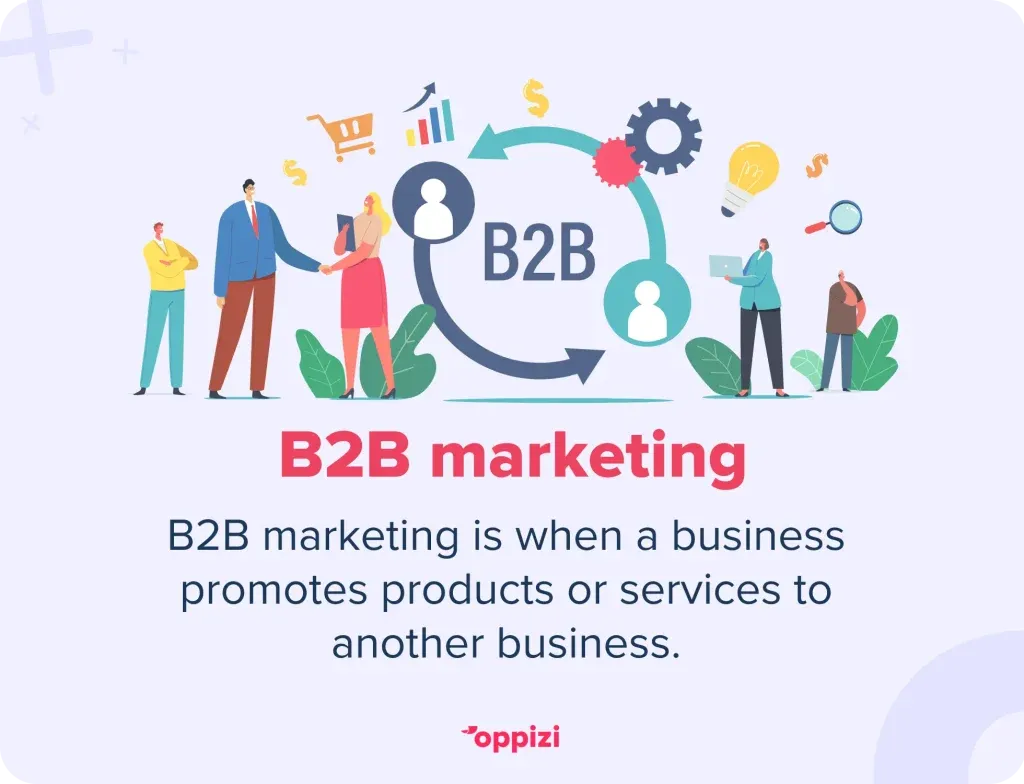
B2B marketing is all about promoting products and services to other businesses, organizations, and resellers. Unlike B2C marketing, which targets individual shoppers, B2B marketing is aimed at decision-makers in companies who handle large purchases.
The focus here is on building trust, showing expertise, and providing long-term value.
How B2B marketing works
The B2B buying process is usually longer and more complicated than B2C sales. When businesses make purchases, several people are involved. They need to do a lot of research, and the costs are often higher, with lasting effects on the company.
Successful B2B marketing focuses on a few key things:
- Building strong relationships with decision-makers.
- Providing detailed content that helps them make informed choices.
- Showing expertise and ROI to highlight long-term benefits.
In contrast, B2C marketing is more emotional and often driven by quick decisions. It appeals to individual consumers and has shorter sales cycles.

B2B vs. B2C: Key differences
The main difference between B2B and B2C marketing is the target audience. B2B focuses on businesses, while B2C targets individual consumers. B2C marketing often aims for quick, emotional purchases, while B2B marketing emphasizes strategic decisions, long-term partnerships, and measurable value.
Why B2B marketing matters: Growth, brand awareness, and customer loyalty
B2B marketing is important for businesses that want to grow, stand out, and build strong relationships with other brands. It helps connect with key decision-makers, generate valuable leads, and build long-term trust. Here’s why investing in B2B marketing is a smart choice.
1. Driving business growth with targeted leads
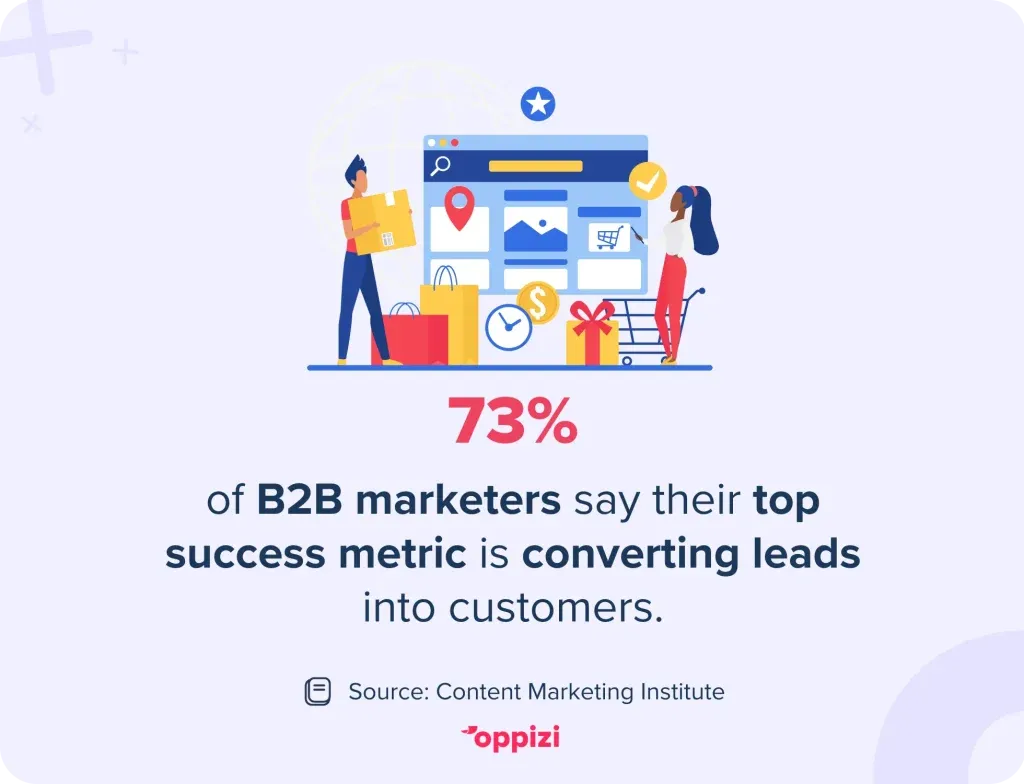
B2B marketing targets the right decision-makers. This ensures your efforts attract qualified leads that are likely to convert. 73% of B2B marketers say lead conversions are their main success measure. Focusing on the right people leads to bigger deals and faster growth
2. Increasing brand awareness and industry credibility
B2B marketing isn’t just about making sales. It’s about positioning your company as a trusted expert. 84% of B2B marketers report that content marketing helps boost brand awareness. By sharing valuable insights, case studies, and targeted campaigns, your business becomes the go-to choice for solutions. A strong brand makes it easier to attract and keep customers.
3. Strengthening relationships and improving customer retention
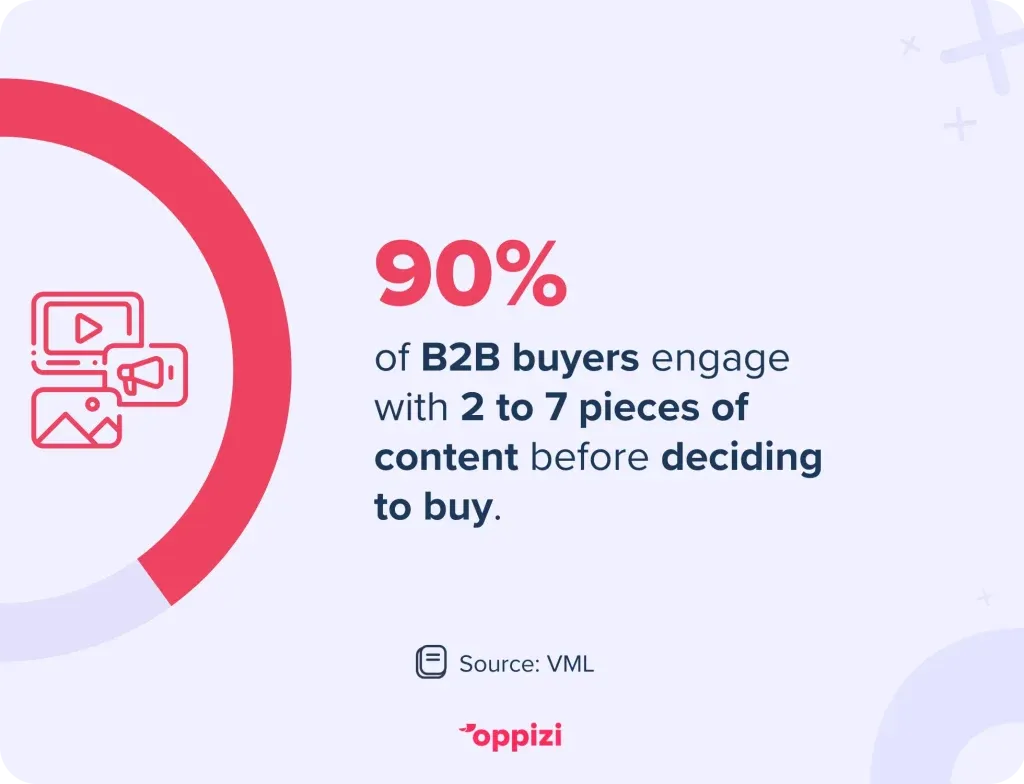
B2B marketing focuses on long-term partnerships, not just one-time sales. Strong relationships lead to repeat business, referrals, and higher customer lifetime value. 90% of B2B buyers engage with 2 to 7 pieces of content before making a decision. Providing personalized communication and valuable content builds trust and keeps clients engaged over time.
Understanding your B2B audience: How to connect, engage, and convert
Knowing your audience is key in B2B marketing. The better you understand their needs and challenges, the more effective your marketing will be. Here’s what to focus on:
1. Targeting key decision-makers
B2B marketing is about reaching the people who make purchasing decisions. These decision-makers look at ROI, efficiency, and business impact before committing. Your messaging should focus on solving their problems and delivering clear value.
2. Appealing to logic and data-driven decisions
B2B buyers don’t make impulse purchases like B2C buyers do. They rely on data and research to guide their choices. Their decisions are based on practical benefits, cost-effectiveness, and long-term value. Show how your product or service can improve efficiency, cut costs, or boost productivity.
3. Building trust and long-term relationships
B2B transactions are usually not one-time deals. Successful marketing focuses on nurturing relationships and building credibility. Sales cycles are longer, so consistent communication and personalized engagement are essential. Providing great customer service and sharing insightful content helps strengthen loyalty and encourages repeat business.
B2B marketing strategies: Key tactics for growth and engagement
B2B marketing strategies can vary based on your goals and audience. However, the best approaches focus on building trust, generating high-quality leads, and nurturing long-term relationships. Here are five essential B2B marketing strategies to consider.
1. Content marketing: Establish authority and build trust
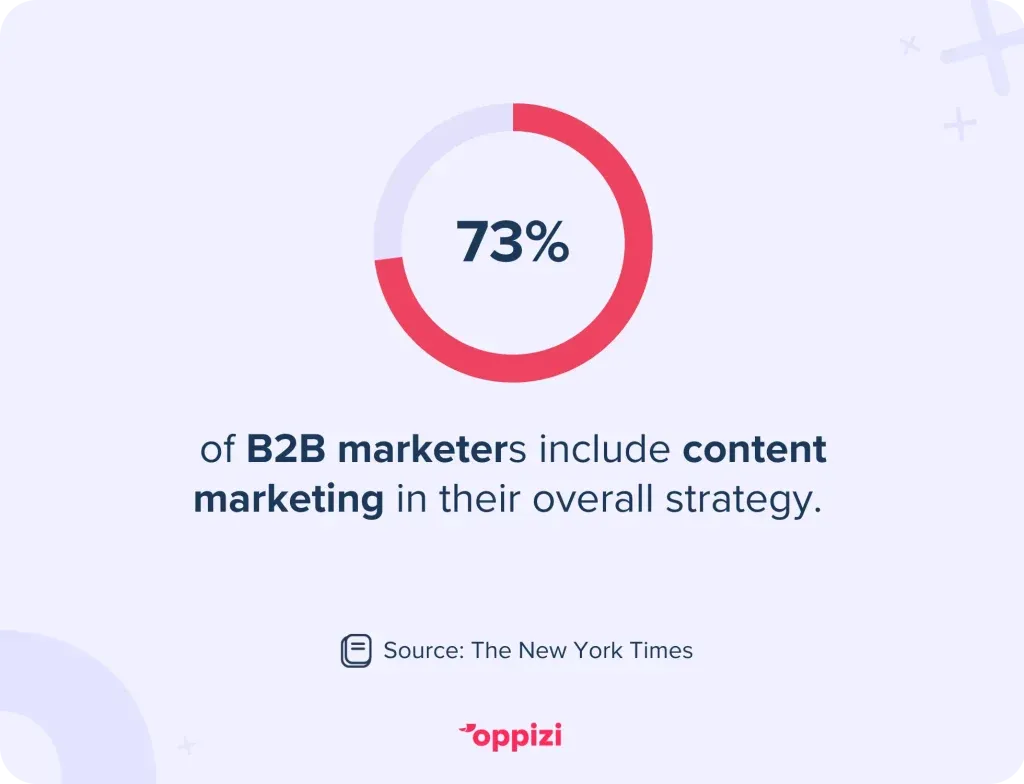
Content marketing is crucial for B2B success. In fact, 73% of B2B marketers include it in their strategy. High-quality content helps position your brand as a leader in your industry and educates potential buyers.
Create blogs, case studies, and white papers to showcase your expertise. Use data-driven insights to address customer pain points and build credibility.
2. Account-based marketing (ABM): Target high-value clients
ABM is all about personalized marketing for high-revenue accounts. Instead of broad outreach, focus on a few key accounts with the most potential. Tailor your marketing messages and campaigns to meet their specific needs.
3. Social media marketing: Engage decision-makers
LinkedIn is the top platform for B2B marketing, but Twitter and Facebook can also help. Share industry insights, case studies, and company updates to increase your brand visibility. Use LinkedIn Ads and direct outreach to connect with decision-makers.
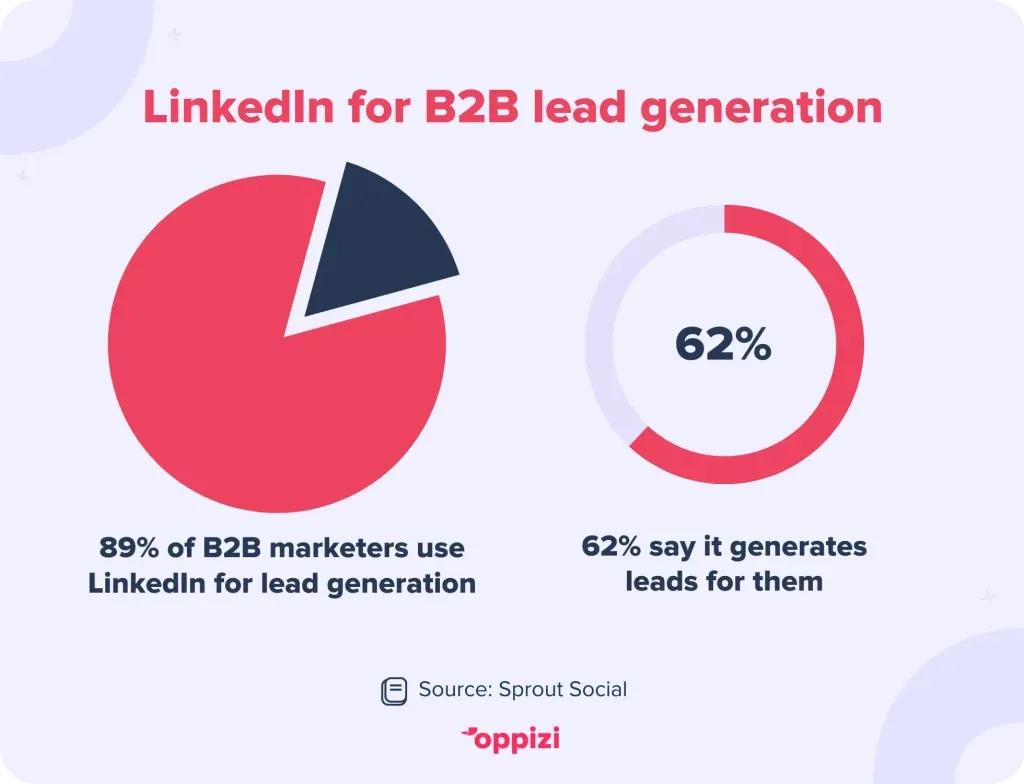
In fact, 89% of B2B marketers use LinkedIn for lead generation and 62% say it produces leads for them. If you’re not leveraging this platform, you could be missing out on a wealth of opportunities.
4. Email marketing: Nurture leads with personalization
Email is still a top-performing channel in B2B marketing when done right. Segment your email lists based on demographics, buying behavior, and past interactions. Send targeted content that aligns with each stage of the buyer’s journey.
5. Trade shows and industry events: Network and generate leads
Attending trade shows and industry conferences gives you direct access to key decision-makers. You can showcase your products and services in a focused environment. This helps build brand credibility and create face-to-face connections with potential clients.
How to build an effective B2B marketing strategy
Getting started with B2B marketing can feel overwhelming. But with the right strategy, it can be a powerful way to attract clients, build credibility, and increase sales. Here are some key steps to create a successful B2B marketing plan.
1. Define your ideal B2B customer profile
Understanding your target audience is essential. Identify the businesses that will benefit most from your products or services. Think about their industry, company size, budget, and who makes the decisions. Create detailed buyer personas to guide your messaging.
2. Research your audience’s Pain points and challenges
To tailor your marketing effectively, you need to know your audience well. Conduct surveys and interviews to find out their challenges. Look at what your competitors are doing and identify gaps in the market. Use these insights to create messages that address their needs.
3. Create a valuable content marketing strategy
High-quality content helps position your business as a trusted authority. Develop white papers, case studies, blog posts, webinars, and industry reports. Provide actionable insights and solutions to the challenges your audience faces. Make sure to update your content regularly to keep it relevant.
4. Choose the right B2B marketing channels
Using the right platforms is key to reaching your audience. Identify where your prospects spend their time, such as LinkedIn, industry forums, email newsletters, and trade publications. Use a mix of channels to maximize your reach. Combine organic strategies like SEO and content marketing with paid ads for better results.

5. Track performance and optimize your strategy
Improving your strategy over time is important for long-term success. Set clear goals and metrics to measure how effective your marketing is. Use analytics tools to track engagement, conversions, and return on investment. Adjust your approach based on the data you collect to keep refining your strategy.
B2B marketing automation: Streamline your strategy
B2B marketing automation helps businesses save time and work more efficiently. It automates repetitive tasks so you can focus on what matters. With the right tools, you can generate leads, nurture prospects, and personalize customer interactions easily.
Key benefits of B2B marketing automation
- Lead nurturing: Automated email sequences keep prospects engaged throughout their buying journey.
- Personalization at scale: AI-driven insights help you deliver targeted content based on user behavior.
- Better sales alignment: Automated workflows ensure your sales team gets warm leads ready to convert.
- Data-driven decisions: Advanced analytics help you optimize your campaigns and improve your return on investment.
Best practices for B2B marketing automation
- Segment your audience: Group leads by industry, company size, or engagement level to send targeted messages.
- Use lead scoring: Prioritize high-intent leads by giving them scores based on their interactions.
- Automate email marketing: Send personalized follow-ups, reminders, and nurturing emails.
- Integrate with CRM tools: Sync your marketing and sales data for better communication and tracking.
Using these strategies can help you make the most of B2B marketing automation.
B2B SaaS marketing: Strategies to attract and keep clients
Marketing for B2B SaaS companies focuses on the customer. You need a data-driven approach to generate leads and keep customers coming back. Since SaaS products usually involve ongoing subscriptions, it’s important to show long-term value and reduce churn.
Essential B2B SaaS marketing strategies
- Freemium and free trials: Allow prospects to try the product before they buy.
- Educational content marketing: Share blog posts, webinars, and white papers to show your expertise.
- SEO-driven demand generation: Optimize your landing pages, blogs, and product pages to rank for key SaaS terms.
- Strong onboarding experience: Help new users with in-app tutorials and automated emails.
- Customer success programs: Provide proactive support and resources to improve retention.

Growth hacks for B2B SaaS companies
- Referral programs: Encourage happy users to bring in new customers.
- Social proof and case studies: Share success stories to build trust with prospects.
- Retargeting ads: Reach out to website visitors who didn’t convert.
- Live demos and webinars: Offer interactive product demonstrations to engage potential clients.
These strategies can help you attract and retain clients for your B2B SaaS business.
B2B inbound marketing tips: Attract, engage, and convert
Inbound marketing is all about attracting potential customers with valuable content instead of interruptive ads. This method is important for B2B brands that want to build trust and develop long-term relationships.
Top B2B inbound marketing strategies
- SEO-optimized content: Publish blogs, guides, and case studies that focus on high-intent keywords.
- Lead magnets: Offer things like white papers, templates, or exclusive reports in exchange for email sign-ups.
- Email nurturing sequences: Use automated email campaigns to keep leads engaged over time.
- Webinars and virtual events: Share your knowledge and generate leads with live sessions.Social media engagement: Share useful insights and join in on industry discussions.
Best practices for maximizing inbound marketing success
- Create high-quality, evergreen content: Focus on providing long-term value instead of just following trends.
- Optimize for conversions: Use clear calls to action (CTAs) and landing pages that encourage action.
- Repurpose content: Turn blogs into videos, infographics, and social posts to reach more people.
- Analyze and refine strategies: Use analytics tools to measure engagement and tweak your approach as needed.
By using these B2B inbound marketing strategies, businesses can attract the right audience, nurture leads effectively, and boost conversions over time.
B2B marketing FAQ: Key concepts and strategies
What does B2B marketing mean?
B2B (business-to-business) marketing is all about how companies promote their products or services to other businesses instead of individual consumers. The focus is on building relationships with decision-makers, showcasing expertise, and showing how your solutions can improve efficiency and profits.
What are the 4 types of B2B marketing?
The four main types of B2B marketing are:
- B2B product marketing: Selling physical or digital products to businesses, like software or industrial equipment.
- B2B service marketing: Promoting professional services, such as consulting or logistics.
- B2B digital marketing: Using online channels like content marketing, SEO, and PPC to generate leads.
- B2B traditional marketing: Using offline methods like direct mail, trade shows, and print advertising.
What are the 4 C’s of B2B marketing?
The 4 C’s focus on strategies centered around the customer:
- Customer: Understanding the needs and challenges of your target businesses.Cost: Highlighting the value and return on investment instead of just the price.
- Convenience: Making it easy for businesses to engage with your brand.
- Communication: Building trust through clear and helpful messaging.
What are the 7 P’s of B2B marketing?
The 7 P’s help businesses structure their marketing strategies:
- Product: Offering solutions that meet the needs of other businesses.
- Price: Setting competitive prices that reflect value.
- Place: Choosing the right channels to distribute your products or services.
- Promotion: Using both digital and offline tactics to reach decision-makers.
- People: Training teams to provide great service.
- Process: Making the customer journey smooth and efficient.
- Physical Evidence: Providing testimonials and case studies to show your value.
What are the 5 C’s of marketing?
The 5 C’s provide a framework for marketing success:
- Company: Understanding your brand’s strengths and what makes you unique.
- Customers: Identifying the needs and behaviors of your target audience.
- Competitors: Analyzing the competition to differentiate your brand.
- Collaborators: Leveraging partnerships and vendors for growth.
- Context: Considering market trends and external factors that influence business decisions.
By mastering these B2B marketing concepts, businesses can create effective campaigns that drive growth and success over time.
Final thoughts on B2B marketing
B2B marketing comes down to three things: the right message, the right people, and the right approach. It’s not about pushing a sale—it’s about solving problems and building real connections.
We’ve covered the basics: reaching decision-makers, using data to guide your strategy, and choosing the best marketing channels. Now it’s time to put it into action. Stay consistent, focus on value, and build trust. The results will follow.If you want to outpace your competitors, don’t just market—market smarter.
Oppizi’s B2B direct mail gets results. It drives growth, keeps customers coming back, and does the heavy lifting for you. Ready to make every marketing dollar count? Get started today.