Last updated July 28, 2026
Want to know the secret to attracting new customers without breaking the bank? It’s simpler than you think—just ask your happy customers to spread the word.
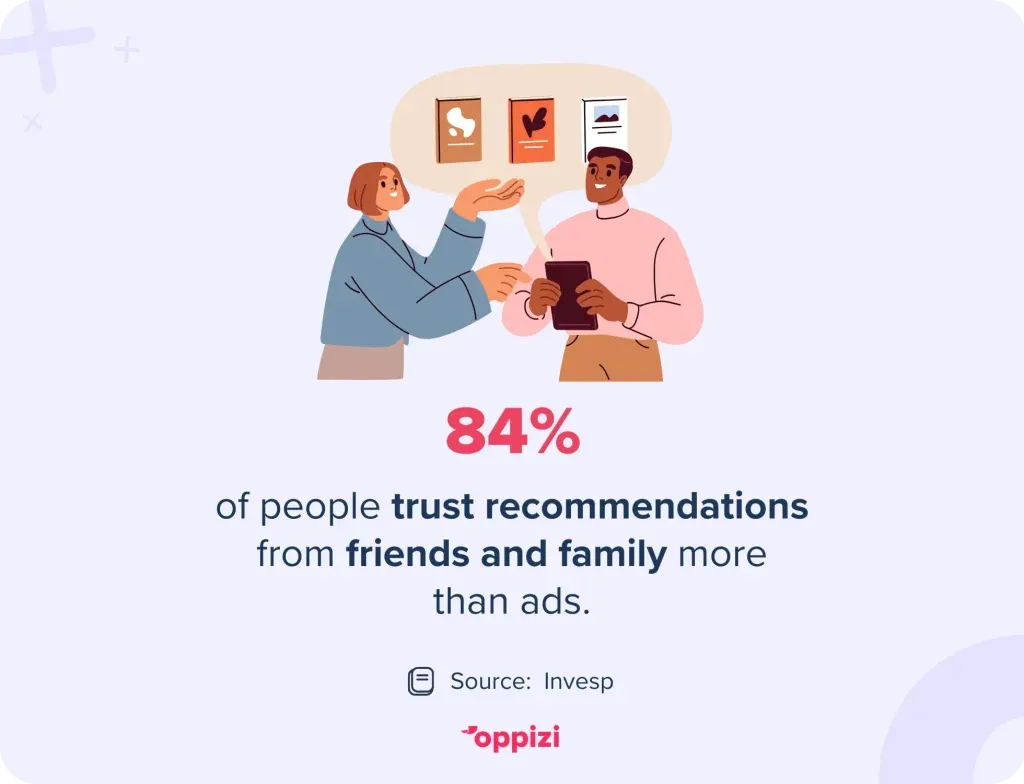
Most people trust recommendations from friends and family more than ads. In fact, 84% of consumers do. And referrals? They convert 30% better than other leads.
That’s why referral marketing works so well. It helps businesses get more customers, keep them longer, and build loyalty. But how do you start a referral program that actually works? Let’s break it down.
What is referral marketing?
Referral marketing is simple. It’s when your happy customers tell their friends about you. In return, you reward them for spreading the word. It’s a win-win. They get perks. You get new customers who already trust you.
Why does referral marketing work?
- People trust their friends. A referral makes someone 4x more likely to buy.
- It’s cost-effective. You spend less than on traditional ads.
- Customers stick around. Referred customers stay longer and spend more.
Want to grow your business? Get people talking. Referral marketing makes it happen.
The key benefits of referral marketing
A good referral program can do big things for your business. Here’s why:
1. Get more customers
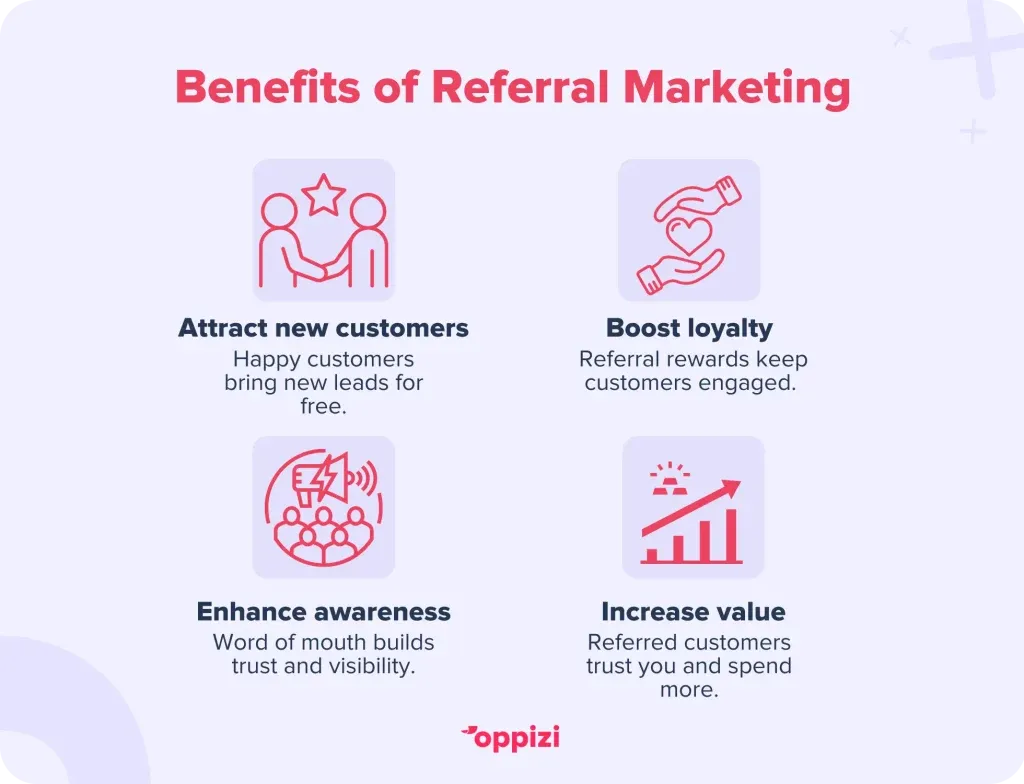
People trust recommendations from friends. When happy customers share their experience, it brings in new leads—without the high cost of ads.
2. Keep customers longer
Rewards for referrals keep customers engaged. They stick around, buy more, and stay loyal.
3. Build brand awareness
The more people talk about your business, the more others notice. A strong referral program spreads the word and builds trust.
4. Increase customer value
Referred customers start with trust. That means they buy more and stay longer, making them even more valuable. Want steady growth? Get your customers talking.

The pillars of a successful referral program
A great referral program needs a few key things to work well:
Rewards people want
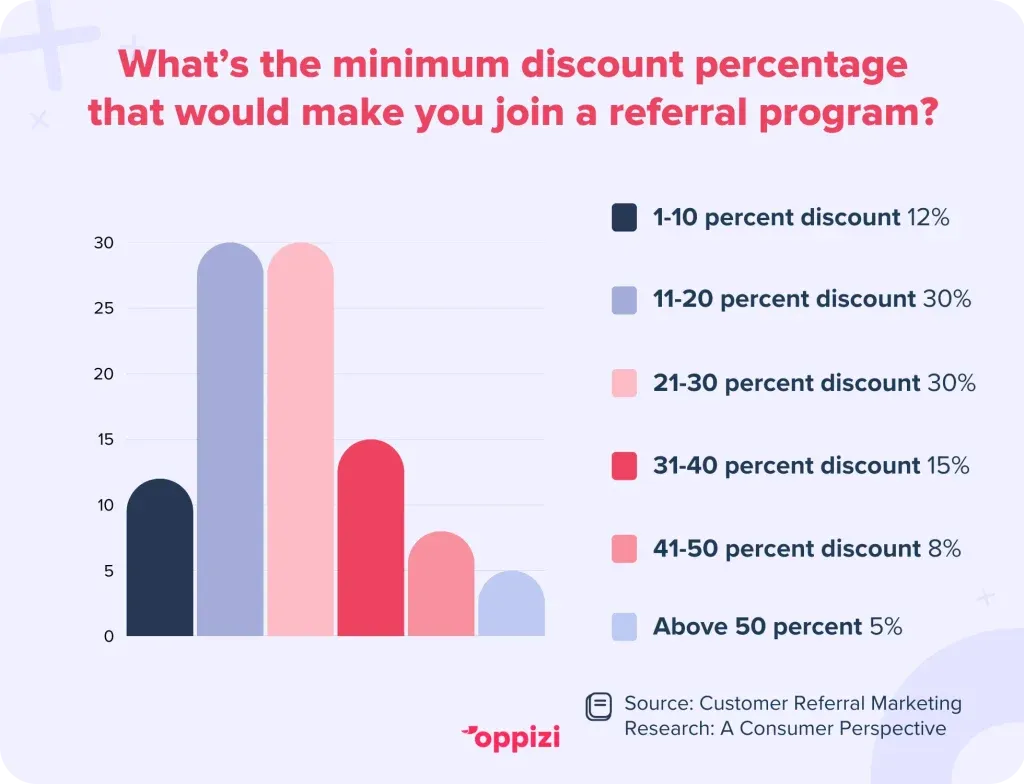
Give customers a good reason to refer others. Discounts, free products, cash, or VIP perks work well. Make sure both the referrer and the new customer benefit. Consumers know what they want from refer-a-friend programs. They expect rewards that are worth their time.
When it comes to cash rewards, they look for at least $21 in value. But studies show that the typical store credit is just $10, which isn’t enough to encourage most people to participate.
An easy process
If it’s complicated, people won’t bother. Make sharing simple with easy-to-use referral links or codes. The smoother the process, the more people will participate.
Accurate tracking
You need to know what’s working. Use referral software or a CRM to track referrals, monitor conversions, and send rewards automatically.
Room to grow
Your program should work just as well when you have 10 participants or 10,000. Set it up in a way that scales as your business grows.
Promotion on every channel
Don’t rely on just one method. Use social media, email, and even offline marketing like flyers (Oppizi can help with that) to spread the word.
Make it simple, rewarding, and easy to track—then watch your referrals roll in.
How to create a referral program that works
Want more customers through referrals? Here’s how to set up a program that gets results.
Step 1: Set clear goals
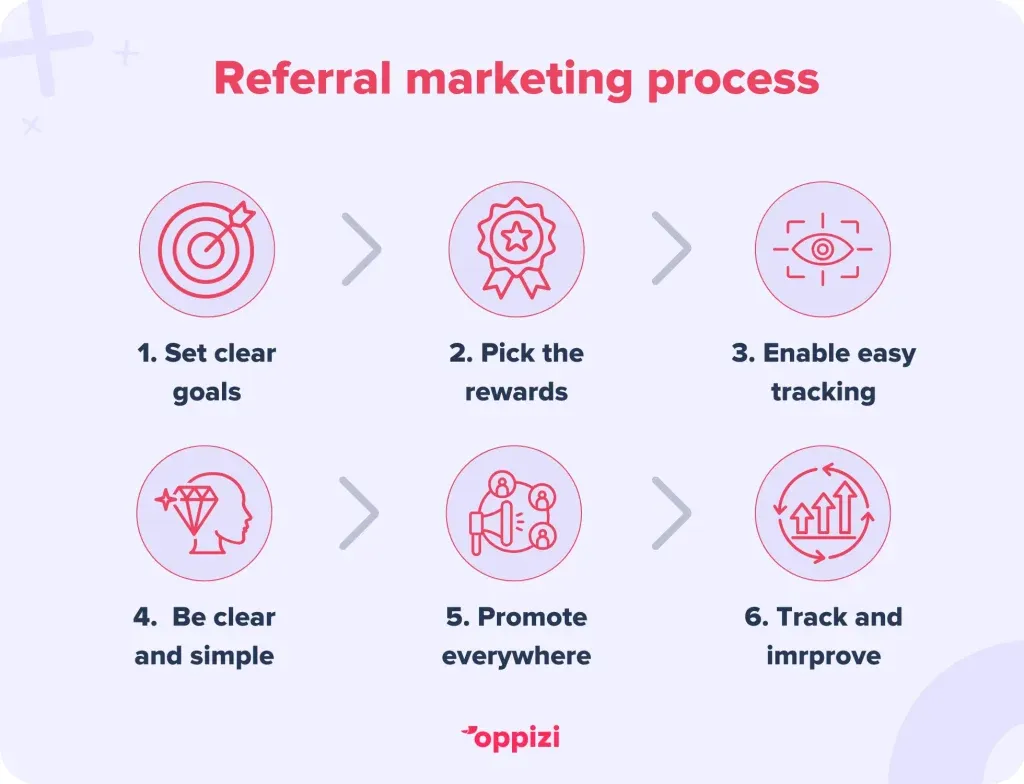
What do you want to achieve? More sales, repeat customers, or email sign-ups? Knowing this helps shape your plan.
Step 2: Pick the right rewards
People need a reason to refer. Choose rewards that make sense for your business and customers, like:
- Discounts on future purchases
- Free products or services
- Early access to new features
- Cash rewards or gift cards
Step 3: Make tracking easy
Give each customer a unique referral link or code. This keeps everything organized and makes sure people get the right rewards.
Step 4: Keep the message simple
Tell people why they should join and how easy it is. Use clear, friendly language that makes them want to share.
Step 5: Promote it everywhere
Put it on your website, social media, and emails. If you do offline marketing, use flyers or in-store signs. The more people see it, the better.
Step 6: Track and improve
Check your numbers. How many referrals are coming in? How many turn into customers? Use that data to tweak and improve your program.
Make it simple, rewarding, and easy to share. That’s how you turn happy customers into your best marketers.

Successful referral programs that worked
Some of the biggest brands grew fast using referral marketing. Here’s how:
1. Dropbox
Dropbox gave users free storage for every friend they invited. Both the referrer and the new user got extra space. This simple reward helped Dropbox grow its user base by 3,900% in just 15 months.
2. Airbnb
Airbnb gave travel credits to both the referrer and the new user. This encouraged people to invite friends and made it easier for new users to book their first stay. The program helped Airbnb expand worldwide.
3. Tesla
Tesla’s referral program offered big rewards—free Supercharging, exclusive gear, and even a chance to win a new car. These high-value incentives got people excited and drove tons of referrals.
4. Blume
Blume’s ‘Become-a-Blume-Buddy’ program gave both the referrer and the new customer a 10% discount. It was simple but effective, helping Blume grow a loyal customer base and boost repeat sales.
A great referral program doesn’t have to be complicated. The best ones offer rewards people actually want and make sharing easy.
Referral marketing mistakes to avoid
Even great referral programs can fail. Here’s what to watch out for:
- Confusing rewards: If people don’t know what they’re getting, they won’t bother. Make the rewards clear and easy to understand.
- A complicated process: Too many steps? People will give up. Make sharing a referral quick and simple.
- No tracking: If you’re not tracking referrals, you won’t know what’s working. Use tools like Google Analytics or referral software to keep tabs on performance.
- Not telling people about it: A referral program won’t work if no one knows it exists. Promote it everywhere—email, social media, your website, even in-store or on flyers.
Make it easy, make it clear, and get the word out. That’s how you build a referral program that actually works.
Using referral marketing in direct mail campaigns
Direct mail can be a great way to boost your referral marketing. Here’s how to make it work for you:
Personalized Invitations
Send direct mail pieces that invite your current customers to join your referral program. Use their names to make it feel personal. Highlight the rewards they can earn for referring friends and family.
Clear incentives
Be clear about the rewards for both the referrer and the new customer. You could include a coupon or a special promo code in the mailer. A tangible reward can motivate people to take action.
Eye-catching designs
Make your mail stand out with bold designs and simple messages. Use nice images and clear copy to explain the benefits of your referral program. A good-looking piece will grab attention and encourage sharing.
Simple instructions
Give easy steps on how to refer someone. Include a unique referral link or code that’s easy to remember. The easier you make it, the more likely customers will join in.
5. Track your results
Use specific codes or links in your direct mail to keep track of referrals. This helps you see what’s working and what isn’t so you can improve your strategy.

Follow up
After sending your direct mail, follow up with a quick email or phone call. This reminds recipients about the referral program and reinforces the benefits of getting involved.
By using referral marketing in your direct mail campaigns, you can tap into the trust your existing customers have to bring in new business and strengthen your brand.
How to know if your referral program is working
Want to see if your referral program is paying off? Here’s what to track:
- Referral rate: How many customers are actually referring others? A high number means people like your program.
- Conversion rate: How many referrals turn into paying customers? This tells you if your program is bringing in quality leads.
- Customer lifetime value (CLTV): How much do referred customers spend over time? If they stick around and spend more, your program is attracting loyal buyers.
- Return on investment (ROI): Compare what you’re spending on the program to what you’re earning. If you’re making more than you spend, it’s working.
How referral marketing compares to other strategies
- It’s cheaper: Referral marketing usually costs less than paid ads.
- It’s more trusted: People trust friends and family more than influencers or ads.
- It lasts longer: Ads stop working when the budget runs out. A good referral program keeps bringing in new customers over time.
Keep it simple. Track the right numbers, and you’ll know if your referral program is a success.
What’s next for referral marketing?
Referral marketing is evolving. Here are some trends to watch:
1. Gamification
Turning referrals into a game with leaderboards, badges, or bonus rewards keeps people engaged.
2. Blockchain for tracking
Blockchain makes referral tracking more secure and transparent, so no one can cheat the system.
3. Personalization
Businesses are using data to tailor referral offers, making them more relevant to each customer. Referral marketing is getting smarter, more fun, and more secure. The easier and more rewarding it is, the more people will participate.
FAQs About Referral Marketing
1. Is referral marketing legal?
Yes, but you need to follow the rules. Here’s what to keep in mind:
- Be clear. Tell people how your referral program works, including rewards.
- Follow privacy laws. If you use emails, follow CAN-SPAM. If you're in the EU, comply with GDPR.
- Be honest. Don’t mislead people about rewards or benefits.If you're unsure, check with a legal expert.
2. What’s an example of referral selling?
Referral selling happens when businesses reward customers for bringing in new ones.
- Dropbox gave users extra storage when they referred friends. This helped them grow by 3,900% in 15 months.
- Tesla offered perks like free Supercharging or even a free car for successful referrals.A good referral program benefits both the referrer and the new customer.
3. What’s the difference between affiliate and referral marketing?
Both involve promoting products, but they work differently:
- Affiliate marketing: Third-party marketers earn commissions for sales.
- Referral marketing: Existing customers refer friends and both get rewards.Affiliate marketing is about reaching new audiences. Referral marketing is built on trust.
4. What’s the referral method?
It’s a way to grow your business by encouraging happy customers to recommend you. It works because:
- People trust personal recommendations.
- Rewards motivate sharing.
- Unique links or codes track success.
5. What are the 6 steps in a referral program?
- Set a goal. Do you want more sales, customers, or engagement?
- Pick the right rewards. Discounts, free products, or cash work well.
- Make it easy. Give people simple links or codes to share.
- Promote it. Use emails, social media, and even offline marketing (Oppizi can help with flyers).
- Track results. Measure referrals, conversions, and revenue.
- Improve and scale. See what works, make changes, and grow.
A great referral program is simple, rewarding, and easy to share.
Final thoughts
Referral marketing is one of the best ways to grow your business. Happy customers bring in new ones, and that kind of trust is priceless. A well-planned referral program makes it easy for people to share your brand and get rewarded.
At Oppizi, we help businesses create marketing strategies that work to reach people in the real world with offline solutions.
Want to grow faster? Get in on the action with our user-friendly platform. It’s your secret weapon to amplify your presence and connect with customers exactly where you want them.