Last updated September 28, 2026
The hardest part of growth isn’t getting new customers. It’s keeping them. Most companies spend big on acquisition. But the real money comes from retention. Loyal customers buy more, spend more often, and tell others about you.
Still, many brands put most of their energy into finding new leads instead of caring for the ones they already have.
If you want steady growth, you need to know which customer retention marketing channels work best. The right mix can turn a one-time buyer into a long-term customer.
This guide walks you through the top retention channels, how to use them, and which numbers to track so you can see real results.
The 8 most powerful ways to keep customers for life
Here are the channels that work best for keeping customers loyal.
1. Email marketing
Email is still the foundation of retention because it gives brands a direct line to customers without relying on algorithms or third-party platforms. Unlike ads that fight for attention, emails land right in the inbox, where customers are more likely to engage on their own terms.
It’s also one of the most cost-effective retention tools, with a proven track record of driving repeat purchases and building loyalty over time. Best of all, every campaign is measurable, so you can see exactly how emails influence customer behavior and long-term value.
How to use it:
- Send onboarding emails that guide customers after their first purchase.
- Share product recommendations based on what they’ve already bought.
- Run loyalty campaigns with early access and special offers.
- Reconnect with inactive customers through win-back emails.
Tips for success:
- Segment your list so you don’t send the same email to everyone.
- Write short, personal subject lines.
- Test different send times and frequencies to improve open rates.
Key metrics: open rates, click-through rates, repeat purchase rate.
Example:
Spotify’s annual “Wrapped” campaign shows the power of personalized email. By giving users a custom summary of their listening habits, Spotify saw app usage jump about 45%.
More than 156 million users shared their Wrapped stories, creating over 400 million social posts in just three days. This viral buzz not only drove engagement but also deepened customer loyalty throughout the year.
2. Sms and mobile messaging
SMS is one of the fastest and most reliable ways to connect with customers, making it a powerful retention channel. With a 98% open rate and most texts read within minutes, messages rarely get ignored.
Unlike emails, which can sit unopened, SMS cuts through the noise and delivers time-sensitive updates right when customers need them. Whether it’s a reminder, a personalized offer, or a quick survey, SMS keeps your brand top of mind and helps drive repeat engagement.
How to use it:
- Send reminders for renewals or appointments.
- Share time-sensitive offers or product launches.
- Collect quick feedback with short surveys.
Tips for success:
- Get clear opt-in before sending texts.
- Keep messages under 160 characters.
- Don’t overdo it. Too many texts can push people away.
Key metrics: delivery rate, redemption rate, opt-out rate.
Example:
Seattle Sun Tan, a tanning salon chain, built a list of about 4,800 subscribers in just 30 days. They sent a $20-off SMS offer and saw a 57% redemption rate, driving $196,000 in sales. Customers who used the coupon spent $500 more on average than those who didn’t, proving that SMS can spark repeat business.
3. Loyalty programs
Loyalty programs give customers a reason to keep coming back by rewarding them for every interaction with your brand. They work because people naturally value recognition and perks. It turns shopping from a simple transaction into a relationship.
When done well, loyalty programs make customers feel part of something special, encouraging them to choose your brand over competitors. The best programs not only drive repeat purchases but also create emotional connections that keep customers engaged long after the first sale.
How to use it:
- Reward purchases, referrals, and engagement with points or perks.
- Create tiered memberships that give VIP customers extra benefits.
- Make sure rewards can be redeemed both online and in-store.
Tips for success:
- Keep the rules simple. Complicated systems frustrate customers.
- Offer rewards that matter, not just small discounts.
- Promote the program across all customer touchpoints.
Key metrics: active members, redemption rates, customer lifetime value.
Example:
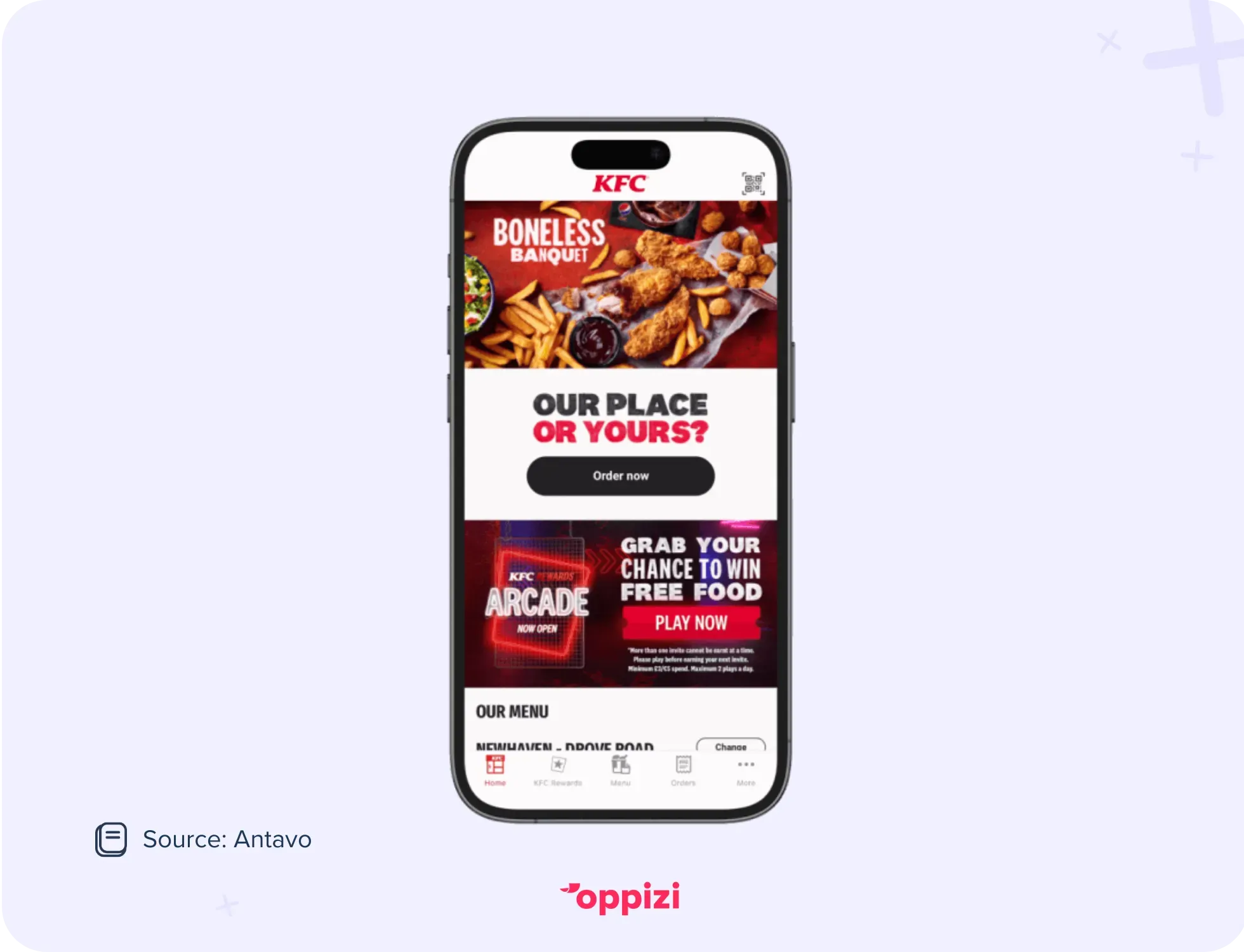
KFC UK & Ireland refreshed its app-based loyalty program, “KFC Rewards Arcade.” The update led to a 40% redemption rate. More than half of engaged customers reported visiting more often. By turning rewards into a fun, gamified experience, KFC encouraged repeat visits and stronger loyalty.
4. Social media
Social media is more than a place to raise awareness. It’s where real relationships with customers can grow. When brands use it to build community, they create spaces where customers feel seen, valued, and connected to something bigger than just a product.
Regular engagement, whether through replies, shares, or user-generated content, strengthens loyalty by showing customers their voices matter. Over time, this sense of belonging can turn casual followers into advocates who not only stick around but actively promote your brand to others.
How to use it:
- Share customer posts and stories to make people feel valued.
- Create private groups for your most loyal fans.
- Offer customer support through messaging platforms.
Tips for success:
- Respond quickly and consistently. Slow replies break trust.
- Focus on real engagement, not just follower counts.
- Adapt your content to each platform, whether it’s Instagram, LinkedIn, or TikTok.
Key metrics: engagement rate, response time, customer sentiment.
Example:
Starbucks used real-time social listening to adjust its messaging. The result was a 45% boost in social media engagement and a 30% drop in customer churn. This shows how active support and ongoing interaction can keep loyalty members and customers coming back.
5. Direct mail
In a digital world, physical mail stands out in a way emails and ads often can’t. A well-timed postcard, thank-you note, or small gift feels personal and tangible, creating an emotional connection that digital messages rarely achieve.
Direct mail also has staying power. It lingers on a desk or fridge, serving as a reminder long after an email is deleted. When paired with digital campaigns, it reinforces your message and makes customers feel recognized on a more human level, which strengthens loyalty and encourages repeat purchases.
How to use it:
- Send thank-you cards after purchases.
- Surprise loyal customers with small gifts.
- Use postcards to promote limited-time offers.
Tips for success:
- Personalize each piece with names and purchase history.
- Pair direct mail with digital campaigns for greater impact.
- Add unique promo codes so you can track results.
Key metrics: redemption rate, repeat orders, response rate.
Example:
About 60% of consumers say they take action after receiving direct mail. Unlike digital ads that can be ignored, a physical mailer lingers in the home as a reminder of your brand. With offers, updates, or rewards included, it helps keep customers engaged and buying again.
6. Customer support channels
Customer support has a direct impact on retention because it shapes how customers feel about your brand after the sale. When problems are solved quickly and with care, customers are more forgiving and more likely to give you another chance.
Great support also creates trust. It shows customers that you value their time and business, not just their purchase. On the other hand, poor service is one of the fastest ways to drive churn.
By offering support across multiple channels like chat, phone, and email, and by following up after issues are resolved, you can turn service interactions into positive experiences that strengthen loyalty.
How to use it:
- Offer support through chat, phone, email, or in-app options.
- Build self-service resources like FAQs and how-to videos.
- Use support interactions as a chance to re-engage or upsell.
Tips for success:
- Train your team to be proactive, not just reactive.
- Follow up after issues are resolved.
- Track recurring problems to stop churn before it happens.
Key metrics: customer satisfaction (CSAT), resolution time, Net Promoter Score (NPS).
Example:
Quick Heal, a security software company, introduced a unified helpdesk that cut response and resolution times. They also extended support hours, which improved customer satisfaction. While they didn’t publish CSAT numbers, the company reported better service levels and happier customers.
7. in-app and push notifications
If you have an app, push notifications are one of the most direct ways to keep customers engaged. A well-timed reminder about unused rewards, new features, or special offers can bring people back before they lose interest.
These messages work because they’re immediate and personal, reaching customers right on their phone screen. When used with care, they encourage regular app use and create habits that lead to long-term loyalty.
The key is balance. Too many notifications can annoy users, but thoughtful, personalized ones can keep them connected to your brand.
How to use it:
- Remind customers about expiring credits or unused rewards.
- Share tips or tutorials that encourage product use.
- Send exclusive deals available only in the app.
Tips for success:
- Personalize notifications based on behavior and preferences.
- Keep the frequency low to avoid notification fatigue.
- Give users control over the types of alerts they receive.
Key metrics: opt-in rate, click-through rate, churn reduction.
Example:
Research shows apps with push notifications enabled see about a 33% lift in retention compared to those without. Re-engagement alerts, like offers or reminders, are proven to bring customers back.
8. community and events
Customers are more loyal when they feel connected to a brand. Communities and events create that connection by making relationships feel personal, not transactional. Online groups, local meetups, or brand ambassador programs give people a sense of belonging and shared identity.
When customers feel like part of a community, they engage more often, share feedback, and even advocate for the brand. These experiences go beyond selling. They build trust, deepen emotional ties, and keep customers coming back because they feel like they’re part of something bigger.
How to use it:
- Host local events, workshops, or meetups.
- Build online communities through forums or groups.
- Launch ambassador programs where customers represent your brand.
Tips for success:
- Focus on providing value, not just selling.
- Recognize and reward your most active members.
- Use events to listen and collect feedback.
Key metrics: community growth, event attendance, referral activity.
Example:
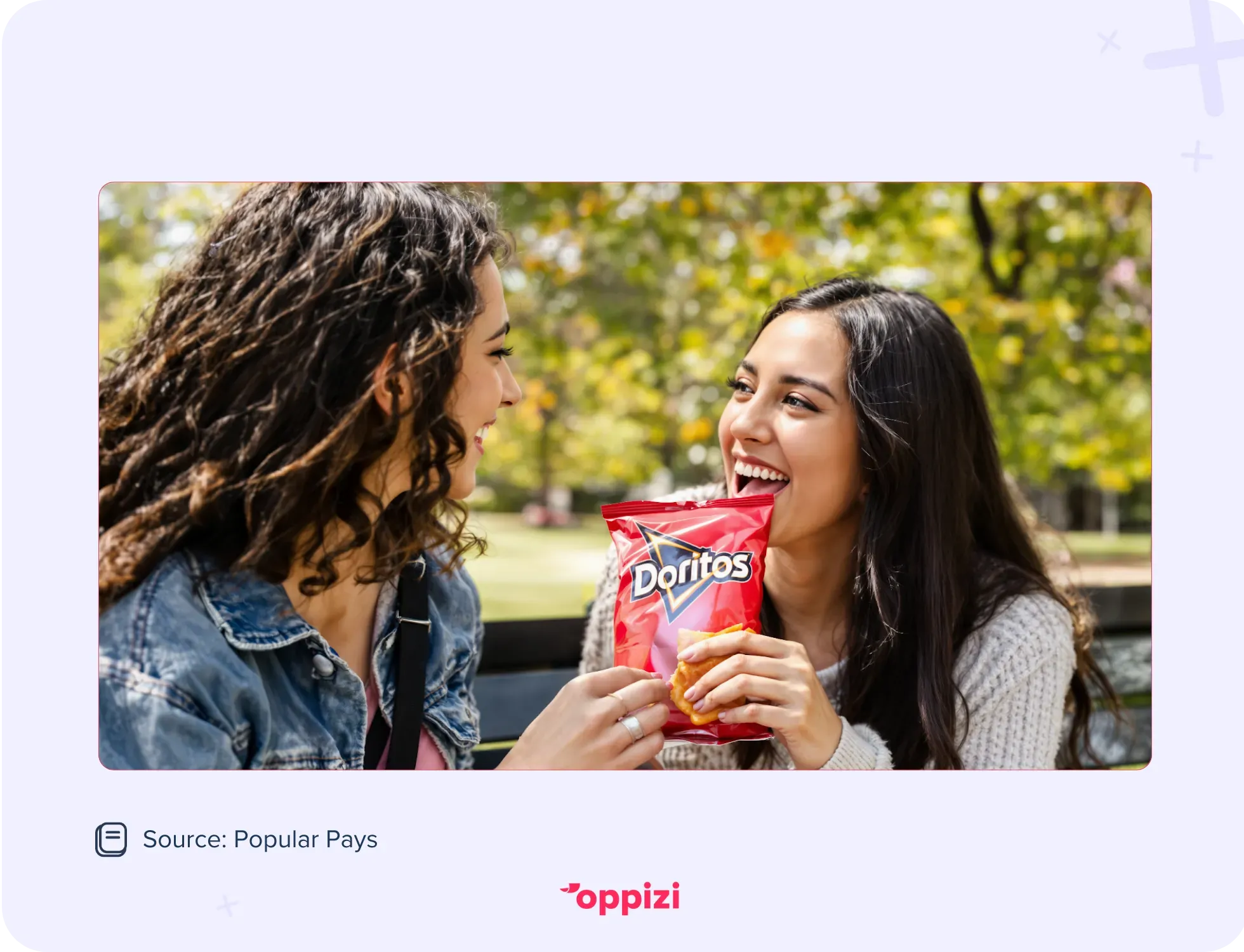
Doritos built a TikTok community campaign around its Dinamita product. With influencers and in-brand characters, the campaign reached about 91 million views and 537,000 engagements. By creating a cultural “inside joke” among Gen Z customers, Doritos built loyalty that goes beyond a single purchase.
Why retention is the secret to long-term business success
Retention is not just important. It’s essential.
- Getting a new customer costs five to seven times more than keeping one.
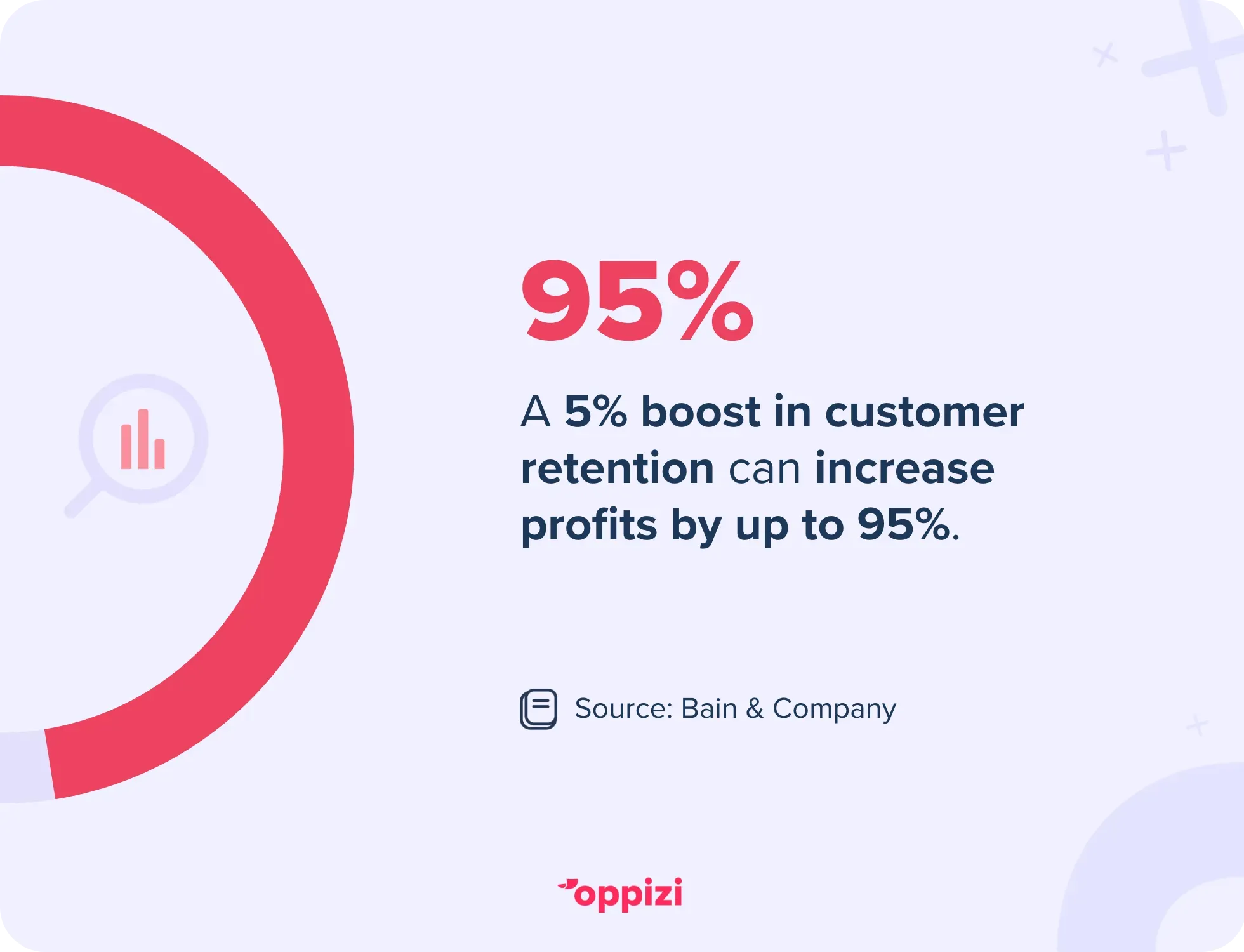
- A 5% increase in retention can raise profits by as much as 95% (Bain & Company).
- Loyal customers are more open to trying new products and more forgiving when mistakes happen.
Retention doesn’t happen on its own. It comes from building consistent, thoughtful touchpoints across the right marketing channels.
Making your retention channels work together
Each channel can help on its own, but combining them makes retention stronger. Here’s just one example of how that can be done:
- A new customer makes a purchase.
- They get a thank-you email and SMS with delivery updates.
- A week later, a postcard invites them to join the loyalty program.
- A push notification reminds them to use their welcome reward.
- They join a social media group to share feedback.
This smooth journey builds trust and encourages repeat purchases.
Tips for integration:
- Use a CRM to keep customer data in one place.
- Segment customers by behavior, not just demographics.
- Align online and offline campaigns so the message feels consistent.
Stop guessing: measure your retention channels right
Retention only works if you track results. Here are the key metrics to measure:
- Customer Lifetime Value (CLV): the total value of a customer over time.
- Repeat Purchase Rate (RPR): how many customers buy again.
- Churn Rate: the percentage of customers who leave.
- Engagement metrics: opens, clicks, redemptions, or log-ins.
- Referral rates: proof that loyal customers bring in new ones.
Set benchmarks, review them often, and adjust your approach when a channel underperforms.
A smarter way to blend online and offline retention
Many businesses put all their focus on digital and forget about offline. That’s a mistake. Offline touchpoints create emotional connections that digital alone can’t.
Direct mail, events, and in-person interactions often leave a stronger memory than an email or ad. When you combine them with digital channels, you get a retention strategy that feels complete.
Oppizi helps brands make offline marketing simple and scalable. With digital tracking, you can measure the real impact of every offline campaign.
FAQ: customer retention marketing channels
1. How do I decide which retention channels are best for my business?
Not every channel works for every business. It depends on your industry, customer behavior, and resources. Start by looking at where your customers already engage. Test two or three channels at once, track the results, and invest more in what drives repeat sales and satisfaction.
2. What’s the best way to balance digital and offline retention channels?
A blended approach works best. Digital channels like email and SMS are cost-effective for frequent touchpoints. Offline channels like direct mail or events create stronger emotional connections. The key is integration—making sure both work together with consistent timing and messaging.
3. How much budget should I allocate to customer retention vs. acquisition?
There’s no one-size-fits-all split, but many top companies spend 40–60% of their marketing budget on retention. A simple rule: if churn is higher than new customer growth, put more into retention until the balance evens out.
4. What tools or platforms make it easier to manage retention campaigns across channels?
A CRM is essential. It centralizes customer data so you can segment audiences and run coordinated campaigns across email, SMS, direct mail, and more. For offline, Oppizi gives you the same level of tracking and measurability you’re used to with digital campaigns.
5. How do I prove the ROI of retention marketing to leadership?
Point to metrics tied directly to revenue. Customer Lifetime Value (CLV) and Repeat Purchase Rate (RPR) are the strongest proof. You can also show reductions in churn, higher referral rates, and lower costs compared to acquisition. Sharing a clear before-and-after story makes the case stronger.
Conclusion
Retention drives long-term growth. The right channels help you build stronger relationships, increase loyalty, and grow lifetime value.
Email, SMS, loyalty programs, social media, direct mail, customer support, push notifications, and communities all matter. But the real power comes when you bring them together into one smooth, customer-first experience.Want to see how offline retention can support your strategy? Try Oppizi’s platform to run cost-effective, measurable campaigns that keep customers coming back.