Last updated September 28, 2026
What if you could send hundreds of postcards, letters, or flyers that feel personal, without the headache of updating lists, verifying addresses, or sorting contacts by hand? If you’ve ever run a direct mail campaign, that probably sounds too good to be true. The good news is it’s possible with the right setup.
Direct mail is a strong marketing tool. But without the right integrations and automated processes, it can be slow, frustrating, and full of mistakes. CRM integration makes it easier. By connecting customer data to a direct mail platform, businesses can reach the right audience at the right time. They can automate repetitive tasks and send campaigns that feel personal. This reduces mistakes and saves time.
Even if full CRM integrations aren’t available, businesses can still bring in customer data manually. CSV uploads or e-commerce platforms like Shopify let you segment audiences and automate some workflows. Both approaches help make campaigns more efficient, targeted, and relevant.
What is CRM integration for direct mail?
CRM integration for direct mail links the customer information in your CRM to a direct mail platform. The goal is simple: make campaigns more accurate, more efficient, and more personalized.
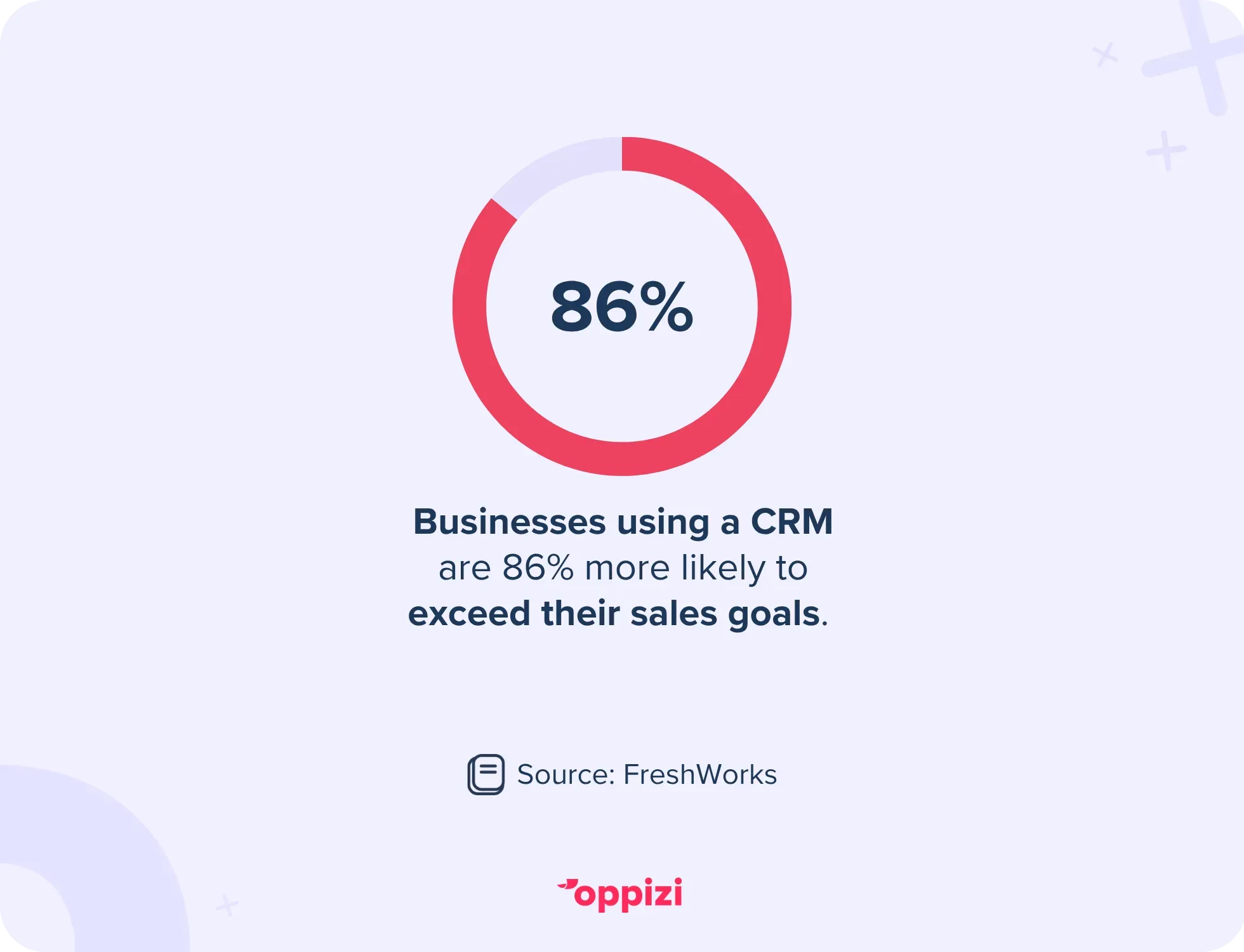
By connecting data directly to your mailing system, you can reach the right audience, tailor your messages, and track results better than with manual methods. The difference is clear, companies using a CRM are 86% more likely to exceed their sales targets.
Manual vs. automated connection
Most marketers start with manual CSV uploads. You export a list from your CRM, clean the data, and upload it to your direct mail service. It works, but it takes time and can lead to mistakes. A full CRM integration moves data automatically from your CRM to your mailing platform. This allows:
- Real-time updates to mailing lists
- Smarter audience segmentation
- Triggered campaigns based on customer behavior
- Easier personalization
Current options with Oppizi
- CSV upload: Lets you import customer data manually. Works well for smaller campaigns.
- Shopify integration: Gives access to customer data for segmentation and targeting. Supports some automated workflows and is a helpful starting point for businesses using Shopify.
How CRM integration works
Even if you start with CSV uploads, understanding CRM integration can help you run smarter, more targeted campaigns. The process is similar to email marketing integrations, but for physical mail. It lets businesses automate workflows, segment audiences, and personalize messages without the repetitive manual work that slows down direct mail campaigns.
1. Data synchronization
Keeping customer data accurate is essential. CRM integration automatically updates mailing lists when contacts are added, removed, or changed. CSV uploads work too, but updates must be done manually, which can slow campaigns.

2. Audience segmentation
Segmentation makes your campaigns more relevant and effective. In fact, research shows it can boost conversion rates by up to 200%. Using CRM data, you can create lists based on customer behavior, purchase history, location, or lifecycle stage. For example:
- New customers receiving welcome postcards
- Lapsed customers getting reactivation offers
- Loyal customers receiving personalized thank-you cards
3. Shopify segmentation (dynamic audiences)
For businesses using Shopify, you can create dynamic segments based on customer data. You can filter by fields like total orders, last purchase date, or location. Filters can be combined with AND/OR logic to target the exact audience you want. Once a segment is set up, it updates automatically with the latest Shopify data. This keeps campaigns aligned with current customer behavior.
4. Trigger-based campaigns
CRM integration lets campaigns respond automatically to customer actions. For example:
- Cart abandonment triggers a special offer postcard
- Subscription renewal prompts a reminder mailer
- Birthday or anniversary sends a personalized greeting
This automation ensures campaigns reach customers at the right time. It boosts engagement and removes the need for manual scheduling.
5. Personalization at scale
CRM data makes personalization easy. Each mailer can include the customer’s name, location, purchase history, or product recommendations. Personalized mail is more likely to be read and acted on than generic mail. CSV uploads can still achieve personalization, but it requires more effort. Automation reduces errors and makes scaling simple.
6. Automated delivery and scheduling
Once a campaign is ready, automation handles printing, packaging, and delivery. CSV uploads require more hands-on work, but the process is otherwise similar. Automated delivery also keeps campaigns on schedule, reducing delays and freeing marketers to focus on strategy and creative planning instead of logistics.
7. Tracking and reporting
CRM integration lets you track campaign performance in real time. You can monitor delivery, engagement, and conversions using:
- QR codes
- Personalized URLs (PURLs)
- Coupon or promo codes
Manual uploads can also track engagement, but integration makes it easier, faster, and reduces errors.

Why CRM integration makes direct mail smarter
Direct mail is already a powerful marketing tool. CRM integration makes it even better. Here’s how:
1. Save time and reduce manual work
Direct mail without integration takes a lot of time. Cleaning data, segmenting audiences, and scheduling campaigns can take hours. CRM integration automates many of these tasks. This frees your team to focus on strategy and planning.
Even using CSV uploads saves time by keeping data organized. Shopify integration also supports some automated workflows, even without a full CRM connection.
2. Reach the right audience
Targeting the right people is key to a successful campaign. CRM integration lets you reach customers based on:
- Past behavior
- Purchase history
- Demographics
- Engagement level
Sending messages that are relevant boosts response rates. CSV uploads can still target audiences, but automation improves accuracy and makes scaling easier.
3. Personalize at scale
Personalization makes customers pay attention. CRM data lets you:
- Include names, locations, and purchase history
- Tailor offers or recommendations to behavior
- Send loyalty incentives or membership information
Manual uploads can personalize mailers too, but automation reduces mistakes and makes it easier to scale.
4. Track and optimize campaigns
CRM integration closes the feedback loop. You can see delivery, engagement, and conversions in real time. This helps marketers spot trends and improve future campaigns. CSV uploads can track results, but integration makes it faster, simpler, and more accurate.

5. Reduce errors and increase efficiency
Manual processes often cause mistakes. Outdated addresses or duplicate contacts are common problems. CRM integration keeps data accurate, reduces errors, and ensures mail reaches the right audience.
6. Save costs through smarter campaigns
Direct mail can be expensive. CRM integration reduces waste by sending mail only to relevant recipients. Automating segmentation and updates also reduces labor and lowers the risk of mistakes. CSV uploads still work for smaller campaigns, but integration makes scaling more efficient and cost-effective.
7. Merge offline and online channels
CRM integration lets direct mail fit into a larger marketing strategy. It can help you:
- Complement email, SMS, or social media campaigns for a consistent brand experience
- Drive customers online using QR codes or personalized URLs
- Measure conversions and engagement across channels
Combining offline and online efforts gives a clearer view of campaign performance and overall customer engagement.
Benefits of integrating your CRM with a direct mail platform
When used well, CRM integration turns direct mail from a slow, manual task into a smart, data-driven marketing tool. Here’s what it can do:
- Campaigns launch faster with fewer errorsAutomation reduces manual data entry, cuts mistakes, and makes sure mailers reach the right audience on time.
- Messages are more relevant and personalizedUsing CRM data allows you to tailor content for each customer, which increases engagement and response rates.
- Costs are reduced through better targetingSending mail only to the right recipients cuts waste, saves labor, and maximizes ROI.
- Teams focus on strategy instead of repetitive tasksWith automation handling routine work, marketers can spend more time on creative planning and campaign optimization.
Manual CSV uploads or other integrations can provide some of these benefits, but full CRM integration makes the process faster, easier to manage, and scalable for larger campaigns.

A smarter way to approach direct mail
Direct mail doesn’t have to be slow or complicated. Using CRM integration, or starting with CSV uploads or Shopify, makes campaigns smarter, faster, and more personalized. By planning campaigns with CRM principles, marketers can:
- Save time and reduce errors
- Target the right audience precisely
- Personalize mail at scale
- Track and optimize campaigns
- Reduce waste and improve ROI
This approach sets your business up for more effective marketing now and smoother automation in the future. Ready to turn your customer data into results? Get started with Oppizi’s direct mail platform.
Frequently asked questions
- Can I send direct mail without a CRM integration?
Yes. CSV uploads let you bring in customer data manually and run campaigns successfully. Integration simply reduces manual work and scales targeting and personalization.
- What are the main benefits of using CRM data for direct mail?
CRM data helps campaigns become more targeted, relevant, and personalized. This improves engagement, cuts wasted mail, and provides insights to improve future campaigns.
- How often should I update customer data for direct mail campaigns?
Data should be updated regularly, ideally before every campaign. Accurate information ensures mail reaches the right recipients and prevents wasted postage or duplicate mailers.
- Can I personalize my direct mail using CSV uploads?
Yes. CSV uploads let you include customer-specific details like names, purchase history, or location. Personalization is possible without full integration, but automation makes it faster and easier to scale.