Last updated July 23, 2026
Consider these two consumers: one, a teenager eagerly browsing a new clothing brand’s social media page, and the other, a procurement manager meticulously researching enterprise software solutions.
Despite both involving purchasing decisions, this contrast highlights the strategic differences in channels and approaches between B2B and B2C marketing. Simply put, B2B marketing involves promoting products or services to other businesses, while B2C marketing caters directly to individual consumers. Consequently, the strategies used in each vary widely based on the audience’s unique goals, needs, and desires.
Whether you’re new to marketing or seeking to fine-tune your approach, this guide will explore the intricacies of B2B vs B2C marketing – including what each type entails, key marketing strategies for success, and important considerations.
What is B2B marketing?
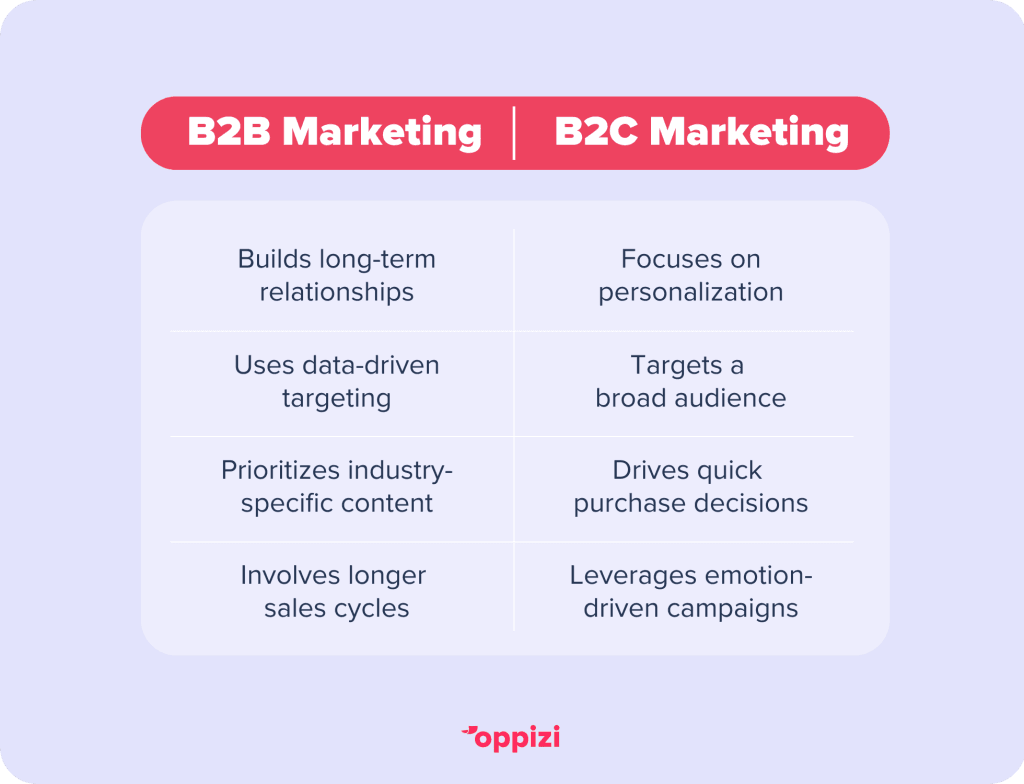
B2B (business-to-business) marketing refers to marketing products or services to other businesses rather than individual consumers. It focuses on addressing specific needs, goals, and challenges of companies, placing heavy emphasis on building long-term relationships and delivering value through tailored solutions.
B2B marketing strategies typically involve complex decision-making processes, longer sales cycles, and higher transaction values. Key methods include content marketing, email marketing, and search engine optimization (SEO), all aimed at building credibility and demonstrating industry expertise. Moreover, B2B marketers often use data-driven insights and account-based marketing (ABM) to efficiently target decision-makers.
What is B2C marketing?
B2C (business-to-consumer) marketing involves marketing products or services directly to individual consumers. Unlike B2B marketing, which targets business needs, B2C marketing focuses on creating appealing, emotionally resonant campaigns that address the immediate needs and desires of individual buyers.
The goal of B2C marketing is to drive quick, impulse purchases through compelling offers, clear calls to action, and engaging content, typically through digital advertising, social media, email, or even influencer partnerships. Personalization and customer experience are also essential in B2C marketing, with many marketers leveraging data analytics to tailor messages and offers to individual preferences and behaviors.
Where B2B and B2C marketing intersect
Understanding the differences between B2B and B2C marketing is crucial for crafting effective campaigns tailored to your target audience, with B2B marketing promoting solutions to other businesses and B2C marketing targeting individual consumers.
However, at the core of both B2B and B2C marketing lies a solid understanding of the sales funnel. Although distinct strategies may be employed in each, the sales funnel is the foundation for driving leads and conversions in organic, authentic ways.
Whether using online or offline marketing strategies, mastering the sales funnel will help to ensure your campaigns effectively guide prospects toward making informed buying decisions.

Understanding your audience: B2B vs. B2C needs
In both B2B and B2C marketing, understanding your audience is essential for designing strategies that convert leads into buyers. The needs and behaviors of these audiences often vary widely, requiring distinct approaches that resonate with their needs and desires.
B2B buyer personas
In B2B marketing, efforts are mainly put toward targeting key decision-makers within organizations, including individuals with budget authority (e.g., executives, department heads), and those with technical expertise (e.g., IT managers).
Detailed buyer personas are often built to effectively connect and resonate with these stakeholders, positively influencing their purchasing decisions. Thus, B2B marketers must understand the organizational hierarchy and their audience’s specific pain points and goals to tailor their messaging accordingly, considering factors like budget, return on investment (ROI), and technical requirements).
B2C customer profiles
On the other hand, B2C marketing targets a much broader range of demographics and is heavily influenced by individual preferences and lifestyles. B2C marketing customer profiles consider factors like age, gender, income, interests, and buying behaviors, often intertwined with emotional triggers like convenience, status, and personal satisfaction.
To efficiently engage with this varied audience, B2C marketers must tailor personalized messages and offerings that emotionally resonate, leveraging platforms like social media and email for maximum reach and engagement. Understanding these customer profiles allows marketers to craft numerous campaigns that appeal directly to individual consumers’ needs and interests.
Buying journey differences
The B2B buying journey is notably more complex, involving multiple stakeholders, long research phases, and a thorough cost-benefit analysis. Decisions are often made over extended periods, with a heavy emphasis on long-term value and strategic alignment.
In contrast, B2C purchases can be much quicker and more impulsive, often driven by immediate needs or desires. B2C marketers often focus on creating seamless and engaging shopping experiences that facilitate quick decision-making and instant gratification.
Strategic differences: B2B vs. B2C marketing approaches
B2B and B2C marketing strategies vary significantly because of their distinct target audiences. Here's a breakdown of the main approaches used for each:
Content marketing
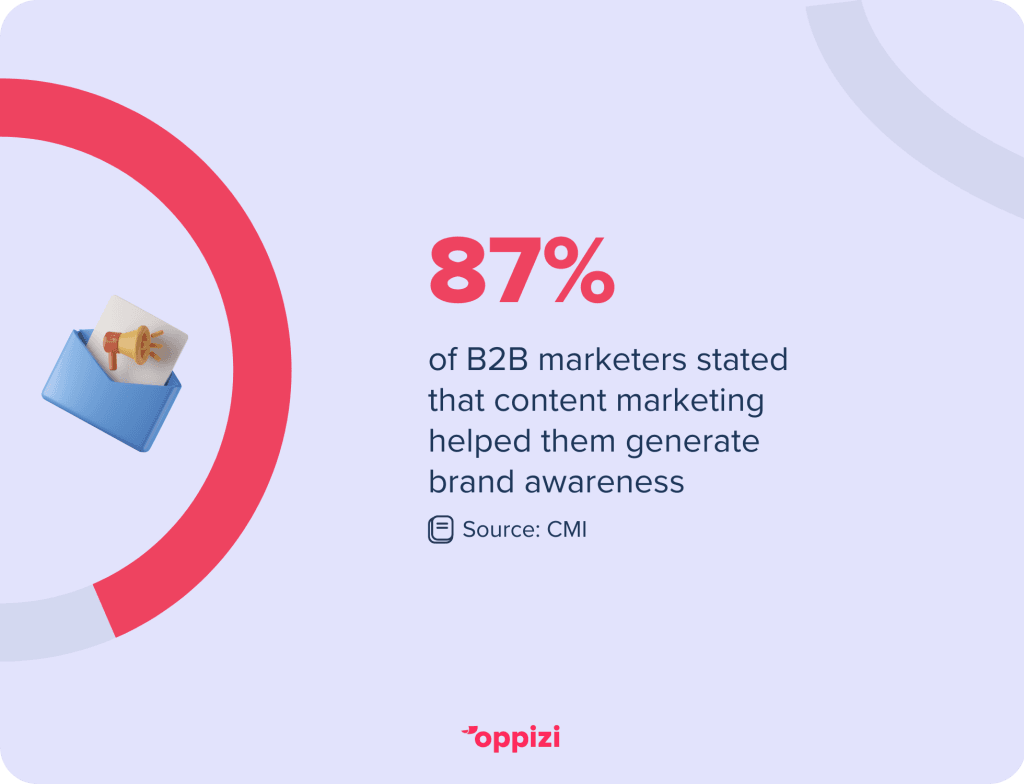
In B2B marketing, content marketing establishes credibility and expertise within specific industries. Research-heavy content forms (e.g., white papers, case studies, reports) are most favored, as these provide in-depth insights into industry challenges and solutions. This content aims to educate and inform, positioning the company as a thought leader and solution provider for specific business needs.
On the other hand, B2C content marketing focuses on engaging and entertaining consumers with social media posts, videos, blogs, and even interactive content. B2C content aims to entertain, educate, and emotionally resonate with consumers, aligning with their interests, preferences, and lifestyles while building brand affinity.
Marketing channels
B2B marketing channels are selected based on their ability to reach targeted business audiences effectively. Professional networks like LinkedIn are commonly used for lead generation, thought leadership, and networking. Furthermore, industry publications and trade shows are key for reaching decision-makers and stakeholders in relevant sectors.
Meanwhile, B2C marketing employs a wider range of channels to reach a diverse customer base. Social media platforms like Facebook play a pivotal role in brand building and customer engagement, while influencer marketing leverages the influence of popular personalities to endorse products and broaden reach.
Search engine optimization (SEO) is also crucial for gaining visibility and organic traffic. According to the Content Marketing Institute, 73% of B2C marketers use keyword research tools during the content creation process.
Messaging and tone
B2B messaging is characterized by a professional, solution-oriented tone, highlighting tangible benefits, return on investment (ROI), and value propositions of products or services. It addresses specific business needs, pain points, and goals, offering practical insights with an informative, authoritative tone to build credibility and trust.
In contrast, B2C messaging adopts a more casual, relatable tone that connects and resonates emotionally with consumers. It emphasizes product features, benefits, and lifestyle aspirations they fulfill, effectively tapping into consumer emotions and desires. This conversational, engaging, and empathetic tone aims to forge strong emotional bonds between the brand and its consumers.
Considerations for crafting your B2B vs. B2C strategy
Before delving into crafting targeted marketing campaigns for B2B and B2C audiences, it’s vital to first lay the groundwork for success. Here are some key considerations to guide the development of your B2B and B2C marketing strategies:
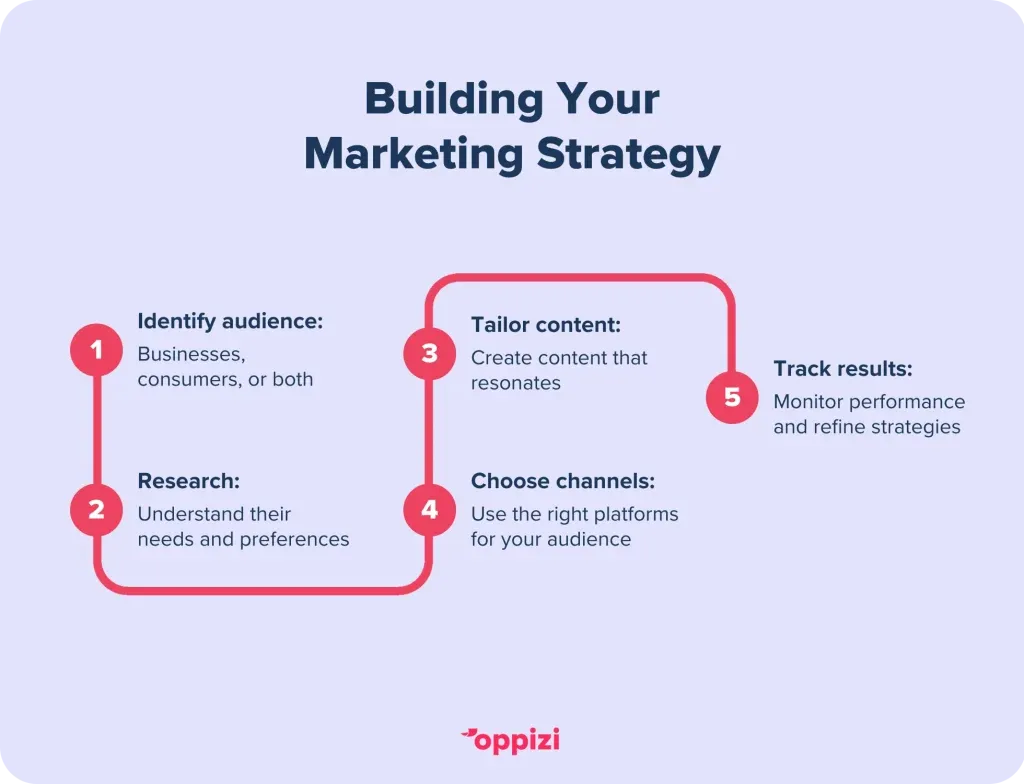
Keep in mind that beyond simply knowing your audience, a thorough understanding of their needs, preferences, and behaviors is essential to tailor your approach and strategies effectively.
Conclusion
Understanding the nuances between B2B and B2C marketing is pivotal for crafting successful campaigns – the key lies in tailoring your approach to resonate authentically with your specific target audience. It is also important to stay flexible and open to change, continuously adjusting strategies to meet evolving consumer demands and industry trends.
Wondering how offline marketing can enhance B2B and B2C strategies? Oppizi’s offline marketing solutions, such as our flyer distribution services, can help ensure your message gets delivered directly to your target audience, maximizing reach and potential engagement.
Want to boost the effectiveness of your marketing strategy with Oppizi? Create a campaign now and get started!