Last updated July 28, 2026
Education is more competitive than ever. Whether you’re marketing a school, university, training program, or online course, you need a smart plan to get noticed. The right strategy helps attract students, increase enrollment, and build trust.
Many schools focus on digital marketing, but offline methods still matter. Using both gives you the best chance to reach more people. This guide covers key education marketing tips—both online and offline—to help you run a successful campaign.
What is education marketing?
Education marketing is about promoting schools, programs, or courses to students, parents, and educators. The goal is to get noticed, build trust, and increase enrollment.
A good plan uses different strategies. Online options include social media and search ads. Offline methods like direct mail and events also work. The trick is finding the right mix for your audience and goals.
Examples of digital education marketing
Digital marketing helps schools and universities connect with students online. Here are some effective ways to do it:
- Social media – Schools share student stories, campus life, and deadlines on Instagram, Facebook, and TikTok. Paid ads target specific students.
- Email marketing – Personalized emails keep students updated on programs, scholarships, and events. Automated follow-ups help with enrollment.
- SEO and content – Blogs and FAQs answer common student questions, helping schools show up in search results and build trust.
- Online ads – Google and social media ads reach students based on interests and location. Retargeting ads remind them to apply.
- Virtual events – Webinars and online open houses give students a preview of the school and help them ask questions.
- Video marketing – Short videos of student stories, faculty insights, and campus tours make schools feel more real and engaging.
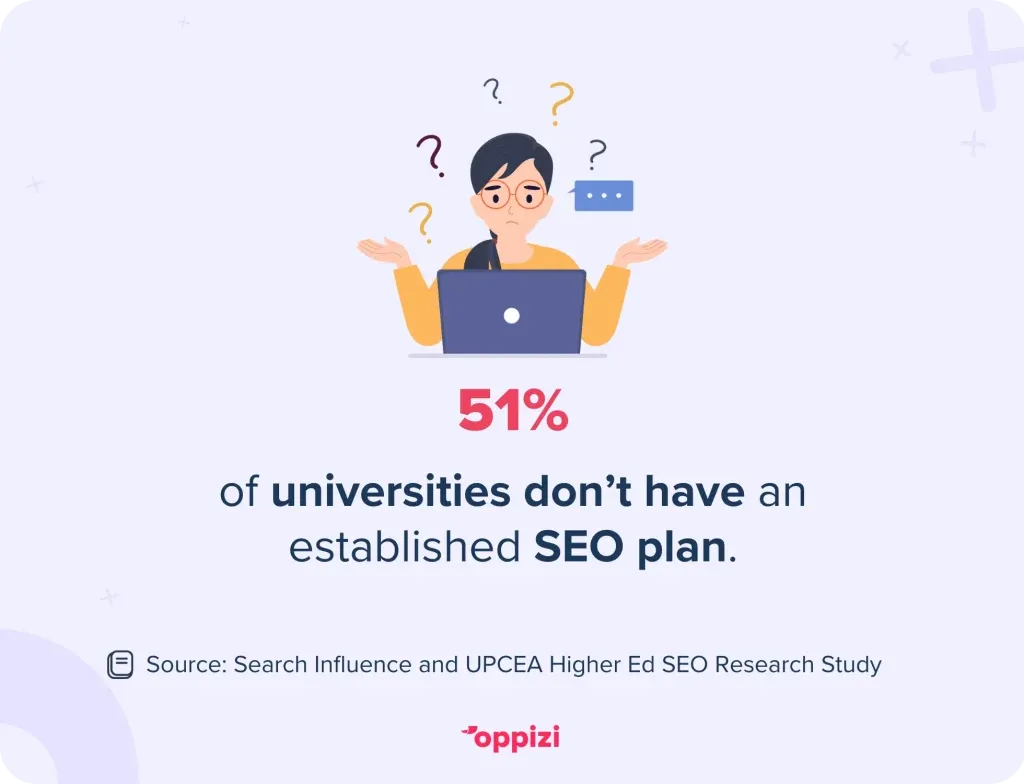
According to a Search Influence and UPCEA Higher Ed SEO Research Study, 51% of universities don’t have an established SEO plan. That’s a shockingly high number, especially considering how essential SEO is in most industries. But it also presents a huge opportunity—educational businesses that invest in SEO now can get ahead of the competition.
Examples of offline education marketing
Offline marketing helps schools and universities connect with students and parents in person. Here are some effective ways to do it:
- Direct mail – Brochures, postcards, EDDM, and flyers share details on programs, deadlines, and scholarships. QR codes make it easy to learn more online.
- Open houses and tours – Campus visits let students see the school, meet faculty, and get a feel for the environment.
- Print ads – Ads in newspapers, magazines, and local newsletters reach families looking for education options.
- Events and fairs – Career fairs, college expos, and community events give schools a chance to meet students face-to-face.
- Local partnerships – Schools can team up with bookstores, cafés, and community centers to display brochures or host info sessions.
- Word-of-mouth and referrals – Happy students and alumni bring in new applicants. Referral programs with incentives can help.
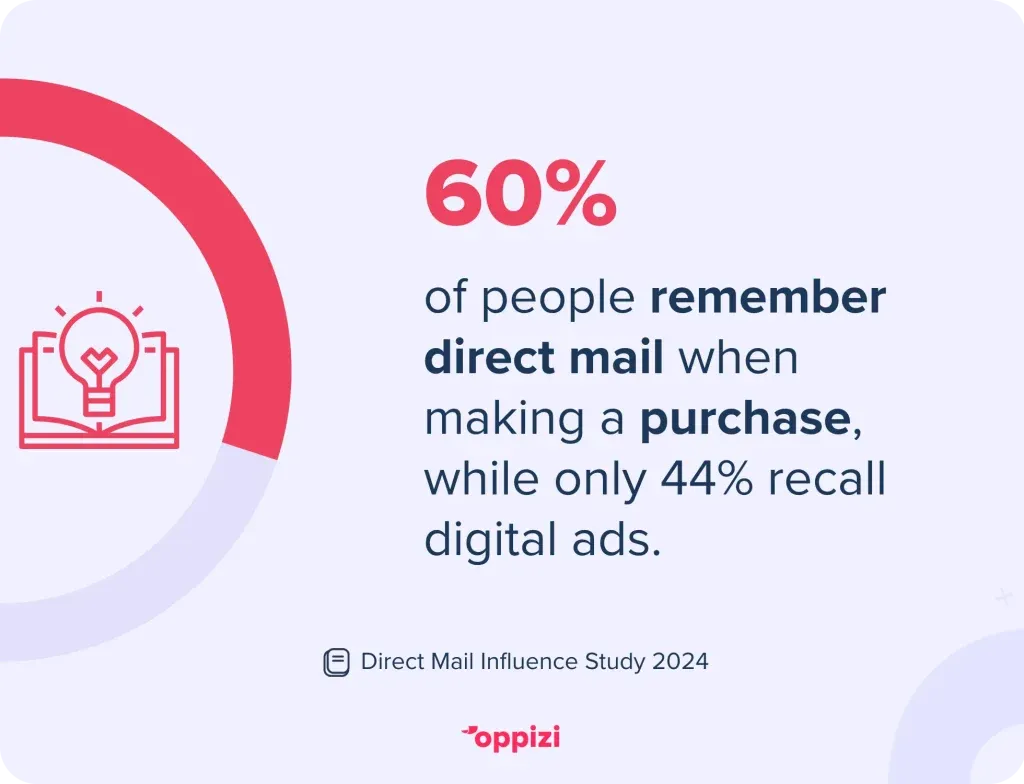
There’s plenty of evidence showing how effective print media—like EDDM and direct mail—can be. Physical materials leave a lasting impression. In fact, 60% of people say direct mail is easy to remember when they're ready to make a purchase, compared to just 44% for digital ads.
How to create a smart education marketing strategy
A good marketing plan takes some thought. Here’s how to get started:
1. Know your audience
Who are you trying to reach? High school students, working professionals, or parents?What do they care about? What influences their decisions?Where do they spend their time—online and offline?
Understanding your audience helps you send the right message and choose the best way to reach them.
2. Build a strong online presence
Digital marketing is a must. Focus on these key areas:
- Your website – Make sure it’s fast, mobile-friendly, and easy to use.
- SEO – Use keywords like “best business school” or “affordable online courses” to help people find you.
- Social media – Instagram, TikTok, and LinkedIn are great for engaging students and showing what makes your school special.
- Email marketing – Send personalized messages based on student interests.
- Paid ads – Use Google Ads and social media to bring more visitors to your website.
3. Use offline marketing to stand out
Digital marketing is important, but offline strategies make a lasting impact.
Direct mail works because people notice a well-designed brochure or postcard in a way they don’t with online ads. Events and print ads also help build real connections.
With Oppizi, direct mail is simple. You can design, print, and send materials with tracking tools to measure results—just like a digital campaign.
4. Keep your brand consistent
Make sure everything—your website, social media, ads, and printed materials—looks and sounds the same. A clear, consistent brand builds trust.
5. Track your results and adjust
Good marketing means testing what works and improving over time. Use Google Analytics for digital efforts and tracking codes for direct mail to see what gets results.

Education marketing tips to get better results
Once you have a plan, these tips can help you get the best results:
1. Tell real stories
Students and parents connect with real experiences. Share testimonials, success stories, and behind-the-scenes moments. Videos of student journeys or faculty insights work especially well.
2. Make it personal
Generic messages don’t work. Use student data to personalize emails, social media ads, and direct mail. Call students by name, highlight programs they’re interested in, and send content that matters to them.
3. Share helpful content
Blog posts, webinars, and free resources keep students engaged. Answer common questions about admissions, scholarships, and careers. A well-run blog also boosts SEO, bringing more visitors to your site.
4. Reach both local and international students
If you attract students from different places, tailor your marketing. Use local SEO to reach students nearby and multilingual content for those abroad. Highlight visa help, housing, and cultural support for international students.
5. Get involved in the community
Host open houses, school fairs, and workshops to bring students and parents in. In-person events build trust and help people see what makes your institution special. Teaming up with local businesses or groups can also boost visibility.
6. Use direct mail to stand out
People get bombarded with digital ads and emails. A printed brochure or postcard feels more personal. Add a QR code linking to your application page to make it easy for students to take action.
7. Track what works and improve
Marketing is all about testing and improving. Use tools to measure website visits, social media engagement, and direct mail response rates. Try different messages and formats to see what gets the best results.

Digital vs. offline marketing for schools and universities
Schools and universities have two main ways to market themselves: digital and offline. Both have pros and cons, but using both together works best.
Digital marketing
This includes websites, social media, email marketing, and online ads.
Pros:
- Reaches more people – You can target students locally or globally.
- Budget-friendly – Online ads and social media can cost less than print marketing.
- Tracks performance – Analytics tools show what’s working.
- Easy to update – You can adjust campaigns instantly.
Cons:
- Crowded space – Schools compete for attention online.
- Ad fatigue – Students see so many ads they start ignoring them.
- Less memorable – Digital content is easy to forget.
Offline marketing
This includes direct mail, print ads, events, and in-person interactions.
Pros:
- More personal – Brochures and face-to-face events create stronger connections.
- Hard to ignore – People hold onto printed materials longer.
- Great for local outreach – Helps target students in specific areas.
Cons:
- Costs more – Printing and mailing take a bigger budget.
- Harder to track – You don’t always get instant feedback.
- Takes longer – Print materials can’t be changed as quickly as digital ads.
A smart strategy combines both. Digital marketing brings speed and reach, while offline marketing creates real, lasting connections.
The best approach: Use both
Digital marketing helps you reach more people, but offline marketing builds trust. The best strategy combines both. Here’s how:
- Send brochures with QR codes that link to online applications.
- Run social media ads while also using local print ads.
- Promote in-person events online to boost attendance.
Using both ensures more students see your message—and take action.
Building trust in education marketing
Choosing a school is a big decision. Students and parents want to feel confident in their choice. That’s why trust matters. Here’s how to build it:
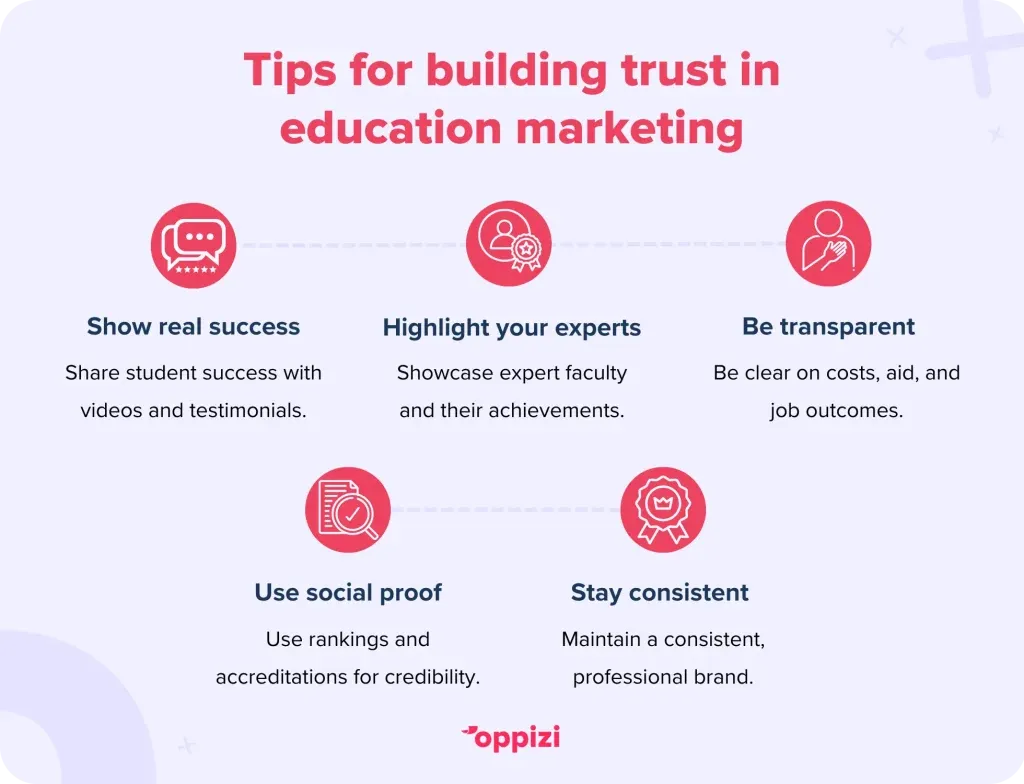
- Share real stories. Show student success through videos, testimonials, and case studies.
- Highlight your faculty. Prospective students want to learn from experts. Showcase their experience and achievements.
- Be upfront about costs and results. Clearly list tuition, financial aid, and job placement rates.
- Use social proof. Display rankings, accreditations, and partnerships to boost credibility.
- Keep your brand consistent. A polished, professional look across all materials builds confidence.
When students trust you, they’re more likely to enroll.
FAQ: Education marketing
What is the meaning of educational marketing?
It’s how schools and universities attract students and build their reputation. It includes promoting programs, courses, and the school’s overall value to increase enrollment.
What is the marketing concept of education?
It’s about understanding what students and parents need, then showing them why your school is the right choice. This means using clear messaging, digital and offline marketing, and content that builds trust.
What type of marketing is education?
- Digital marketing: Websites, SEO, social media, email, and online ads.
- Offline marketing: Direct mail, brochures, events, and print ads.
- Content marketing: Blogs, webinars, and student stories.
- Word-of-mouth: Alumni referrals and student reviews.
A mix of these works best.
What is the role of marketing in education?
It helps schools:
- Get noticed.
- Attract students.
- Build trust with testimonials and success stories.
- Stand out from other schools.
- Keep students and parents engaged.
What are the objectives of marketing education?
- Bring in more students.
- Build a strong reputation.
- Keep students and alumni engaged.
- Reach more people, locally and globally.
- Get more applications and visits.
Good marketing helps schools grow and connect with students in a meaningful way.
Conclusion
Education marketing works best when you use both digital and offline strategies. A strong online presence helps you reach more people, while offline methods like direct mail create a personal connection.
Direct mail works because it’s personal. It lands in a student’s hands, not a cluttered inbox. It sparks interest, builds trust, and drives action.
Oppizi makes it effortless. We handle printing, distribution, and tracking, so you can focus on what matters—enrollment. Want results? Join today.