Last updated July 23, 2026
Breaking into food tech is exciting, but it’s also tough. You’re not just selling food. You’re asking people to change habits, try new products, and trust your brand in a market full of big players. Whether it’s a meal delivery app, plant-based protein, or a sustainability platform, your marketing has to work harder.
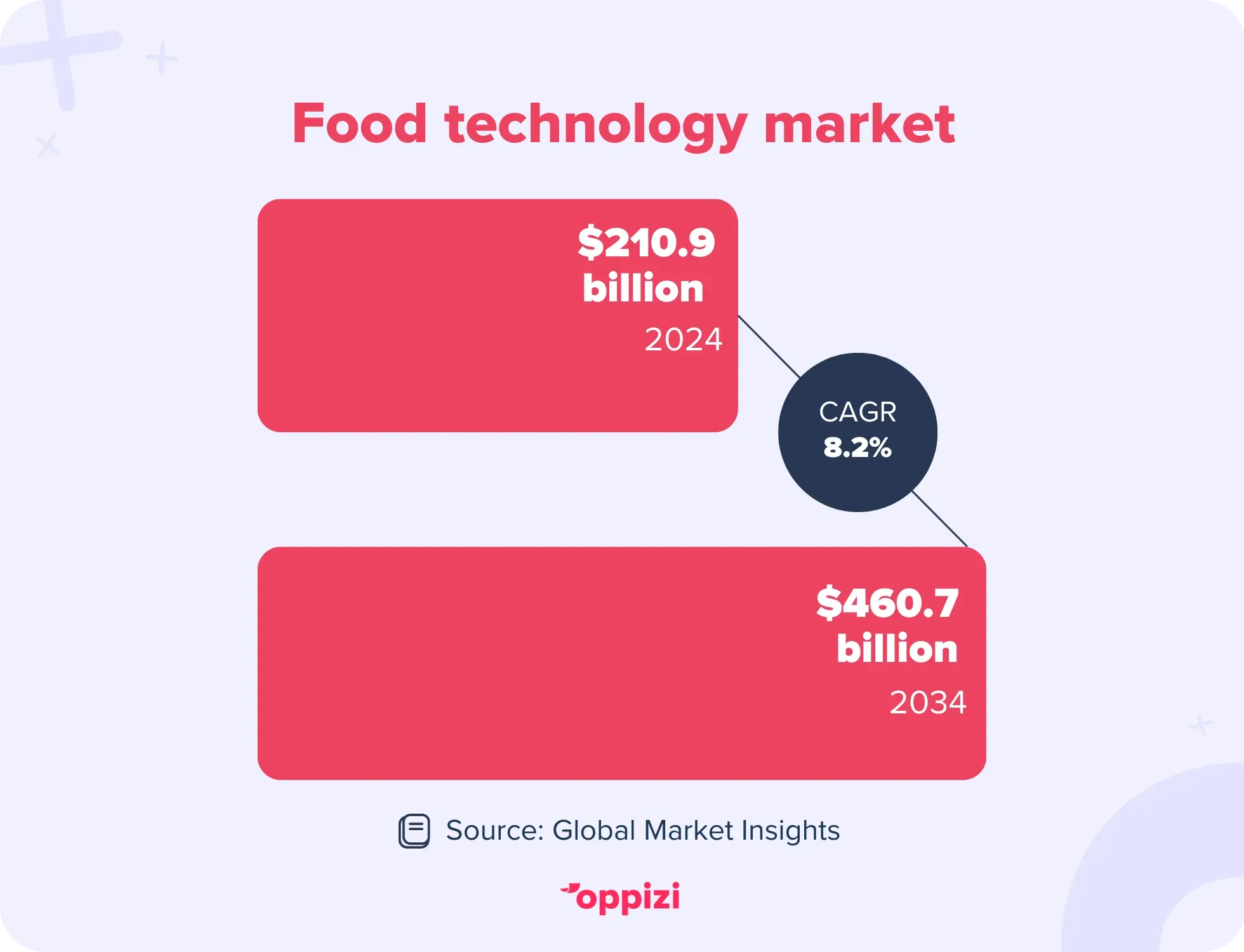
The food technology market hit USD 210.9 billion in 2024 and is expected to grow over 8.2% annually through 2034, fueled by shifting consumer preferences and tech innovation. The market is thriving, but the challenge is how to stand out and outsmart competitors.
This guide shares food tech startup strategies for high-impact, cost-effective marketing. These approaches help young companies build traction, earn trust, and stand out in a crowded space.
Why food tech startups need a unique marketing strategy
Food tech is different from other industries. You’re often selling innovation, not just taste or convenience. That creates three challenges:
- Education: Explain your product in simple terms.
- Trust: Convince people to eat, cook, or rely on something new.
- Differentiation: Compete with legacy brands that spend millions.
To succeed, your marketing needs strong storytelling, great customer experience, and smart channel choices.
1. Define your brand story before launching campaigns
Your story can make or break your brand. Ask yourself:
- What problem are you solving? Example: “Traditional dairy has high emissions. Our oat milk reduces the footprint by 70%.”
- Why should people care? Example: “Our plant-based cheese melts and tastes like the real thing without the health trade-offs.”
- How are you different? Example: “Unlike other apps, we deliver fresh meal kits in under 20 minutes using AI-driven logistics.”
Once you define your story, use it everywhere. From your website to your flyer distribution campaign, consistency helps people remember your brand and what you stand for.
Marley Spoon grew with a mission-focused campaign
Marley Spoon, a food delivery service in Australia, built its brand story around making cooking simple, enjoyable, and accessible for busy professionals and families. With this at the heart of their messaging, they launched an offline campaign with Oppizi, distributing 3.6 million flyers.
The flyers reflected their brand story consistently and were supported by real-time tracking. The campaign brought in 3,670 new customers in Australia, showing how a strong, mission-driven brand story can deliver measurable growth.

2. Leverage offline marketing for credibility and scale
Digital ads are crowded and costly. Google and Meta are important, but offline channels give food tech startups a chance to stand out. They connect you with people in real life, making your brand feel more tangible and trustworthy.
- Flyer distribution: Target neighborhoods where your best customers live. A plant-based brand could focus on health-conscious areas in big cities.
- Experiential sampling: Offer tastings in farmers markets, gyms, or offices. Sampling quickly reduces hesitation.
- Retail partnerships: Co-branded flyers or in-store promotions expand your reach and encourage trial.
Offline efforts build trust. When people hold a flyer or taste your product, they are more likely to convert than if they just see an ad online. This is also the kind of impact you get with EDDM for food and beverage businesses. Oppizi makes this easy with tools to plan, track, and measure campaigns just like digital.
Uber Eats scaled globally with offline marketing
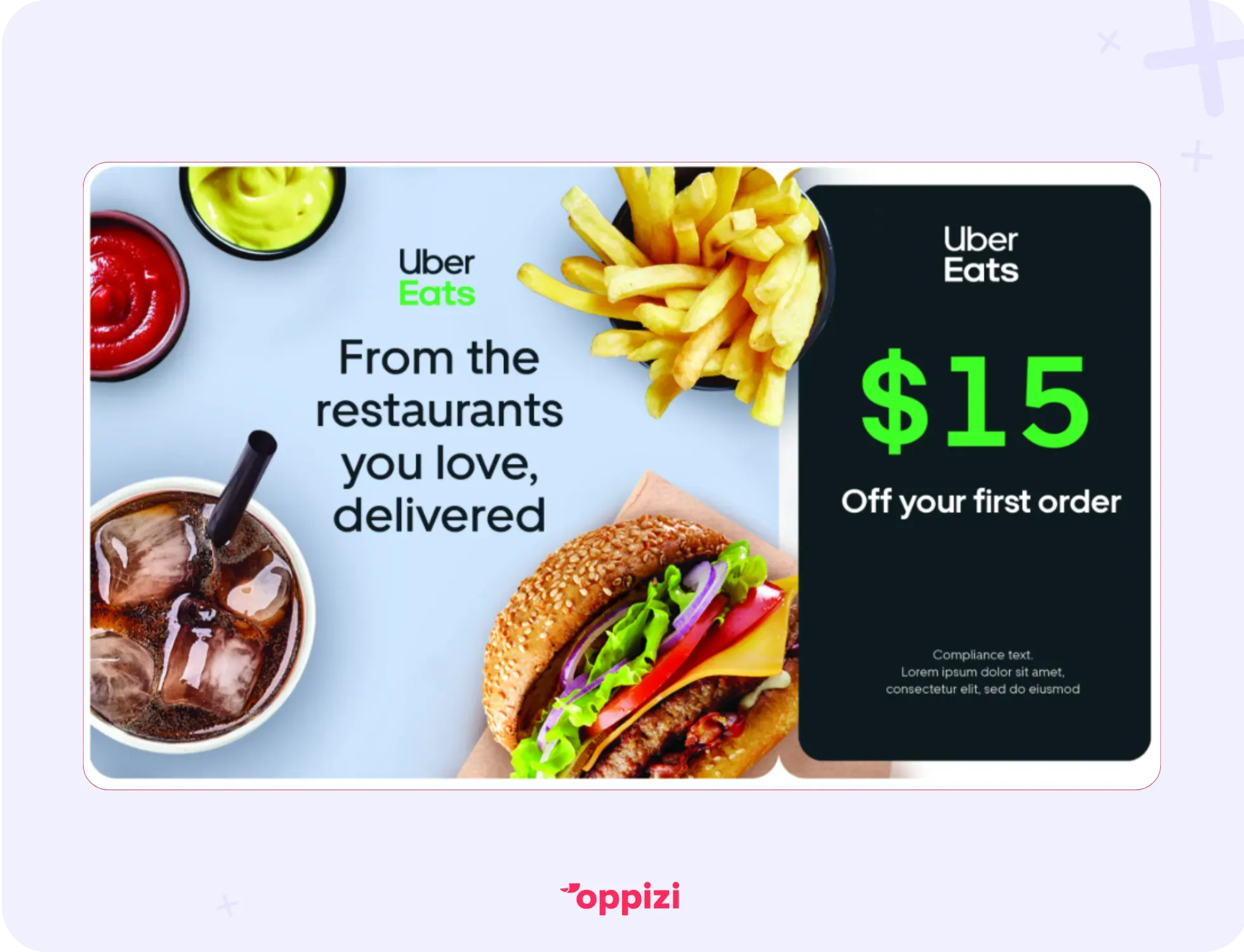
Uber Eats recognized that real-world touchpoints build credibility. They launched localized campaigns with flyers distributed hand-to-hand and door-to-door, focusing on urban and residential neighborhoods with the highest conversion potential.
By giving people something tangible and relevant, they acquired over 2 million users across 10+ countries. With Oppizi’s real-time tracking, they measured ROI effectively, achieving conversion rates above 2%. Offline marketing not only raised awareness, it built trust and delivered measurable growth.
3. Use content marketing to educate, not just sell
Many food tech startups forget how much education customers need. Good content turns curiosity into action. When people understand the why and how of your product, they are more likely to try it.
- Blog posts and guides: Answer real questions like “Is lab-grown meat safe?” or “How do you cook with jackfruit?”
- Video explainers: Show your process in simple steps. Being transparent builds trust.
- Recipes and meal ideas: Show customers how your product fits into daily life, not just as a novelty.
Make sure this content is optimized for both search engines and AI tools like ChatGPT or Perplexity. Use clear language, detailed explanations, and direct answers to the questions people are asking.
4. Build trust through transparency and social proof
People are careful about what they eat. To earn their trust, you need more than polished marketing. Show proof that your product is safe, reliable, and worth trying.
- Highlight certifications: Make organic, non-GMO, B-Corp, or carbon-neutral labels visible.
- Share behind-the-scenes content: Show how your products are made.
- Use testimonials: Early adopters and chefs can validate your brand.
Case studies and user-generated content can be reused across ads, whether in email marketing campaigns, print advertising, or more. This not only stretches the value of your content but also shows real people engaging with your brand in ways that feel authentic.

5. Tap into local communities before scaling nationally
It is tempting to go national fast, but the strongest food tech brands often win one city at a time. A solid local base creates loyal customers, word-of-mouth, and data you can use before expanding.
- Community events: Sponsor local runs, festivals, or farmers markets.
- Neighborhood targeting: Use flyers, door-to-door campaigns, and geo-targeted ads in key areas.
- Local PR: Regional outlets are often more open to covering a new startup than national media.
This builds micro-communities that grow naturally and often turn into brand advocates. Their support is powerful and hard to buy.
Just Eat converted local fans at sports stadium
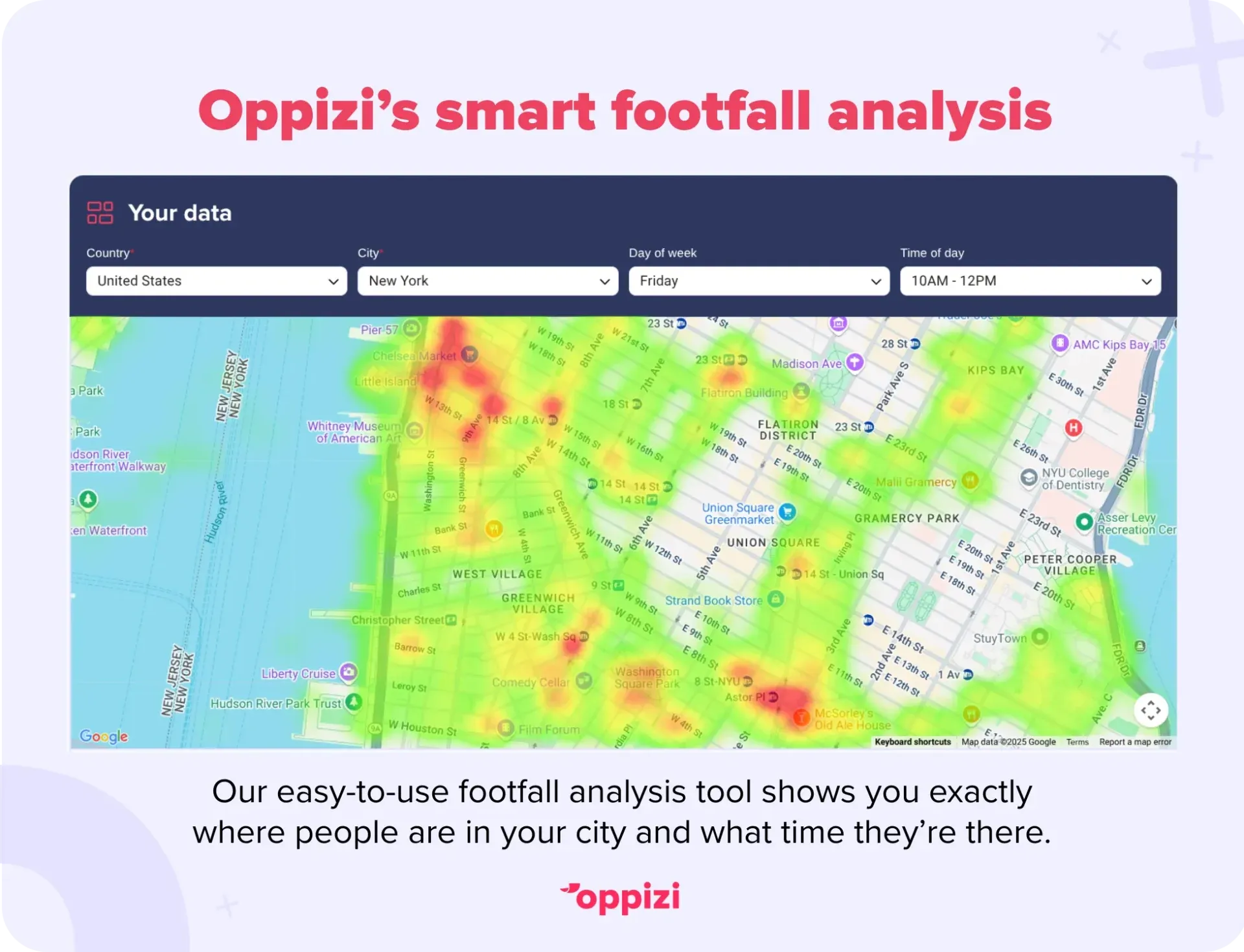
Just Eat strengthened its local presence in Paris through regular awareness campaigns, including one at the Champions League semifinal. Brand ambassadors handed out 8,000 flyers to fans inside and outside the stadium, connecting the brand with a highly engaged audience.
Within a week, the campaign generated 430 new app orders, showing that reaching local communities in high footfall areas can create loyal customers and deliver measurable results before scaling nationally.
6. Balance paid and organic digital marketing
Food tech startups do not have the same budgets as Nestlé or Unilever. Every dollar counts, so focus on channels that deliver real results and skip broad campaigns that waste money.
- Google Ads: Target problem-based searches like “healthy meal delivery for families” instead of broad terms like “meal delivery.”
- Social ads: Instagram and TikTok are great for visual storytelling. Focus on high-intent audiences to avoid wasted spend.
- Email marketing: Build lists early with incentives like recipe eBooks or first-order discounts.
Organic channels such as SEO, partnerships, and earned PR should complement paid efforts. A balanced mix ensures you attract, nurture, and convert customers without overspending.
7. Create scalable referral and rewards programs
Referrals are one of the most cost-effective ways to grow a food tech startup. Adding rewards makes them even more powerful. Happy customers will share your product, but incentives and promotional offers speed up sharing, increase engagement, and build loyalty.
- Offer meaningful rewards: Give free meals, discounts, or eco-friendly swag to both the referrer and the friend.
- Make sharing simple: Use referral links or codes that can be sent through social media, email, or messaging apps.
- Show impact: For sustainability-focused startups, highlight how sharing helps cut emissions, reduce waste, or support a cause.
When done well, referral and rewards programs lower acquisition costs and turn satisfied customers into brand advocates who fuel organic growth.
8. Measure what matters
Startups often track the wrong numbers. Likes and impressions look good but do not pay the bills. Focus on the metrics that show real growth, like paying customers and repeat purchases.
- CAC (Customer Acquisition Cost): How much do you spend to win a new customer?
- LTV (Lifetime Value): Do customers stay long enough to make that spend worth it?
- Trial-to-repeat rate: In food tech, this is critical. Are people coming back after the first try?
Offline channels like Oppizi make it simple to connect this data with your digital tools. That way, you see which campaigns bring real conversions, adjust spend across channels, and scale what works.
9. Adapt strategies for different types of food tech startups
Every food tech startup is different, so the approach must fit the product. What works for a meal delivery app will not work the same for a kitchen gadget or a plant-based protein.
- Meal delivery apps: Focus on speed, convenience, and local reach. Referral programs and hyperlocal flyers are effective.
- Plant-based food products: Sampling and influencer marketing help. People need to taste before they believe.
- Alternative proteins: Education and transparency matter most. Content and expert endorsements build trust.
- Kitchen tech: Position as a lifestyle upgrade. Demonstrations at events or videos work well.
- Sustainability platforms: Highlight environmental impact. Use storytelling, certifications, and partnerships.

10. Keep your marketing agile
Food trends change fast. Oat milk became a hit overnight. GLP-1 diet apps suddenly grabbed attention. Your marketing needs to move just as quickly. Test new channels before committing big budgets.
- Listen to feedback from customers and adjust your messaging.
- Iterate campaigns as needed. What works in New York might need changes for Austin.
- Be creative to stand out. Moving fast keeps your startup ahead of bigger competitors who take longer to adapt. Quick testing and learning lets you seize opportunities before anyone else.
Conclusion: Winning in food tech means smarter marketing
Food tech is competitive. A great product is not enough. You need marketing built on trust, education, and creativity.
A strong brand story, combined offline and digital channels, and local community focus helps your startup gain traction without outspending big brands.
At Oppizi, we help food tech startups grow smarter with data-driven offline marketing. Our platform makes it simple to launch, track, and optimize campaigns, putting your brand in front of real customers. Grow your food tech startup with confidence. Start using Oppizi today.