Last updated July 23, 2026
You can build the perfect rideshare app, but without a consistent stream of riders and drivers, it won’t get far. If you’re launching a rideshare startup or scaling a new mobility app, you need a marketing plan that fuels rider demand and keeps drivers on the road.
This guide covers the most effective rideshare marketing strategies to capture audiences both online and offline. You’ll get proven tactics, real examples, and tips to acquire more users without overspending.
1. Focus on local market positioning
Rideshare apps are a local business at their core. People book rides across town, not across the country. This is why broad national campaigns may only go so far when it comes to mobility and transportation apps. Instead, focus on local strategies that build credibility and relevance in the neighborhoods you serve.
- Build local partnerships: Work with gyms, universities, hotels, and event organizers. For example, a downtown stadium partnership could offer discounted rides for fans attending games.
- Grow your community presence: Sponsor festivals, farmers’ markets, or nightlife districts. When riders see your brand in daily life, you become part of the community rather than just another app.
- Run geo-targeted ads: Run Google Ads, Meta Ads, or programmatic campaigns only in your service zones. Include local landmarks and language in your messaging to show you understand the area.
The European rideshare app Getaround partnered with Oppizi to focus on local growth in London, Paris, and Brussels. Over eight weeks, they ran flyer campaigns in 200+ high-traffic locations, including a creative door-hanger activation on parked cars.
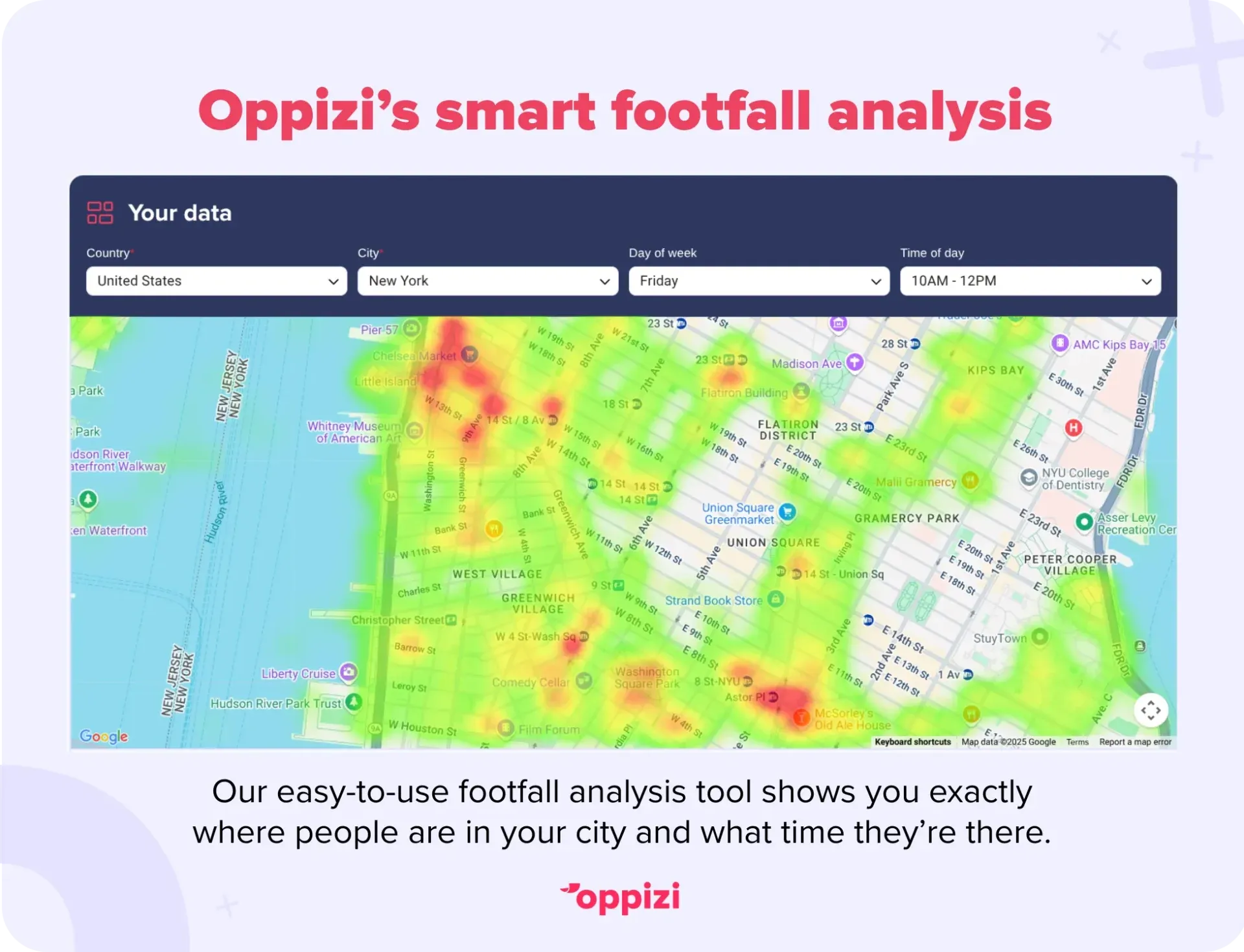
The campaign brought in 3,000+ new users and reduced offline acquisition costs by 70%. It shows how targeted, data-driven flyering can help rideshare brands build visibility and trust in local communities.
2. Build a two-sided marketing funnel
Rideshare marketing is different from most businesses. You have two audiences: riders and drivers. Growth slows if you ignore either side. The best strategies build a funnel that balances acquiring new users and keeping them active. You need enough drivers on the road for every rider. Otherwise, wait times rise, riders get frustrated, and both sides start leaving the platform.
Driver acquisition tactics
- Offer competitive sign-up bonuses, but tie them to activity thresholds to reduce churn.
- Highlight flexible income opportunities through stories and testimonials from drivers who value independence and earnings.
- Run offline activations at driver hotspots like gas stations, parking lots, or university campuses. Flyers work well here if tracked and optimized.
Rider acquisition tactics
- Use first-ride free or discounted campaigns with clear instructions on how to redeem.
- Partner with bars, nightclubs, and restaurants to share promo codes where riders need transportation.
- Run referral programs to encourage riders to invite friends and family.
Both sides must grow in sync. Too many drivers without riders means idle time and lost earnings. Too many riders without drivers means long waits and unhappy customers. Balancing supply and demand is essential for a smooth platform that keeps everyone coming back.
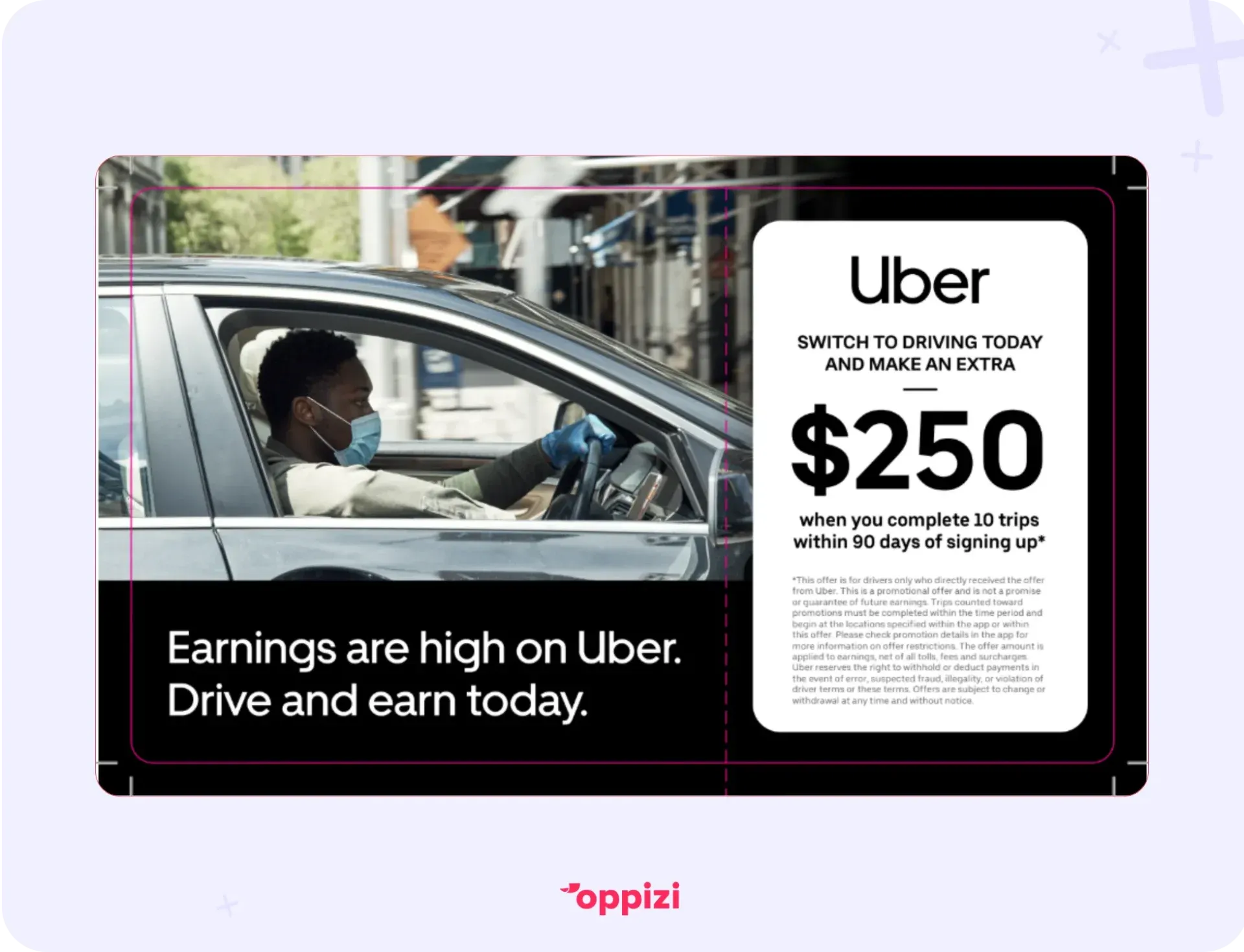
Uber’s launch in Australia and New Zealand is a strong example of how this can work. By working with Oppizi, they targeted both riders and drivers with over three million flyers, tracking sign-ups in real time.
The campaign scaled both sides of the platform and outperformed online channels for two years straight, proving how a data-driven, two-sided acquisition strategy can fuel rapid growth in new markets.
3. Leverage referral and loyalty programs
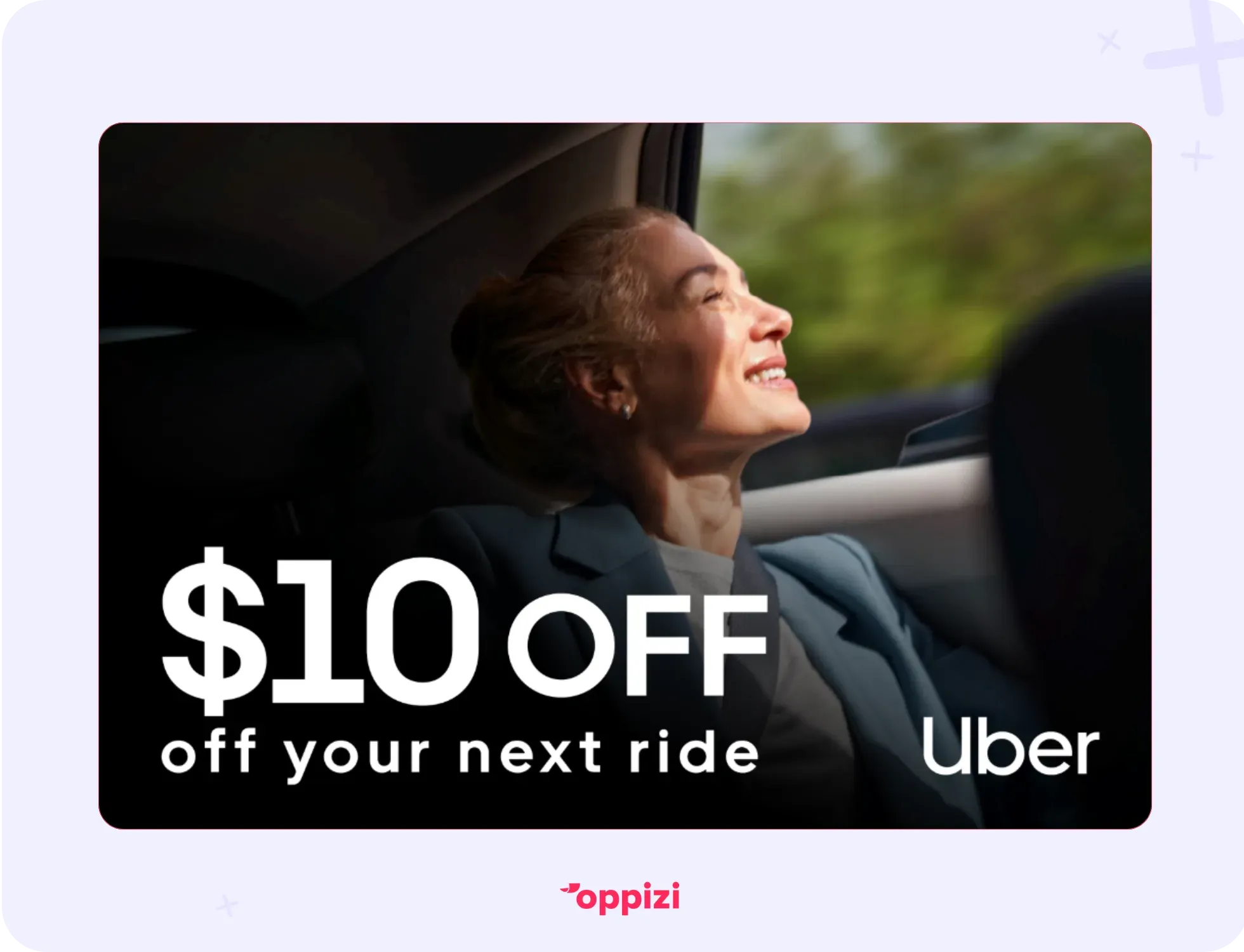
Referral marketing is one of the strongest strategies in ridesharing. Companies can scale fast by giving both riders and drivers incentives to invite friends. Riders get discounts or free rides, while drivers earn bonuses for bringing in new drivers.
Each new participant can bring in several more, creating a self-reinforcing growth loop. This boosts acquisition while keeping costs lower than traditional advertising. Here’s how to implement those tactics effectively:
- Dual-sided rewards: Give both the referrer and the referee a benefit. For example, a rider who refers a friend could receive $10 in ride credits, while the friend gets their first ride free.
- Add gamification: Offer tiered rewards for multiple referrals, such as free rides after five referrals and premium rewards at ten.
- Include drivers: Encourage drivers to recruit other drivers with a cash bonus after the new driver completes a set number of trips.
4. Optimize your digital presence
Your website and app store listings are often the first touchpoints for potential users. Optimizing them can be the difference between a download or a lost opportunity. Clear messaging, easy navigation, and visuals that explain your service help users act quickly. App store optimization ensures your app appears when riders and drivers search in your city.
Tips:
- App Store Optimization (ASO): Use keywords like “rideshare in [city]” in the app title and description. Encourage positive reviews and respond to negative ones to show you care.
- Local SEO: Create city-specific landing pages with structured data, FAQs, and testimonials. Optimize for “[City] rideshare app” to appear in local searches.
- Content marketing: Publish blogs, guides, and comparison pages like “Best alternatives to Uber in [City].” This captures riders actively looking for options.
- Paid acquisition: Use Google and Meta performance ads. Control CAC by targeting specific cities, times of day, and retargeting users who visited your site.
5. Harness offline marketing for high-impact results
Digital channels are important, but offline marketing helps rideshare brands stand out. Various ridesharing companies have used offline tactics like street teams and event sponsorships over the years. When executed well, these strategies deliver measurable results, reducing acquisition costs, increasing rider engagement, and attracting high-quality riders and drivers.
Offline tactics:
- Flyer distribution: Hand out well-designed flyers near nightlife areas, airports, campuses, and transit hubs. Oppizi tracks impressions, conversions, and ROI.
- Out-of-home advertising: Billboards, bus stop ads, and subway placements keep your brand visible during peak commuting hours.
- Experiential marketing: Pop-up stands at events let people download the app on the spot. Staff can answer questions and give out promo codes.
- Driver-focused campaigns: Distribute recruitment flyers or brochures at car washes, service shops, and community centers.
Offline campaigns work best when they’re measurable. With Oppizi, each flyer or mailer carries a unique QR code and promo tracking linked to a real-time dashboard. This lets you track scans, conversions, and ROI, ensuring maximum impact for your rideshare brand.
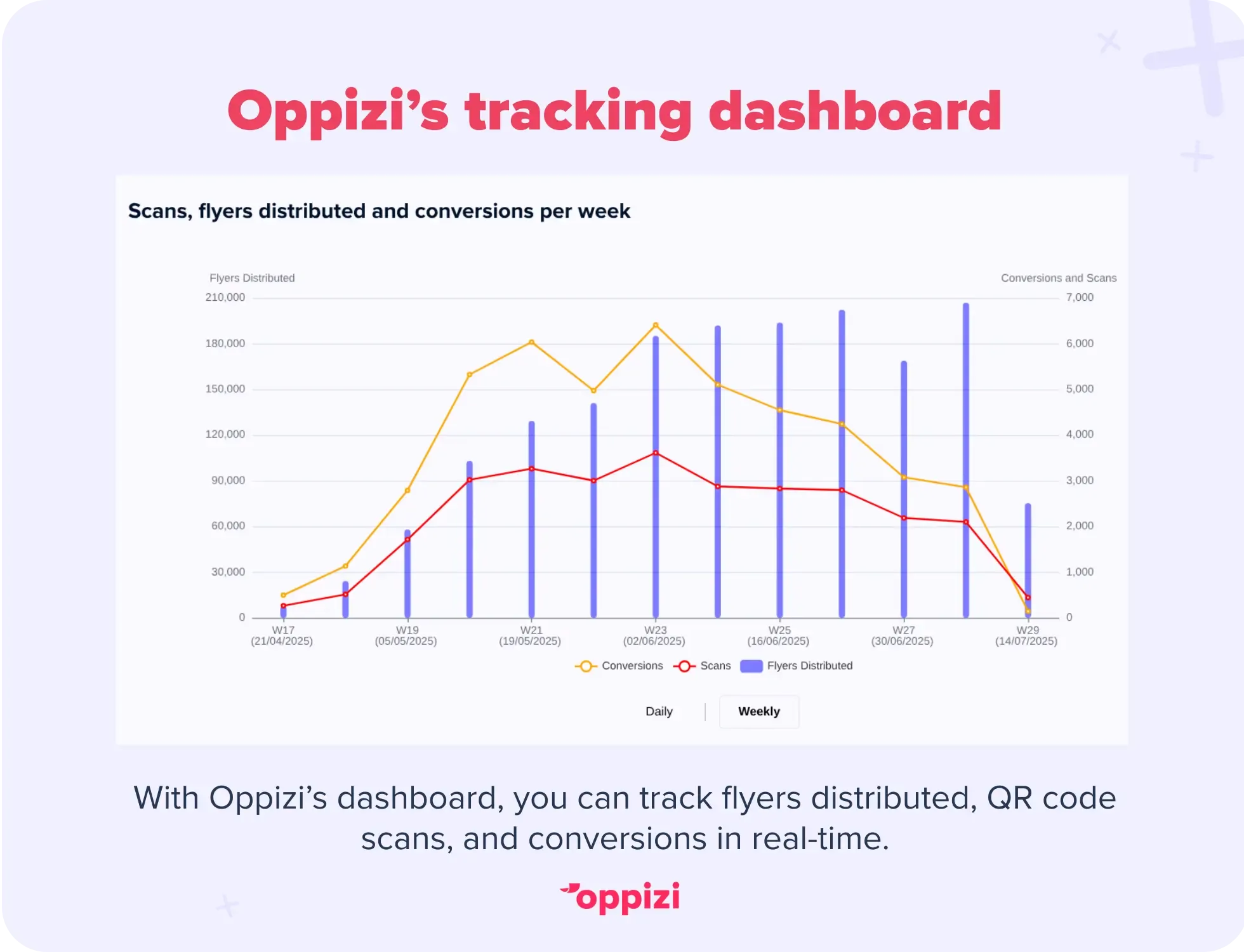
FREE NOW, a European mobility and taxi app, invested in offline marketing by running a series of large-scale street flyering campaigns to grow customer acquisition and brand awareness across multiple French cities.
By partnering with Oppizi, they were able to monitor scans, conversions, and overall performance via a real-time dashboard, optimizing the campaign as it ran. This approach not only increased ridership and expanded their customer base but also strengthened FREE NOW’s brand visibility and credibility in new markets.
6. Invest in trust and safety messaging
Safety is one of the top concerns for both riders and drivers. In markets where riders worry about reliability or personal security, trust and safety campaigns can set your brand apart. Showing how you vet drivers, track rides in real time, and offer in-app safety tools reassures users and encourages them to choose your service over competitors.
How to highlight safety:
- Promote app features: Show SOS buttons, driver background checks, and GPS tracking in ads.
- Driver vetting campaigns: Explain your screening process and driver training as part of your brand story.
- Community testimonials: Share real stories from riders and drivers who feel safe using your platform.
Waymo, a US-based self-driving car service, makes safety the core of its message, and it shows in the results. After 56.7 million miles, Waymo's fully autonomous driving system has cut serious injury crashes by 85% and reduced injuries to pedestrians by 90%, as well as cyclists and motorcyclists by 82%.
This demonstrates the power of putting trust and safety front and center in a mobility brand’s marketing strategy, especially for emerging technologies that are still building credibility among the general public.
7. Use data-driven pricing and promotions
Rideshare customers are very price-sensitive. Pricing is both a marketing tool and an operational tool. The right fares attract riders during slow periods, balance supply and demand, and keep drivers active. Data-driven pricing ensures promotions, surge pricing, and discounts work without frustrating users.
Tactics:
- Dynamic discounts: Offer time-sensitive promos, like evening ride discounts to nightlife areas or morning commuter offers.
- Segmented campaigns: Use CRM data to re-engage inactive riders with targeted discounts.
- Transparent pricing: Clearly show fare ranges upfront. Transparency builds trust and encourages long-term loyalty.
8. Expand with event-based campaigns
Events create spikes in demand. Position your rideshare as the go-to option during concerts, sports games, or festivals to boost adoption and attract new riders. Event-specific discounts, dedicated pick-up zones, or branded experiences help your brand stand out and capture users when they need transportation most.
Examples:
- Music festivals and concerts: Hand out flyers with first-ride codes at entrances and exits.
- Sporting events: Partner with stadiums for co-branded campaigns offering safe rides home.
- Conferences and expos: Include rideshare discount codes in attendee materials.
9. Differentiate with sustainability and social impact
More riders, especially younger users, want to support brands that reflect their values. Use sustainable marketing to position your rideshare as community-minded, attract conscious users, and build lasting loyalty. This shows your brand cares about more than just rides.
Ideas:
- Eco-friendly fleets: Highlight hybrid or electric vehicle adoption.
- Carbon offsets: Give riders the option to offset trip emissions.
- Community initiatives: Sponsor ride credits for frontline workers, students, or underserved communities.
Lyft is transitioning its platform to 100 percent electric vehicles by 2030. This aims to cut tens of millions of metric tons of greenhouse gas emissions and save over a billion gallons of gasoline.
Through Express Drive, policy partnerships, and EV incentives, Lyft helps drivers lower costs, expand EV access, and decarbonize rideshare operations. These steps build cleaner, healthier, and more equitable communities.
10. Measure, test, and refine
The best rideshare marketing strategies are not static. They evolve based on performance data and user behavior. Constantly measuring results, running experiments, and refining campaigns helps you identify what drives the most riders and keeps drivers engaged. Data-driven marketing ensures every dollar works harder and keeps your platform ahead of competitors.
Tactics:
- Track CAC and LTV: Compare customer acquisition cost to lifetime value. Adjust if CAC exceeds LTV.
- A/B testing: Experiment with different creatives, promo codes, and offline distribution zones.
- Offline-to-online tracking: Use Oppizi to link flyer campaigns to app installs and rides.
- Cohort analysis: Find which riders and drivers are most profitable and focus acquisition efforts on similar profiles.
Conclusion
Winning in rideshare marketing takes more than digital ads and promotions. The companies that succeed combine online and offline strategies, focus on local markets, and maintain a balanced funnel for both riders and drivers.
Referral programs, SEO, flyer distribution, and event partnerships all create opportunities, but only if campaigns are precise and guided by data.
If you want to grow your rideshare business with proven offline strategies, Oppizi makes it simple. Our platform delivers data-driven flyer distribution, helping you reach the right audience in the right place and track results in real time.
Ready to expand your rideshare brand? Try Oppizi’s user-friendly platform and see how easy offline marketing can be.