Last updated July 23, 2026
Failing to track your success is like sailing without a compass—your marketing will drift aimlessly. A good marketer doesn’t guess—they measure. That’s where KPIs come in. These numbers tell you if your marketing is making money or burning it.
Website traffic, conversion rates, ROI—each one reveals whether you’re on the right track or headed for trouble.
When you measure the right KPIs, you stop throwing money at what doesn’t work and double down on what does. You reach the right people, spend smarter, and grow faster. Now, let’s break down the most important KPIs and how to use them to sharpen your strategy.
What is a KPI in marketing?
A marketing KPI is a number that shows how well a business is reaching its goals. It helps track what’s working and what’s not. Businesses use KPIs to measure success, improve strategies, and get the best results from their efforts.
Some KPIs focus on hard numbers, like sales or website traffic. Others look at customer opinions and behavior. The right KPIs help businesses spot trends, make smart choices, and fine-tune their marketing to get better results.
Marketing KPI examples
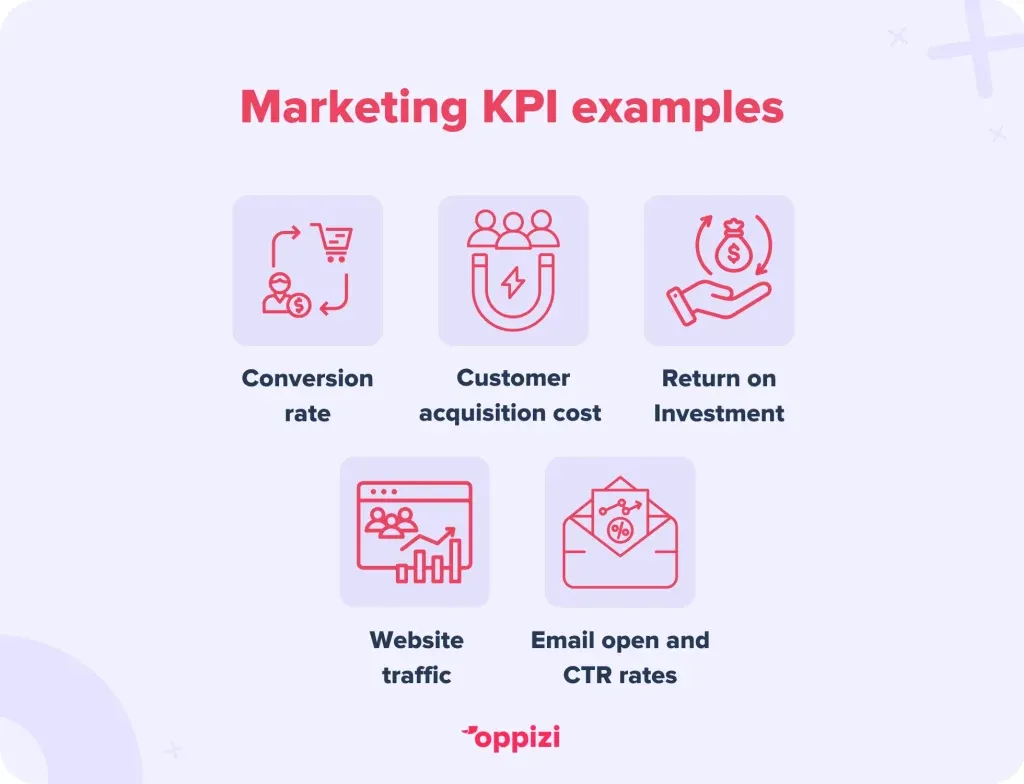
Here are key marketing KPIs to track:
- Conversion rate: Percentage of visitors who take a desired action.
- Customer acquisition Cost (CAC): Cost to acquire a new customer.
- Return on investment (ROI): Profitability of marketing efforts.
- Website traffic: Total visitors to your website.
- Email open and click-through rates: Engagement metrics for email campaigns.
Monitoring these KPIs helps you evaluate marketing effectiveness and make informed decisions.
Top 10 KPIs to measure in your next marketing campaign
The KPIs you choose for your next campaign should be tailored to your business type, the products or services you offer, and the customers you aim to attract. Some metrics may not warrant your attention, while others are absolutely critical. Here are ten key performance indicators that often demand your focus.
1. Search and website traffic
The more people who visit your website, the more chances you have to turn them into customers. That’s why tracking traffic is so important.
Search traffic tells you how many people find your site through search engines. Website traffic counts all visitors, no matter where they come from. Both numbers help you see if people are interested in what you offer.
If your search traffic goes up, it usually means your site is ranking better. And better rankings bring in even more visitors. Keep an eye on these numbers to see if your SEO efforts are working.
2. Conversion Rate
Getting people to visit your website is great, but if they’re not interested in what you offer, it won’t lead to sales. That’s why it’s important to reach the right audience—people who actually need your product or service. The better you understand them, the better your marketing will work.
One way to measure this is with your conversion rate—the percentage of visitors who take action, like signing up for emails or making a purchase. A high conversion rate means you’re attracting the right people and guiding them toward a decision. If traffic is high but conversions are low, it might be time to improve your content, calls to action, or landing pages.
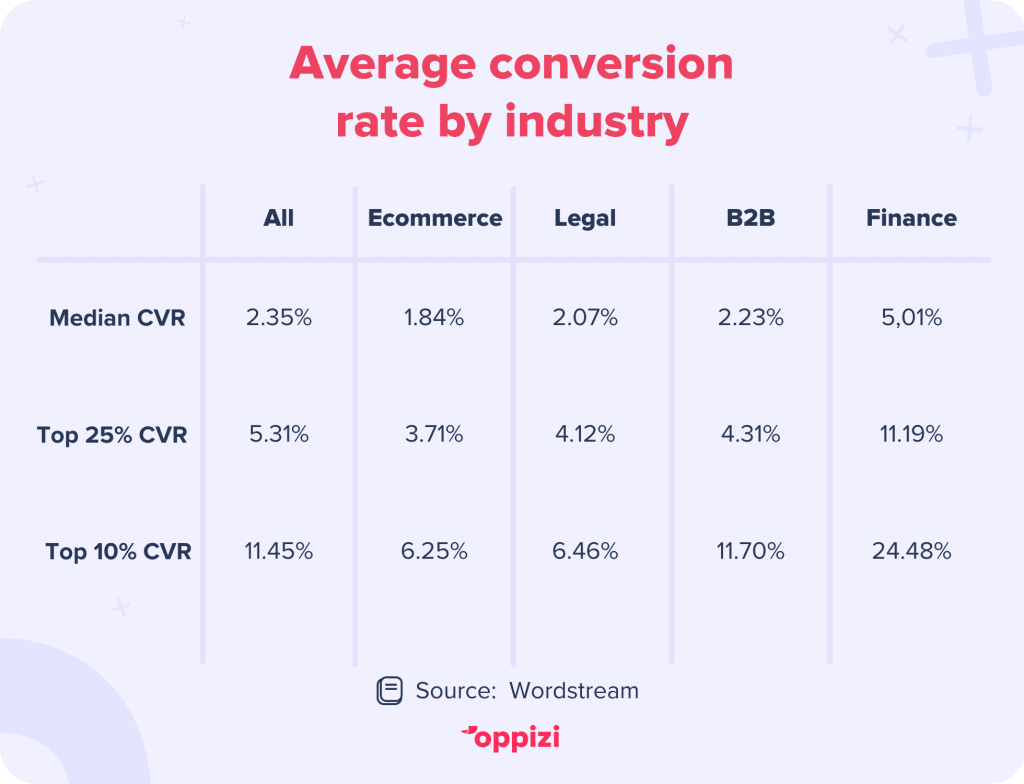
Common belief holds that a good conversion rate ranges from 2% to 5% of your leads. If your current rate is 2%, increasing it to 4% would be a significant improvement. Having said that, conversion rate varies depending on the industry and several other factors.
3. Tracking email marketing success
Email is one of the best ways to connect with potential customers. People check their inboxes every day, so a well-crafted email can drive real results. But to make sure your emails are working, you need to track key metrics:
- Delivery rate – How many emails actually reach inboxes.
- Open rate – How many people open your emails.
- Click-through rate (CTR) – How many readers click on links inside your email.
- Bounce rate – Emails that couldn’t be delivered.
- Spam rate – How often your emails get marked as spam.
- Unsubscribe rate – The number of people opting out.
- Social shares – How often recipients share your email.
Tracking these numbers helps you see what’s working and what needs fixing. If open rates are low, try testing different subject lines. If people aren’t clicking, your content or call to action might need improvement.
For the best results, focus on providing value. People don’t like pushy sales emails. Instead, offer helpful, relevant content that builds trust and encourages action.
4. Sales revenue
Sales revenue is the total income from sales. Watching this number helps you see if your marketing is actually bringing in money. If sales go up, your strategy is working. If they drop, it’s time to make some changes.
To get the full picture, track sales over time and see how they connect to your marketing efforts. This helps you spot trends, figure out what’s working, and adjust your strategy to keep growing.
5. Leads
Leads keep your business moving. Without new potential customers, growth slows down. That’s why tracking and nurturing leads is so important.
Not all leads are the same. There are two main types:
- Marketing Qualified Leads (MQLs): People who are interested but not ready to buy.
- Sales Qualified Leads (SQLs): People who are more likely to make a purchase.
By looking at your leads, you can see who’s most interested in what you offer. The goal is simple—connect with them at the right time, offer something valuable, and help them take the next step.
6. ROI
Every business spends money before it makes money. The goal is to bring in more than you spend. That’s where return on investment (ROI) comes in.
ROI shows how much revenue your marketing brings in compared to what you spent. If it’s positive, your efforts are working. If it’s negative, it’s time to adjust.
To get a clear picture, track both:
- Short-term ROI: The immediate impact of a campaign.
- Long-term ROI: How marketing drives growth over time.
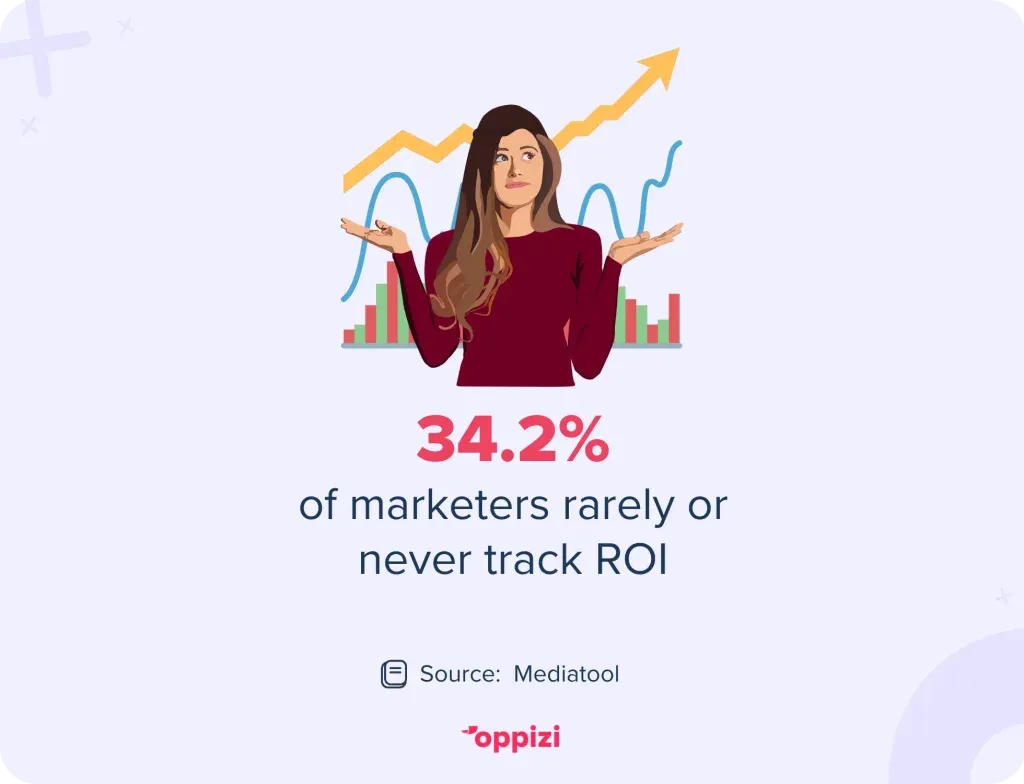
Keeping an eye on ROI helps you spend smarter and focus on what actually works. Yet, 34.2% of marketers rarely or never track it, wasting budget and missing chances to improve. That’s why doing so can put you one step ahead while numerous competitors fall behind.
7. Lifetime value of a customer (LTV)
Customer trust keeps a business going. When people believe in your brand, they come back. That means more sales and less worry about new competitors.
But how do you measure loyalty? Look at lifetime value (LTV). This shows how much money the average customer spends with you over time. A high LTV means people keep buying. A low LTV means they buy once and move on.
Want to boost LTV? Keep customers happy. Offer great service, build real relationships, and give them reasons to stick around. The longer they stay, the more your business grows.
8. Cost of customer acquisition (CAC)
Bringing in new customers is important, but it shouldn't break the bank. That’s why tracking cost of customer acquisition (CAC) matters.
CAC shows how much you spend to get a new customer. The lower the number, the better—because it means your marketing is working efficiently.
Keeping an eye on CAC helps you:
- Find the marketing channels that bring in customers for less.
- Cut what’s not working and spend smarter.
- Improve how you turn leads into buyers, so sales happen faster.
If CAC is going down, your strategy is paying off. Keep it in check to grow without overspending.

9. Social media engagement
Social media isn’t just about posting—it’s about connecting with people. Digital marketers know it works, and consumers use it to research companies and their products. That means your business needs to be part of it and post content that’s engaging.
To see if your efforts are paying off, track these key numbers:
- Likes, comments, and shares – Show how much people interact with your content.
- Follower count and growth – Measure how fast your audience is growing.
- Reach and impressions – Tell you how many people see your posts.
Here’s how to calculate important social media metrics:
- Growth rate = (New Followers / Total Followers) × 100
- Post reach % = (Post Views / Total Followers) × 100
- Average engagement rate = (Likes + Comments + Shares) / Followers × 100
Most social platforms have built-in tools to track these stats. The more you engage, the more people notice, trust, and buy from you. So, make social media a key part of your marketing.
10. Customer retention
Getting new customers is great, but keeping them is even better. Loyal customers spend more, refer others, and help build a strong brand. If they start leaving for competitors, it can hurt both sales and reputation.
To keep customers coming back, you need to understand what makes them stay. Cohort analysis helps with this. It tracks customer behavior over time, answering questions like:
- How long does it take for a first-time buyer to make a second purchase?
- How many people stay engaged after signing up?
- Which products or services lead to repeat business?
Different industries use cohort analysis in their own way:
- eCommerce – Find out which products drive repeat sales.
- Digital marketing – Track website engagement and conversions.
- Product marketing – See which features keep users coming back.
Watching customer retention rates shows if people stick with your brand—or if it’s time to make changes.

FAQ: Marketing KPIs
What is the KPI in marketing?
A KPI (key performance indicator) is a number that shows how well your marketing is working. It helps track success. Common KPIs include website traffic, conversion rates, and return on investment (ROI).
What are the 5 KPIs?
Every business tracks different numbers, but five important ones are:
- Conversion rate – The percentage of visitors who take action (buy, sign up, etc.).
- Customer acquisition cost (CAC) – How much you spend to get a new customer.
- Return on investment (ROI) – How much profit your marketing brings in.
- Website traffic – The number of people visiting your site.
- Customer lifetime value (LTV) – The total money a customer spends with you over time.
What is KPIs in content marketing?
These numbers show how well your content is performing:
- Organic traffic – How many people find your content through search.
- Engagement rate – Likes, shares, and comments.
- Lead generation – The number of new potential customers your content brings in.
- Bounce rate – How many visitors leave your page without doing anything.
How to write a marketing KPI?
A good KPI is clear, measurable, and tied to your goals. Here’s how to create one:
- Define your goal – What do you want to achieve? (e.g., increase sales).
- Pick a metric – Choose a number that tracks progress (e.g., conversion rate).
- Set a target – Make it specific (e.g., grow conversions by 10% in three months).
- Track progress – Use analytics tools to measure results.
What is a KPI example?
One example is email open rate, which shows how many people open your emails. If you want better engagement, your KPI goal might be: “Increase email open rates from 20% to 25% in six months.”
Set and track marketing KPI targets
The best marketers don’t rely on luck—they rely on numbers. If you can’t measure it, you can’t improve it. Keep a close eye on these 10 KPIs. Review them often. Adjust your strategy. Watch your results improve.
Oppizi takes the guesswork out of tracking in offline marketing, giving you the data you need to make smarter decisions. No fluff. No wasted effort. Just clear insights that show you what’s working—and what isn’t. Sign up for free today and start growing your business the right way.