Last updated July 23, 2026
Feel like your flyers aren't getting any attention? You're not the only one. The spot where you hand out flyers matters a lot. It’s not about giving out as many as you can. It’s about reaching the right people, in the right place, at the right time.
If you're promoting a store, an event, or a service, choosing the right location helps you connect with people who might actually be interested. This guide will show you how to pick the best spots for your flyer campaign, even if it’s your first time.
Why flyer distribution still works
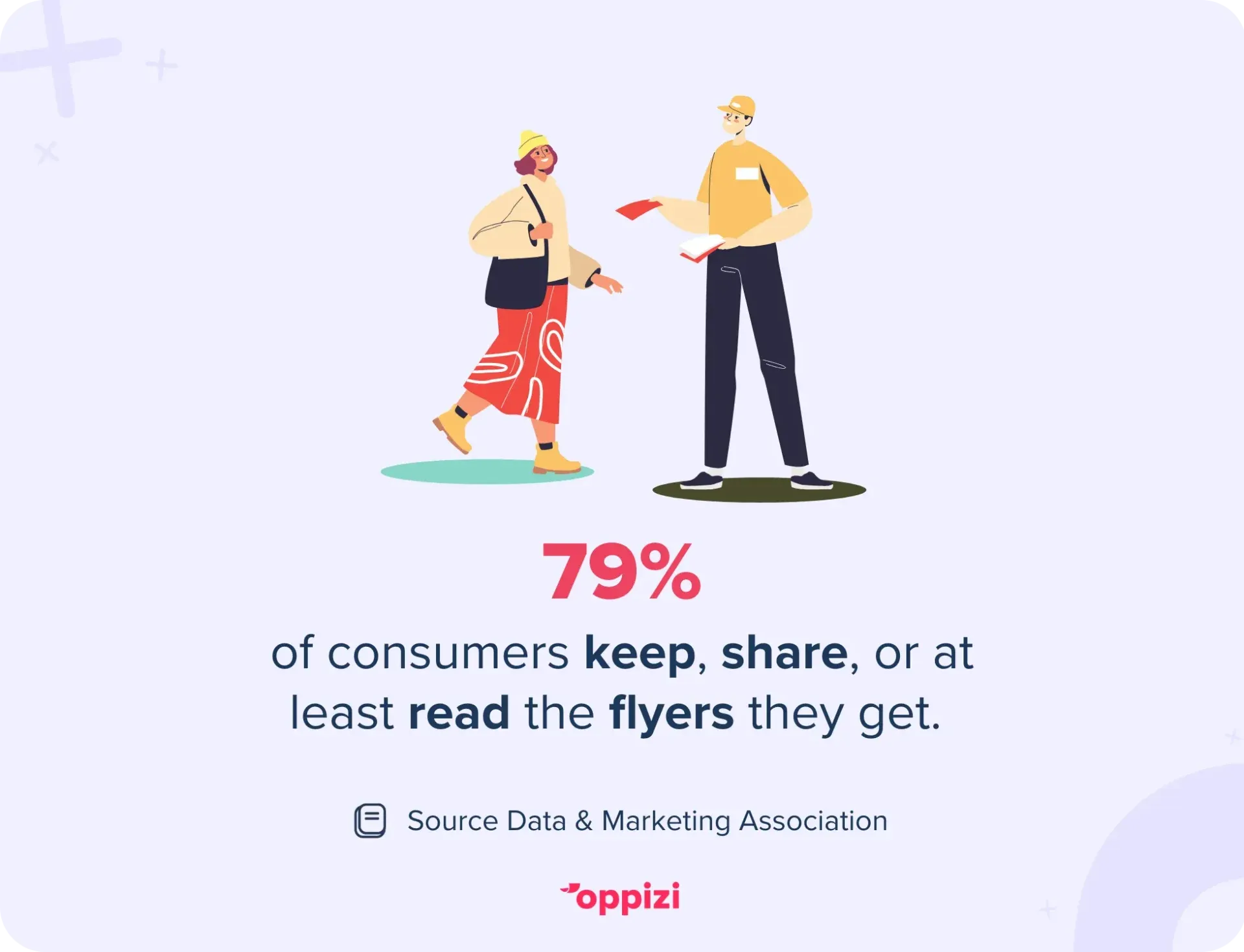
Flyers still work because they’re simple, affordable, and direct. Plus, most people don’t just throw them away. In fact, 79% of consumers keep flyers, share them, or at least read them. When done right, flyer marketing is:
- Low-cost
- Targeted
- Measurable (with the right tools)
But it all starts with choosing the right place. That’s where most campaigns succeed or fail.
How to choose the best locations
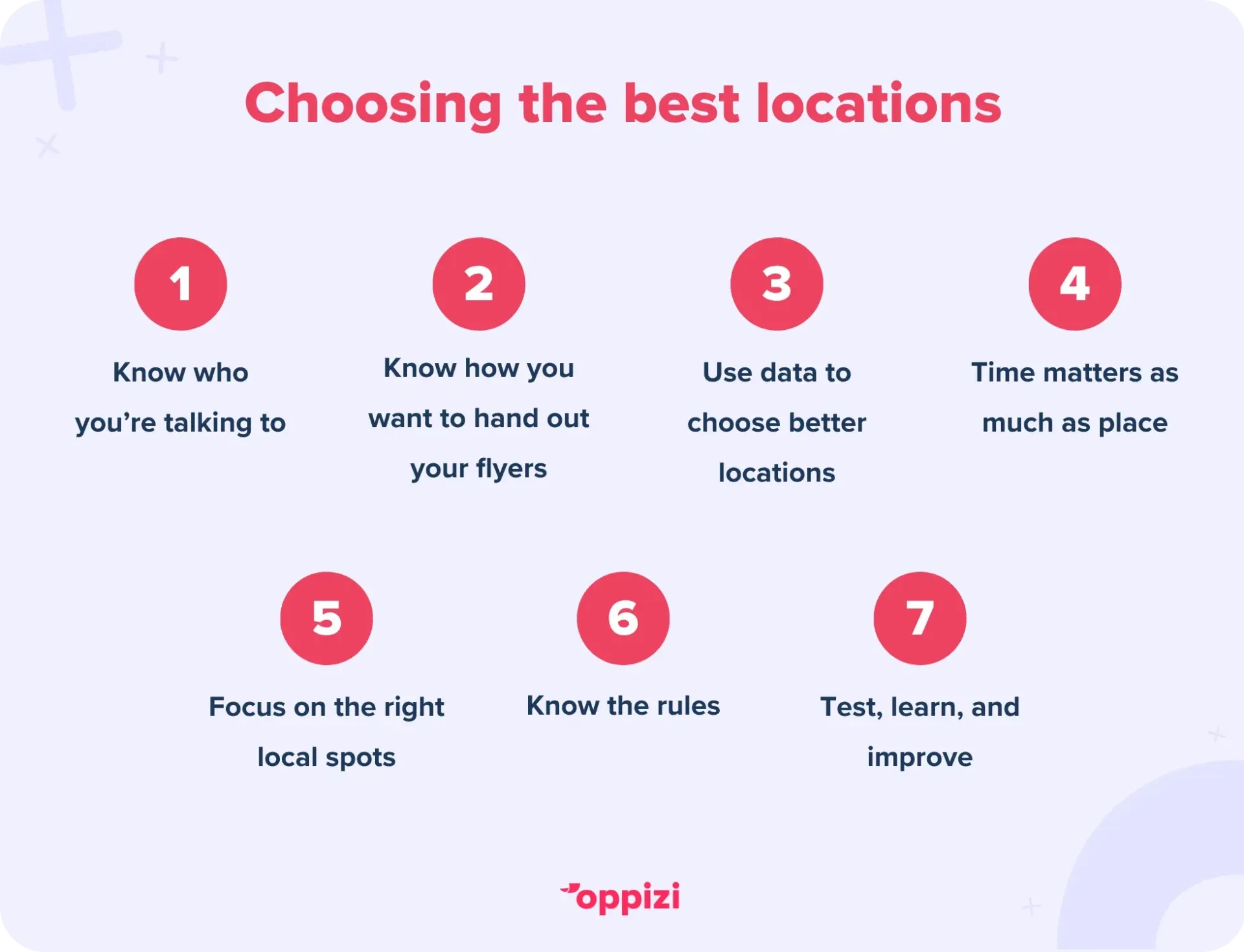
Step 1: Know who you’re talking to
Before picking a location, think about who you want to reach. This step is easy to skip, but it’s the most important one. Ask yourself:
- How old are they?
- Are they students, professionals, parents, tourists, or retirees?
- What do they care about?
- Where do they spend their time?
Once you know your audience, you can start to think about where they might be. Here are a few examples:
Student Sarah
She’s 21, goes to university, hangs out in cafes, takes the train, and notices posters on campus.
Busy Parent Paula
She’s in her 30s or 40s, picks up her kids from school, visits parks, and shops during the weekday mornings.
Remote Worker Ryan
He works from a coworking space, grabs lunch nearby, and often visits the gym or a local coffee shop.
Now match them to flyer locations:
- Sarah: outside campus buildings, near student housing, at train stations
- Paula: close to schools, playgrounds, or grocery stores
- Ryan: near coworking spaces, gyms, or cafés
When you know who you're trying to reach, it's easier to choose spots where your flyers will actually make an impact.
Step 2: Know how you want to hand out your flyers
There are a few main ways to get flyers into people’s hands.
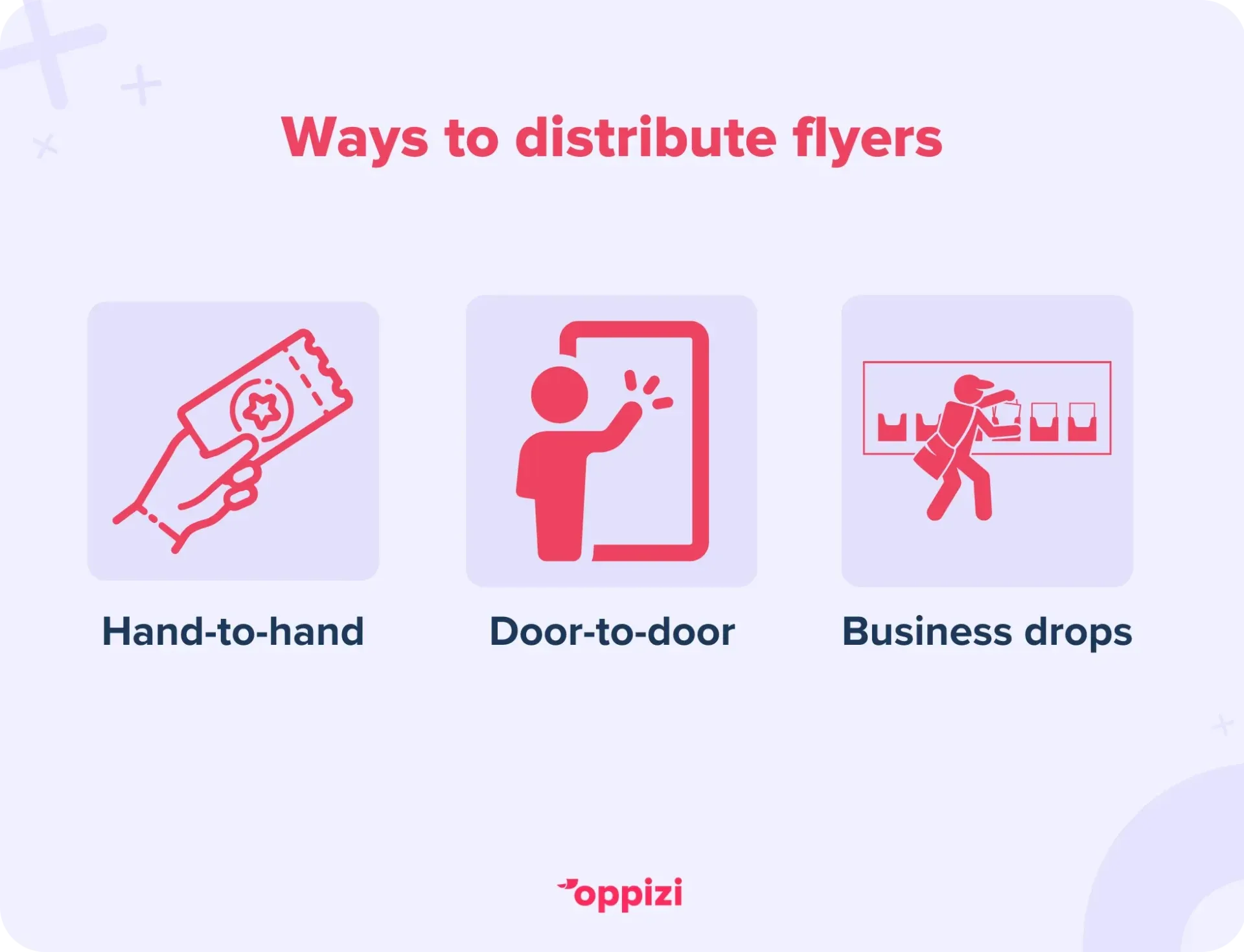
1. Hand-to-hand
This means someone gives the flyer directly to people on the street. It's fast and personal. You can see right away how people react.
Good for:events, time-limited offers, new product launches
2. Door-to-door
Flyers go straight into mailboxes or under doors. People can read them at home when they have time.
Good for: local services, small businesses in a neighborhood
3. Business drops
You leave flyers in places like cafes, gyms, coworking spaces, or shops. People pick them up when they visit.
Good for: slow and steady local awareness
Each method works best in different spots. So think about your audience, your goal, and the type of distribution that fits best.
Step 3: Use data to choose better locations
Guesswork leads to wasted time and flyers. A few numbers can point you in the right direction. Look at things like:
- Foot traffic: Are enough people walking by?
- Who they are: Do they match your audience?
- Spending habits: Can they afford what you're offering?
- Location: Are you close enough for them to take action?
Here are a few tools that can help:
- Google Maps and Street View: Check how busy an area is.
- Census data: Find info on age groups, household size, and population density.
- Oppizi’s platform: See our suggested areas, review what works in campaigns, then make adjustments accordingly.
Tip:If one area performs really well, find other places that look just like it. Same type of people, same habits. That’s how you grow a winning campaign without starting from scratch. Using data means less guessing and more results.
Step 4: Time matters as much as place
Where you hand out flyers is important. But when you do it matters just as much. Think about when your audience is in each spot. For example:
- Universities: Weekday mornings and lunchtime
- Shopping areas: Weekends
- Transit hubs: Rush hour
Avoid quiet times. Fewer people means more waste.
Step 5: Focus on the right local spots
You don’t need to cover the whole city. The best results often come from small, busy areas where your audience hangs out. This is called local targeting. It helps you reach the right people without wasting flyers. Here’s how to do it:
- Choose specific streets, corners, or buildings where your audience is likely to pass.
- Use local landmarks, common routes, or social spots to guide your plan.
- Make sure it’s easy for people to take action from that spot.
Some examples:
- Opening a gym? Try nearby apartments, juice bars, and yoga studios.
- Running an after-school club? Go near schools, playgrounds, and libraries at pickup time.
- Launching a takeaway? Target offices at lunch and neighborhoods in the evening.
Ask yourself:
- Do my people actually go here?
- Are they here at the right time?
- Can they easily do something after getting the flyer?
When you stay local and plan smart, every flyer works harder.
Step 6: Know the rules
Some places don’t allow flyers without permission. To stay on the safe side:
- Check your local authority’s rules
- Ask store owners or building managers
- Don’t use private property unless you get a yes
Using Oppizi helps with this. We handle the entire campaign so you don’t have to worry.
Step 7: Test, learn, and improve
Your first flyer campaign might not be perfect. That’s normal. What matters is learning from it. Track your results:
- Which spots had the most people taking action?
- Did certain areas bring more visits, sales, or sign-ups?
Use QR codes or special links to measure which locations worked best. Then use that info to plan your next campaign.
Use digital tools to find the right locations
Use AI to narrow down smart locations
AI tools like ChatGPT, Claude, or Gemini can help you find great campaign spots. Try prompts like:
- “Where can I hand out flyers in Sydney to reach university students?”
- “Best high-foot-traffic locations in downtown Toronto for fitness flyers.”
AI can pull data from public sources and suggest locations you may not think of.
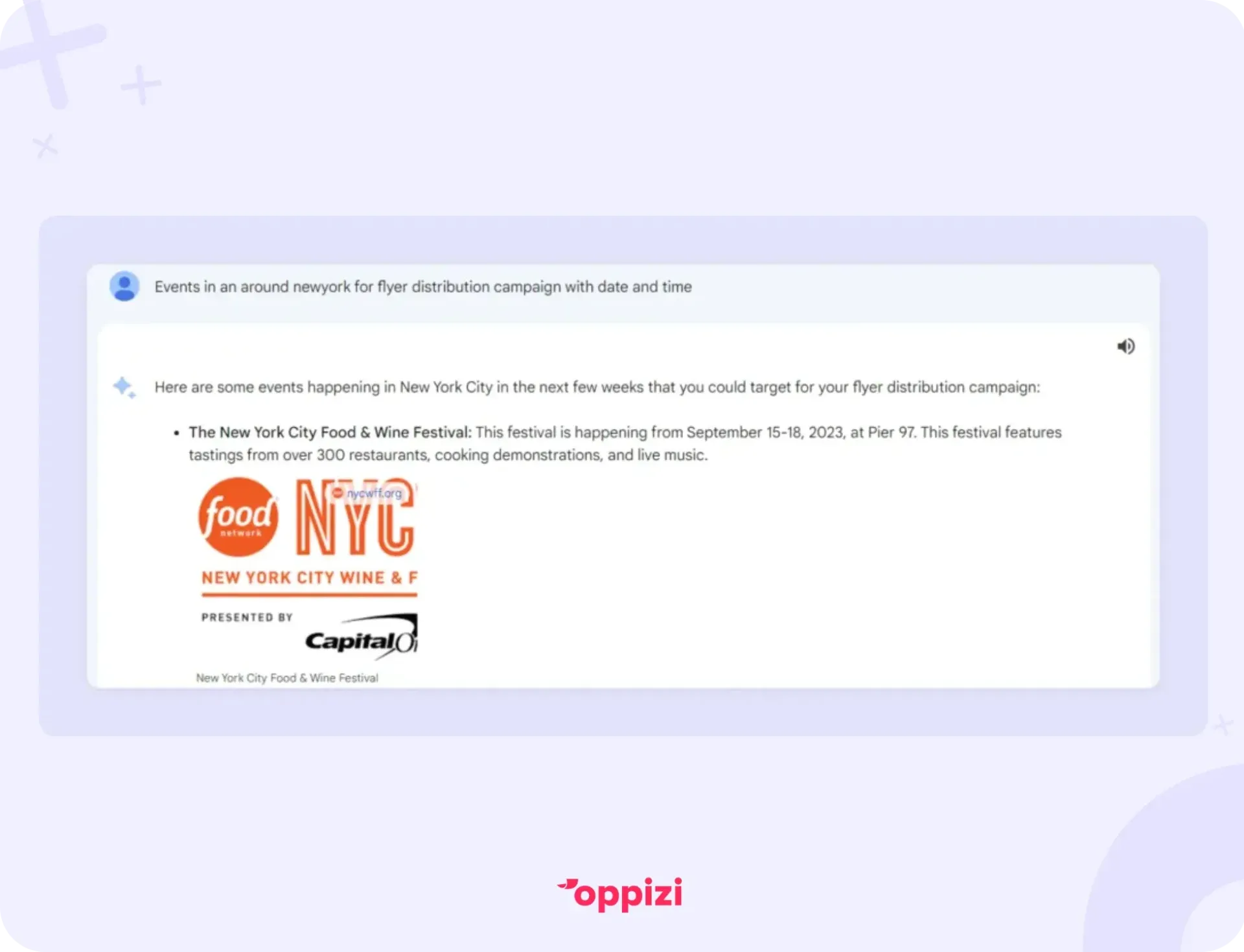
Find events with Google
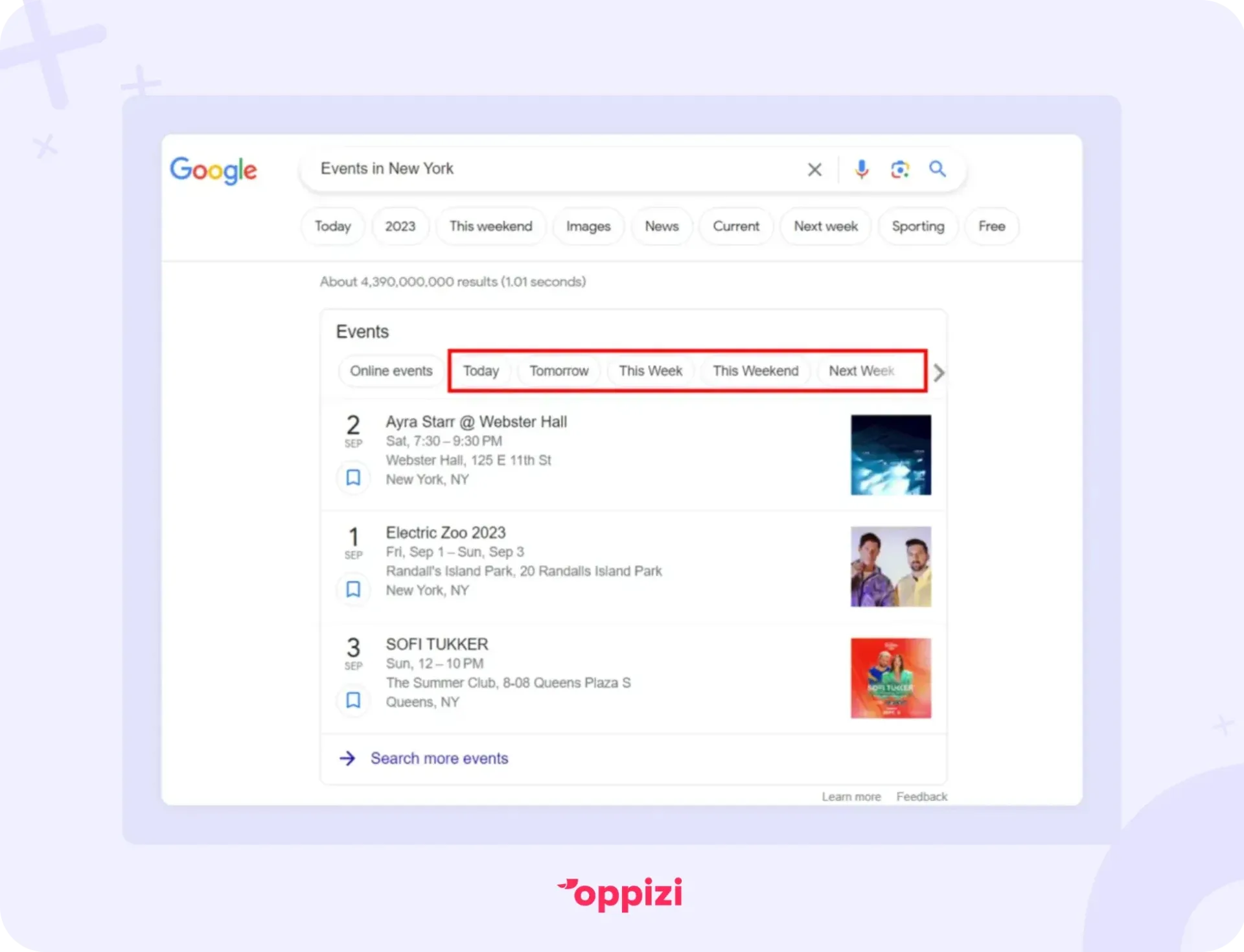
Search: “events in [your city] this weekend.” You’ll get a list of concerts, festivals, expos, and more, perfect for targeting crowds. You can also use sites like Eventbrite or local tourism pages.
Check what people are searching with Google Trends
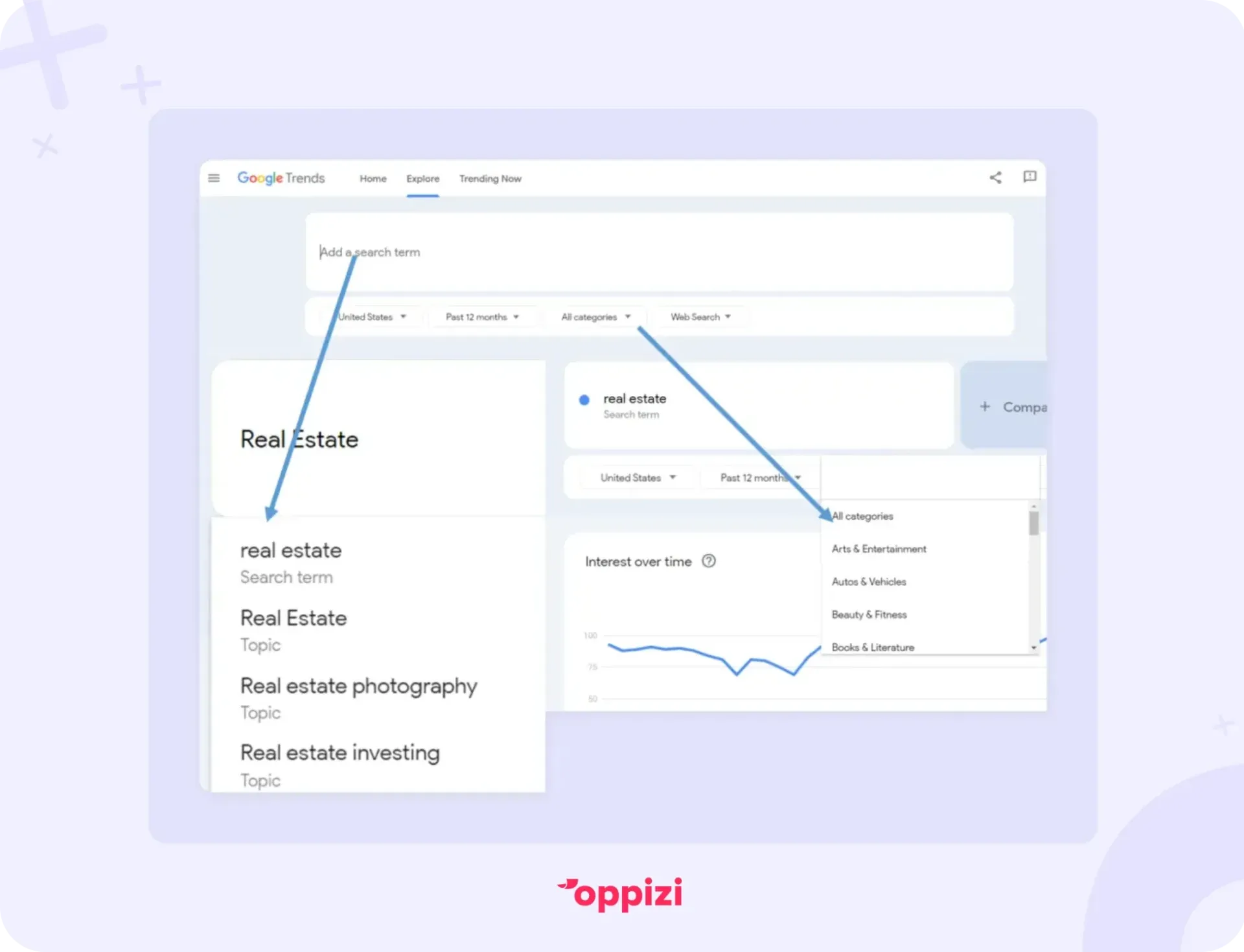
Google Trends shows interest in topics by location. This helps you find hot spots for your product or service. Here’s how:
- Go to Google Trends
- Enter a keyword like “meal kits” or “home cleaning”
- Filter by location and time (e.g. “past 30 days”)
- Look at “Interest by metro” or “subregion”
Compare keywords to see which ones are trending and where.
Use Google Ads Keyword Planner
Find out how often people search for certain terms in specific areas. Here’s how:
- Open Google Ads → Tools & Settings → Keyword Planner
- Click “Discover new keywords”
- Enter something like “fitness classes”
- Filter by city, state, or region
You’ll see monthly search volume, which helps you know where demand is high.
Look at Facebook (Meta) audience data
Go to Meta Ads Manager and explore the “Audience” tools. You can see:
- Where your followers live
- Their age range and interests
- What other pages they like
This helps if you already have a following and want to expand locally.
Try third-party tools
- Demographics Pro: Tells you where your followers are, plus their age, job, and interests.
- Audiense: Shows location-based demographics and helps you find online influencers in your niche.
These tools can cost money but give deeper insights.
Proven hot spots to hand out flyers
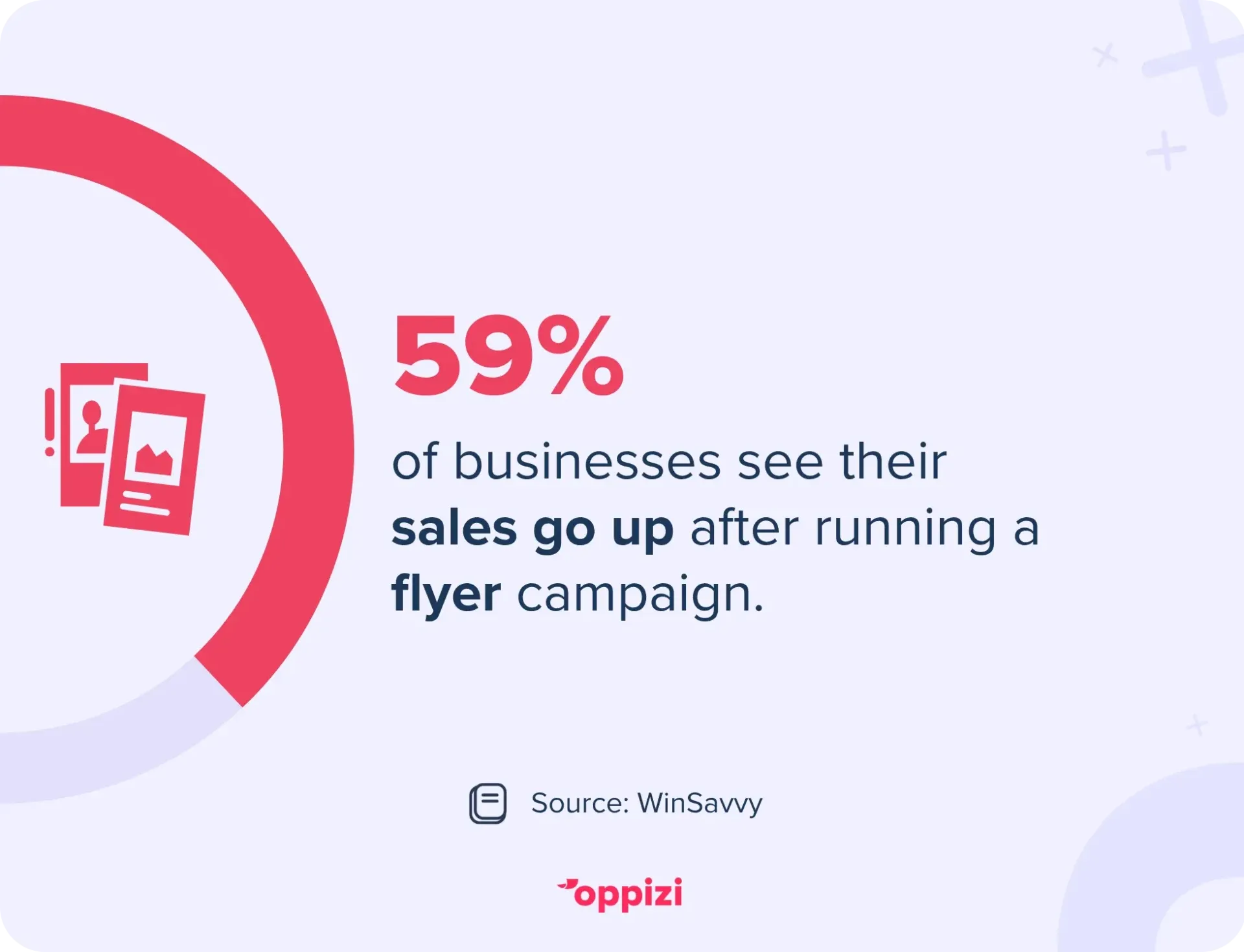
59% of businesses report seeing an increase in sales after a flyer campaign. But the success rate is heavily dependent on location. Some spots always seem to work well. Here's where to start, and why these places matter:
Busy public places
- Train and bus stations: Lots of people during morning and evening commutes. Great for quick deals.
- Shopping malls: People are already out spending. Try entrances, food courts, or near big stores.
- Street corners and crossings: High foot traffic. Good for brand awareness.
Local businesses and community spots
- Cafes and coffee shops: People relax here. Perfect for local services or lifestyle offers.
- Laundromats and salons: People wait around, so they’ll have time to read your flyer.
- Community centers and churches: These places have built-in trust. Good for services people rely on.
Homes and neighborhoods
- Apartment buildings: Lots of people in one place. Great for food delivery, cleaning, or health services.
- Suburban streets: Works well for local shops and home services.
Events and special days
- Festivals and local fairs: People are open to new ideas. Match your flyer to the event vibe.
- University open days: Perfect for anything aimed at students, like housing, food, tutoring.
- Sports games: Big crowds with energy. A great time to share your offer if it fits the audience.
Not every place is right for every brand. But when you match the message to the spot, your flyers can really work.
Mistakes to avoid when choosing flyer locations
Picking the wrong spot can cost time and money. Here are the most common mistakes we see, and how to steer clear of them.
1. Choosing busy places instead of the right ones
Just because an area is crowded doesn't mean it's a good fit. A train station may have lots of people, but if you're promoting a dog grooming service, a nearby park or pet shop is a better choice.
What to do: Go where your ideal customer already spends time.
2. Forgetting about timing
A great spot won’t help if your audience isn’t there. For example, handing out flyers in an office area on a Sunday won’t get results.
What to do: Match your timing with when your audience shows up.
3. Skipping the rules
Some places don’t allow flyer distribution without permission. If you hand them out in the wrong spot, you could get stopped or even fined.
What to do: Always check the rules. If you're using Oppizi, we’ll handle it all for you.
4. Only testing one location
Many people try one area, then stop if it doesn’t work. But even similar spots can give very different results.
What to do: Test a few places. Use QR codes or special links to track which ones work best.
5. Hiding flyers in cluttered spots
Your flyer won’t help if no one sees it. This often happens in places with crowded notice boards or piles of other flyers.
What to do: Choose spots where your flyer will stand out. Keep it eye-level and easy to spot.
Why partner with Oppizi
Choosing the right place is one thing. Getting the campaign out there is another. That’s where we help. With Oppizi, you can:
- Find the best flyer zones using our simple tool
- Match your goals with locations that deliver results
- Skip the stress of permits and planning
Once everything’s set, we handle the rest. Our trained team hits the streets and hands out your flyers for you. You can follow the campaign with live tracking and see how it’s going, every step of the way. It’s flyer marketing without the hassle. Smart, simple, and built to work.
FAQs about flyer distribution locations
Where’s the best place to hand out flyers?
It depends on who you’re trying to reach. Busy places like train stations, shopping streets, and university campuses can work well, but only if your ideal customers are there. For local businesses, it often makes more sense to focus on neighborhoods, cafes, or community centers.
How long does it take to hand out 1,000 flyers?
In a busy area, a team can usually hand out 1,000 flyers in 4 to 6 hours. The exact time depends on the location, time of day, and number of people handing them out.
If you’d rather not manage it yourself, Oppizi can take care of everything, from trained staff to live tracking.
What’s the average success rate for flyers?
Success rates vary, but most flyer campaigns see a 1 to 5 percent response rate. That’s 10 to 50 people taking action for every 1,000 flyers. Good design, smart timing, and the right location make a big difference.
With Oppizi, you can improve your results by tracking what works and adjusting along the way.
Do I need permission to hand out flyers?
Yes, in many areas you need a permit or approval. This includes malls, campuses, and some public spaces. If you skip this step, you could be fined or have your flyers removed. Oppizi handles all the permissions and rules for you, so you don’t have to worry about it.
Can I target certain groups or neighborhoods?
Yes. That’s one of the best parts of flyer marketing. You can target by age, lifestyle, income, or location. You can even pick times of day that make the most sense. Flyers don’t need to reach everyone. They just need to reach the right people.
Final thoughts
The best flyer campaigns don’t just aim for busy spots. They aim for the right ones. Think about who your audience is, where they spend time, and what makes them stop and pay attention. That could be on a busy street, in their neighborhood, or at a local café.
With the right tools and a clear plan, flyer marketing can bring in real results. Want to skip the guesswork? Try Oppizi’s platform and make your campaign smarter from the start.