Last updated August 28, 2026
You’ve probably heard the old cliché “a picture is worth a thousand words.” But, in the context of advertising, it’s very relevant. In fact, it’s even more relevant than you might think.
Visual marketing has emerged as a powerful strategy to engage audiences, convey messages effectively, and drive conversions. Whether it’s through vibrant images, infographics, videos, or interactive content, leveraging visuals can significantly amplify your marketing efforts. Researchers have found that the average person can recall 65% of the visual content that they see three days later.
In this article, we’ll explore the topic of visual marketing, discussing what it is, why it’s so powerful and how to successfully integrate it into your marketing strategy.
What is visual marketing?
Visual marketing involves using imagery, videos, and graphics to communicate your brand’s message, build awareness, and enhance engagement. It taps into the power of visuals to create memorable impressions, foster emotional connections, and simplify complex information.
This approach capitalizes on the human brain’s capacity to process and remember visual information better than text. The visual-based social media platforms available make this approach all the more effective.
Benefits of visual marketing
Here are some of the key benefits of visual marketing to consider:
Enhanced engagement
Visual content naturally draws attention more effectively than plain text. Social media platforms like Instagram, Pinterest, and TikTok are entirely built around visuals, demonstrating how central they are to modern consumer interaction. Research from BuzzSumo shows that social media posts with images receive 2.3 times more engagement than those without.
Improved retention
The human brain is wired to remember images more than words. Adding a well-designed infographic or a striking image to your content helps embed your brand’s message in the audience's memory.
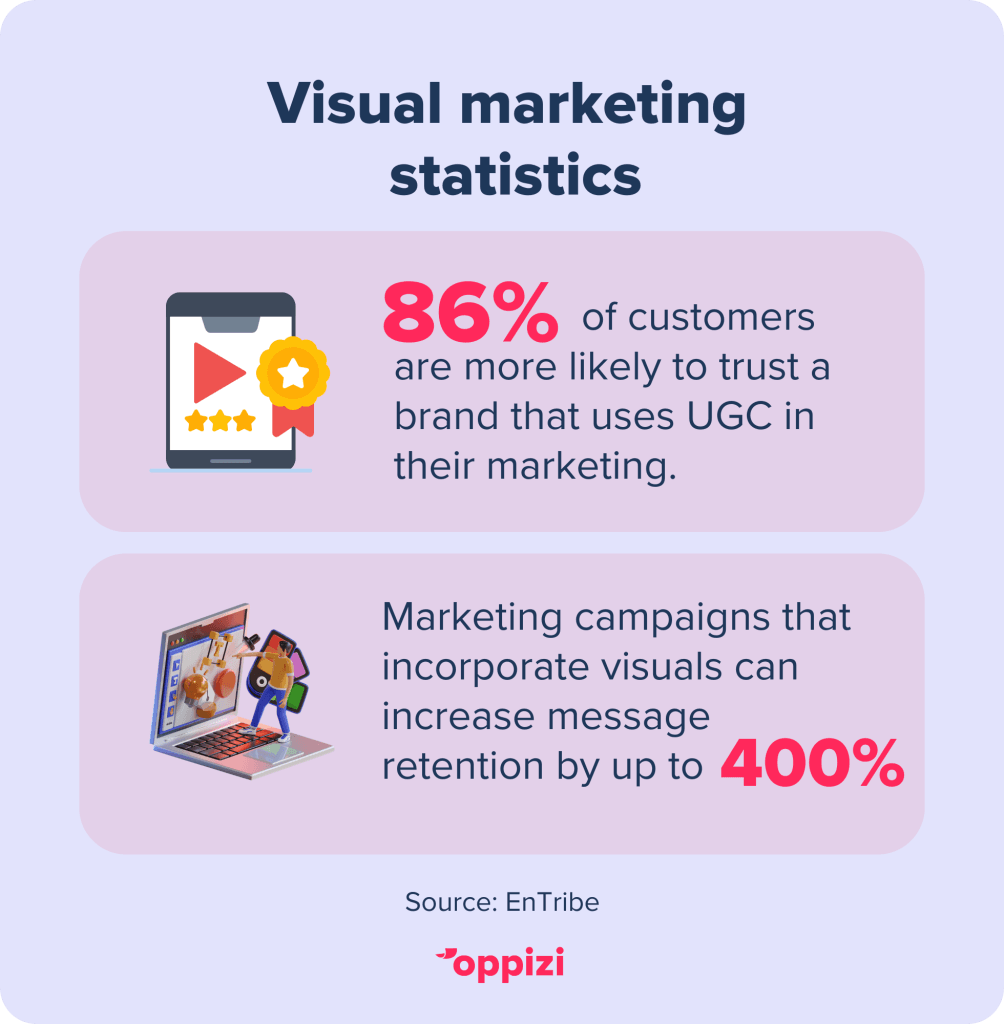
For example, according to Microsoft, marketing campaigns that incorporate visuals can increase message retention by up to 400%. This improved retention can translate into long-term brand recall and customer loyalty.
Increased conversion rates
Visual content can act as a silent salesperson. For example:
- Product Videos: Showing your product in action can help consumers visualize its use and benefits, removing doubts and encouraging purchases.
- User-Generated Content (UGC): Images and videos shared by satisfied customers serve as powerful testimonials, increasing trust and inspiring confidence in prospective buyers. Studies suggest that 86% of customers are more likely to trust a brand that uses UGC in their marketing.
Boosted SEO performance
Search engines prioritize content that includes visuals because it aligns with user behavior. Adding alt text to images, embedding keyword-rich video descriptions, and optimizing file sizes can improve your rankings.
Visual-heavy platforms like Pinterest and YouTube also function as search engines, offering additional opportunities to attract organic traffic.
Stronger emotional connections
Visuals are powerful tools for storytelling and emotional engagement. They can evoke feelings of excitement, nostalgia, trust, or urgency, depending on the narrative you create. For example, a charity organization using heartfelt imagery of people they’ve helped can inspire stronger emotional responses, encouraging donations and support.
Higher shareability
People love sharing visually appealing content. A captivating video, humorous meme, or beautifully designed graphic is more likely to go viral, extending your brand’s reach exponentially. For example, according to MassPlanner, infographics are liked and shared on social media three times more than other types of content.
The most important visual marketing content types
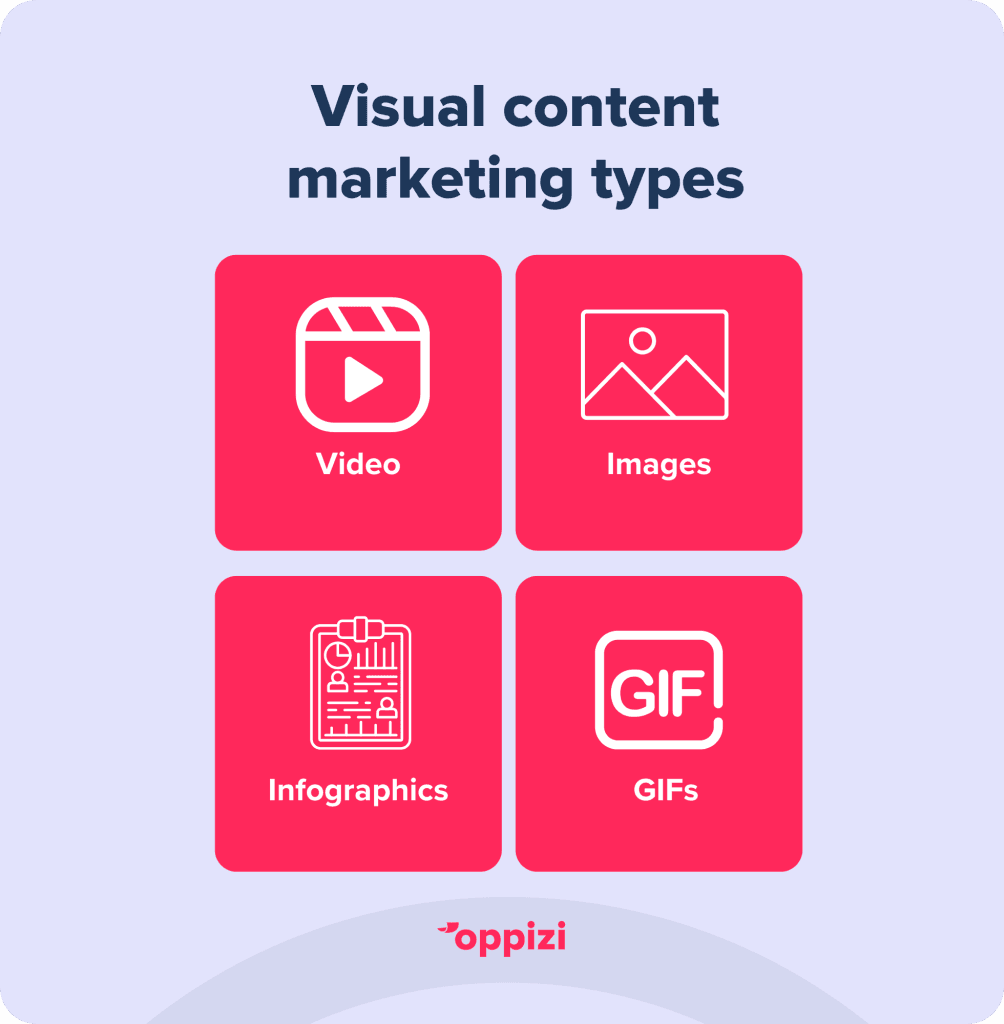
Visual marketing is a broad term encompassing a huge range of content types. Here are some of the most popular options used by big brands and SMEs alike:
Videos
Video content is one of the most engaging forms of content on digital platforms and users engage with them more often than both images and text. You can use them to create powerful connections with viewers and convey complex information in an easily digestible format. According to a HubSpot report, 91% of consumers want to see more online videos from brands.
Images
After video, images are the most engaging form of media for brands to utilize. Sometimes they can be even more effective at communicating a message, as they allow for the quick and easy absorption of information.
Nike, for example, is a brand that leverages high-quality, shareable photos skillfully. Their product images and photos of athletes showcase what they’re selling while also embodying the lifestyle and values associated with the brand, increasing consumer aspiration and engagement.
GIFs and memes
Brands should not underestimate the power of GIFs and memes. They’re a great way to tap into current cultural conversations and humour, making brands feel more relatable and timely.
Netflix frequently uses GIFs from its own series in social media responses to fans, enhancing engagement through content that fans recognize and relate to, fostering a sense of community and brand loyalty.
Infographics
Infographics are ideal for communicating complicated data or concepts in an engaging and easily understandable way. HubSpot does this expertly, using infographics to summarize marketing data or explain digital strategies, which not only provides value directly to their audience, but also drives significant traffic back to their site through shares.
Best practices in visual marketing
Now that you understand what visual marketing is, what it looks like and how it can benefit brands, let’s take a look at some best practices to help you use it:
Invest in quality
Whether it’s time or money, invest in the quality of your visuals, as it directly impacts how people perceive your brand. Low-quality images and videos will not only be ignored, but they can damage your reputation. High-resolution images, professionally shot videos, and well-designed graphics reflect a commitment to quality that will resonate with your audience, improving your brand's perceived value.
Incorporate brand storytelling
Be sure to infuse the story of your brand, along with the emotions and ideas associated with it, with your visuals. Storytelling, whether visual or otherwise, can help you resonate powerfully with your target audience.
Optimize for different platforms
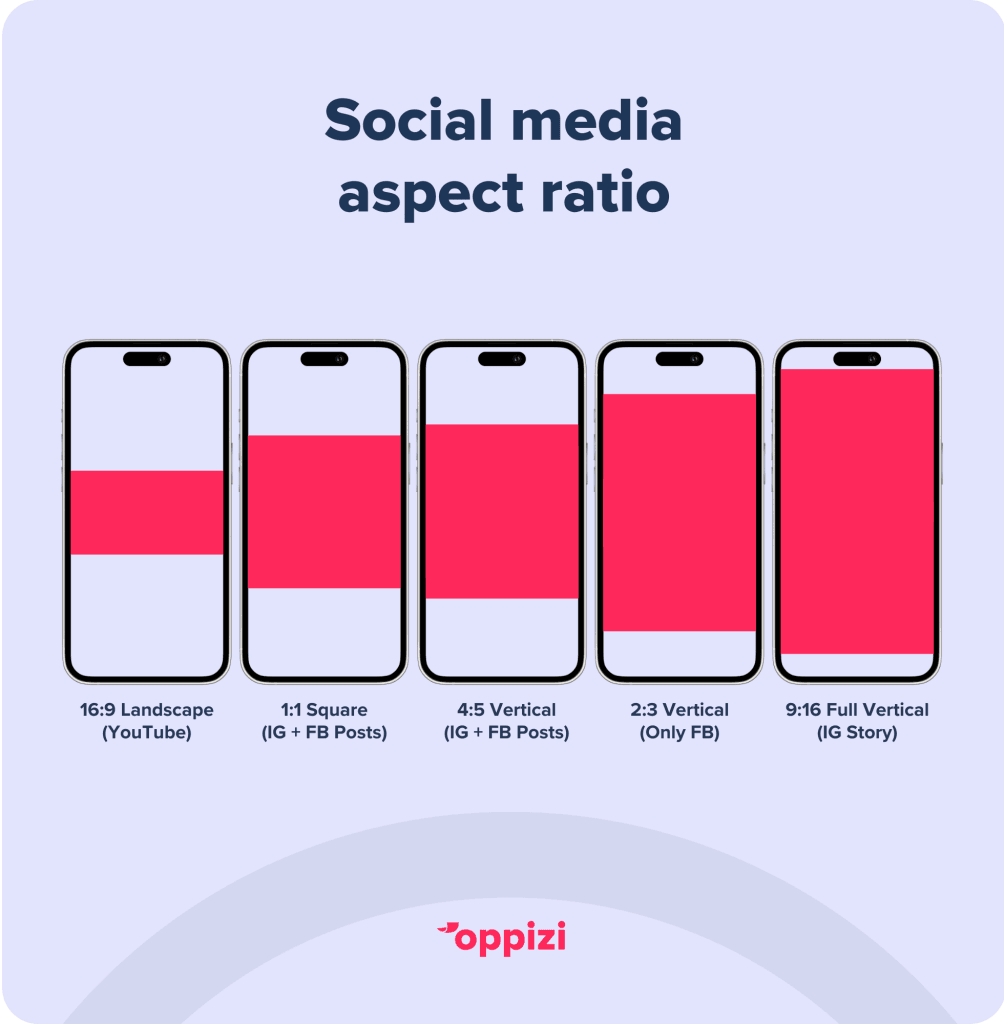
Each platform has unique requirements when it comes to image and video sizes, as well as general best practices. TikTok, for example, favors the vertical aspect ratio (9:16), matching the iPhone screen. Instagram, on the other hand, is known for its square (1:1) format for posts, with stories and reels ideally using a 9:16 vertical format, like TikTok.
Align visual with textual
It’s important for your visual marketing strategy to complement your overall brand messaging, with visuals aligning with your brand’s tone of voice and style of communication. For example, if your visuals convey ideas about speed and innovation, your text should be succinct and energetic to reinforce the visual message.
Be consistent
Consistency is key when it comes to visual marketing, otherwise you’re just releasing a series of disconnected visuals that hold little meaning, which may confuse audiences and dilute your brand message. Ensure that all visual elements—colors, fonts, styles, and imagery—remain consistent across all platforms and marketing materials.
Repost and repurpose
To get the most value from your visual content you need to go beyond the initial posting. Reposting and repurposing content can breathe new life into your visuals and extend their reach.
Convert a popular blog post into an infographic, turn webinar content into a series of short tutorial videos, or use snippets from a successful campaign to create engaging posts for different social media platforms.

Final thoughts
Visual marketing leverages compelling content—like photos, videos, infographics, and even memes—to engage audiences, foster recognition, and tell meaningful stories. It’s essential for virtually all businesses nowadays, where competition for attention is fierce.
But visual marketing doesn’t stop at the digital realm. Offline solutions like billboards, posters, and leaflets remain powerful tools to connect with audiences in the physical world. These formats bring your message to life in tangible ways, capturing attention and creating lasting impressions in local communities and beyond.
At Oppizi, we bridge the gap between online and offline strategies. By integrating visual techniques into impactful offline campaigns, we ensure your marketing efforts work together seamlessly to amplify your brand’s reach.Ready to elevate your marketing with the power of offline visuals? Create a campaign with Oppizi today!
Frequently asked questions
- What is the meaning of visual marketing?
Visual marketing is the use of multimedia content, like images, videos and infographics, to support your marketing efforts. It can help you build and reinforce brand messages, promote products and engage audiences.
- How effective is visual marketing?
Visual marketing is highly effective, as it can communicate messages quickly and captivate audiences in a time where a person’s attention is harder than ever to hold onto.
- What are visual strategies in advertising?
Using consistent brand colors and imagery, designing impactful and memorable logos, employing infographics to simplify complex data, creating engaging videos, and strategically placing visuals in advertisements to guide viewer attention.
- Why are visuals so powerful?
Visuals are powerful because the brain processes visual information far quicker and easier than text, making it an unmatched way to communicate brand messages. Visuals are also more memorable and emotional.