Last updated July 23, 2026
Mobile apps have become an integral part of our daily lives. In fact, stats show that 21% of millennials open an app more than 50 times a day.
For years, businesses have been capitalizing on this trend by developing apps that offer personalized experiences, streamline customer service, and increase brand engagement. From ordering food to staying connected with loved ones and managing our finances, apps provide convenience and accessibility at our fingertips.
But while apps can drive customer loyalty and allow companies to gain valuable user behavior insights, they also come with certain challenges and drawbacks, both for consumers and companies.
In this blog, we’ll explore the key advantages and disadvantages of mobile apps to help you better understand their impact and whether they are the right solution for your needs.
What is the main purpose of a mobile application?
The main purpose of a mobile application is to provide users with quick, convenient, and efficient access to specific services, information, or functionalities directly from their smartphones or tablets.
Apps can also improve user experiences by offering features like real-time communication, seamless interaction, offline access, and personalized content, enhancing productivity and convenience in various daily activities.
Why does your business need a mobile app?
Having a strong online presence is no longer just an option for businesses—it's a necessity. Mobile apps have become a powerful tool for brands looking to enhance their visibility, improve customer engagement, and streamline their operations.
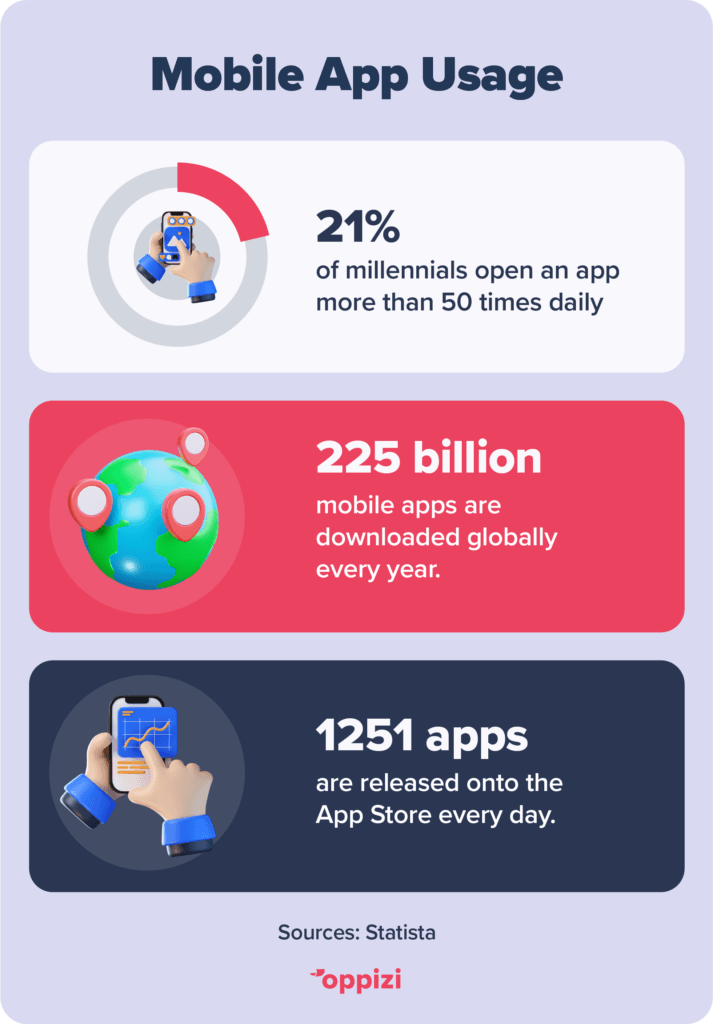
Research conducted by the International Data Group recently found that 73% of companies who use mobile applications for sales saw a gain in their overall productivity. By offering a dedicated app, your business can provide a seamless and personalized experience, keeping your audience connected and engaged like never before.
Advantages of mobile apps
Mobile app advantages include delivering a seamless, personalized user experience, boosting customer engagement, and providing convenient, offline accessibility. Let’s dive into the key benefits of mobile apps and why investing in an app can be essential for driving success in today’s market.
Mobile apps are faster
Mobile apps are typically much faster than mobile websites because they store data locally on the device, allowing for quicker data retrieval. While websites may depend on server speed and require an internet connection to load fully, apps can work efficiently with preloaded content and optimized performance.
This speed advantage keeps users engaged and reduces frustration, which is crucial for retaining your audience. Faster response times can lead to higher satisfaction and increased app usage.

Build new customer relationships
Mobile apps offer a direct line of communication between your business and your customers, helping to build stronger and more meaningful relationships. By providing personalized content, tailored recommendations, and proactive support, you can make each interaction valuable and relevant to the user.
Apps also give customers a convenient way to share feedback or reach out for assistance, showing that your brand cares about their experience. Over time, this fosters loyalty and trust, making customers more likely to choose your services.
Apps are extremely convenient
Mobile apps are designed to deliver an optimized, intuitive experience tailored to each user’s needs. With smoother navigation, customizable features, and offline functionality, apps make accessing your products or services more convenient.
Apps can leverage the device’s built-in features, such as GPS or cameras, to provide a more enriched and efficient experience. A well-thought-out user interface reduces friction and ensures that customers can achieve their goals quickly and effortlessly, leading to higher satisfaction and engagement.
Can be used offline
While a mobile website requires an active internet connection to load pages and content, mobile apps can be designed to work even without connectivity. This means users can access important features and content, such as saved articles, product catalogs, or basic information, while offline.
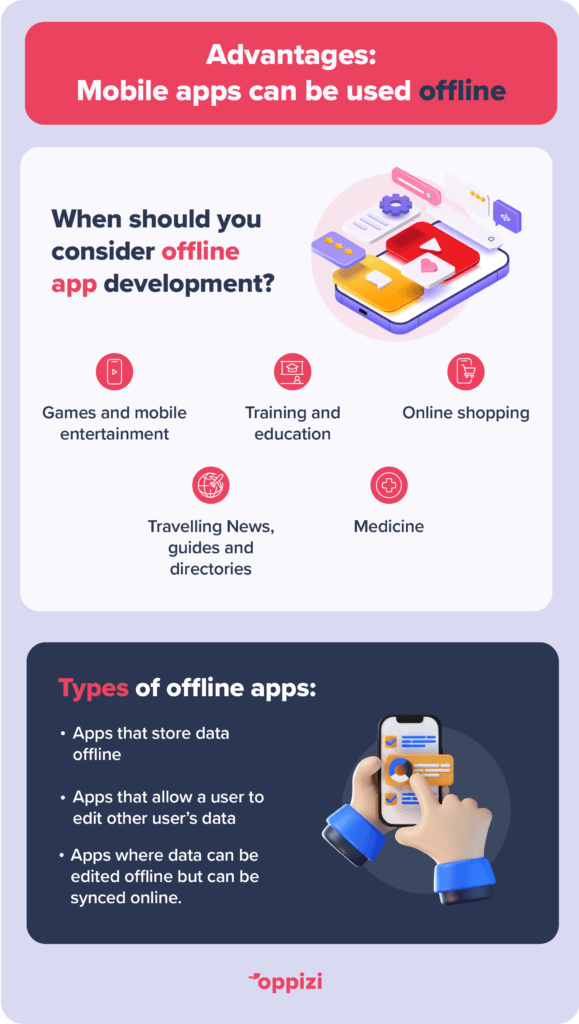
This added convenience ensures a seamless user experience, especially for people on the go or in areas with poor internet access.
Seamless social media integration
Mobile apps offer seamless social media integration, allowing users to share content, updates, and achievements directly to their preferred platforms with just a few taps. This connectivity not only enhances user engagement, but it also boosts brand visibility by encouraging organic sharing. For businesses, this can create opportunities to reach broader audiences while providing a more interactive experience for their customers.
Additional marketing channel
Mobile apps open up a new marketing channel for your business, enabling you to reach customers in innovative and engaging ways. Through push notifications, you can inform users about special offers, new product launches, or important updates, keeping your brand top of mind.
Integrating social sharing features within the app also encourages users to spread the word, expanding your reach organically. Additionally, you can leverage in-app content and promotions to drive engagement and conversions.
Add value for customers
Mobile apps can add significant value to customers by simplifying everyday tasks and offering exclusive benefits. Features like loyalty programs, personalized content, and easy order tracking make interactions with your brand more rewarding.
Apps can also integrate with other services or provide useful tools, such as a digital wallet or one-click booking, making life easier for users. By adding real, tangible value, you enhance the overall customer experience and increase retention.
What makes a great mobile app?
Not every app is a hit. The best ones keep people coming back because they’re easy to use and add real value. Here’s what a great app needs:
- Easy navigation – People should find what they need without thinking too hard.
- Fast loading times – Nobody likes waiting. Quick apps keep users happy.
- Personalized experience – Custom settings and recommendations make an app more useful.
- Works offline – If people can use key features without the internet, that’s a big plus.
- Strong security – Protecting user data builds trust.
- Regular updates – Bugs get fixed, and features stay fresh.
Disadvantages of mobile apps
High development and maintenance costs
Building a mobile app can be expensive, especially if you want to offer a robust set of features or support multiple platforms like iOS and Android. Beyond development, ongoing costs for updates, bug fixes, and compatibility with new operating systems add to the investment. For small businesses, these expenses can be a significant burden compared to the cost of maintaining a mobile-friendly website.
Compatibility and platform limitations
Developing an app that works seamlessly on both iOS and Android platforms requires extra time, resources, and expertise. Each platform has different requirements, making it challenging to maintain consistency across devices. Additionally, there may be limitations in terms of functionality or features that are specific to one platform (ex. App Store vs. Google Play), which can affect user experience and accessibility.
Security
Mobile apps often require users to provide sensitive personal information, raising concerns about data security and privacy. If an app is not designed with strong security features, it can be vulnerable to cyberattacks or data breaches. Businesses must prioritize protecting user data, which may require significant investment in security measures and compliance with privacy regulations.
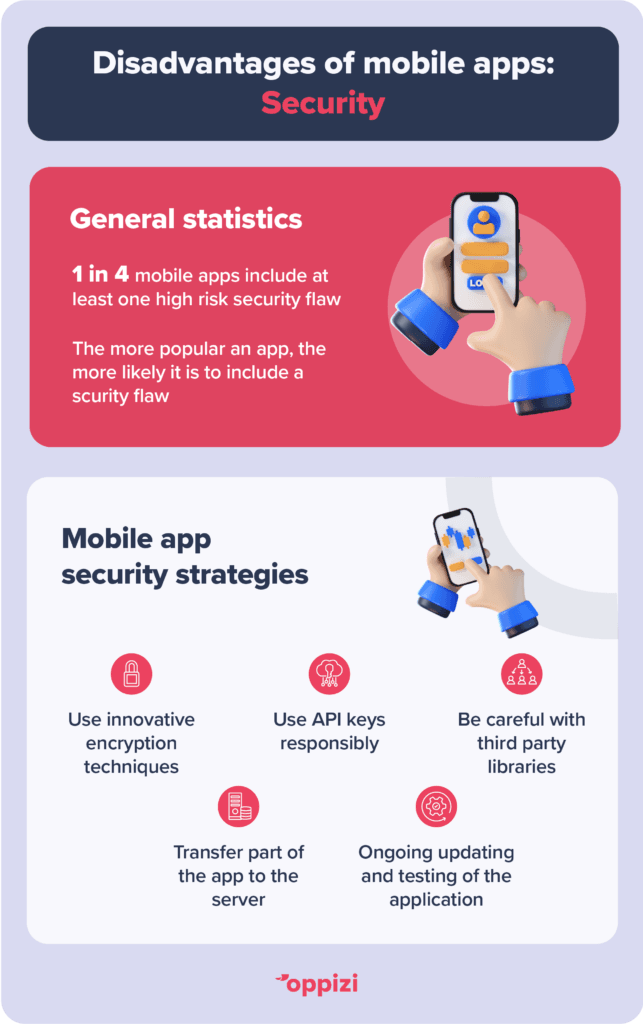
However, the security of your app is extremely important to consumers. They need to know that their information is protected while they use your app, especially their bank and card information that you receive when they pay your company.
Cost of making the app available
When you put an app on a device platform, such as the IOS App Store, you have to pay the host of the store. Different platforms charge different fees, but the cost is necessary. However, it can get extremely expensive, especially over time.
To make up the cost of the app, especially if the app is on multiple platforms, you may have to show ads on the app or increase the costs of other products and services. If you don’t make up the cost, you will lose money after you create a mobile app, which defeats one of the purposes of having an app in the first place.
Frequent updates are required
Mobile apps often require regular updates to fix bugs, add new features, and ensure compatibility with the latest operating systems. This creates a continuous cycle of development and maintenance, which can be resource-intensive. Failing to keep an app up-to-date can lead to performance issues, security vulnerabilities, and negative user reviews.
Older iPhones, for example, may not be compatible with the most recent IOS software updates. This means you have to make sure that your app works with the old system as well as the new software updates.
Support
Running a mobile app effectively requires a dedicated support team to address user issues, handle technical problems, and provide assistance promptly. Users expect quick responses to their inquiries, especially if they face difficulties that affect their experience or prevent them from using the app.
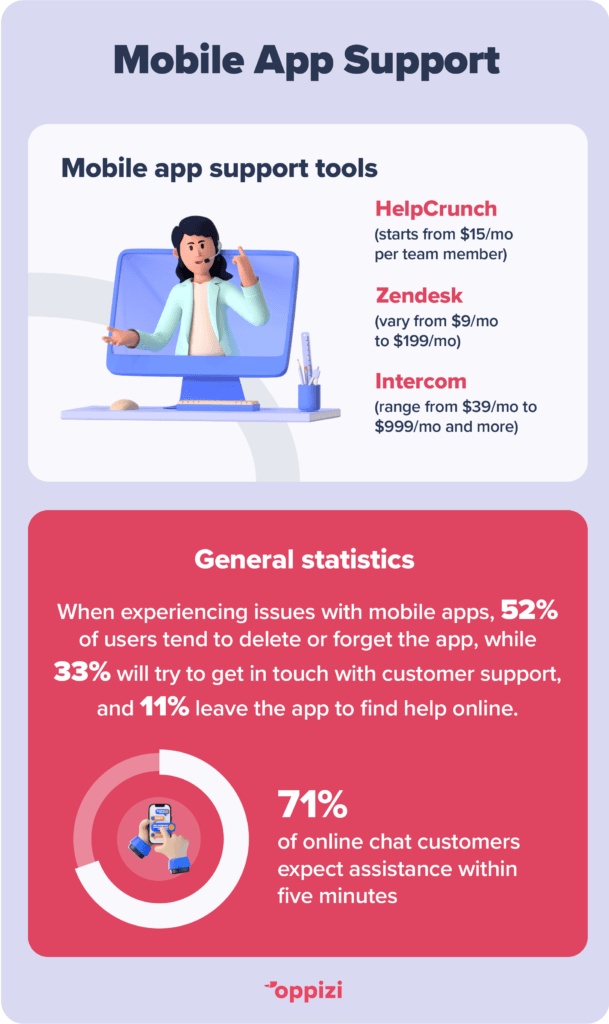
Establishing and maintaining an efficient support team can be resource-intensive and requires ongoing training to ensure high-quality service. Failing to provide adequate support can result in negative user feedback and damage to your brand reputation.
Need both a website and an app
Even if your business invests in a mobile app, you’ll likely still need a well-functioning website to cater to a broader audience. Some users may prefer accessing your services via a web browser rather than downloading an app, especially if they are casual visitors or have limited storage space on their devices.
Maintaining both a website and an app requires more resources and a cohesive strategy to ensure consistency across platforms. This dual presence can complicate management and increase operational costs.
When does an app make sense over a website?
Not every business needs an app. But in some cases, it’s the better choice.
Go for an app if:
- Your business depends on repeat customers (think loyalty programs or subscriptions).
- You need features like GPS, camera access, or offline use.
- Push notifications will help keep users engaged.
- You want a more interactive, seamless experience than a website can offer.
- Your competitors have apps, and you don’t want to fall behind.
Unfortunately, there are both pros and cons of mobile apps, and the downsides of apps are also important to consider. Mobile app disadvantages involve high development and maintenance costs, the need for ongoing updates, and potential compatibility issues across platforms.
FAQs about mobile apps
What is an app?
An app, short for application, is a software program designed to perform specific tasks or functions for users. Apps can run on various devices, but mobile apps are specifically developed for smartphones and tablets. They are easily accessible through app stores and have become an essential part of everyday digital life.
What are the benefits of using mobile apps?
Mobile apps offer numerous benefits, ranging from convenience to faster performance, and even offline access for certain features. They are also optimized for specific tasks, such as navigation (Google Maps app), e-commerce (Amazon app), or fitness tracking (MyFitnessPal app). Mobile apps are great for providing quick and easy access to services, features, and content directly on your device.
What are the limitations of apps on mobile devices?
Despite their benefits, mobile apps have some drawbacks, such as requiring frequent updates to maintain functionality and security. Mobile apps often have limited functionality compared to desktop versions, as they are designed to fit smaller screen sizes and work with reduced processing power. They also frequently rely on internet connectivity to deliver their full range of features, which can be a challenge in areas with poor network coverage.
What do you mean by mobile app?
It’s an app you download on your phone or tablet. You can find them in app stores like Google Play or the Apple App Store. Some help you shop, some keep you entertained, and others let you do things like banking or work tasks.
Why are mobile apps important?
They make life easier. You can order food, watch videos, or check your bank balance in seconds. Many work even without the internet. Businesses use them to connect with customers and keep things running smoothly.
What are the advantages and disadvantages of online apps?
Online apps don’t need to be downloaded. You just open them in your browser. They work on any device and are usually cheaper to make. But they need an internet connection, and they don’t always run as smoothly as mobile apps.
What are the advantages and disadvantages of using mobile phone apps to make payments?
Paying with an app is fast and easy. No need to carry cash or cards. They’re also secure, using things like fingerprints or passwords. The downside? They won’t work without internet access, and not every store accepts them. There’s also a small risk of hacking.
What are some of the cons of a mobile website?
They can be slow and don’t always work well on phones. They don’t have as many features as apps, and you need the internet to use them.
Final thoughts
Mobile apps offer undeniable advantages, from providing a seamless and personalized user experience to boosting customer engagement and serving as an additional marketing channel. However, they also come with challenges, such as high development costs and the need for continuous maintenance.
No app? No problem. The smartest brands win by going straight to their audience. Oppizi makes it easy to reach them—fast, direct, and hassle-free. Discover how we can amplify your brand's presence without the complexities of mobile app development by visiting Oppizi’s home page.