Last updated July 28, 2026
The beverage industry is packed with competition, and it’s only getting more crowded. That means more brands fighting for attention. Having a great product isn’t enough—you need smart marketing to get people to notice, remember, and buy your drinks.
Let’s break down what works when marketing beverages.
Know the beverage market
Before you start promoting your drink, it helps to understand the industry. The good news is that the beverages market is thriving and continues to grow with no signs of slowing down.
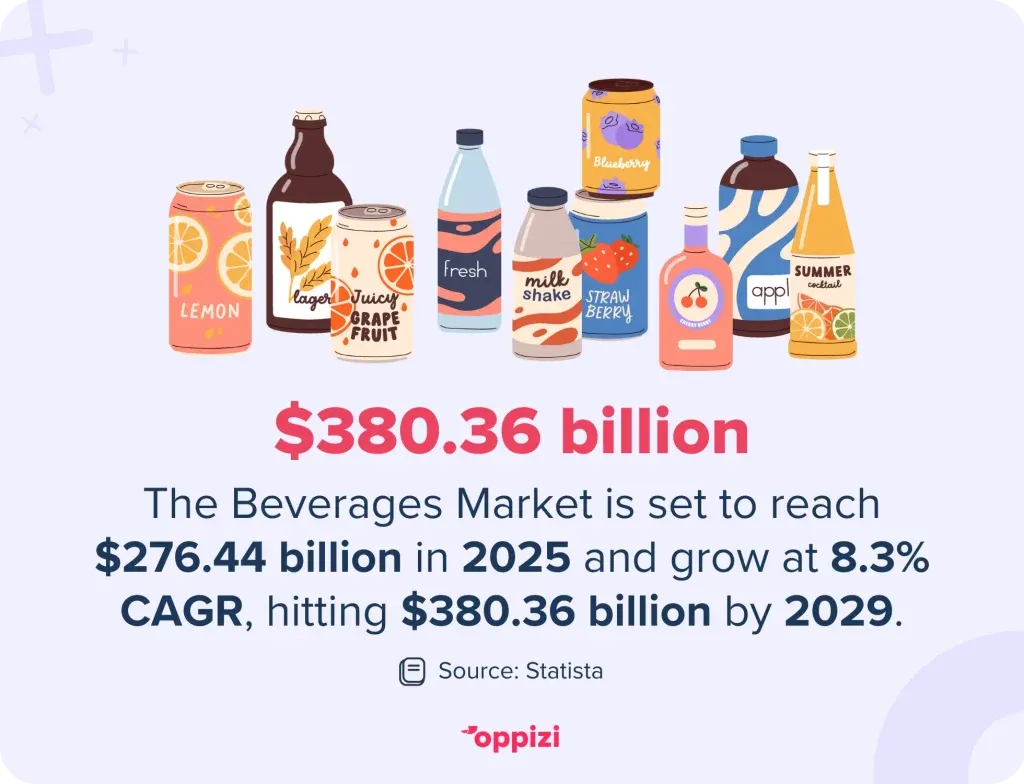
The Beverages Market is expected to generate $276.44 billion in revenue in 2025. With an anticipated annual growth rate (CAGR 2025–2029) of 8.3%, the market is projected to reach $380.36 billion by 2029.
With so many brands competing, you need fresh ideas and smart strategies to stand out. Paying attention to trends and customer habits can help you get more people to notice and buy your drinks.
How to market your beverage brand online
If you want people to notice your drink, you need to be where they are—online. A solid digital marketing strategy can help you stand out, keep customers coming back, and boost sales.
Here are three key ways to promote your beverage brand online:
1. Social media marketing
People love discovering new drinks on Instagram, Facebook, and TikTok. Use these platforms to show off your brand with:
- Behind-the-scenes videos
- Customer posts and reviews
- Polls, giveaways, and interactive content
- Targeted ads to reach the right audience
The more engaging your content, the more people will remember—and buy—your drink.
2. Search Engine Optimization (SEO)
Want your brand to show up when people search for drinks? That’s where SEO comes in. Here’s how to rank higher in search results:
- Use relevant keywords like “best energy drinks” or “healthy fruit juices”
- Write helpful blogs and product descriptions
- Optimize your website’s titles and meta tags
- Get featured on industry websites to build credibility
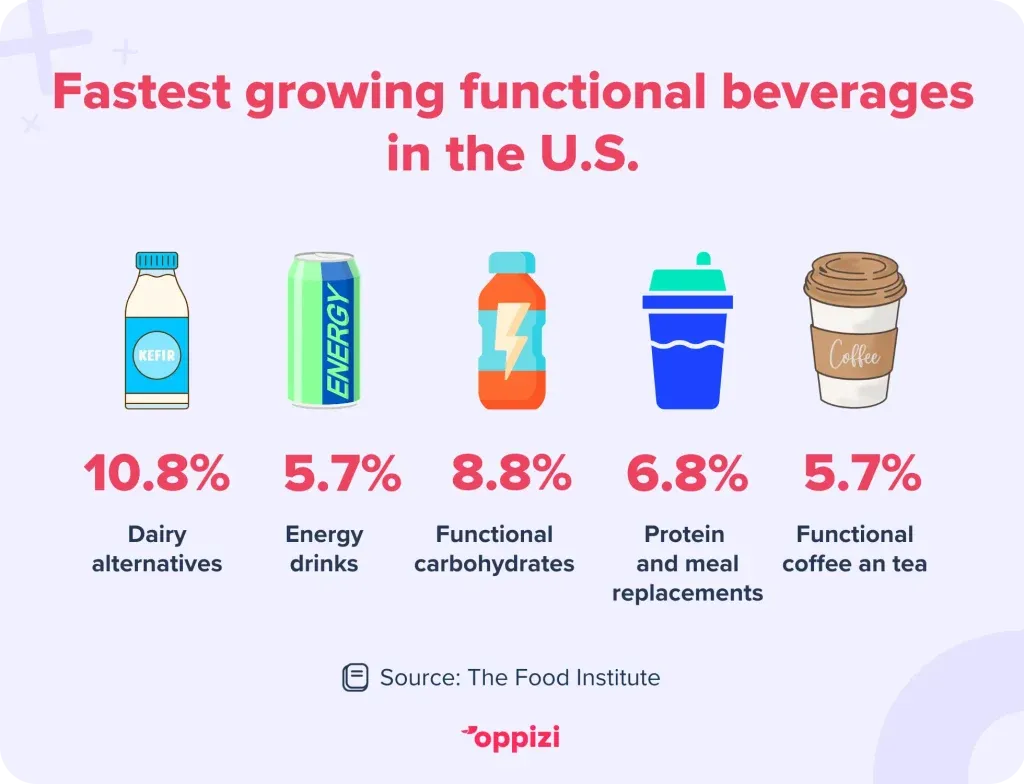
The data shows that although sugary drinks are still selling, their popularity has been steadily declining in recent years. In contrast, beverages that cater to nutrition and lifestyle needs are growing rapidly, with dairy alternatives experiencing a CAGR of 10.8%.
3. Email marketing
Email is a direct way to connect with customers. Send them:
- Personalized deals based on what they like
- Exclusive discounts or early access to new flavors
- Reminders if they left something in their cart
The right emails can turn one-time buyers into loyal fans.
Marketing your beverage online doesn’t have to be complicated. Focus on the right platforms, create great content, and make it easy for people to find—and love—your brand.
How to use influencers and affiliates to sell more drinks
Want more people to try your drink? Work with influencers and affiliates. They can help spread the word and bring in new customers. Here’s how.
1. Influencer marketing
People trust influencers. When someone they follow shares a drink they love, their audience listens.
Here’s how to get started:
- Find the right people: Look for influencers who match your brand and have an active, engaged audience.Plan the partnership: Decide on the type of content, like sponsored posts, product reviews, or collaborations.Agree on details: Set clear terms for payment, content style, and goals.Track the results: Measure engagement and sales to see what works.
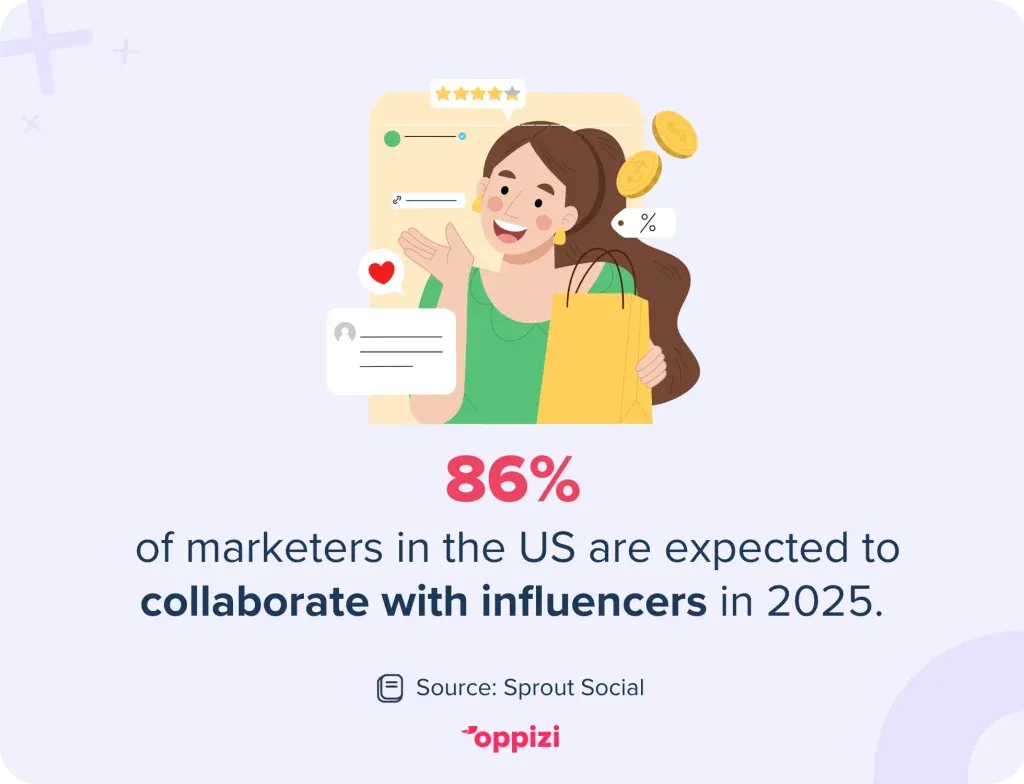
In 2021, nearly 70% of US marketers at companies with more than 100 employees were expected to use influencer marketing. This percentage has been steadily increasing and is projected to reach 86% by 2025. The reason is simple: influencer marketing works.
2. Affiliate marketing
Affiliates promote your drink and get a small cut from each sale they bring in. It’s a low-risk, high-reward way to reach more buyers.
To start a program:
- Pick a platform: Use networks like ShareASale, Commission Junction, or Amazon Associates.
- Set fair commissions: Make sure payouts are attractive but still profitable for you.
- Give them tools: Provide product images, banners, and copy to help them sell.
- Check performance: See who’s driving sales and adjust as needed.
When done right, influencers and affiliates can boost your brand’s reach, bring in new customers, and drive real sales.
Experiential marketing: Create memorable moments
To connect with consumers, you need more than just ads. Experiential marketing is about creating memorable experiences that make people feel something special. It helps your beverage brand engage customers in real, interactive ways.
Effective tactics for experiential marketing
- Pop-up events: Coca-Cola’s Share a Coke campaign let people personalize their own bottles at fun pop-up stations. This created moments they loved and shared.
- Product samplings: Offering free samples in stores, at festivals, or in busy areas helps new customers try your drink and encourages them to buy.
- Sponsored events: Partnering with events that match your brand, like music festivals or sports events, lets you connect with the right audience in a genuine way.
By providing these hands-on experiences, you can turn casual customers into loyal fans who love your brand.
Traditional marketing: Tried and true methods
Even in a digital world, traditional marketing is still important. It helps keep your brand visible and influences people. Here are some key strategies:
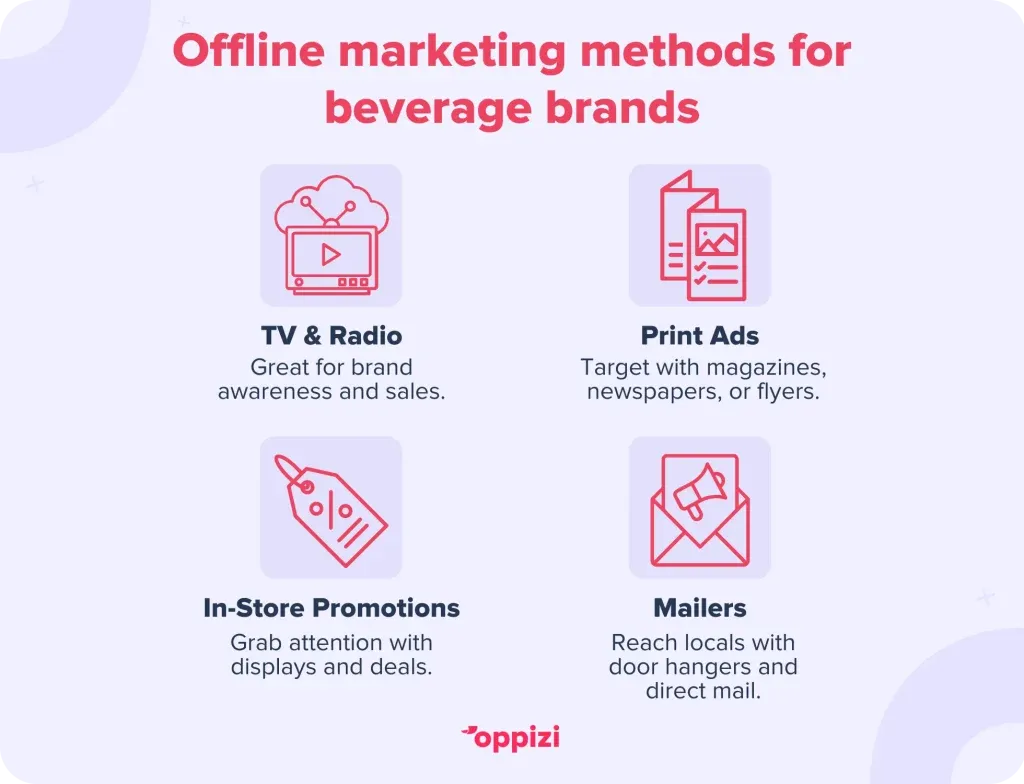
- TV and radio advertising: Reaching large audiences through TV and radio is still effective for building brand awareness and driving sales.
- Print advertising: Ads in magazines and newspapers let you target specific groups. Eye-catching flyers and brochures can attract local customers and boost in-store visits.
- In-store promotions: Use displays and special offers to grab shoppers' attention right when they’re about to buy.
- Mailers and flyers: Getting your message directly to local customers can be cost-effective. Services like door hanger campaigns and direct mail can deliver your promotional materials right to their homes.
Combining experiential and traditional marketing can help your beverage brand stand out and connect with more people.
A Balanced marketing strategy for beverage brands
To really connect with customers, use a mix of digital marketing, traditional advertising, and offline methods. This way, your beverage brand can reach people at every step of their buying journey. Engaging customers both online and offline helps you boost brand visibility, build loyalty, and support long-term growth.
Data-driven marketing: Enhance your success
Promoting your drink starts with knowing your audience. Data-driven marketing uses insights from customers to improve your strategies and personalize your messages.
By using tools like CRM systems, social media analytics, and website tracking, you can learn about consumer habits and preferences. This information helps you create targeted campaigns that really engage people and drive sales.
By focusing on a balanced approach and using data wisely, you can help your beverage brand succeed.
How to create a winning beverage marketing strategy
Building a successful marketing strategy means using both digital and traditional methods. Here’s how to get started:
1. Define your target audience
First, know who you are trying to reach. Use data to break down your audience by their age, interests, and buying habits. This helps you create messages that speak directly to them.
2. Use a mix of marketing tactics
- Social media marketing: Connect with people on platforms like Instagram, TikTok, and Facebook.
- SEO & content marketing: Make sure your website and blog are easy to find on search engines.
- Experiential marketing: Create fun and memorable experiences that let people interact with your brand.
- Offline marketing: Use Oppizi’s flyer distribution, door hangers, and direct mail to reach customers where they live. Offline marketing in F&B consistently delivers results.

3. Track and optimize performance
Keep an eye on important numbers, like engagement and sales. Use this information to see what works and make changes when needed.
By following these steps, you can craft a marketing strategy that effectively promotes your beverage brand.
Using seasonal trends to boost beverage sales
To increase sales and connect with customers, align your beverage marketing with seasonal trends. People’s drink choices change throughout the year, so adapting your strategy can help you stay relevant and attract more buyers.
1. Tap into seasonal demand
- Summer: Promote refreshing drinks like iced tea, lemonade, and sports drinks. Use outdoor events and beach-themed campaigns to get attention.
- Winter: Highlight warm drinks like hot chocolate and spiced cider. Limited-edition flavors and festive packaging can draw in seasonal shoppers.
- Back-to-School & New Year: Market healthy drinks like vitamin-infused water and energy drinks to students and professionals looking for a fresh start.
2. Create seasonal promotions
Offer special flavors and promotions for a limited time. This creates a sense of urgency and encourages repeat purchases. Think of how Starbucks brings back the Pumpkin Spice Latte each fall. It generates excitement and boosts sales.
3. Use seasonal content and SEO
Make sure your website and content feature seasonal keywords that match what people are searching for. For example:
- “Best summer drinks to stay cool”
- “Festive holiday cocktail ideas”“Healthy drinks for back-to-school”
By tapping into seasonal trends, you can stay ahead of the competition, engage more customers, and drive consistent sales all year long.

Sustainability: A smart marketing strategy for beverage brands
More and more consumers care about sustainability. They want to support brands that take eco-friendly actions. Studies show that 73% of people are willing to change their buying habits to help the environment. Beverage brands that focus on sustainability can build trust and stand out in a crowded market.
1. Eco-friendly packaging
Using biodegradable, recyclable, or reusable packaging is good for the planet and improves how people view your brand. Companies like Boxed Water and Liquid Death have created strong marketing around their sustainable packaging, attracting loyal customers.
2. Sustainable sourcing and production
Customers appreciate transparency. Let them know about your ethical sourcing, carbon-neutral production, and water conservation efforts. Brands like Guayakí Yerba Mate highlight their commitment to regenerative agriculture, connecting with eco-conscious buyers.
3. Green marketing campaigns
Incorporate sustainability into your marketing with:
- Promotions for refills and recycling (like discounts for returning bottles)
- Partnerships with environmental organizations for joint campaigns
- Social media challenges that encourage sustainable habits, such as a “#DrinkGreen” challenge
By positioning your beverage brand as a leader in sustainability, you can attract environmentally conscious consumers and future-proof your business against changing market demands.

FAQ: Beverage marketing explained
What is beverage marketing?
Beverage marketing is all about promoting and selling drinks. This includes soft drinks, alcohol, energy drinks, and special beverages. It covers branding, advertising, pricing, and getting products to customers. Good beverage marketing uses consumer trends, seasonal demand, and data to increase sales and build brand awareness.
What is F&B marketing?
F&B marketing stands for Food and Beverage marketing. It promotes food and drink products to customers using different strategies. This can include ads for restaurants, packaged goods, social media campaigns, and working with influencers. Effective F&B marketing highlights taste, quality, health benefits, and sustainability to attract the right audience.
What is the beverage market?
The beverage market is the global industry for producing and selling drinks. It includes non-alcoholic options like water, soda, juice, coffee, and tea, as well as alcoholic drinks like beer, wine, and spirits. It’s a competitive field where brands focus on innovation and marketing to meet changing consumer preferences.
What are the four marketing strategies?
The four main marketing strategies, known as the 4Ps, are:
- Product: Creating and positioning the right drink for consumers.
- Price: Setting a price that works, whether that’s premium, discounted, or bundled.
- Place: Choosing how to distribute your product, like retail, online, or direct sales.
- Promotion: Using ads, social media, influencer marketing, and events to get the word out.
What is the 333 rule in marketing?
The 333 rule helps you create engaging content. It says:
- Consumers should get your message in 3 seconds.They should remember key details for 30 seconds.They should be able to recall your brand for 3 minutes or more after seeing it.
This rule shows how important it is to be clear and impactful in your messaging, especially in beverage marketing, where there’s a lot of competition and quick buying decisions.
Boost your beverage brand with expert marketing solutions
No matter if you’re a small craft brand or a big beverage company, a solid marketing strategy is essential. By keeping up with industry trends, using data insights, and having a balanced marketing strategy, you can raise brand awareness, increase sales, and build lasting customer loyalty.
Want to put your brand directly into customers’ hands? Oppizi delivers your message where it matters—without the guesswork. Our seamless platform gets real results while you focus on running your business. Try it today.