Last updated August 28, 2026
Running a nonprofit takes heart and hard work. You care deeply about your cause. But if no one knows what you do, it’s tough to make a difference. That’s why marketing matters.
You don’t need a big budget or special training. You just need a few smart tools and a plan that helps you reach the right people.
This guide will help you get started with marketing for nonprofit organizations. You’ll learn how to build awareness, find supporters, and grow your impact, even if this is all new to you.
What is nonprofit marketing?
Marketing for nonprofits means telling people what you do and why it matters. The goal is to inspire them to get involved. That could mean giving money, volunteering, coming to an event, or sharing your message.
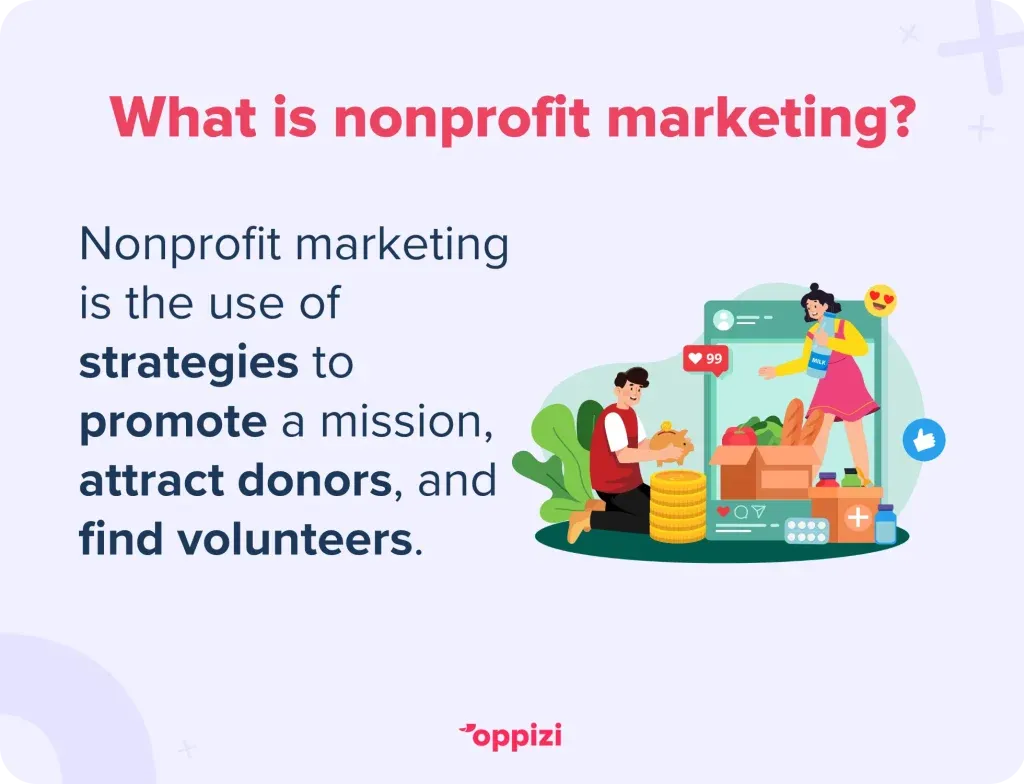
For nonprofits, marketing isn’t about selling. It’s about helping others see the good you’re doing and giving them a way to support it.
You can do this in many ways. Emails, social media, printed flyers, word of mouth, or local events. The best choice depends on your goals, your audience, and your budget.
Why nonprofit marketing matters
Marketing helps your nonprofit:
- Raise awareness about your mission
- Find donors who care about your cause
- Attract volunteers and supporters
- Build trust with partners and the public
- Show the difference you’re making
Good marketing doesn’t just spread the word. It helps people feel connected to your mission. And it helps your organization grow, even with limited time or money.
6 essential steps to launch a successful nonprofit marketing campaign
Step 1: Define your goals
Start by getting clear on what you want. Ask yourself:
- What are we trying to do? (Raise $10,000? Get 50 volunteers? Sell 100 tickets?)
- Who do we need to reach?
- What do we want them to do?
Set simple, specific goals. They’ll help you stay focused and see what’s working.
Step 2: Understand your audience
Think about the people you want to reach.
- Donors want to know where their money goes.
- Volunteers need an easy way to get involved.
- Local residents may want to see how your work helps their community.
Try to picture each group clearly. What do they care about? Where do they spend time? Are they more likely to see a flyer or an email? Once you know your audience, it’s easier to choose the right message and the best way to share it.
Step 3: Build your message
Your message is the core of your marketing. It should be clear and easy to understand. Focus on three things:
- What your organization does
- Why it matters
- How people can help
Use plain language. Speak from the heart. Numbers help, but stories stick. Share real examples. Talk about people you’ve helped. Let others see the impact of your work.
Step 4: Choose your marketing channels
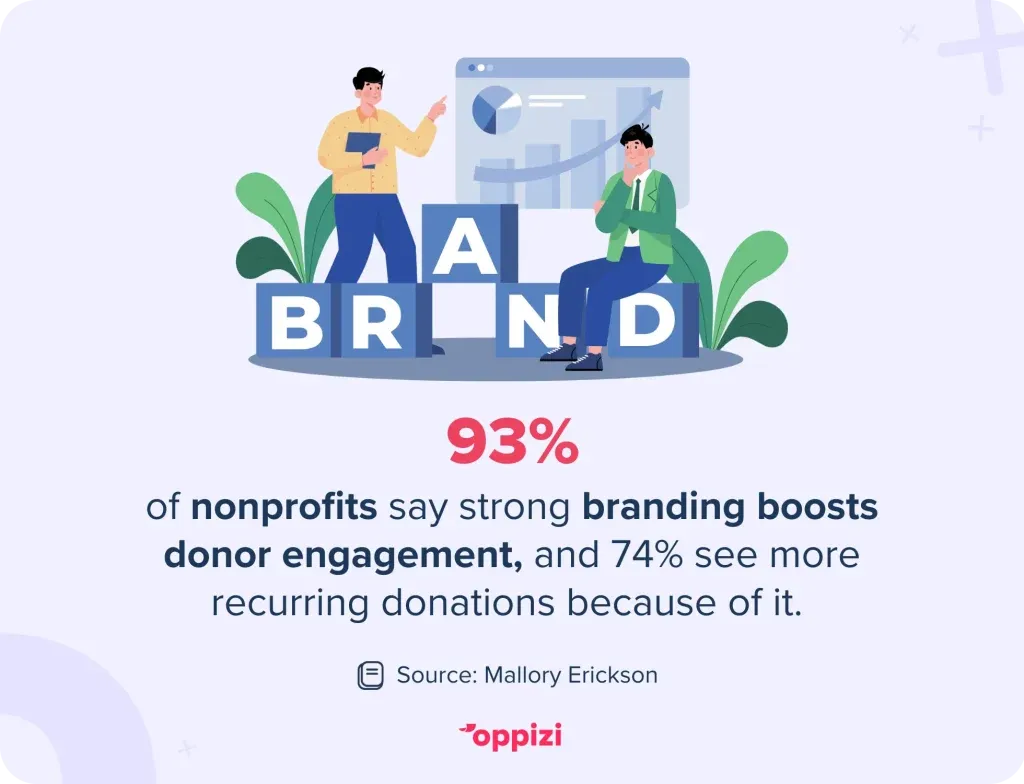
You don’t need to be everywhere. Start small. Pick the channels that work best for your audience and goals. Consistent branding matters. 93% of nonprofits report stronger donor engagement with a clear brand, and 74% say it leads to more recurring donations.
Flyer campaigns
Flyers are a simple way to spread the word in your local area. You can hand them out in person or leave them at cafes, libraries, or shops. They’re a great way to reach people who might not be online.
If you don’t want to do it all yourself, Oppizi can help. You design the flyer, and we’ll handle printing and delivery. You can even track results, so you know it’s working.
Direct mail
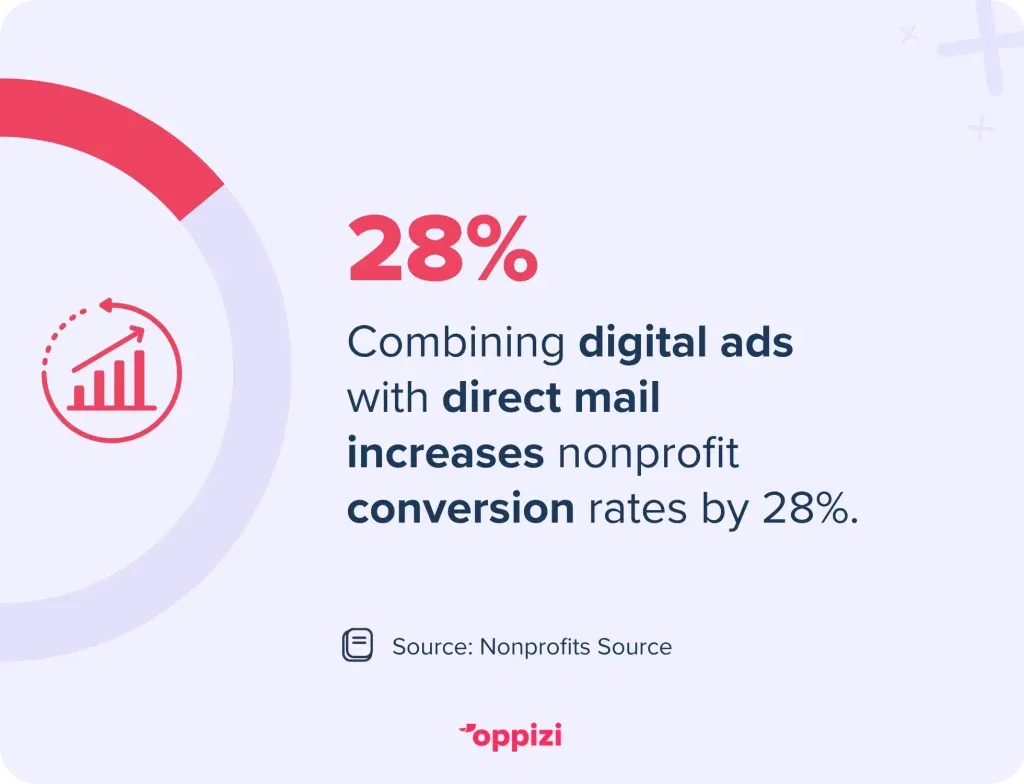
Mail still matters. Letters, postcards, and brochures are personal and easy to understand. In fact, Nonprofits see 28% more conversions when they combine digital ads with direct mail.
They’re especially good for older supporters, previous donors, or people who like getting something in the mail. You can use direct mail to:
- Ask for donations
- Invite people to events
- Say thank you
With Oppizi, you don’t need to worry about printing or sending. It’s simple and affordable.
Email marketing
Email is one of the best tools for nonprofits. It’s fast, low-cost, and easy to personalize.
You can send:
- Newsletters
- Donation requests
- Event invites
- Stories about your impact
Free tools like Mailchimp and Constant Contact make it easy to get started. They also help you stay organized.
Social media
If your audience is on social media, it’s a great place to connect. Use platforms like Facebook, Instagram, or LinkedIn to:
- Share your story
- Post updates and photos
- Promote your events
- Build a community
You don’t need to post every day. Just be consistent. Pick one or two platforms and show up with content that matters.
Your website
Your website should be clear and easy to use. It should:
- Say who you are and what you do
- Make it simple to donate or sign up
- Share photos and stories
- Work well on phones and computers
You don’t need a tech expert. Tools like Squarespace, Wix, or WordPress can help you build a site on your own.
Step 5: Create a content plan
Now that you know where you’ll share your message, it’s time to plan what you’ll say. Think about three things:
- Stories: Share real experiences from the people you’ve helped
- Impact: Use numbers and photos to show results
- Action: Tell people how they can help
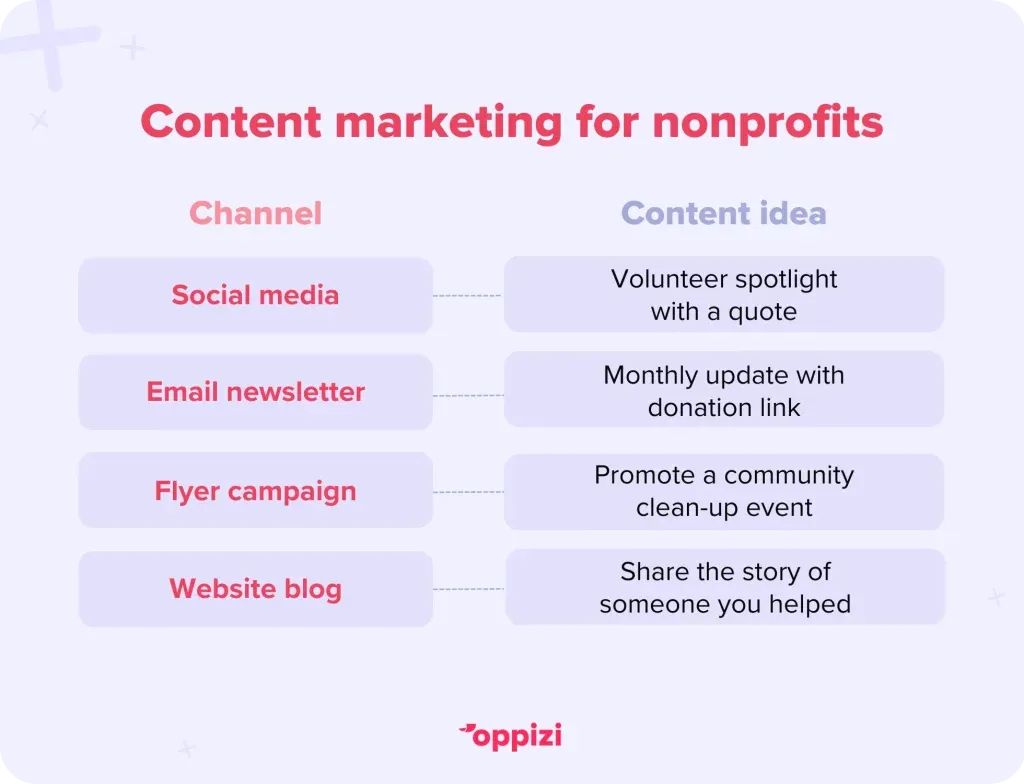
You don’t need to be perfect. What matters is being clear and real. A simple message that comes from the heart will connect more than something fancy. Here’s a basic example of a monthly plan:
Step 6: Track and improve
You don’t need special software to see what’s working. Just keep an eye on a few key things:
- How many donations came in
- Who opened your emails and clicked the links
- How many people visit your website
- Likes, comments, and shares on social media
- How many people your flyers reached (tools like Oppizi can track this)
Ask yourself simple questions: What’s going well? What needs to change? Try small changes. Update a headline, try a new subject line, or post at a different time. Then watch what happens.
Tips for marketing for NGOs on a budget
You don’t need a lot of money to get results. Here are a few low-cost ways to get started:
- Ask volunteers to help with flyers, social media, or blog writing
- Partner with local businesses to hang posters or host events
- Reuse content across channels. A blog post can become a flyer or email
- Use free tools like: Canva for design, Google Workspace for team work, Mailchimp for email newsletters
Common mistakes to avoid
Trying to reach everyone
Focus on a specific group. Speak directly to their needs.
Not asking people to act
Always give a clear next step. Ask them to donate, volunteer, or share.
Forgetting offline marketing
Online tools are great, but don’t ignore print. Flyers and direct mail still work, and they reach people who may never see your posts.
Going quiet
Stay active, even with small updates. A weekly email or post keeps people connected and builds trust.
How to market without sounding ‘salesy’
If asking for support feels uncomfortable, you're not alone. Many nonprofits feel the same. But marketing isn't about pushing people. It's about sharing what you do and why it matters. Here’s how to do that without sounding like you’re selling something:
- Lead with purposeTalk about the problem you're solving. Focus on the impact you're making.
- Tell real storiesShare what’s happening on the ground. Show the people behind your cause: Volunteers, supporters, or someone you’ve helped.
- Use simple wordsSkip the jargon. Speak the way you would with a friend. Clear and honest messages help people connect.
- Invite, don’t pushInstead of saying “Donate now,” try something like “Want to help families like Maria’s stay warm this winter? Here’s how.” Give people a choice.
Marketing is just helping the right people see the good you’re doing, and showing them how they can be part of it.
Building trust through transparency
Trust matters. People want to know their time and money are doing real good. Here’s how to build trust by being open:
- Show resultsDon’t just say what you hope to do. Say what you’ve already done. “We gave out 5,000 meals in April” is clear and powerful.
- Explain how donations helpA simple chart or list can show where the money goes. It doesn’t need to be complicated.
- Talk about setbacks tooIf something didn’t go as planned, say so. Share what you learned and what you’re doing next. People respect honesty.
- Share real voices Use quotes or short stories from the people you work with. This builds connection and shows others they’re not alone in supporting you.
No matter where you share your message, whether via email, social media, or flyers, being open helps people feel confident about supporting your work.
How to find and work with marketing volunteers
You don’t need to do everything on your own. Volunteers can help with marketing, and many are happy to give their time and skills. Here’s how to find and work with them:
Where to look:
- Websites like Catchafire and VolunteerMatch
- University programs (especially marketing or communication students)
- Your own supporters. Ask if they know someone who can help
What they can help with:
- Designing flyers
- Writing blog posts or emails
- Running your social media
- Planning events or small campaigns
How to make it work:
- Be clear about what you need and when
- Share your mission and your voice
- Keep in touch with simple tools like Google Docs or Trello
- Thank them often and give them credit for their work
Many volunteers want to use their skills for good. With clear direction and appreciation, they can be a huge help to your team.
Final thoughts: keep it simple, keep it human
Marketing doesn’t have to be hard. Just share your story, connect with the right people, and give them a clear way to help. Start small. Pick a few tools. Use your voice. And remember, you don’t have to do it alone.
Oppizi helps nonprofits with offline marketing. Whether you need flyers or direct mail, we take care of the printing, delivery, and tracking. So you can focus on what matters most: your mission.
Ready to grow your nonprofit? Try Oppizi and start reaching the people who care most about your cause.
Frequently asked questions
- What are the 4 P’s of marketing for nonprofits?
The 4 P’s—Product, Price, Place, and Promotion—still apply to nonprofits. They just look a bit different:
- Product: This is your mission, your programs, or the services you offer.
- Price: What you ask from supporters. It could be money, time, or effort.
- Place: Where people connect with you. That might be online, in-person, or at an event.
- Promotion: How you get the word out—flyers, email, social media, or direct mail.
Knowing these can help you build a stronger marketing plan.
- How do I market my nonprofit?
Start small. Focus on the basics:
- Tell your story clearly.
- Share it often.
- Reach people where they already are—online and offline.
- Use tools like flyers, emails, or social media.
- Make it easy for people to get involved.
You don’t need a big budget. A simple plan and a strong message go a long way.
- What are the three pillars of nonprofit marketing?
Most people agree on these three:
- Awareness: Help people find you.
- Engagement: Start real conversations.
- Conversion: Turn interest into action—like donations, volunteering, or partnerships.
They work best when they support each other.
- What is a marketing plan for a nonprofit?
A marketing plan is your step-by-step guide. It helps you stay focused. It usually includes:
- Your goal (like getting 100 new donors)
- Who you want to reach
- What message you want to share
- How you’ll share it (flyers, emails, events, etc.)
- When you’ll do it and how much it will cost
Having a plan helps you stay on track and get better results.
- How much should a small nonprofit spend on marketing?
If possible, aim for 5–10% of your budget. But if that’s too much, don’t worry. You can still get good results using low-cost tools like:
- Flyers
- Community events
- Social media
Tools like Oppizi help nonprofits run offline campaigns without spending too much. It's a simple way to reach people in your local area.