Last updated July 23, 2026
If you’ve ever liked a brand, signed up for their newsletter, and later become a customer, you’ve experienced a drip campaign. These campaigns send you personalized emails that help you get to know the brand better and eventually turn you into a loyal buyer. For businesses, this can drive growth.
The key is timing. Emails go out at the right moments in the journey of the customer. This timing is important because making a purchase is not something people rush into. They want to feel reassured and build trust with the brand. That’s where drip campaigns really shine.
Ready to learn more? Let’s begin by defining a drip campaign in simple terms. Then, we’ll look at the benefits of drip campaigns and uncover how to use them effectively.
Drip campaign elements and uses
So, what exactly is a drip campaign? It’s a series of automated emails that a company sends to people over time. These emails are scheduled at specific moments to share helpful information and remind people about the company’s products. Each message is designed to keep the recipient engaged and guide them step by step until they feel ready to buy.
Key elements of drip campaigns include:
- Segmentation: Messages are designed for different groups of people based on their needs and behaviors.
- Personalization: Customizing messages makes them more relevant, which helps people connect with them.
- Timing: Emails are sent when people are most likely to pay attention, based on their previous actions and interactions.
Today, businesses are focusing more on understanding how customers interact with them over time. That’s why drip campaigns have become a popular way to keep customers engaged and boost sales.
Here’s why they work: by sending a series of automated emails, your business can stay in touch with leads without doing it all manually. This saves time and makes it more likely that people will buy because the emails are customized to their needs and interests.
Research indicates that drip campaigns achieve 80% higher open rates compared to single emails. Additionally, lead generation nurture emails receive ten times more responses than other email types.
Benefits of drip campaigns
Running a drip campaign has several benefits. Let’s look at some of the most important ones.
Boosting customer engagement
Drip campaigns help keep your brand in people’s minds by sending targeted emails that encourage them to stay engaged. By delivering relevant and valuable content regularly, you maintain a steady presence in your subscribers’ inboxes.
Nurturing Leads and Building Relationships
Research shows that it takes about 8 touches to turn a potential lead into a paying customer. That’s why drip campaigns are so effective. They provide tailored content that meets customer needs at every stage of the buying journey.
Nurturing leads is essential for business growth. Forrester Research shows that companies that excel at nurturing leads create 50% more sales-ready leads while reducing costs by 33%.
Increasing Conversions and Sales
Businesses are using email marketing more than ever before in their strategies, especially drip campaigns because they’re great at helping leads become customers.
By providing personalized recommendations and timely promotions, drip campaigns make sure the right message reaches people at the right time. This significantly boosts the chances of converting leads and increasing revenue.
The customer lifecycle: Tailoring drip campaigns for each stage
The customer lifecycle consists of several key stages, including:
- Awareness: Consumers learn about your brand.
- Consideration: Customers look at your products and compare them to others.
- Conversion: Customers make a purchase or take a desired action.
- Retention: You keep existing customers engaged and happy.
- Advocacy: Happy customers recommend your brand to others.
Each stage represents a part of the customer’s journey with your brand. This helps you guide them toward making a purchase. Here’s how drip campaigns can be adjusted for each stage of this journey:
Awareness Stage
- Welcome series: Begin with welcome emails that introduce your brand and what you offer. Make a great first impression.
- Storytelling emails: Share your brand's story and values to connect with new subscribers on a personal level.
- Educational webinars: Host online events to give detailed information about your industry or products.
- Interactive content: Create quizzes, polls, or fun infographics to engage and educate your audience.
Consideration Stage
- Educational content: Share helpful resources like guides and tutorials to solve customer problems and show your expertise.
- Customer testimonials: Highlight testimonials and case studies to build trust and credibility.
- FAQ series: Answer common questions to help customers feel more comfortable about making a purchase.
- Product comparison guides: Provide side-by-side comparisons with competitors to showcase what makes your product special.
Conversion Stage
- Exclusive offers: Use special deals, product demos, and limited-time promotions to create urgency.
- Abandoned cart emails: Send reminders about items left in customers’ carts and offer incentives to encourage them to complete their purchase.
- Social proof: Show notifications of recent purchases or sign-ups to create a sense of urgency.
- Upsell/Cross-sell campaigns: Suggest related products or upgrades to increase the value of each sale.
Retention Stage
- Personalized recommendations: Keep customers happy by suggesting products based on their past purchases or interactions.
- Loyalty programs: Create rewards programs and send re-engagement emails to encourage customers to stay with you.
- Surveys and feedback requests: Ask for feedback to learn how satisfied customers are and where you can improve.
- Exclusive content: Give loyal customers access to special content, resources, or events just for them.
- Anniversary or milestone emails: Celebrate important moments, like anniversaries or loyalty milestones, to strengthen your relationship with customers.
Advocacy Stage
- Referral programs: Encourage happy customers to refer others by offering incentives for bringing in new customers.
- User-generated content: Invite customers to share their experiences through reviews, photos, or videos.
- VIP programs: Give special perks to your top supporters, like early access to new products or exclusive events.
- Community building initiatives: Create Facebook groups, forums, or other online spaces where supporters can connect and engage with each other.
Here’s what else to consider: When you combine three or more marketing channels in drip campaigns, the average purchase rate can increase by an impressive 250%.
Best practices for compelling drip campaigns
Creating effective drip campaigns takes careful planning and execution. Here’s how to capture your audience's attention and achieve great results:
Segmentation and personalization
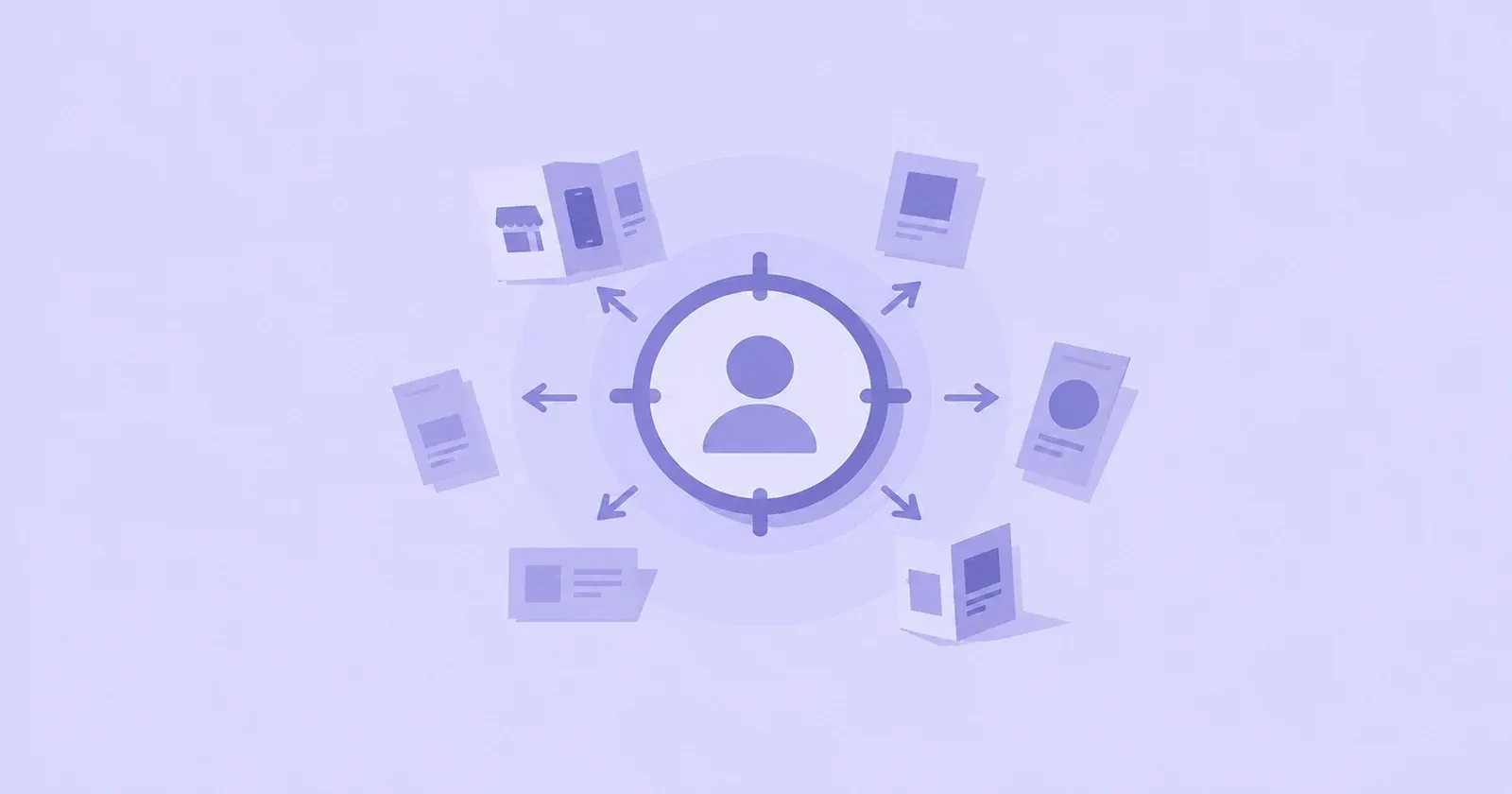
Segmenting your email list and personalizing drip campaigns based on subscriber demographics, interests, and purchase history is key to boosting conversion rates and improving customer satisfaction. Here are some effective ways to segment your email list:
- Demographics: Group people by age, gender, job, education, and more.
- Geographics: Segment based on where they live, including local events or weather patterns.
- Behavior: Group by how customers act, like their purchase history and website interactions.
- Email engagement level: Sort subscribers by how they interact with your emails.
- Sales funnel position: Divide based on where they are in their buying journey.
- Email preferences: Group by how often they want to receive emails, like daily, weekly, or monthly.
Engaging content and storytelling
In drip campaigns, it’s important to provide valuable content that educates, entertains, and encourages subscribers to take action. Use storytelling to connect emotionally with your audience, making your messages memorable. Here are some examples of valuable content:
- Blog posts: Share helpful articles with insights, tips, and trends that interest your audience.
- Case studies: Show real-life examples of how your products or services have helped customers solve problems or get results.
- Videos: Use videos to tell engaging stories, demonstrate products, or share customer testimonials in an easy-to-understand way.
- Infographics: Present information visually with infographics that illustrate data or processes clearly.
- Webinars: Host online events where you can teach your audience about specific topics, answer their questions, and share valuable insights.
- Ebooks or guides: Provide detailed resources that explore specific subjects and offer useful advice.
Compelling calls to action (CTAs)
Successful drip campaigns need clear and simple calls to action (CTAs) in each email to help subscribers know what to do next. Whether you want them to visit a landing page, download a resource, or make a purchase, your CTAs should be engaging and direct. Here are some tips for creating effective CTAs every time:
- Use persuasive language: Pick words that create excitement and urgency, like “Get Started Now” or “Claim Your Discount.”
- Leverage design elements: Make your CTAs stand out with contrasting colors, bold fonts, and buttons that are easy to see and click.
- Be specific and clear: Tell subscribers exactly what you want them to do and what they will get in return. For example, “Download Your Free Ebook” is clearer than just saying “Click Here.”
- Limit the number of CTAs: Don’t overwhelm your audience with too many options in one email. Focus on one main action.
In a drip campaign, you can take personalization a step further by customizing your calls to action (CTAs) as well. Personalized CTAs perform 202% better than standard CTAs, making them much more effective.
Actionable tips to get started with drip campaigns
Launching a successful drip campaign takes planning and effort to turn leads into paying customers. Here are some simple steps to help you get started:
- Define your target audience: Figure out who your target audience is and understand their journey through different stages: awareness, consideration, conversion, retention, and advocacy.
- Segment your email list: Break your email list into smaller groups based on behaviors, demographics, and how engaged they are.
- Create engaging, relevant content: Make content that matches each stage of the customer journey, and include clear CTAs that guide subscribers on what to do next.
- Automate your drip campaign sequences: Use an email marketing platform that allows automation. Set up your drip sequences so emails are sent automatically based on subscriber actions or specific time frames.
- Track and analyze campaign performance: Keep an eye on important metrics like open rates, click-through rates, and conversions. This will help you improve your strategy over time.
Conclusion
Drip campaigns send targeted messages at the right time to keep customers engaged during their buying journey. By guiding people from the first time they hear about you to becoming loyal customers, your business can improve engagement, nurture leads, and boost sales.
Personalization and automation are key parts of drip campaigns. They help you keep in touch with your customers and send them content that matters to them. This improves their experience and keeps your brand noticeable in a crowded market.Looking to automate your offline marketing solutions? Discover Oppizi’s flyer distribution services and see how you can expand your reach and make a greater impact. Create a campaign today!