Last updated July 23, 2026
The beauty world is packed with products. New ones come out all the time. Trends change fast. And trust means everything. If you're trying to start or grow a beauty brand, you need a clear plan. One that helps you get noticed and connect with the right people.
This guide will walk you through the basics. You'll learn how to market beauty products, both online and offline. We’ll also share some examples and tips to help you reach your audience.
What is beauty product marketing?
Beauty product marketing is how you get people to notice, trust, and buy your products. That could be makeup, skincare, haircare, or anything else in the beauty space.
It includes what you say, how you show up, and where you show up. You might use Instagram, flyers, email, or even mail samples to someone’s door.
Marketing beauty is different from other products. It’s not just about what it does. It’s about how it makes people feel. Buying a beauty product is often about confidence, identity, and self-care.
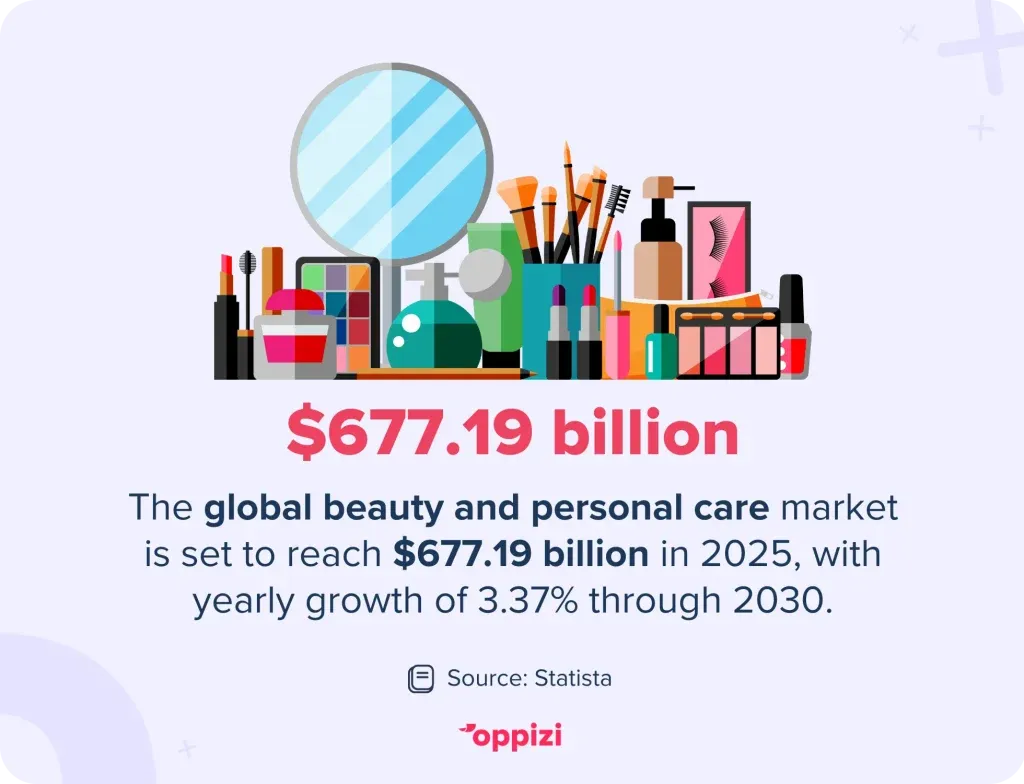
What’s more, the industry is booming and showing no signs of slowing down. In 2025, beauty and personal care sales worldwide are expected to hit $677.19 billion. The market should keep growing by about 3.37% each year until 2030.
Get to know your ideal customer
You can’t market well if you don’t know who you’re talking to. Think beyond age or gender. What does your customer care about? What makes them choose one product over another?
Here are two quick examples of customer types:
- Jessica, 29: A busy young woman who wants clean, cruelty-free skincare. She shops online and follows beauty influencers on TikTok.
- Anthony, 45: A dad who wants simple, high-quality grooming products. He likes things that feel premium but are easy to use.
To build profiles like this, try a few things:
- Ask people in your audience about what they like (you can use free tools like Google Forms)
- Read reviews on sites like Amazon or Sephora to see what people are saying
- Spend time in beauty forums like Reddit or Facebook groups
Think about what your customers value. If they care about the planet, offer refillable packaging. If they want fast results, show them how your product works quickly. The better you know them, the easier it is to speak their language. Understanding your ideal customer also lays the foundation for an effective go-to-market strategy, ensuring your product reaches the right people in the right way.
Make your branding stand out
In beauty, your brand is everything. People often choose a product because of how it looks and feels. Here’s what to focus on:
- Packaging that stands out: Beauty is visual. Your product should catch the eye in photos or on shelves.
- A clear story: Tell people why you started the brand. Share what matters to you. A good story builds a connection.
- One consistent look and voice: Whether you post on Instagram or send an email, everything should feel like it’s from the same brand. That builds trust.
Build a beauty content marketing plan
Content marketing isn’t just about selling. It’s about sharing value. It helps people trust your brand before they buy.
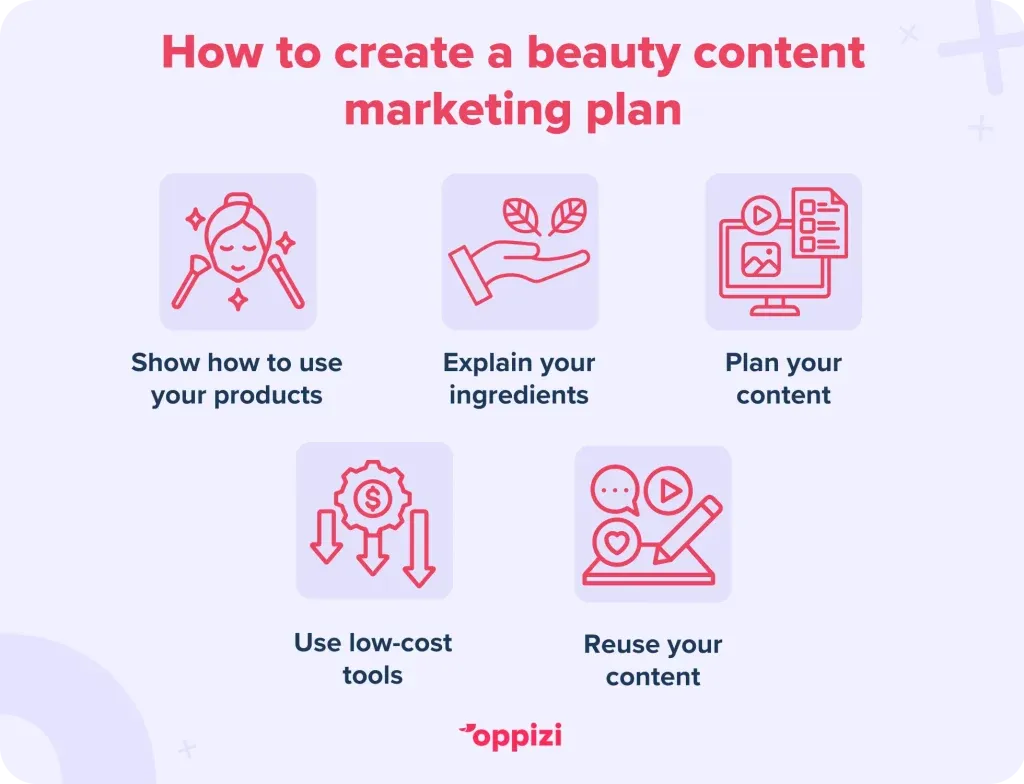
Here’s how to make content that works:
1. Show how to use your products
Short videos or step-by-step guides go a long way. A 15-second skincare routine can help someone feel confident about buying. Use real people, natural light, and simple demos.
2. Explain your ingredients
Don’t just list what’s in your product. Say why it matters. For example, instead of just “hyaluronic acid,” say it helps skin stay hydrated all day.
3. Plan your content
Create a calendar. Focus on things like product launches, skincare for different seasons, or trending topics like “glass skin.”
4. Use low-cost tools
You don’t need to break the bank. Your phone, good lighting, and free tools like Canva or CapCut are enough to create great content.
5. Reuse your content
Turn a blog post into an Instagram post. Cut a long video into TikToks. Use one idea in many ways to save time.
Mix helpful tips with real stories and visuals. That’s how you keep people interested and turn them into loyal customers.

Build trust with social proof
In beauty, people want to see results before they buy. They trust real reviews more than bold promises. Here’s how to use that:
1. Show reviews everywhere
Add them to product pages, landing pages, and even inside your packaging. Star ratings and before-and-after photos work well.
2. Ask customers to share
Invite people to tag you when they use your product. Make a branded hashtag. Try a giveaway that asks people to post their favorite routine.
Example: “Tag us in your morning glow-up with #GlowByJess to get featured.”
3. Always get permission
Before you share someone’s photo or video, ask. A quick message or comment is enough.
4. Work with small influencers
You don’t need big names. Influencers with 2,000 to 50,000 followers often have more trust with their audience. Look for them on TikTok or through hashtags like #skincarecommunity.
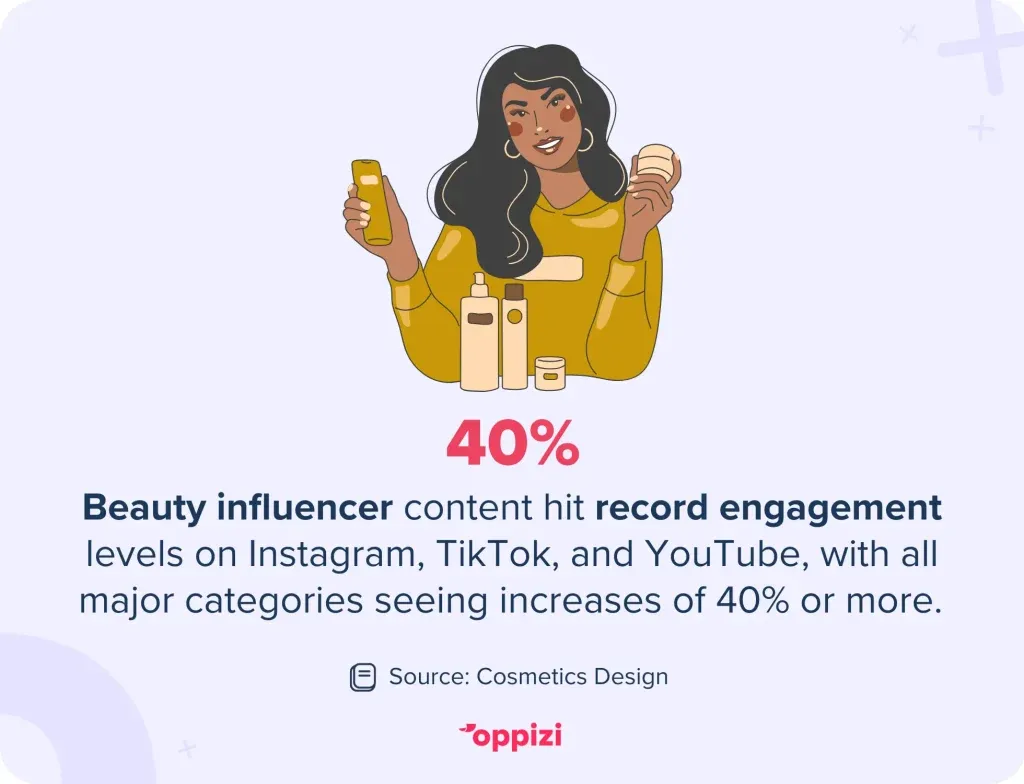
Recently, beauty influencers have seen a huge boost in engagement, up 40% or more, across Instagram, TikTok, and YouTube in every major category. Real stories from real people go a long way. Show them often.
Pick the right beauty marketing channels
Using both online and offline methods gives you the best chance to grow.
Online marketing ideas
- Instagram and TikTok: Great for showing off products with short videos and tutorials.
- Email: Send tips, discounts, and product picks based on what people like.
- SEO and blogs: Write content that answers common questions. That way, people can find you on Google.
- E-commerce tips: Make sure your website loads fast, looks good on phones, and is easy to use.
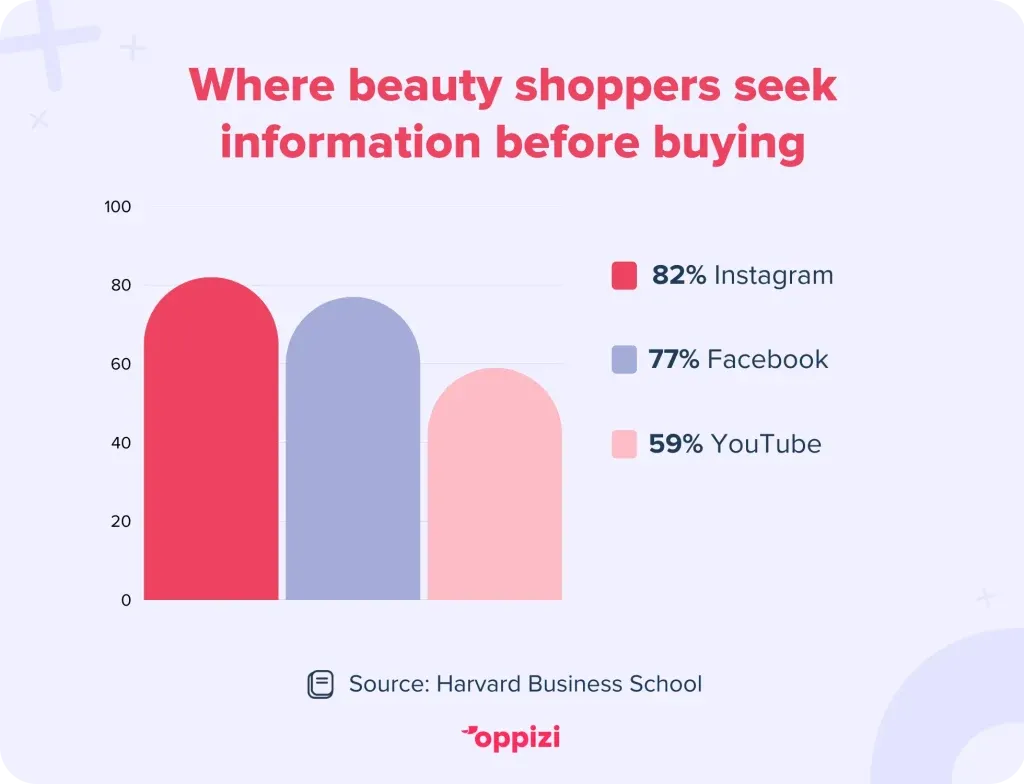
Instagram is the top platform for beauty shoppers, with 82% using it every day. Facebook comes next at 77%, followed by YouTube at 59%. These three platforms are the most popular, making them the best places to promote beauty products.
Offline marketing ideas
Offline still works, especially when it leads people back online.
1. Choose smart locations
Place flyers where your audience hangs out. Think salons, gyms, yoga spots, or wellness cafes.
2. Make your flyers look great
Use thick, glossy paper. Keep the design bold and simple. Add a QR code that links to your product page or video.
3. Give people something extra
Add a sample or coupon. It gives them a reason to try your product now.
Example: “Try our best-selling vitamin C serum, free with this card. Scan to claim.”
4. Link offline to online
Flyers can help people find your website or social media. Use trackable links or QR codes so you know what works.
5. Let Oppizi handle it for you
With Oppizi, you don’t have to manage it all. Just pick your audience and location. We’ll print, track, and deliver your flyers for you. Offline marketing isn’t old-fashioned. It’s just overlooked. When done right, it can help you stand out.

How to promote beauty products the smart way
Here’s a simple example of how one can launch a new product:
Brand: A vegan skincare brand for eco-conscious millennials
Product: An all-natural moisturizer
Goal: Make it the brand’s hero product
What to do:
- Partner with 10 micro-influencers to share Instagram tutorials
- Deliver 5,000 flyers near organic markets and yoga studios
- Create a content series about skin barrier health
- Send out postcards with a limited-time discount
How to track your marketing
If you don’t track your results, you’re just guessing. You need clear goals and simple tools to see what’s working.
Online things to track:
- Traffic sources: Find out where visitors come from—Google, Instagram, TikTok, or direct links
- Bounce rate: If people leave your site right away, your content or landing page might not be right
- Conversion rate: See how many people buy, sign up, or use your code
For email campaigns:
- Open rate: Shows if your subject line gets attention
- Click-through rate: Tells you if your content is useful or interesting
Offline things to track:
- Flyer redemptions: Use unique codes, QR codes, or short links to see how many people respond
- Sample requests: Count how many people ask for a free product after getting your mail
- Sales by location: Check if orders went up in areas where you sent flyers
Helpful tip:
If you partner with Oppizi, we track flyer and direct mail results for you. You’ll know what worked and what to change. Tracking helps you stop wasting money and focus on what actually drives results.
Use seasonal trends and product drops to boost interest
In beauty, timing matters. When you link your marketing to seasons or trends, your products feel more exciting. Here’s how to make the most of it:
Launch seasonal collections
Offer limited products for certain times of year. Try summer skincare kits, holiday bundles, or back-to-school sets. These give people a reason to buy now.
Example: A “Winter Skin Rescue Kit” with your best moisturizers, plus dry skin tips shared on social media.
Follow trending ingredients or routines
Keep an eye on TikTok, Reddit, or beauty news. If people are talking about dewy skin or ingredients like niacinamide, and your product fits, join the conversation.
Use countdowns and limited drops
Make product drops feel special. Say how many are available or when they go live. Add countdowns to emails or your site to create urgency.
Add offline buzz
Start with teaser flyers in your area. For example: “Something new is coming to [neighborhood] skincare.” Then send a follow-up mailer with an early-access code.
Marketing works better when it fits the moment. Use trends and seasons to stay fresh and exciting.

FAQs: beauty product marketing made simple
How do I market my beauty products?
Know who you’re selling to. What do they care about? Where do they spend time? Then:
- Keep your brand and packaging consistent
- Post how-to content and skincare tips
- Share customer reviews and photos
- Use flyers or direct mail near gyms or salons with tools like Oppizi
Give people a real reason to try your product.
How do I get into beauty marketing?
Start by learning what matters in beauty today. Read up on trends like clean beauty or anti-aging. Create your own content, even if it's just practice. If you're building your own brand, focus on clear branding and reaching your audience online and offline. Work with small influencers. Test different approaches to see what works.
What are the four main marketing strategies?
They’re often called the 4Ps:
- Product: What are you selling? Focus on quality, ingredients, and design
- Price: Are you high-end, low-cost, or in between? Your price says a lot
- Place: Where can people buy your product? Online, in stores, or pop-ups
- Promotion: How will they hear about it? Use content, influencers, flyers, or email
How do I attract customers to my beauty brand?
Build trust. Show real results. Share reviews. Teach people how your product helps. Free samples, time-limited offers, and smart flyer campaigns can all bring in new buyers, especially if they’re nearby.
How do I choose the right audience?
Ask: who needs this most? Think about age, gender, lifestyle, income, and values. Maybe you're selling bold makeup for Gen Z. Or skincare for busy professionals. Use surveys and check out competitors to learn more. Once you know your audience, match your message and design to fit them.
In summary
Marketing beauty products means telling the right story to the right people. It’s about being clear, creative, and consistent. Mix online and offline tools. Know what makes your product different.
And don’t forget: offline marketing still works. With Oppizi, you can easily run flyer or direct mail campaigns. We’ll handle printing, tracking, and delivery, so you can focus on growing your brand. Get started today for free.