Last updated September 28, 2026
The food delivery market is growing fast. In fact, Statista says it could reach $1.4 trillion in 2025. That kind of growth brings massive opportunity, but also intense competition. Whether you’re a restaurant owner, a delivery startup, or part of a marketing team, the real challenge isn’t just getting noticed—it’s earning loyal customers who stick around.
This guide shares 13 proven food delivery marketing strategies that can help you do just that. You’ll see clear tips and real examples so you can put them into practice right away.
1. Build a brand people remember
Your brand is more than a logo. It’s the whole experience people connect with your service. Pick your niche and make it clear through your design, voice, and promises.
Example:
Just Eat used a catchy jingle with stars like Christina Aguilera and Latto in 19 markets. It boosted audio logo recognition to 60% and increased branded searches by 20%.
Tips:
- Define your key promise, like speed, cuisine, or sustainability.
- Use the same colors and tone everywhere.
- Tell a brand story that fits your audience.
2. Use social media to spark appetite
Instagram, TikTok, and Facebook are perfect for showing off dishes, offers, and happy customers. 87% of consumers say social media influences what they buy.
Example:
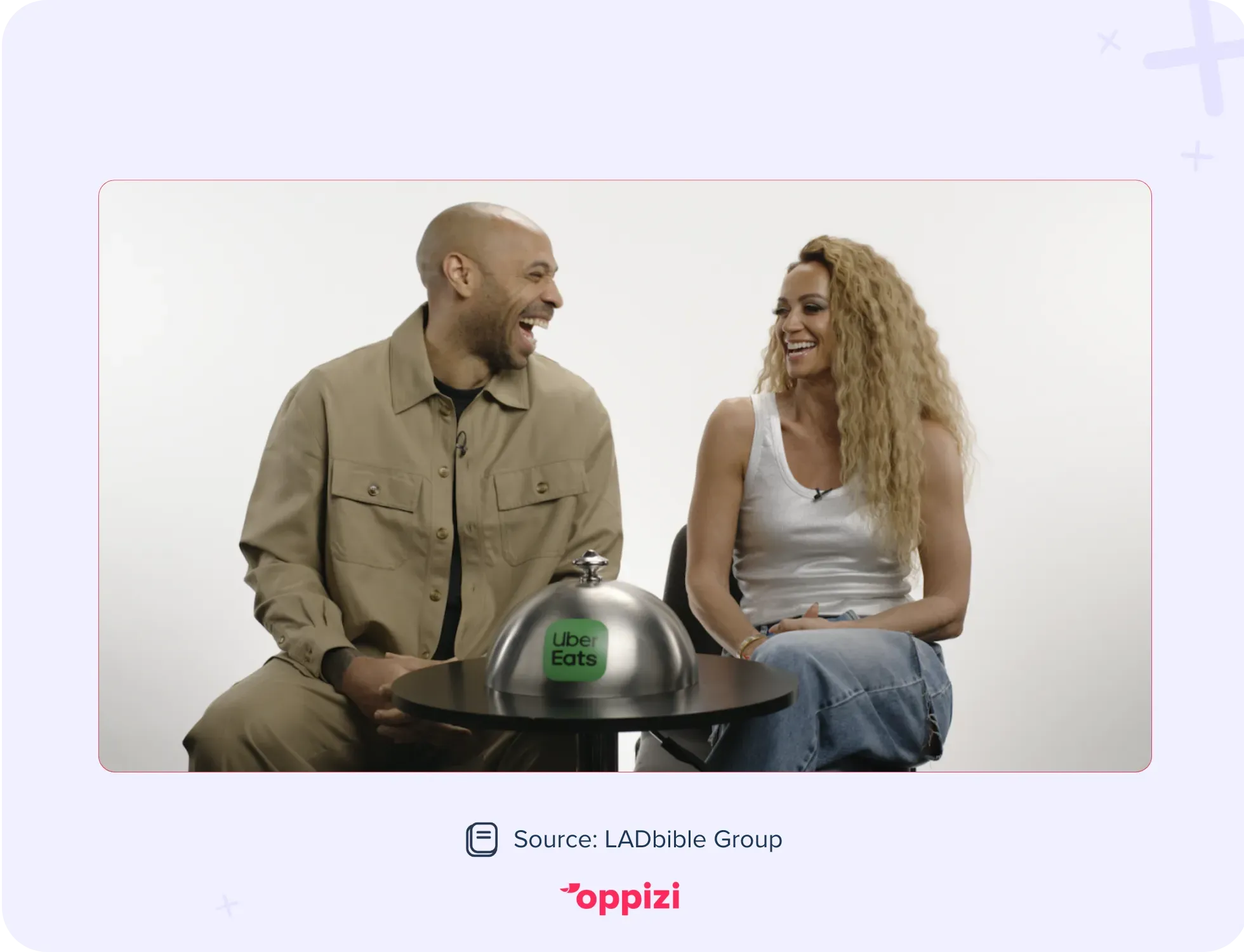
In 2024, Uber Eats teamed up with LADbible on snack videos starring football legends. The social media series pulled in 41.2 million views and lifted brand awareness by 8 points.
Tips:
- Share short videos of meals being made.
- Give exclusive discounts to social followers.
- Work with local food influencers.
3. Reward customers with offers and loyalty
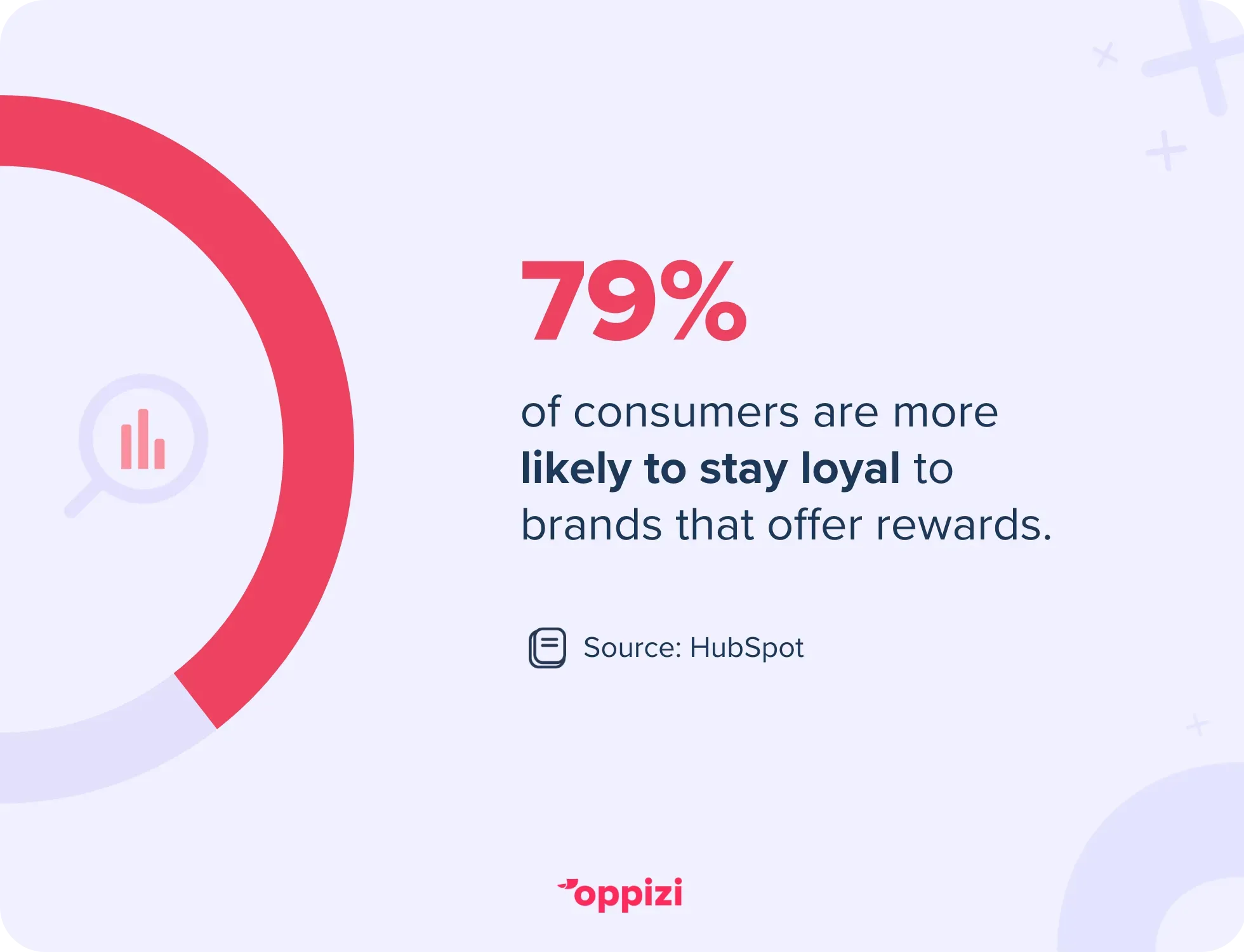
Discounts bring in new customers. Loyalty rewards keep them coming back. 79% of consumers are likely to stick with brands that offer rewards.
Example:
Uber Eats implemented a paid loyalty program to boost engagement and retention, successfully reaching 30 million members as of 2025. The members of this program spend three times more than non-members and now make up 60% of bookings.
Tips:
- Send birthday or anniversary offers.
- Create loyalty tiers and special discounts for members to encourage more orders.
4. Create a website that converts
Your website should make ordering simple. Keep the design clean, make sure it loads fast, and optimize it for mobile.
Example:
Restaurants using the restaurant website platform BentoBox saw direct online orders grow 54% year over year during the pandemic. This helped them avoid high third-party commissions and keep more revenue. The easy-to-use websites turned restaurants into their own delivery hubs.
Tips:
- Use high-quality photos of your food.
- Add clear calls-to-action like “Order Now” or “View Menu.”
- Test your site often on mobile.
5. Use local SEO to win nearby searches
If you serve a specific area, local SEO makes sure people find you when they search “food delivery near me” or “best pizza in [city].”
Example:
Domino’s was on a mission to improve their website and strengthen their Google Business Profile in Kyiv. Through the implementation of local SEO tactics, they saw a 74.5% increase in unique visitors from organic search and 34.1% more traffic from the city. Improved local SEO drove real growth in nearby orders.
Action steps:
- Keep your business name, address, and phone number consistent across all listings.
- Use local keywords in page titles and descriptions.
- Ask happy customers to leave reviews on Google and Yelp.
6. Send emails customers want to read
Email marketing is still one of the best ways to build loyalty and repeat orders. Email marketing returns an average of $36 for every $1 spent.
Example:
Grubhub used the customer engagement platform Braze to send targeted emails and push notifications to students. This boosted Grubhub+ signups by 188% and delivered an 836% increase in ROI.
Best practices:
- Give new subscribers a welcome offer.
- Use automation to follow up after orders.
- Highlight seasonal dishes and local events.
7. Run paid ads for quick results
Google ads and social media ads help you reach people based on location, interests, and behavior.
Example:
In the Spanish market, Domino’s recently promoted a 3-for-1 pizza deal on TikTok. The campaign cut acquisition costs in half and delivered a 4.42× return on ad spend. When done right, paid ads can deliver immediate traction while supporting your longer-term marketing strategy.
Tips:
- Try different ad formats like video, carousel, and static images.
- Track conversions to see what works.
- Use seasonal themes to catch attention.
8. Partner with influencers to reach more people
Influencer marketing has grown significantly over the last few years and is now a powerful tool for food delivery businesses. Partnering with local food influencers can help you gain credibility and introduce your service to a broader audience.
How to make it work:
- Identify local and nano influencers whose followers align with your target audience.
- Offer free meals or discounts in exchange for a post or a review.
- Create unique discount codes for influencers to share with their followers, so you can track the effectiveness of your campaign.
9. Use offline marketing to grab local attention
Digital marketing is important, but offline strategies can make a big impact in your area. Flyers, events, and partnerships put your brand directly in front of people.
Example:
In 2023, Just Eat partnered with Oppizi during a Champions League match in France to hand out over 8,000 promotional flyers in just three hours. The campaign brought in more than 250 app orders, with almost half redeemed in the first week. Event-based activations like this can deliver strong ROI and a highly engaged audience.
How to do it:
- Distribute flyers in high-traffic spots like stadiums, offices, universities, or apartment buildings.
- Partner with gyms, coworking spaces, or coffee shops.
- Sponsor local events like farmers’ markets or food festivals.
- Hand out branded items like tote bags or fridge magnets.
10. Optimize your food delivery app profiles
Your profile on Uber Eats, DoorDash, or Grubhub is like a shop window. Make it look appealing and easy to use.
Example:
By running targeted in-app ads, Dragon King brought in over 10,000 new orders in the first quarter of 2024. Seventy percent of their sales came through Uber Eats, showing how app ads can boost revenue.
How to make it effective:
- Upload high-quality food photos that make people want to order.
- Keep your menu updated with the right prices and descriptions.
- Test different item descriptions to see which ones get more clicks.
11. Launch a referral program
Referral programs turn happy customers into promoters. A small reward for sharing can bring in steady new business.
Example:
Oddbox, an organic food delivery service, teamed up with Mention Me to launch a referral program. It led to four times more new customer sign-ups through referrals.
Tips for success:
- Offer discounts, free items, or loyalty points for each referral.
- Use unique codes or links to track results.
- Promote your program in-app, by email, and on your website.
12. Create seasonal or event-based campaigns
Holidays, festivals, and big games are perfect chances to get people excited about ordering. Seasonal and event-based promotions work because they tap into existing excitement, making your brand part of the cultural moment.
Example:
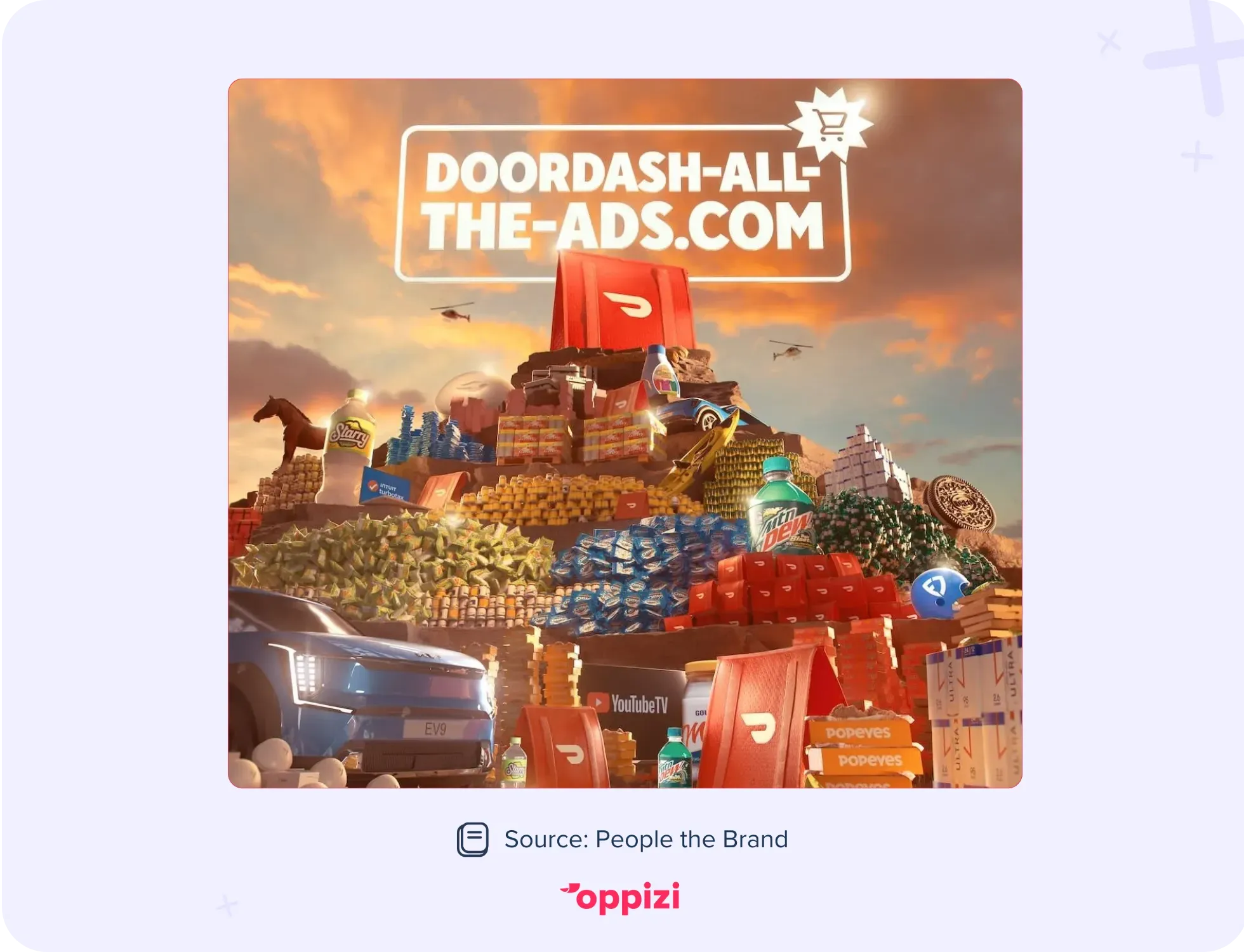
DoorDash tied a giveaway to its first Super Bowl ad. It drew more than 8 million entries and lifted grocery sales by 21% year over year.
Ways to make campaigns work:
- Add limited-time menu items or bundles for holidays or events.
- Create themed offers tied to local happenings, like a “Game Day Combo.”
- Promote campaigns on social media, email, and your website.
13. Gather and share customer reviews
Reviews shape ordering decisions. They matter most in local searches and food delivery apps. By actively showcasing positive feedback, you build trust and influence new customers at the exact moment they’re deciding where to order.
Example:
In 2025, Uber Eats used AI to summarize reviews and highlight feedback. Customers could also upload food photos for a chance to earn app credits. This made reviews more engaging and useful for diners and restaurants.
How to maximize reviews:
- Ask customers to leave a review after every order.
- Share positive reviews on your website, emails, or social channels.
- Reply to reviews, both good and bad, to show you listen.
Secret Bonus: Targeted flyer campaigns
Offline marketing can bring real online results when it’s focused on the right people. Well-designed flyers placed in the right hands can drive awareness, boost app downloads, and convert nearby customers faster than digital ads alone.
Example:
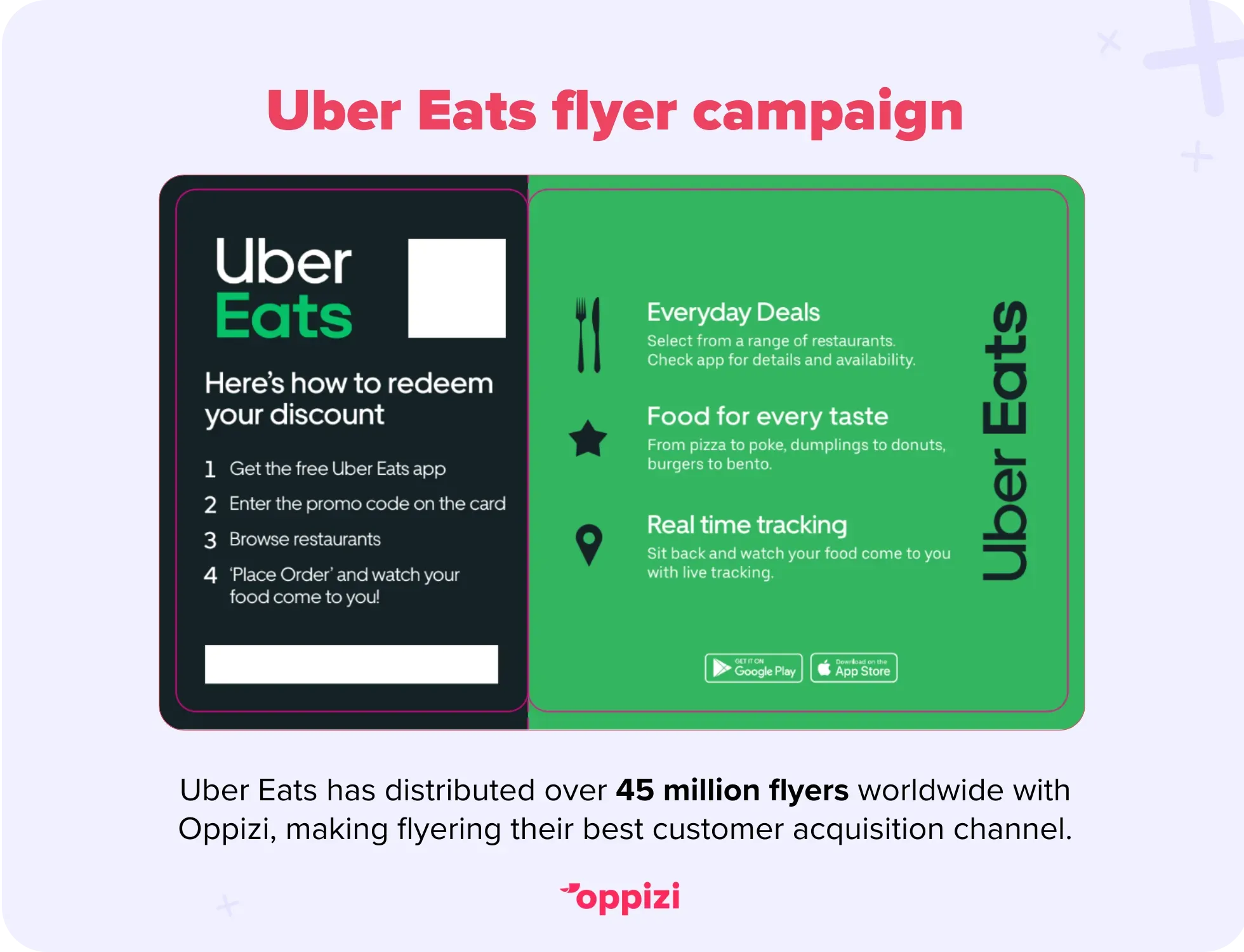
Oppizi has partnered with Uber Eats to deliver more than 45 million flyers in high-potential neighborhoods. The effort boosted brand awareness, app downloads, and food orders, proving offline tactics can drive online growth.
How to maximize flyer campaigns:
- Use location and audience data to target areas most likely to convert.
- Link flyers to app downloads, promo codes, or online offers.
- Track results and adjust flyer distribution to improve ROI.
Conclusion
The food delivery market is growing fast, and competition is tough. To stand out, you need a mix of online tactics like social media, SEO, and loyalty programs, along with offline strategies such as flyers and event campaigns. Offline marketing in the F&B industry has a proven track record of success. Every interaction with a customer is a chance to earn their trust and keep them coming back. With Oppizi’s easy-to-use platform, you can launch an offline campaign in minutes. Everything is fully tracked and supported by our expert team, so you can turn local attention into real orders without the stress. Get started today!
Frequently asked questions
- How do I decide which marketing strategies to start with?
If your budget or time is tight, focus on tactics that cost little but work fast. Local SEO, email marketing, and optimizing your delivery app profiles are good places to start. Once you see results, you can add paid ads or influencer campaigns.
- What’s the best way to promote your service both online and offline?
Connect the two. Add promo codes or QR codes to flyers that lead straight to your app or website. Run events in-store or locally, then promote them on social media and through email. Keeping everything linked makes your reach bigger and your message stronger.