Last updated August 28, 2026
Every business needs customers. The big question is: how do you reach them? That’s where sales channels come in.
If you haven’t thought much about them before, that’s okay. Most people focus on what they’re selling, not how it gets to the customer. This guide breaks it down so it’s easy to understand.
What is a sales channel?
A sales channel is how you sell your product or service. Some are online, like your website or social media. Others are offline, like a store or a flyer in someone’s mailbox.
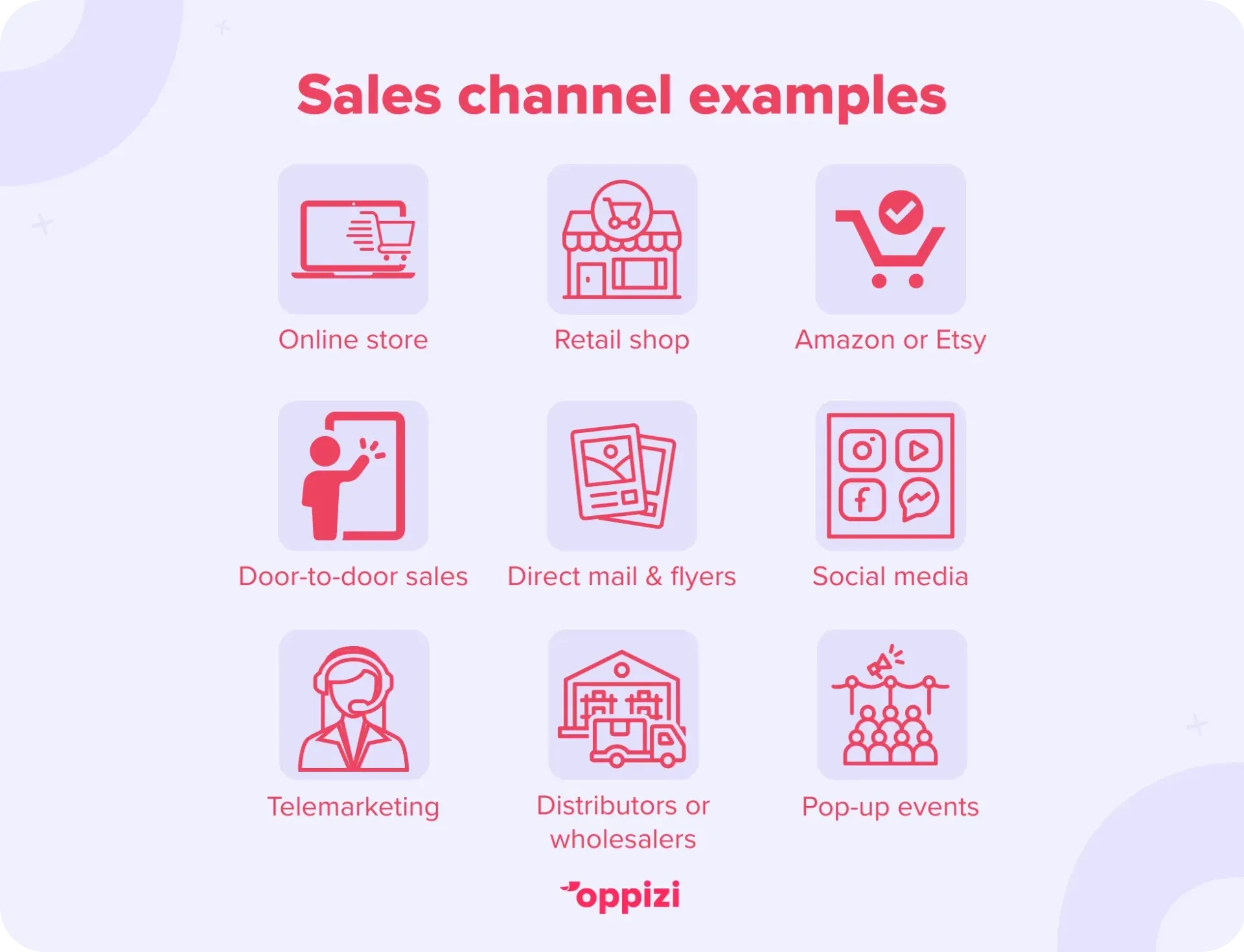
You can use one channel or many. It depends on your goals, your budget, and who you’re trying to reach. Here are a few common sales channels:
- Online store
- Retail shop
- Amazon or Etsy
- Door-to-door sales
- Direct mail
- Social media
- Flyers
- Telemarketing
- Distributors or wholesalers
- Pop-up events
Each option works differently. Some are better for certain products or audiences. We’ll help you figure out what’s right for you.
Types of sales channels
Before you can pick the right sales channels, you need to know what’s out there. Most sales channels fall into three main types: direct, indirect, and online.
Direct sales channels
These are ways to sell straight to your customers without using a middleman.
- E-commerce website: Your own online store where people can buy from you.
- Retail store: A physical shop where customers can walk in and make a purchase.
- Direct mail: Sending flyers, postcards, or catalogs to people’s homes.
- Telemarketing: Calling people to tell them about your product and make a sale.
- Door-to-door: A salesperson going to people’s homes to sell in person.
- Sales team: Your own employees selling directly to customers, either online or face-to-face.
Indirect sales channels
These involve other businesses helping you sell your product.
- Wholesale: Selling large amounts to retailers, who then sell to customers.
- Resellers: Businesses that buy your product and sell it under their own name.
- Marketplaces: Websites like Amazon or eBay where your product appears alongside others.
- Distributors: Partners who handle storage and delivery.
- Affiliate marketing: Paying someone a commission when they help you make a sale.
- Independent retailers: Shops that sell your product but aren’t connected to your brand.
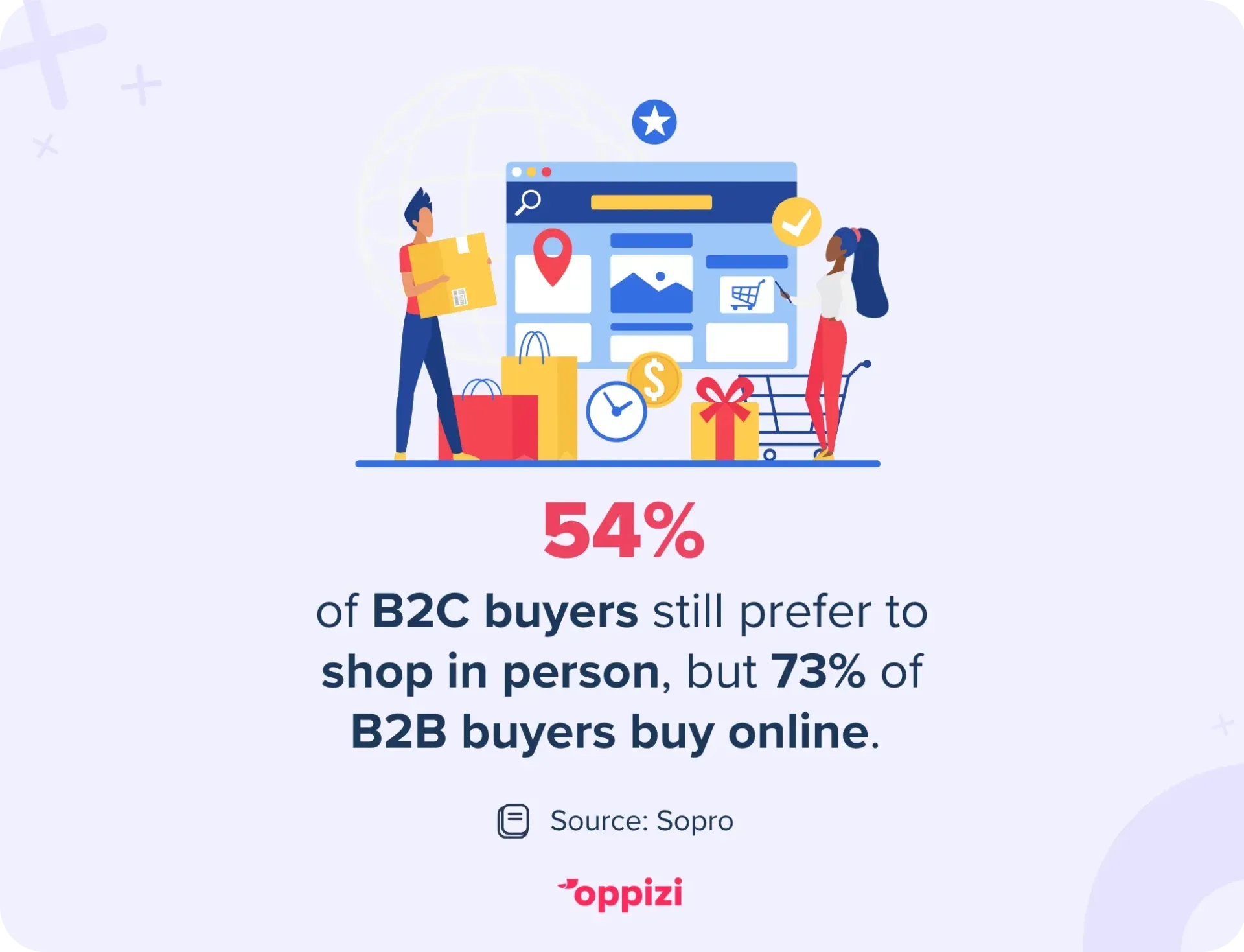
More than half of B2C buyers prefer shopping in stores, while nearly three-quarters of B2B buyers make purchases through digital channels. Understanding who your customers are and where they prefer to buy helps you focus on the sales channels that work best for them.
Online sales channels
Many direct and indirect options are online, but some stand out on their own.
- Your website: A place for customers to learn about and buy your product.
- Marketplaces: Large platforms that already attract lots of buyers.
- Social media: Selling through platforms like Instagram, Facebook, or TikTok.
- Email marketing: Sending product offers straight to someone’s inbox.
- Display ads: Banner ads on websites that help bring people to your store.

Why sales channels matter
The right sales channel helps people find you. It affects how much it costs to get their attention, and how likely they are to buy.
Let’s say your audience is busy commuters. A flyer at a train station might work better than an online ad. Selling handmade goods? Try combining an online shop with local markets. When your sales channel matches your audience, it’s easier to earn their trust and make a sale.
How to choose the right sales channels
The best channel depends on what you sell, who you’re trying to reach, and how you want to grow. Some businesses stick with one or two. Others use several to reach more people. Here’s how to find the ones that make sense for you.
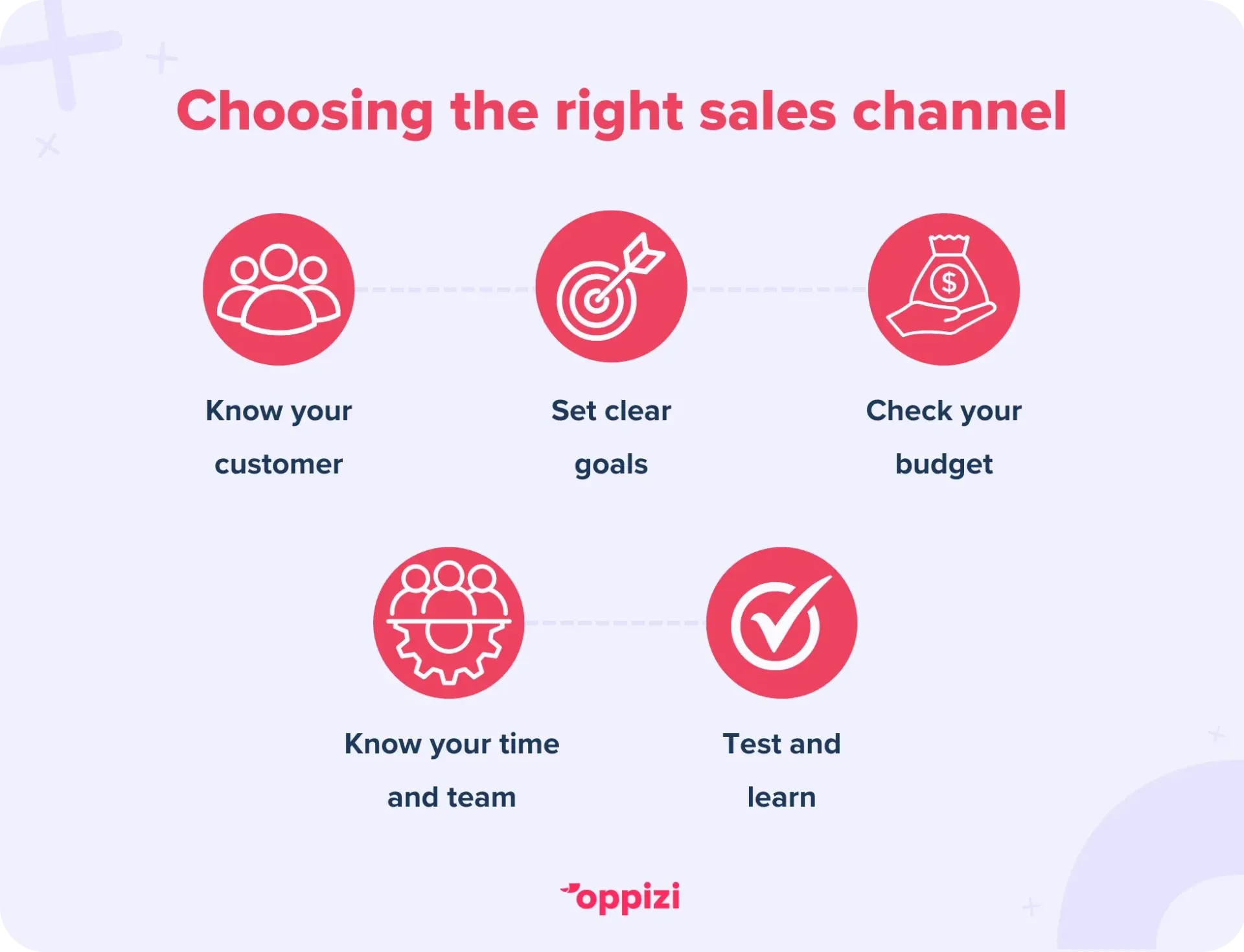
How to choose the right sales channels
1. Know your customer
Think about who you want to reach. Where do they spend time? What catches their eye? If you're targeting students, try campus ads or social media. For professionals, direct mail, email, or online ads might work better.
2. Set clear goals
What do you want to happen? More website visits? More people in your store? A strong product launch? Your goal should guide your choice. Local events or flyers can help build awareness. For online sales, try email or paid ads.
3. Check your budget
Some channels cost little or nothing, like posting on social media. Others, like direct mail or ads, cost more but can get better results. It’s not just about spending less. It’s about what works. A small, smart campaign often beats a big one with no focus.
4. Know your time and team
Do you have someone to run ads or write posts? Or do you need something easier? Pick channels that match what your team can handle. If time is tight, go for simple tools that don’t need a lot of attention.
5. Test and learn
Try one or two channels. See how they do. Track the results. Stick with what works. Drop what doesn’t. You can adjust as you go.
Offline sales channels that still work
Even with everything online, offline marketing still delivers. In fact, printed ads and direct mail often get better results than digital, especially when they’re personal and targeted. Here are a few offline sales channels worth trying:
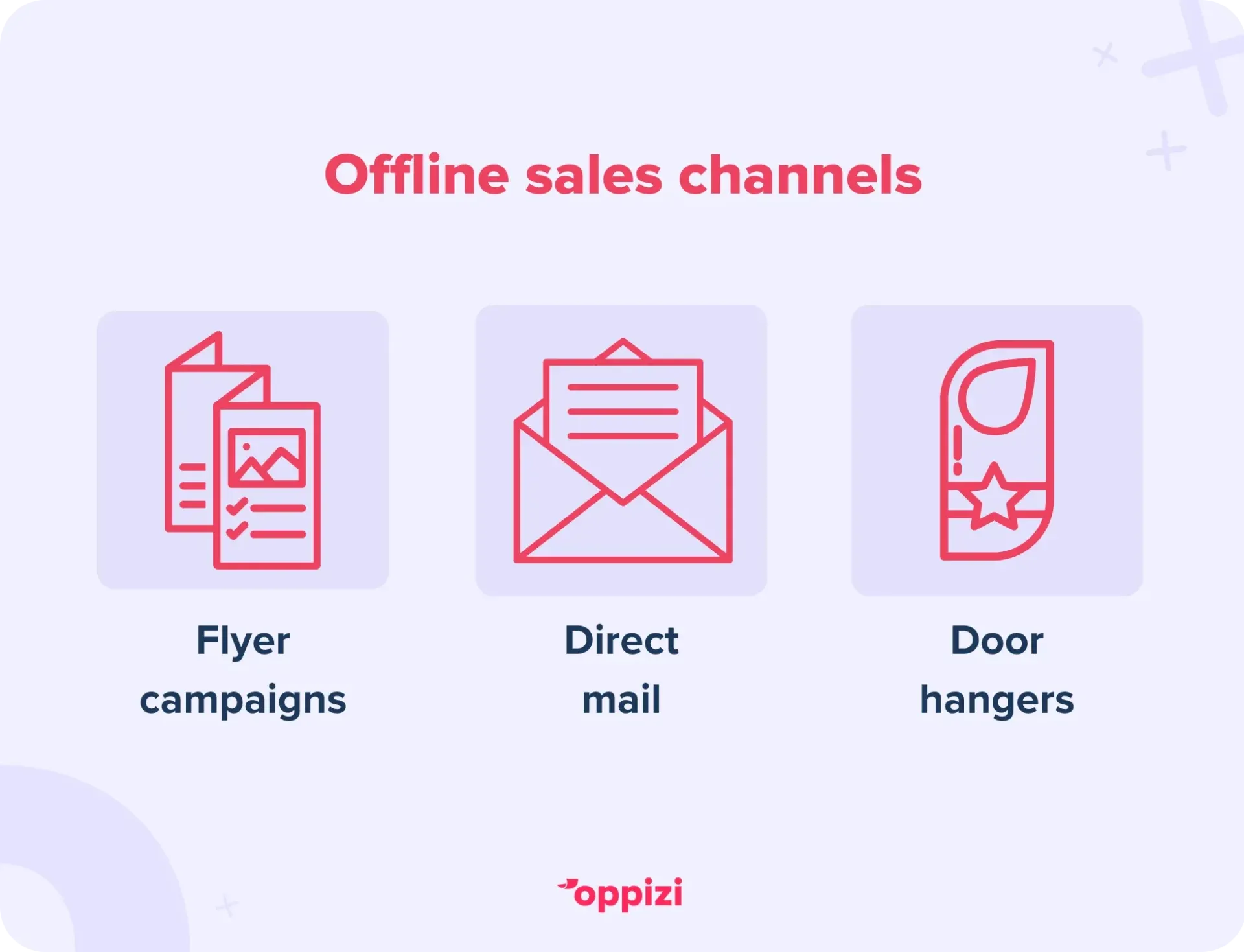
Flyer campaigns
Flyers are simple, affordable, and hard to ignore. You can hand them out in busy areas or leave them in local shops. They’re great for getting attention fast.
Direct mail
Sending postcards, brochures, or small catalogs puts your message straight into someone’s hands. This works well for local services, health and wellness, real estate, or anything where trust matters.
Door hangers
Door hangers are a direct way to reach people at home. They’re easy to notice and great for local promotions or limited-time offers.
Use more than one channel for better results
You don’t have to stick to one way of selling. Often, the best results come from using a mix of online and offline channels. Here are a few examples:
- Send a direct mail piece, then follow up with an email
- Hand out flyers at a local event and post about it on Instagram
- Drop door hangers for a local sale, then run Google ads to boost awareness
What matters most is keeping your message clear and consistent. Make sure your tone and offer feel the same, no matter where people see it.
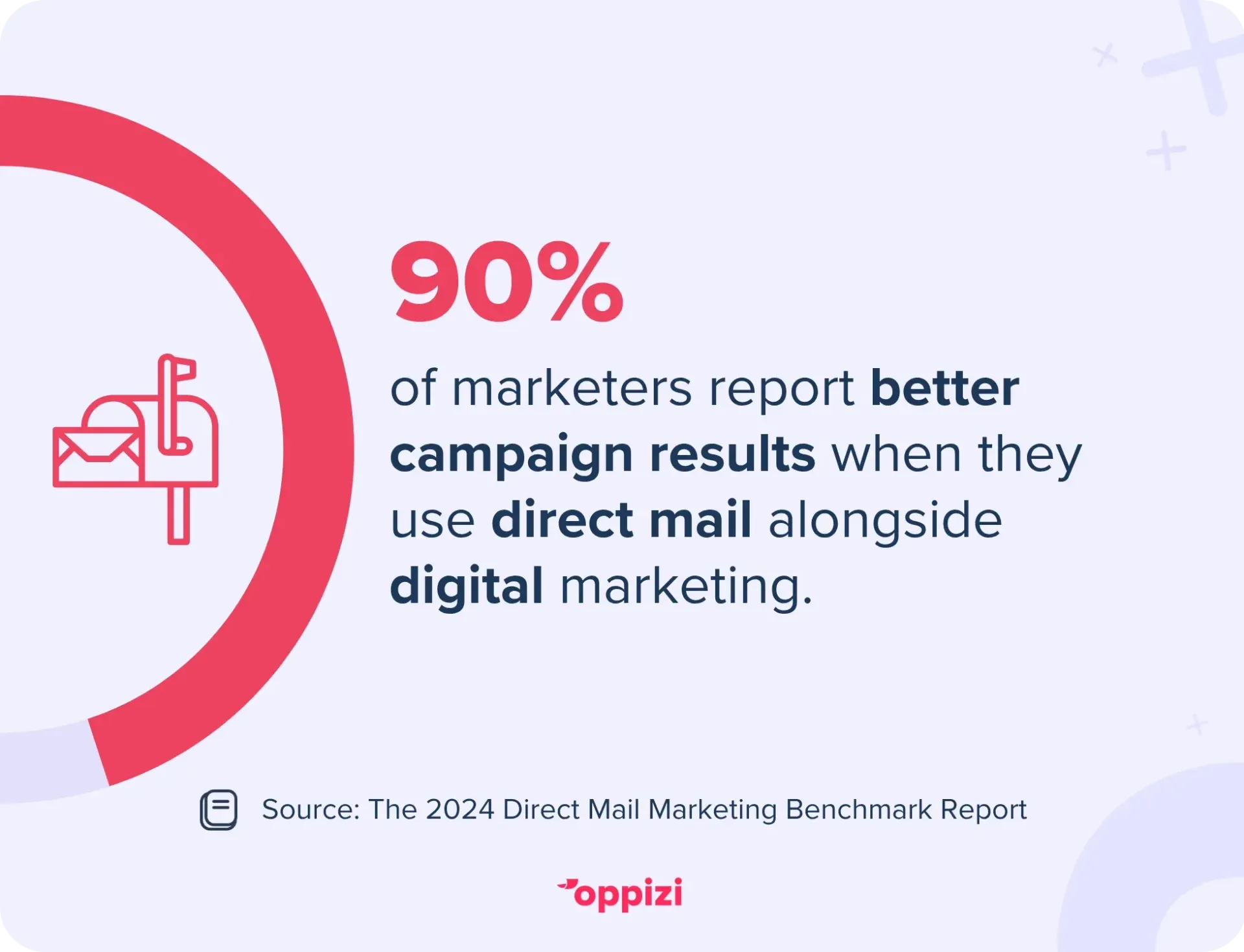
90% of marketers say combining direct mail with digital channels improves how their campaigns perform. While online channels such as emails and web pages give you a digital presence, a mailer or flyer is something physical and tangible that’s guaranteed to be seen.
Match your sales channels to the customer journey
Different sales channels work best at different points in the customer’s journey.
- Awareness: This is when people first hear about you. Use flyers, local events, social media, or ads to get your name out there.
- Consideration: At this stage, customers compare options. Direct mail or emails with clear info and offers can help them decide.
- Conversion: When it’s time to buy, make it easy. A friendly sales team, a simple website, or a clear call to action on a flyer or email can help close the sale.
The key is to match your channels to what customers need at each step.
What sales channels work for different businesses?
Not every channel works for every business. Here are some examples:
- Local services like cleaning or landscaping: Flyers and door hangers work well in specific neighborhoods. A clear offer can get people to call you.
- E-commerce brands: Your online store is your base. Email marketing and online ads help bring in visitors and boost sales.
- Restaurants and cafes: Flyers, coupons, and local mail can draw in nearby customers.
- Real estate: Direct mail is good for sharing listings, open house invites, or updates with people in your area.
- Pop-up shops and events: Flyers and teaming up with local businesses help spread the word. Social media can give extra support.
If you’re marketing a wellness center, for example, the real difference between you and a competitor might be how easily local customers come across your ad in a physical, tangible form they can hold in their hands. The right channels depend on your product, where your customers spend time, and your budget. Focus on a few that work best instead of trying everything at once.

Common mistakes to avoid when picking sales channels
It’s easy to get it wrong when you’re just starting out. Here are some mistakes to watch out for:
- Using too many channels at onceThis spreads your time and budget too thin. Start small with one or two. Add more when you’re ready.
- Choosing what’s popular, not what works for your audienceJust because a channel is trending doesn’t mean it’s right for your customers.
- Not tracking resultsIf you don’t measure what’s working, you’re flying blind. Tools like Oppizi make it easy to see how your campaign is doing.
Avoiding these mistakes helps you focus on what matters. You’ll waste less time and get better results.
How to measure success across sales channels
You don’t need a big team to track your campaigns. Even small businesses can measure what’s working. Here are the main numbers to look at:
- Response rateHow many people took action? Did they visit your site, scan a QR code, or use a promo?Conversion rateHow many of those people became paying customers?
- Cost per acquisition (CPA)How much did you spend to get one customer?Return on investment (ROI)How much money did the campaign bring in, compared to what you spent?
Offline marketing used to be hard to track. Not anymore. With Oppizi, you get reports that show what’s working, right on your dashboard.

Final thoughts: choosing your sales channels
Sales channels do more than bring in money. They help you build trust and stay top of mind. If you're new to this, keep it simple. Know who you're trying to reach, what you want them to do, and how to get that message across clearly.
Offline channels can be a smart choice, especially when tools like Oppizi make it easy to plan, run, and track your campaign. Want a simple way to get started? Try Oppizi and launch your offline campaign today.
Frequently asked questions
- What are the four types of sales channels?
Sales channels usually fall into four groups:
- Direct sales: You sell straight to the customer, like through your website or in person.
- Indirect sales: You sell through partners like resellers, affiliates, or marketplaces such as Amazon.
- Dual distribution: You use both direct and indirect channels at the same time.
- Reverse channels: Customers send something back to you, like returns or recycling.
Many businesses use more than one type to reach more people.
- What is an example of channel sales?
Let’s say a skincare brand sells through a pharmacy chain instead of its own website. That’s channel sales. The store is the sales channel.
Or think about a local service business handing out flyers to promote an offer. That’s also a channel—just an offline one. Companies like Oppizi help manage campaigns like these from start to finish.
- What is a sales channel structure?
This is how your business sets up and runs its sales methods. It covers:
- The channels you use
- How they work together
- Who handles each one
- How you track performance
A clear setup helps you stay organized, avoid confusion, and focus your time and budget where it matters.