Last updated July 23, 2026
Marketing is a powerful tool for driving growth, but even the best strategies can falter if common mistakes go unnoticed. From unclear messaging to neglecting data analysis, these errors can derail campaigns, waste resources, and hinder your connection with your audience.
The good news? Most marketing missteps are entirely avoidable with the right knowledge and preparation. In this article, we’ll explore some of the most frequent marketing mistakes businesses make and provide practical tips to help you avoid them, ensuring your efforts lead to greater success and ROI.
1. Lack of clear strategy
Have you ever stepped into water without checking how deep it is? That’s what marketing without a strategy feels like. Without a clear vision, your efforts risk being ineffective—especially for small businesses with limited resources. Beyond monetary losses, poor investments can harm your reputation with your target audience.How to avoid it: Start by setting SMART goals and aligning them with your overall business objectives. Regularly review and refine your plan to ensure it stays relevant.
2. Not establishing a clear USP
Failing to establish a clear Unique Selling Proposition (USP) leaves your audience unsure of what sets your brand apart. Without a well-defined USP, your messaging can blend in with competitors, making it harder to capture attention or build loyalty. A strong USP highlights the distinct value your product or service offers, creating a compelling reason for customers to choose you over others. Without it, marketing efforts risk becoming generic and ineffective.
How to avoid it: Define what sets your product or service apart and weave this into your messaging. A compelling USP helps establish loyalty and drives customer interest.
3. Poor understanding of target audience
Marketers often overlook the importance of thoroughly understanding their target audience, which can lead to significant challenges. Without a clear picture of your audience’s demographics, preferences, behaviors, and needs, marketing campaigns risk missing the mark. This results in ineffective content, campaigns that fail to resonate, and wasted resources.
How to avoid it: Invest in research to identify your audience’s demographics, preferences, and pain points. Use these insights to craft tailored messaging that genuinely resonates with potential customers and drives business growth.

4. Forgetting existing customers
Neglecting existing customers is a common marketing mistake many businesses make. While attracting new customers is important, focusing solely on acquisition can result in overlooking the value of current customers.
Existing customers are not only more likely to make repeat purchases, but they also offer lower acquisition costs and can act as brand advocates. According to the BIA, repeat customers spend 67% more than new customers.
By failing to nurture relationships with existing clients, businesses miss the opportunity to build loyalty and increase long-term revenue. Investing in retention strategies can lead to higher customer satisfaction and stronger brand loyalty, which in turn drives sustainable growth.
How to avoid it: Develop retention strategies, such as loyalty programs and personalized offers, to keep existing customers engaged and satisfied.
5. Not nurturing existing leads
Leads that are not immediately ready to purchase still represent valuable opportunities. Without continued engagement, these leads can become cold and be lost to competitors. By nurturing leads through personalized content, email follow-ups, or targeted offers, businesses can:
- Build trust with prospects
- Move leads further down the sales funnel
- Increase conversion rates
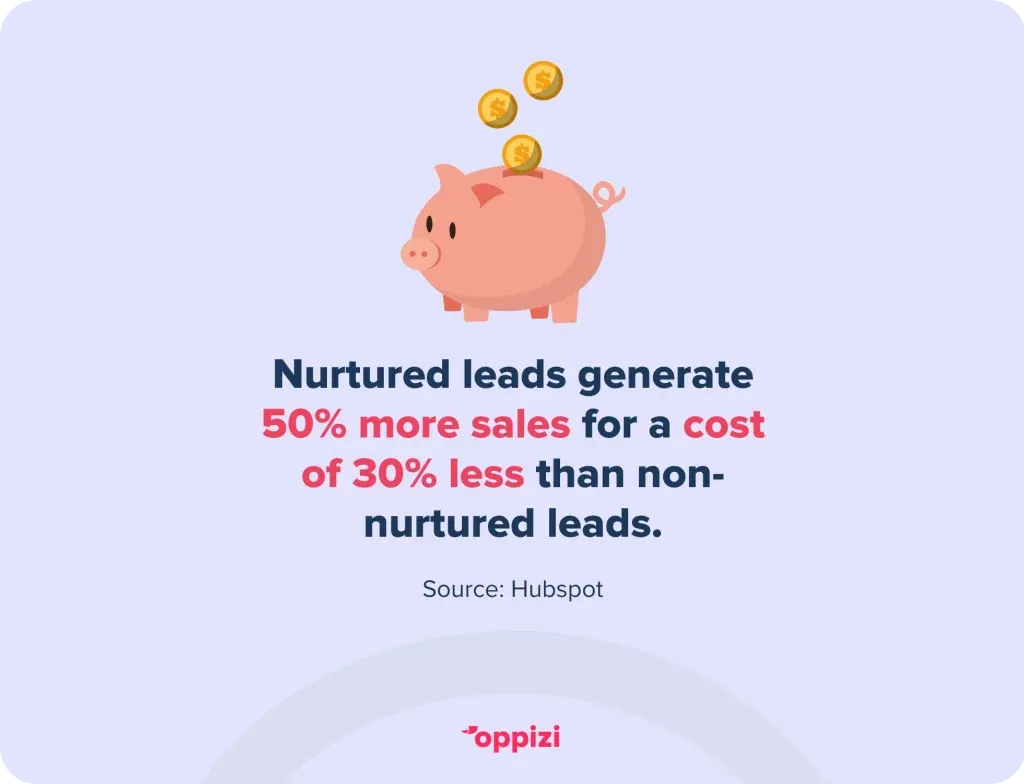
According to Hubspot, nurtured leads generate 50% more sales at a cost of 33% less than non-nurtured leads.
How to avoid it: Investing in lead nurturing strategies such as email marketing campaigns, retargeting ads, or personalized offers ensures that you are not wasting the efforts already spent attracting and engaging potential customers. This also nurtures trust and encourages conversions.
6. Fatiguing audience
Overexposing your audience to the same messages or content can cause "ad fatigue," where consumers stop paying attention to repetitive material. This can result in lower click-through rates and a negative perception of your brand.
Research done by GetApp shows that 50% of people say they receive too many marketing emails, and 41% say that the email content is not relevant to them.
How to avoid it: Keep content fresh and relevant. Experiment with different formats, and focus on creating value for your audience rather than overloading them with promotions.
7. Low-quality content
Content that is poorly written or irrelevant can damage your brand's reputation. Imagine walking into a store and seeing a disorganized shelf with dusty products - would you trust the quality of those items? The same applies to your content; low-quality material can deter potential customers.
How to avoid it: High-quality content helps establish authority, enhances engagement, improves SEO, and drives conversions. To ensure your content is effective, focus on its value to your audience. Make sure it aligns with their interests and needs, and prioritize accuracy to maintain credibility. Regularly review and update materials to cater to your audience’s needs.

8. Focusing only on digital marketing
Focusing solely on digital marketing strategies can be a significant oversight for businesses. While digital platforms provide broad reach and data-driven insights, they may not fully engage certain demographics and can contribute to ad fatigue, reducing campaign effectiveness.
How to avoid it: A hybrid approach that integrates offline marketing strategies, like flyer distribution or direct mailing, can bridge the gap left by digital campaigns and create a more well-rounded campaign. By combining the scalability of digital marketing with the personal touch of offline methods, you can unlock new opportunities for engagement and growth.
9. Inconsistent branding
Strong branding is instantly recognizable, like the McDonalds yellow “M”. When your brand's messaging or visuals are inconsistent, it can confuse customers and make it harder for them to connect with and trust your brand.
Inconsistent use of logos, colors, or design elements across platforms creates a disjointed experience. Your brand's personality and voice should also be consistently reflected in all communications. A unified brand image helps customers clearly understand who you are and makes it easier for them to remember you.
How to avoid it: Develop comprehensive brand guidelines detailing your colors, fonts, and tone of voice. Apply these elements consistently across all platforms to create a recognizable brand identity, making it easier for customers to connect with and remember your brand.
10. Neglecting data and analytics
Marketing is driven by data, and neglecting it can lead to ineffective campaigns. Without proper analytics, you can't measure what’s working or optimize your efforts. Data-driven marketing enables targeted campaigns, better ROI, trend identification, content personalization, and an engaging customer experience.
How to avoid it: To harness its full potential, monitor key metrics, foster a data-driven culture, and translate insights into actionable strategies for your marketing plan. Set benchmarks to track progress and refine strategies.
11. Overlooking mobile optimization
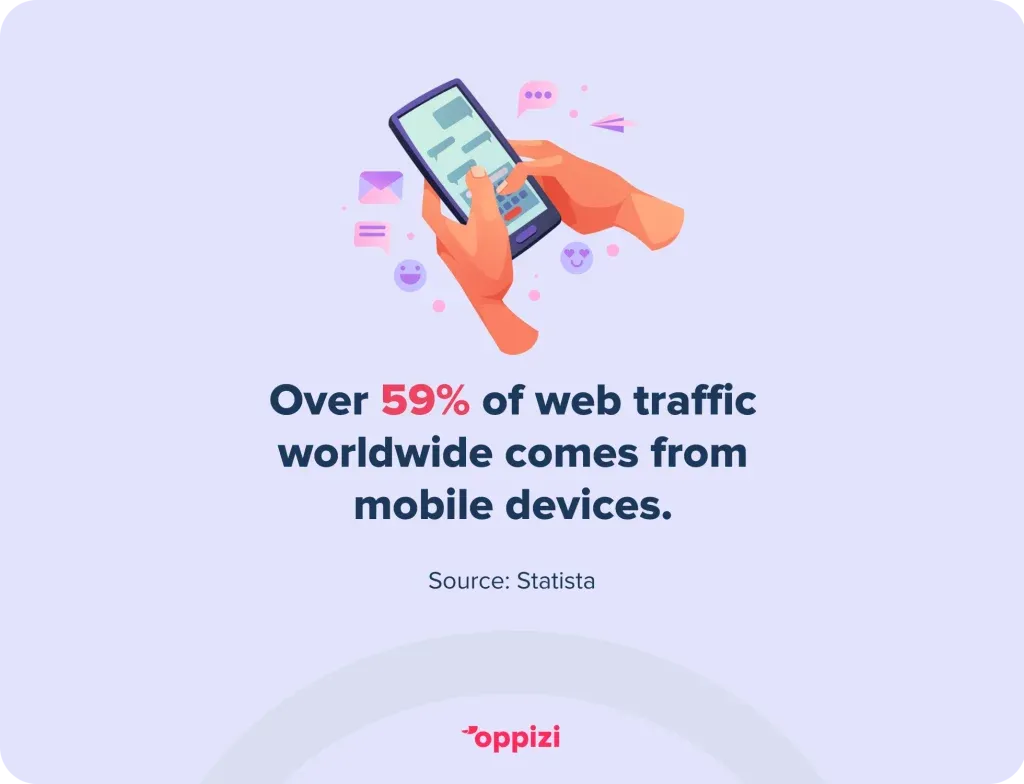
Over 59% of global web traffic comes from mobile devices, making mobile optimization crucial. If your website or marketing materials aren't mobile-friendly, you're likely frustrating a significant portion of your audience, resulting in lost conversions and revenue. Poor mobile optimization negatively impacts user experience, SEO, organic traffic, and conversions.
How to avoid it: To prevent this, ensure your design is responsive, pages load quickly, buttons are large enough to click, and forms are easy to fill out on mobile devices.
12. Mismanaging social media
Social media is a powerful tool for building brand awareness, driving engagement, and fostering customer relationships. However, mismanaging it through irregular posting, poor engagement, inconsistent branding, or irrelevant content, can harm your brand's reputation.
How to avoid it: Create a social media plan and content calendar, engage with your audience, and track performance metrics to adjust your strategy as needed. Effective social media management helps maintain a strong, positive presence and can turn potential mistakes into growth opportunities.
13. Ignoring customer feedback
Your brand's success is closely tied to how you treat your customers, and their feedback is invaluable. Listening to customer feedback helps you better understand their needs and refine your products and services accordingly. Ignoring this feedback means missing opportunities for improvement and potentially damaging your reputation, as it can create a negative perception of your brand.
How to avoid it: Actively gather and acknowledge feedback through surveys or social media, then use it to inform product and service enhancements. Analyzing customer feedback helps identify common issues and trends, enabling you to develop a strategic plan to address concerns and improve the customer experience.
14. Focusing too much on selling
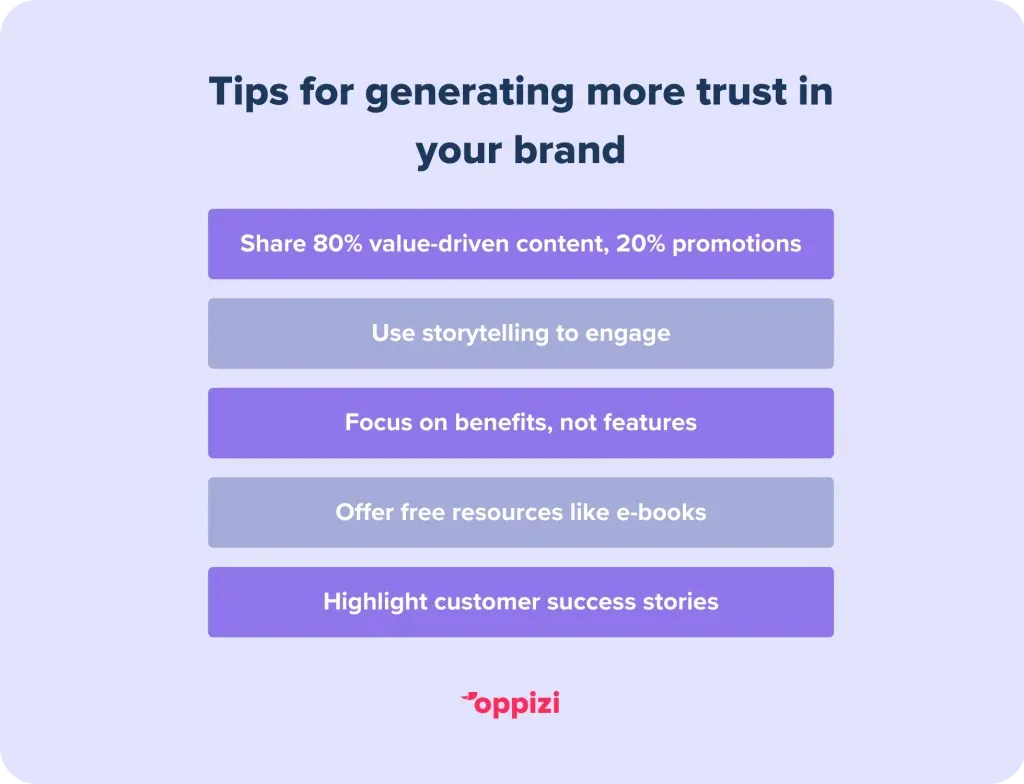
Focusing too heavily on sales can overwhelm your customers and cause them to feel pressured, leading to a negative response. Constant “buy now” messages lack value and fail to build a meaningful connection, which is why they can be ineffective.
How to avoid it: Shift your focus from pure sales tactics to offering value. Share content that educates or helps solve customer problems to position yourself as a trusted resource.
15. Failing to adapt to market changes
Businesses must evolve with changing markets. Clinging to outdated strategies can leave you outpaced as consumer preferences shift and new technologies emerge. Staying adaptable allows you to capitalize on new opportunities, keep your brand relevant, and gain a competitive edge.
How to avoid it: To stay ahead, conduct regular market research, listen to customer feedback, and monitor performance metrics to identify areas for improvement. Experiment with new approaches through A/B testing to find what resonates with your audience and refine your strategy accordingly.
Conclusion
Understanding common marketing mistakes is crucial for business success. With a clear vision, a deep understanding of your target audience, and attention to their needs, you can steer your brand toward its goals. Incorporating offline strategies alongside digital efforts, maximizing the potential of social media, and consistently tracking results will provide valuable insights into what works and what doesn’t.
If your business is making any of the marketing mistakes addressed in this blog, Oppizi is here to help. We help you avoid these errors with offline marketing solutions from flyer distribution to direct mailing. Start a campaign with Oppizi today and take your business to new heights.