Last updated August 28, 2026
If you want to reach customers directly and grow faster, you need to know DTC marketing. Direct-to-consumer marketing means you sell straight to your customers without middlemen. It helps you build stronger relationships and create experiences they remember, both online and offline.
What is DTC marketing?
DTC marketing is selling your products directly to customers instead of going through traditional retail stores. You control your pricing, your message, and the way people experience your brand.
In retail stores, someone else decides how your product is shown and sold. With DTC, you guide the whole journey, from the first time someone sees your brand to the moment they buy.
How DTC marketing has changed over time
Selling directly to customers isn’t new. In the early 1900s, brands used catalogues, door-to-door sales, and printed ads to reach buyers. This gave them a close connection with their customers.
Later, big retail stores took over. That gave brands more reach, but they lost control of how their products were presented.
The internet changed everything. By the 2000s, e-commerce made it easy to sell without a middleman. Social media helped brands build communities and talk to customers in a direct way.
Today, the best DTC brands mix online tools with offline experiences. This combination grabs attention in a crowded market and keeps customers coming back. The takeaway is simple: direct relationships lead to loyalty.
Why going direct to consumer is more important than ever
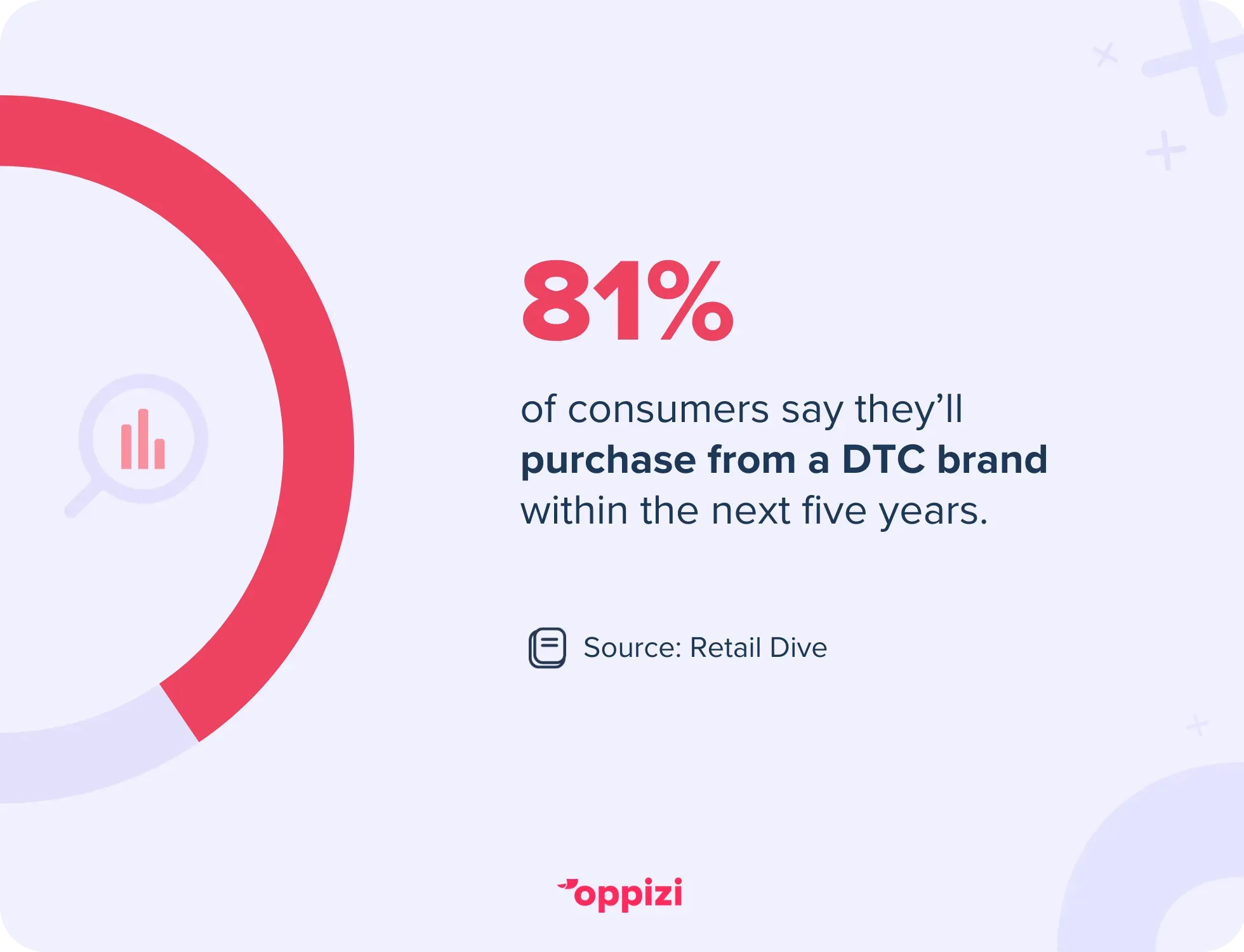
People now expect personal and smooth shopping experiences. A survey found that 81% of consumers plan to buy from a DTC brand at least once in the next five years. DTC marketing helps brands:
- Build loyalty with personal offers and messages
- Collect valuable data to improve campaigns
- Test new products and pricing quickly
- Blend online and offline experiences for deeper connections
Offline marketing like direct mail or in-person events can make your digital efforts even more powerful. They give people something real to remember you by.
Linking digital campaigns with real-world experiences
Many brands begin with digital channels like social media, email marketing, and e-commerce. Adding offline marketing can make those efforts even stronger. Here are a few ways to bring the two together:
1. Events and pop-ups
In-person events or pop-up shops let customers experience your brand up close. They can create buzz, generate social posts, and attract media attention. Promote them online or stream them live to reach more people.
2. Direct mail campaigns
A well-designed direct mail piece feels personal and stands out from digital clutter. Add QR codes or unique web links so people can easily move from the physical piece to your online store. This also makes results easy to track.
3. Print advertising and local sponsorships
Placing ads in niche magazines or sponsoring local events helps you reach specific audiences you might not find online. Use these moments to guide people toward your website or encourage sign-ups.
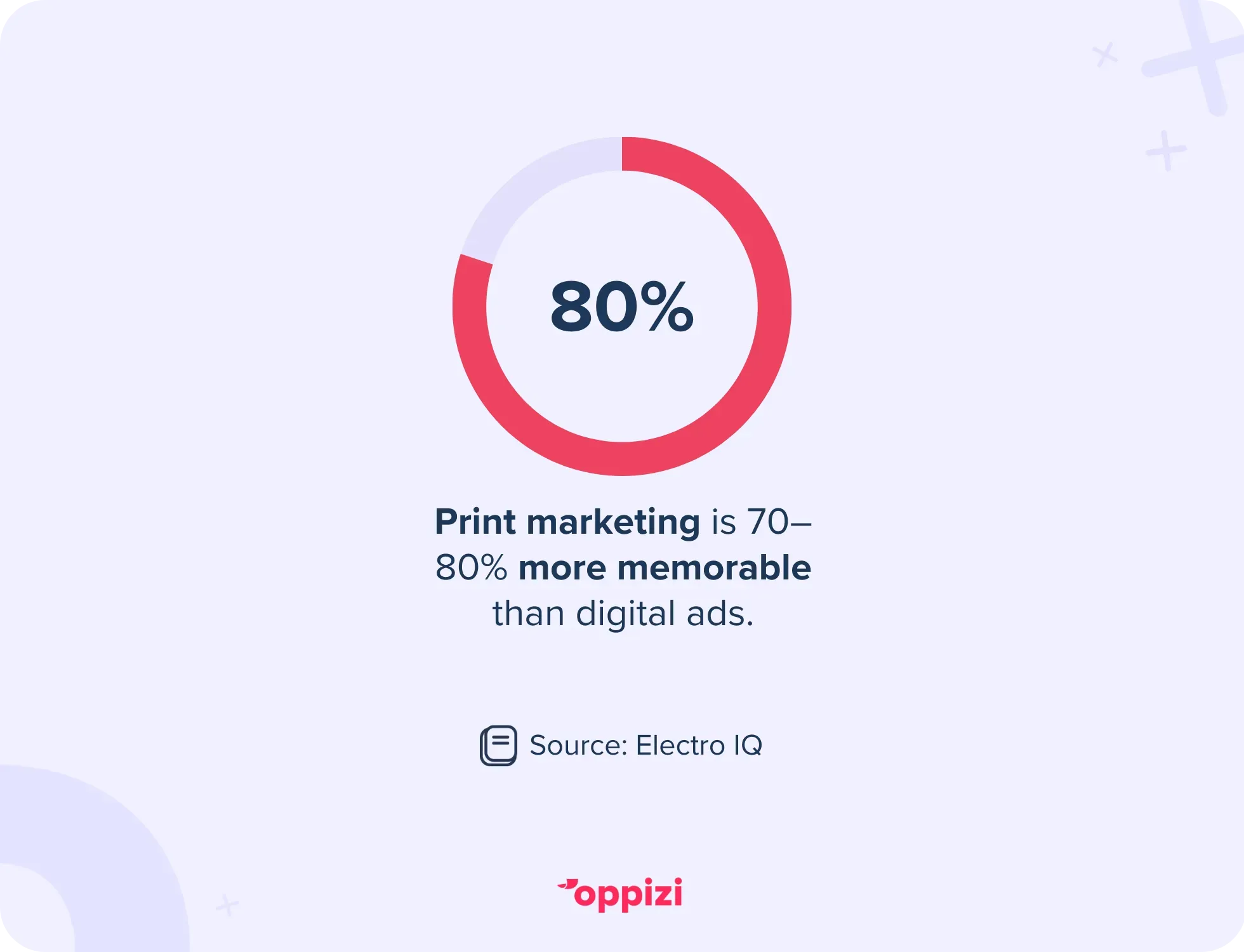
Print marketing is 70–80% more memorable than digital ads. It is also trusted more than any other type of advertising by 56% of consumers. If you want people to remember your brand and believe in it, print can work better than digital.
Leveraging technology for offline DTC campaigns
Offline marketing might seem old-fashioned, but new tools make it smarter and easier to track. QR codes, NFC tags, and augmented reality now help connect real-world experiences to online actions in seconds.
A flyer can have a QR code that takes people to a landing page designed just for them. NFC packaging can share exclusive content when tapped with a smartphone.

Geotargeting tools can show you the best places to run offline campaigns. By looking at customer data, you can spot high-value areas for direct mail, outdoor ads, or events.
Modern analytics platforms can now link offline and online results. You can see how an in-person activation or a printed ad drives website visits, sign-ups, and sales. When you mix creativity with technology, offline marketing becomes a strong driver for your DTC strategy.
How to know if your campaigns are paying off
Tracking results across online and offline touchpoints can be tricky. The most successful brands:
- Use unique promo codes or trackable web links for offline campaigns
- Add offline interactions into their CRM systems
- Review customer behavior and repeat purchase rates
- Test and adjust campaigns to improve performance
When you connect offline and online data, you get a clear picture of how you acquire and keep customers.
Growing your customer base
Getting new customers in DTC marketing takes creativity and smart use of data. Here are a few ways to do it:
1. Social media targeting
Platforms like Instagram and TikTok let you reach very specific audiences. Pair online ads with offline experiences, such as event invites, to boost conversions.
2. Influencer collaborations
Work with influencers to create real, relatable content. Support their reach with offline activities like product previews or meet-and-greets.
3. Subscription models and loyalty programs
Subscriptions and loyalty programs keep customers coming back. Add offline touches, like special edition products or mailed thank-you notes, to make them feel valued.
How to keep your customers loyal
Keeping customers is just as important as finding new ones. Successful DTC brands:
- Send messages tailored to past purchases
- Offer loyalty rewards and referral bonuses
- Share engaging content through email, social media, and offline channels
- Blend online and offline experiences seamlessly
Offline touches make connections stronger. A well-timed mail piece or an invite to a local event can make customers feel special and more likely to stay loyal.
Real examples of DTC success
Some brands have shown how powerful online and offline marketing can be together:
Glossier
Glossier shows the power of immersive pop-ups for building brand loyalty.
- Their first pop-up was in London in 2017. They now have 11 U.S. stores and 1 in London, but pop-ups remain key.
- The London ‘You’ fragrance pop-up reached 14 million TikTok views and over 600,000 likes.
- The Paris pop-up was a two-day experience combining nature, AI, and exclusive merch to create shareable moments.
Glossier proves that sensory, exclusive experiences paired with online sharing boost engagement and long-term loyalty.

Warby Parker
Warby Parker’s move from online-only to 70+ stores in the U.S. and Canada shows how DTC brands can grow by pairing digital convenience with in-person experiences.
- Inspired by Sears’ shift from mail-order to retail.
- Tested retail with traveling showrooms and a branded bus before opening permanent stores.
- Uses physical locations to test products (e.g., kids’ eyewear) and gather customer data.
Their success highlights the power of blending technology, human connection, and a consistent brand experience across all touchpoints.
Allbirds
Allbirds builds community and brand loyalty through immersive store openings.
- Launched in Flatiron, NY, and Fulton Market, Chicago, with a detailed, strategic playbook.
- Engaged local communities with yoga, plant workshops, 5K runs, nature walks, and flora walls.
- Provided attendees with shoe-cleaning kits to extend product experience.
Allbirds shows that blending events, education, and lifestyle experiences strengthens customer connection and long-term loyalty.

Solving the tricky parts of DTC marketing
Even with a strong plan, DTC marketing has its hurdles:
1. Managing multi-channel campaigns
It’s not easy to keep online ads, email campaigns, and offline efforts working together. Using one platform to manage everything can help keep your message consistent.
2. Measuring ROI
Offline campaigns don’t always give instant feedback. Tools like promo codes, QR codes, and dedicated landing pages make it easier to track results and connect offline actions to online sales.
3. Maintaining personalization at scale
First-party data lets you tailor messages without making things too complex. Digital automation works well when paired with small offline touches, like sending a personalized postcard.
Key points to remember for DTC growth
Direct-to-consumer marketing is about giving customers an experience they remember. To do it well:
- Blend online and offline channels so customers see you in more than one place
- Track and measure every campaign to improve over time
- Focus on both finding new customers and keeping the ones you have
- Use data to make interactions personal, while keeping offline moments warm and human

Conclusion
DTC marketing helps brands build direct relationships with customers and guide their entire journey. Combining offline strategies like events, direct mail, and print with digital marketing creates a more engaging experience. Tracking results across channels makes sure every effort counts.
If you want to run offline campaigns without hassle, try Oppizi’s user-friendly platform. It makes it easy to manage campaigns, measure results, and grow your brand directly with your customers, all in one place.
Frequently asked questions
- How much does it cost to run a DTC marketing campaign?
It depends on the channels you choose. Digital ads can cost a few hundred dollars a month for small tests. Offline tactics like events or direct mail can range from hundreds to thousands. The best approach is to start small, test different channels, and put more into the ones that deliver the best return.
- How long does it take to see results?
Some channels, like paid social ads, can show results in days. Offline efforts often take weeks or months to see their full effect. Brand awareness campaigns usually need more time. Direct sales can be faster, but you’ll need to track them closely to measure ROI.
- What’s the best way to collect first-party data?
Give people a reason to share their information. Offer loyalty programs, exclusive content, event invitations, or QR codes at offline touchpoints. Always explain how you’ll use their data to improve their experience, and follow privacy rules.
- Can small businesses compete with big brands?
Yes. Smaller brands can move faster and feel more authentic. They can adapt quickly, focus on niche audiences, and give more personal experiences. With the right mix of online and offline marketing, small brands can build strong customer loyalty.
- How do I choose the right offline channels?
Find out where your audience spends time. If they attend local events, sponsor or host one. If they read niche magazines, run targeted print ads. Direct mail can work well for high-value customers or testing local markets. Use your customer data to guide decisions and connect offline campaigns to online actions for tracking.