Last updated September 28, 2026
Most businesses don’t fail because they have a bad product. They fail because they don’t get enough customers. A weak acquisition funnel leaks money. A strong one turns strangers into buyers—without wasting a cent. The difference? Strategy.
Here’s how to build a customer acquisition funnel that actually works.
What is a customer acquisition funnel?
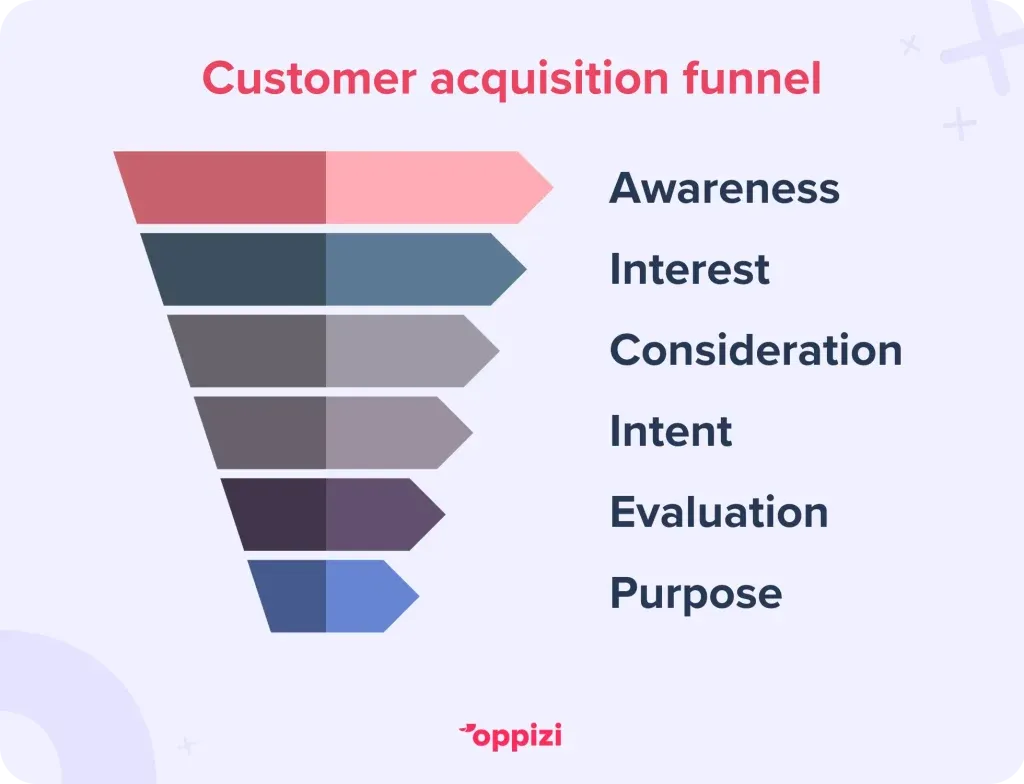
A customer acquisition funnel is the path people take before they buy from you. It has six main stages:
- Awareness – Someone hears about your brand.
- Interest – They check out your content or products.
- Consideration – They compare your offer to competitors.
- Intent – They show signs they might buy (like adding an item to their cart).
- Evaluation – They make their final decision.
- Purchase – They buy.
Each step matters. If people drop off along the way, you lose potential sales. By improving every stage, you can get more customers and a better return on your marketing budget.
Customer acquisition funnel: Stages & how to improve them
Turning potential customers into buyers doesn’t happen by chance. It’s a process. A customer acquisition funnel guides people from first hearing about your brand to making a purchase. Here’s how to improve each stage.
1. Awareness: Get in front of more people
At this stage, you want as many people as possible to notice your brand.
Ways to reach them:
- SEO & content – Write blogs, make videos, and create infographics that show up in search results.
- Social media ads – Run targeted ads on Facebook, Instagram, and LinkedIn.
- Influencer & affiliate marketing – Work with people who already have an audience.
- Offline marketing – Use flyers, direct mail, or street teams to reach people locally. Oppizi’s flyer distribution works well for this.
2. Interest: Keep them engaged
Now that they know you exist, give them a reason to stick around.
Ways to keep their interest:
- Lead magnets – Offer free e-books, webinars, or trials in exchange for their email.
- Email sequences – Send helpful content over time.
- Retargeting ads – Show ads to people who visited your site but didn’t take action.
3. Consideration: Prove you’re the best choice
At this stage, people are comparing you to competitors. Show them why you’re the better option.
Ways to stand out:
- Case studies & testimonials – Share real success stories.
- Comparison guides – Explain how your product is different.
- Personalized demos – Walk high-intent leads through your product.
4. Intent: Help them decide
They’re close to buying, but they might need a little push.
Ways to encourage action:
- Limited-time discounts – Create urgency with special offers.
- Abandoned cart emails – Remind them about items left in their cart.
- Live chat support – Answer last-minute questions in real time.
5. Evaluation: Ease any doubts
Some people hesitate before purchasing. Make them feel confident.
Ways to build trust:
- Money-back guarantees – Remove risk.
- Competitor comparisons – Show why your product is the best choice.
- Trust signals – Use SSL badges, customer reviews, and security seals.
6. Purchase: Make buying easy
A smooth checkout process leads to more sales.
Ways to simplify buying:
- One-click checkout – Reduce the steps needed to pay.
- Multiple payment options – Accept PayPal, Apple Pay, and credit cards.
- Post-purchase follow-up – Send a thank-you email and ask for feedback.
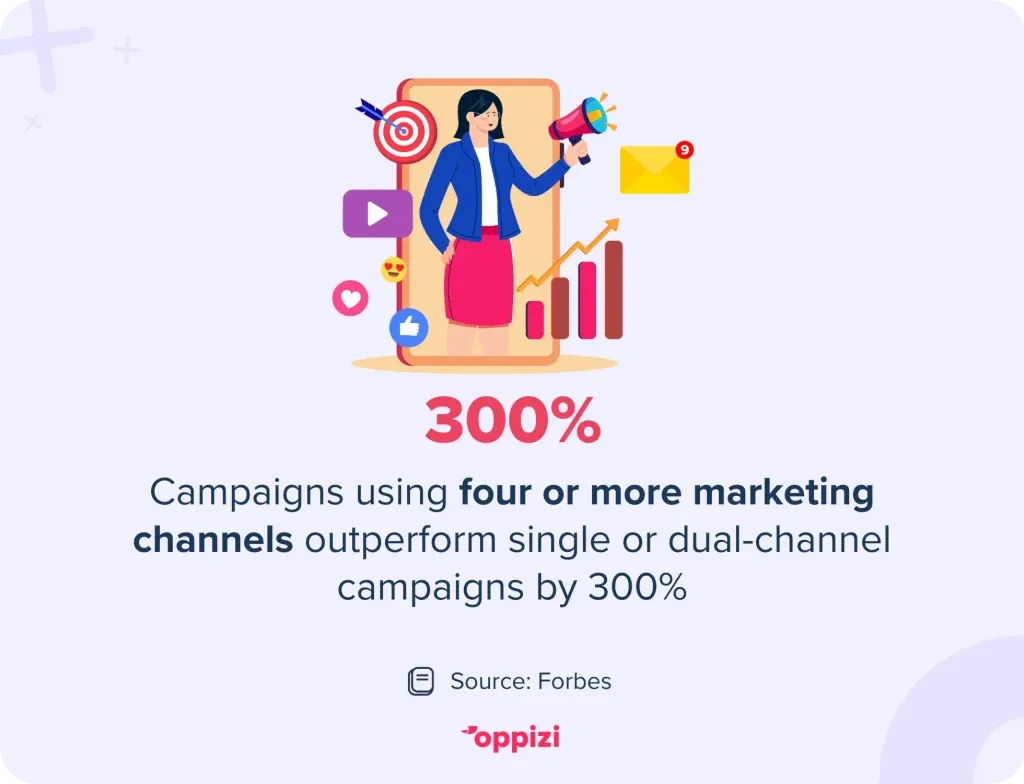
For the best results, use multiple marketing channels instead of just one. Research shows that campaigns using four or more channels outperform single or dual-channel campaigns by 300%. This approach helps you reach more people and boosts your overall impact.
How to improve customer acquisition with data
Getting more customers isn’t just about marketing. It’s about using data to see what’s working and what’s not. Here’s how to make smarter decisions and improve results.
1. Track what’s happening
Use tools like Google Analytics, Hotjar, and your CRM to see where people drop off. Pay attention to conversion rates, bounce rates, and time spent on your site. If people leave too soon, something needs fixing.
2. Make it personal
Not all customers are the same. Treat them differently.
- Show first-time visitors different content than returning ones.
- Use personalized emails and ads to keep them interested.
3. Automate where you can
Save time and reach people at the right moment.
- Set up automated emails (like welcome messages and cart reminders).
- Use lead scoring to focus on the most promising prospects.
4. Test, test, test
What works today might not work tomorrow. Keep testing.
- Try different headlines, images, and offers.
- See which versions bring the most sign-ups or sales.
5. Keep customers coming back
Getting a new customer is great. Keeping them is even better.
- Use loyalty programs and follow-up emails to encourage repeat purchases.
- Suggest related products to increase sales.
Key metrics to watch
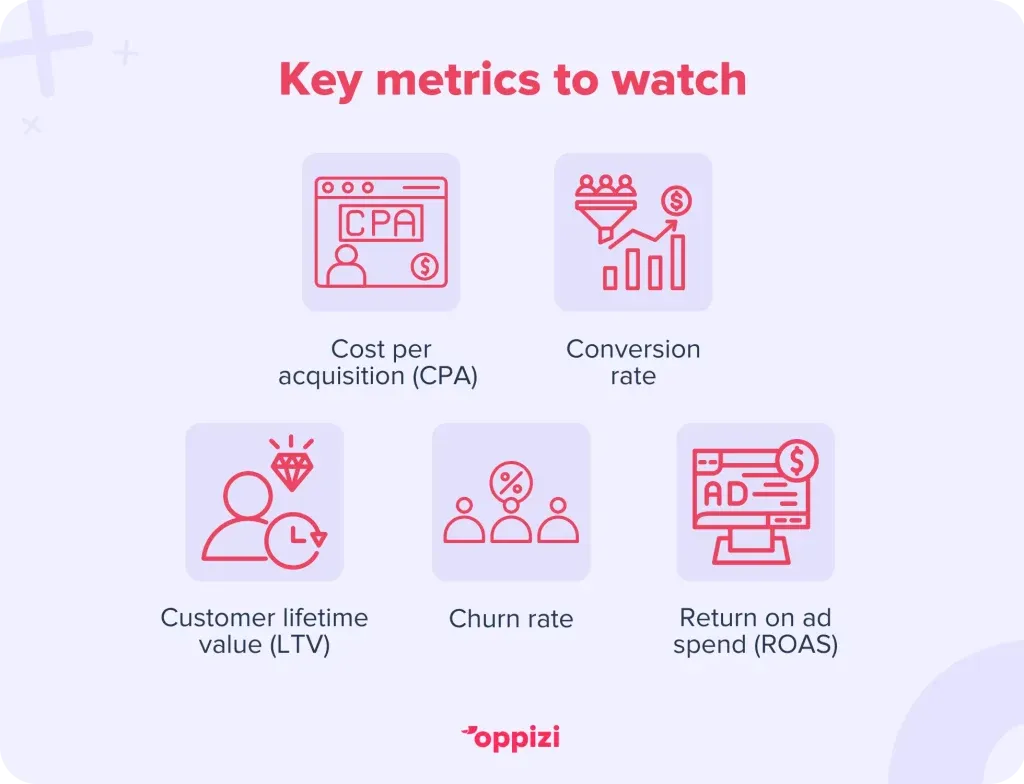
Cost per acquisition (CPA) – How much you spend to get a customer. Lower is better.
Conversion rate – The percentage of visitors who take action (like signing up or buying).
Customer lifetime value (LTV) – The total revenue a customer brings over time. A higher LTV means you can spend more on getting new customers.
Churn rate – The percentage of customers who stop using your product. Lower churn means better retention.
Return on ad spend (ROAS) – How much money you make from ads compared to what you spend.
Common customer acquisition funnel mistakes (and how to fix them)
A lot of businesses lose customers without realizing it. Here are some common mistakes and how to fix them.
Your site isn’t mobile-friendly
The problem: More than half of web traffic comes from mobile, but many sites don’t work well on phones.The fix: Make sure your site loads fast, adjusts to different screens, and has buttons that are easy to tap.
You’re not following up with leads
The problem: Most people aren’t ready to buy the first time they visit.The fix: Send helpful emails over time to keep them interested.
Checkout takes too long
The problem: The more steps people have to take, the more likely they are to leave.The fix: Keep it simple. Offer guest checkout and auto-fill options.
You don’t remind lost visitors to come back
The problem: Almost no one buys on their first visit.The fix: Use retargeting ads on Facebook and Google to bring them back.
How offline marketing boosts your digital funnel
Most businesses focus on digital marketing, but offline tactics can give you an edge. Done right, they work hand in hand with online efforts to bring in more customers. Here’s how:
Reach the right people in the right place
Flyers and direct mail go straight to your ideal customers. Unlike digital ads that rely on location data (which isn’t always accurate), offline marketing puts your message directly in their hands.
Great for: Local businesses like restaurants, salons, gyms, real estate agents, and community services.
Smart tip: Use census data to target high-income areas or neighborhoods that match your ideal customer profile.
Make a lasting impression
People remember something they can hold.
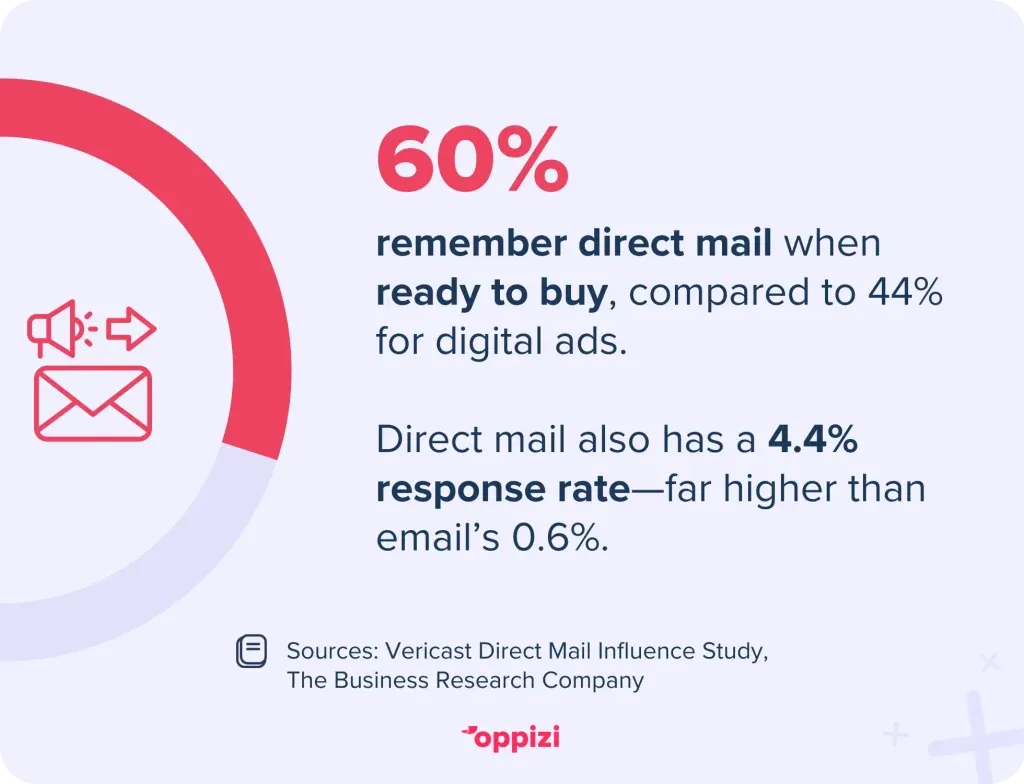
- 60% say direct mail is easy to remember when ready to make a purchase, compared with 44% for digital ads.
- Direct mail gets a response rate of 5 to 9 percent on house lists, way higher than an email click rate of 2.3%.
- Studies show print materials trigger stronger emotional responses than digital ads.
Connect offline and online for better results
The best marketing funnels combine both.
- QR codes: Turn a flyer into a digital lead generator.
- Promo codes: Track which areas bring the most sales.
- Follow-up sequences: Automate emails or texts after someone gets a flyer.
Future trends changing How businesses get customers
Customer acquisition is evolving fast. Businesses that keep up will have the advantage. Here’s what’s coming next:
AI that makes marketing smarter
AI isn’t just for chatbots anymore. It’s changing how businesses attract and convert customers.
- 24/7 chatbots talk to leads and answer questions in real time.
- Smart pricing adjusts based on demand, browsing history, and stock levels.
- Predictive lead scoring spots high-value customers before they even engage.
Example: An online store could show different homepage banners depending on whether a visitor arrived from a flyer’s QR code or a Google search.
Voice search is the next big thing
More people are searching with voice assistants like Siri and Alexa. In 2025, voice searches will only become more popular.
- Use natural, question-based keywords (“Where’s the best vegan pizza near me?”).
- Make sure your Google Business Profile is complete—voice searches pull from these.
- Create FAQ-style content that answers common spoken questions.
Interactive content is taking over
People are tired of static ads. The future belongs to marketing that gets them involved.
- Augmented reality try-ons let customers see how products look before buying.
- Quizzes (“What’s your perfect skincare routine?”) collect leads while engaging users.
- Shoppable videos let viewers buy products with a tap.
How psychology shapes buying decisions
People don’t just buy products—they respond to emotions and mental shortcuts. Understanding how the brain works can help you turn more visitors into customers. Here are some simple ways to use psychology in your marketing:
1. Scarcity: Make it feel urgent
People want things more when they think they’re running out.
How to use it:
- Show countdown timers for flash sales (“Only 3 hours left!”)
- Highlight low stock alerts (“Only 2 left in your size”)
- Offer exclusive deals for first-time buyers
Example: Booking.com’s “Only 1 room left at this price!” message increased bookings by 12%.
2. Social proof: Show people that others trust you
People follow the crowd. If others love your product, new customers are more likely to buy.
How to use it:
- Show real-time purchase notifications (“20 people bought this today”)
- Use customer reviews with photos to boost trust and credibility
- Partner with influencers (works especially well for Gen Z and Millennials
Pro tip: Place reviews and testimonials near “Buy” buttons for better results.
3. The decoy effect: Make one option look like the best deal
Adding a higher-priced option makes the mid-tier choice more appealing.
How to use it:
Guide customers toward your ideal choice by offering three strategic tiers: a basic option (core features), a highlighted ‘Best Deal’ mid-tier (premium features), and a top-tier package (all features). This structure makes the middle option feel like the smartest value—balanced and reasonably priced compared to the extremes.
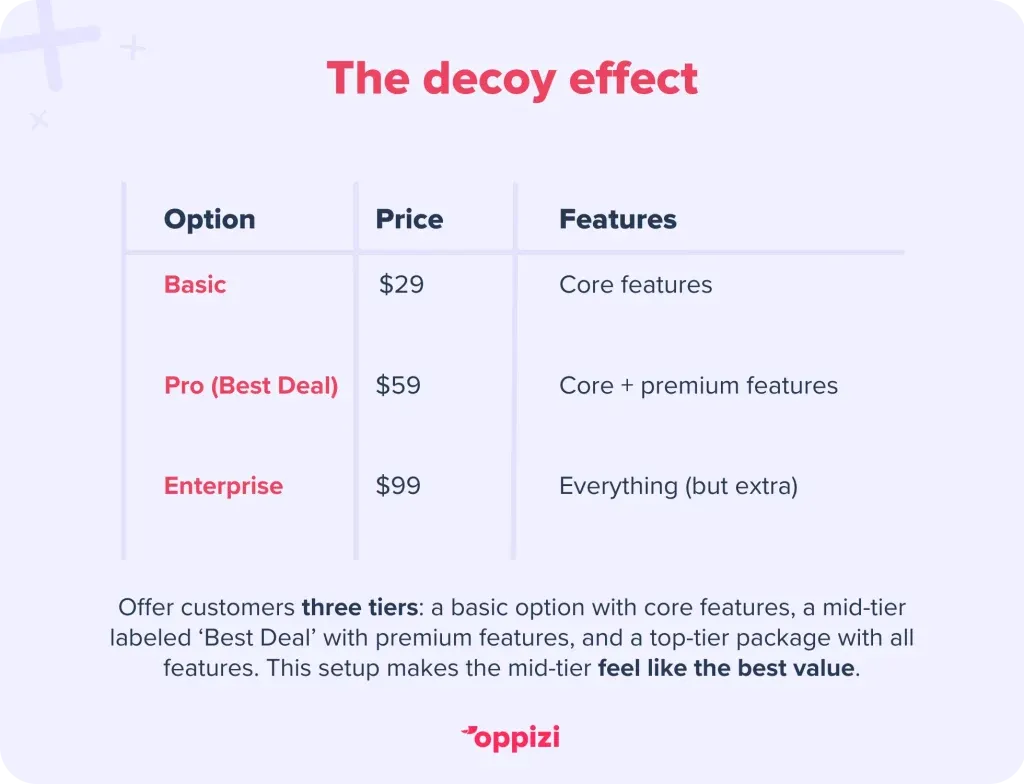
Result: Most customers pick the Pro plan because it seems like the best value.
4. Loss aversion: People hate missing out
Losing money or benefits feels worse than gaining them.
How to use it:
- Instead of “Save $50,” say “Don’t lose $50”
- Free trials: “You’re missing out on [benefits]” instead of “Get [benefits]”
- Credit card offers: “Don’t let your rewards expire”
5. The halo effect: First impressions stick
A great first experience makes people trust your brand more.
How to use it:
- Make packaging feel premium—even for digital products
- Add small surprise gifts to first orders
- Ensure smooth onboarding so customers feel confident from the start
Example: Apple’s sleek packaging makes their products feel even more high-end.
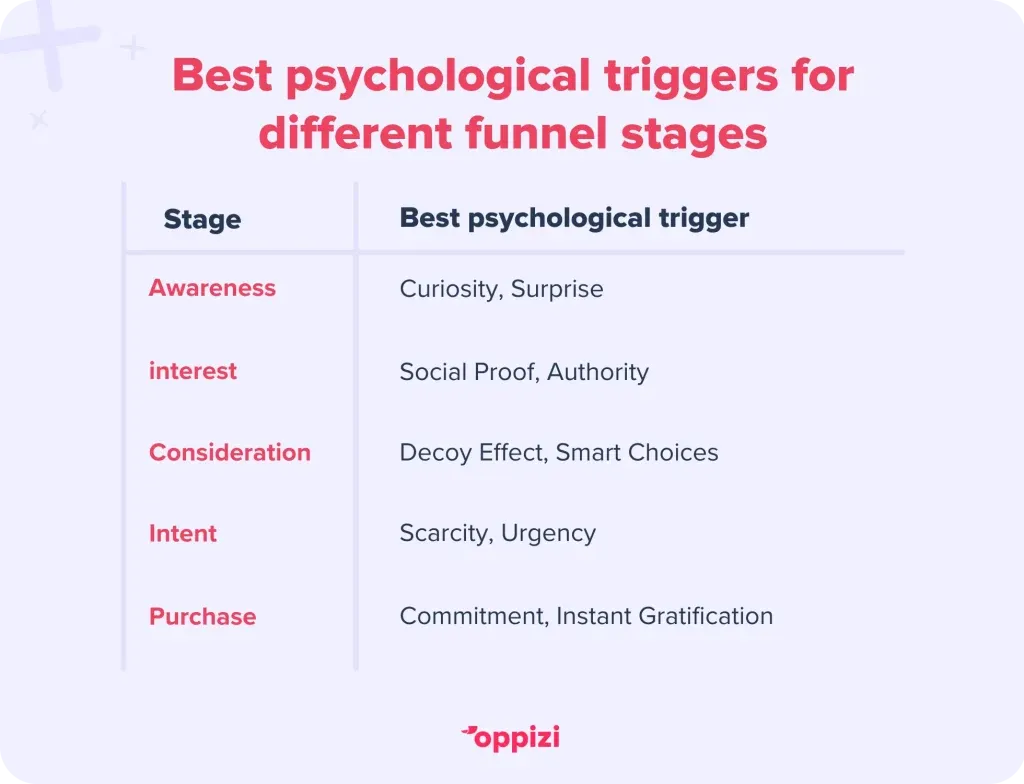
Understanding these triggers can make your marketing more powerful. Try them and see how they improve your results!
FAQ: Customer acquisition funnel
1. What is customer acquisition?
It’s how you attract and convert new customers. This includes marketing, advertising, and sales strategies that guide people from discovering your business to making a purchase.
2. What’s an example of customer acquisition?
A software company might run Facebook ads to attract leads, offer a free trial, and send follow-up emails to turn them into paying customers. A local café might hand out flyers with a discount code to bring in first-time visitors.
3. What are the four stages of customer acquisition?
- Awareness – People hear about your business.
- Consideration – They check out your options.
- Conversion – They make a purchase.
- Retention – They keep coming back.
4. What are the three main parts of the customer acquisition cycle?
- Lead Generation – Getting people interested through ads, SEO, and content.
- Lead Nurturing – Building trust with emails, retargeting, and offers.
- Conversion & Retention – Turning leads into buyers and keeping them engaged.
5. What are the five phases of acquisition?
- Reach – Get in front of the right audience.
- Engagement – Get them to interact (likes, clicks, sign-ups).
- Conversion – Turn them into paying customers.
- Retention – Keep them coming back.
- Referral – Encourage happy customers to spread the word.
Making your acquisition funnel work for you
Customer acquisition isn’t set-and-forget. It’s a game of constant refinement—eliminating friction, testing what works, and turning more prospects into buyers.
At Oppizi, we put your brand in the right hands with targeted offline marketing. Flyers, direct mail—real-world strategies that amplify your digital efforts and drive results. More conversions, less guesswork. Let’s get to work.