Last updated July 28, 2026
Every day, consumers are hit with waves of ads and marketing messages, making it easy for our marketing efforts to get lost in the noise.
One powerful way of cutting through the noise and engaging with your audience is through gamification. By incorporating game mechanics into marketing strategies, businesses can not only increase interaction but also build deeper emotional connections with consumers.
In this guide, we'll explore what gamification in marketing is and the different types of gamification you can use. Plus, you'll learn practical tips on how to get started with gamification marketing.
What is gamification in marketing?
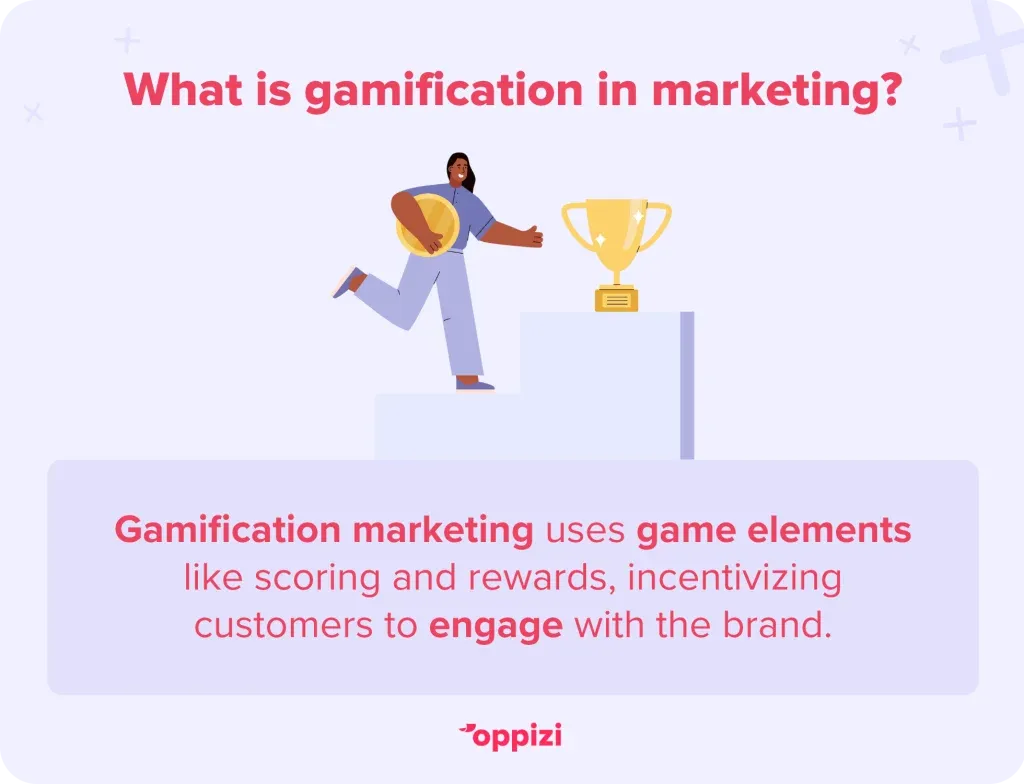
Gamification marketing refers to the application of game-design elements such as point scoring, competitions, challenges, and rewards into non-game contexts, in this case, marketing campaigns. This fun approach is designed to enhance user engagement, influence consumer behavior, and encourage participation in brand activities.
The psychology behind gamification taps into our innate human desires for achievement, competition, and reward. By providing rewards for completing tasks or engaging with content, customers are incentivized to return, share content, and ultimately, convert.
Why use gamification in marketing?
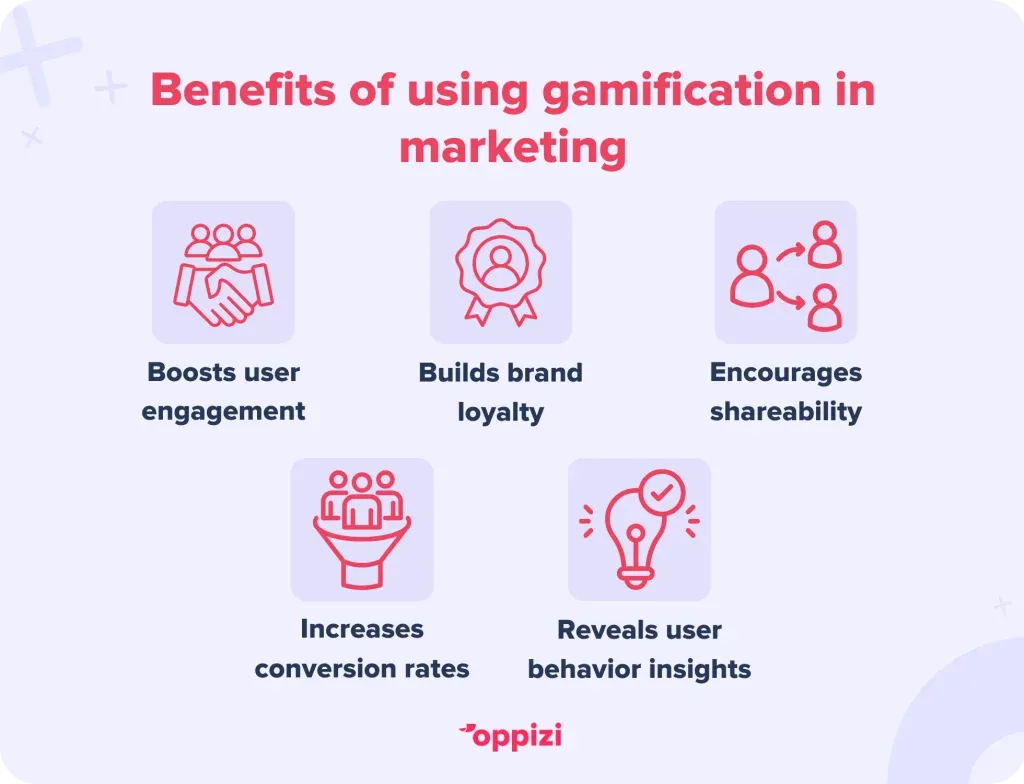
Gamification is more than just a trend; it’s a proven strategy that is backed by data. Below you can find some of the benefits of using gamification in marketing:
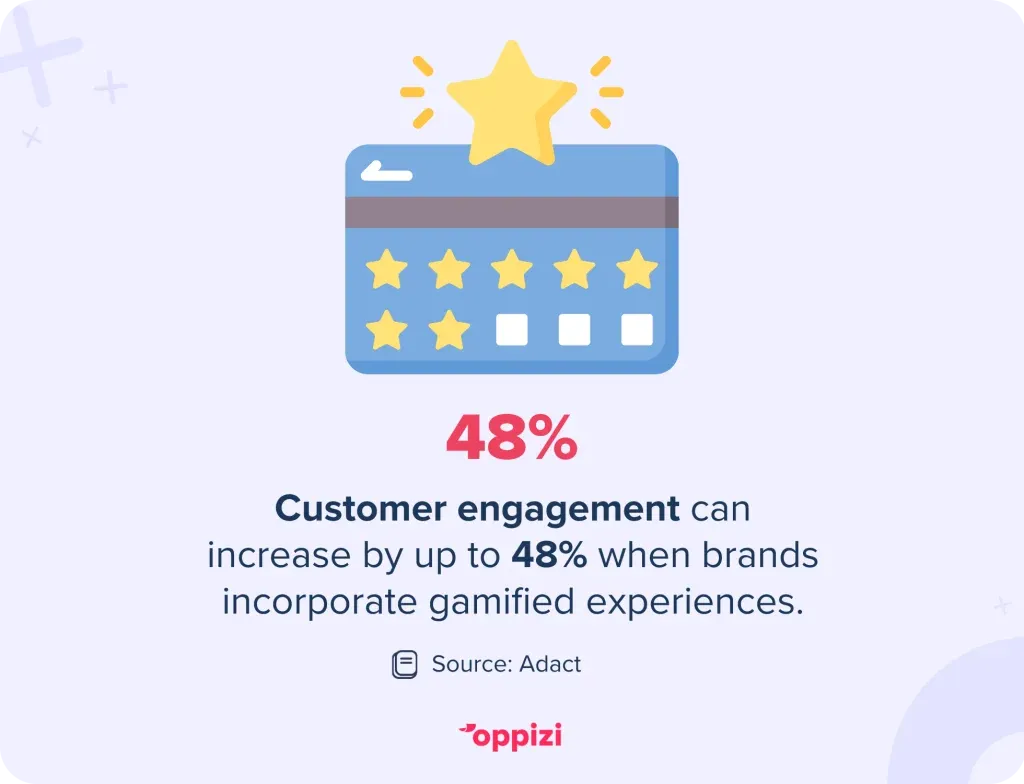
- Increased engagement: Game mechanics encourage users to interact more deeply and more often with your brand. Brands that incorporate gamified experiences report up to a 48% increase in customer engagement.
- Stronger brand loyalty:Reward systems and recognition foster long-term relationships with customers, with businesses stating that gamified loyalty programs have given them a 22% boost in customer retention.
- Viral potential: Games are social by nature. Gamified content often includes shareable elements, increasing word-of-mouth reach.
- Higher conversion rates: When users are motivated to act, they’re more likely to become paying customers. Incorporating gamification strategies can increase conversion rates by up to 50%, especially in e-commerce and B2C industries.
- Valuable insights: Tracking user behavior within gamified systems provides rich data for future campaigns.
Gamification can turn casual browsers into loyal players, and loyal players into your best brand advocates.
Types of gamification marketing
Gamification isn’t a one-size-fits-all strategy, and there are numerous ways you can incorporate gamification into your marketing. Here’s a breakdown of the most effective gamified tactics:
1. Point systems
One of the simplest and most effective ways to use gamification is through a point system. Customers can earn points for taking specific actions, such as making a purchase or signing up for a newsletter.
These points can then be redeemed for rewards like discounts or exclusive offers. Point systems are a great way to motivate customers to continue engaging with a brand, as they will want to earn more points and unlock more rewards.
2. Leaderboards
Leaderboards create a sense of competition by ranking customers based on their activities. You can create a leaderboard for points earned, purchases made, or referrals given.
This tactic encourages competition and engagement. Displaying top performers on a leaderboard can motivate others to be more active and get their names on the list.
3. Achievement badges
Achievement badges reward customers for reaching specific milestones or completing tasks. For example, you could offer a badge when a customer completes their first purchase, writes a review, or shares your content on social media.
Badges serve as instant recognition. They encourage customers to continue engaging with your brand to earn more badges. When Verizon Wireless added badges to its website, browsing time increased by 30% among half of its users.
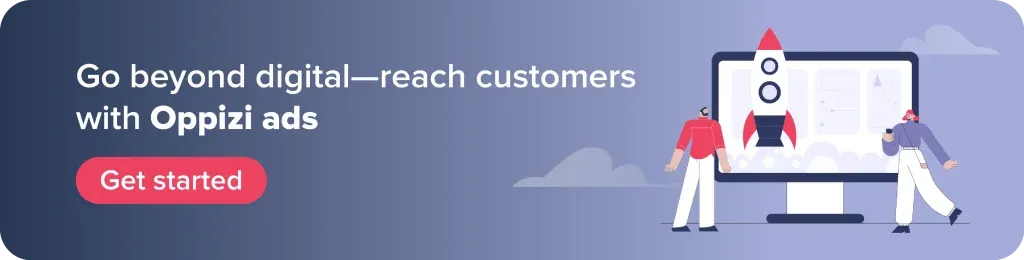
4. Interactive quizzes
Quizzes aren’t just fun - they’re educational, too. You can create quizzes related to your products or industry. Completing quizzes can earn customers points, badges, or other rewards.
Interactive content grabs attention. Recent marketing research found that 81% of marketers believe that interactive content is better at capturing attention than static content. This type of gamification marketing educates customers about company products and services while also increasing engagement.
5. Branded games
Branded games can highlight your products in a fun and interactive way. For example, an outdoor gear company could create an adventure game. Players could embark on virtual hikes using the company's equipment. This could be a standalone game or a playable advertisement.
Games aren’t easy or cheap to build, but they are engaging and offer incredible results. A survey found that marketers consider playable ads the most effective type of in-app advertising.
Before investing in paid ads, consult our online paid advertising guide to identify the most effective platforms and strategies for optimizing your return on investment.
6. Challenges and contests
Use the competitive spirit to get people talking by offering prizes for participating in things like photo contests or fitness challenges. These types of contests drive engagement with your brand and create a buzz.
7. Loyalty programs
Loyalty programs are designed to reward customers for continued interactions with a brand. These programs often use a combination of point systems, badges, and rewards to incentivize engagement. Rewards are scaled to match the customer's level of engagement; new members may receive basic rewards, while long-term, high-spending customers are eligible for more exclusive perks.
Real-world examples of gamification in action
Several major brands have successfully integrated gamification into their marketing strategies:
- Nike Run Club: Nike uses gamified elements in its app to motivate users through community challenges, badges, and social sharing. This has helped build a global community of runners who engage with the brand daily.
- McDonald’s Monopoly Game: The McDonald's Monopoly game is a classic example of gamification in marketing. Customers receive game pieces as stickers when they buy food during the promotional period. Some pieces give customers instant prizes, while others are properties from the Monopoly game board. Customers who collect a whole set of properties win bigger prizes. As a result, customers are encouraged to buy more food so they can collect all the pieces.
- Duolingo: Duolingo is another standout example of gamification in learning. Users are encouraged to maintain streaks, earn badges, and compete with friends, all of which increase daily engagement and long-term loyalty.
These examples demonstrate that gamification can be tailored to fit various business models, enhancing both online and offline customer experiences.
Designing an effective gamified marketing strategy
Implementing gamification requires more than simply adding a leaderboard or a point system. It must be strategically aligned with business goals and user motivations. Here are some best practices:
Define clear objectives
What do you hope to achieve with gamification marketing? Whether it's increasing website traffic, boosting social media shares, or growing your email list, clear and SMART goals are essential.
Know your audience
Understand what motivates your target audience. Younger audiences may be more responsive to challenges and social sharing, while older demographics might value rewards and loyalty points.
Keep it intuitive
Game mechanics should enhance the user experience, not complicate it. Test your gamification strategies to ensure they’re clear to understand and simple to use.
Offer meaningful incentives
The rewards must be valuable to your target audience. They could be discounts, access to exclusive content, physical rewards, or social recognition.
Monitor, test, and optimize
Continuously optimize your gamification strategy to ensure sustained engagement and effectiveness by analyzing user behavior and performance data.
Offline gamification: Bridging digital and physical worlds
Gamification isn't just limited to digital - it can thrive in the real world, too.
Think treasure hunts through city streets, punch cards that unlock perks, or QR codes on flyers that lead to instant wins.
Oppizi specializes in offline marketing solutions like flyers, direct mail, and EDDM (Every Door Direct Mail). It helps businesses create memorable and measurable campaigns and can allow them to incorporate gamified elements into real-life interactions. Imagine flyers that kick off a scavenger hunt, or door hangers with scratch-to-win offers.
Not only are you putting a message directly in your customers’ hands, you’re creating a memorable moment of interaction that makes your brand resonate even deeper.
Frequently asked questions about gamification marketing
1. Can small businesses use gamification effectively?
Absolutely. Even simple gamification strategies like loyalty cards or social media challenges can significantly impact engagement for small businesses.
2. How do I measure the success of a gamified campaign?
Track key metrics such as engagement rate, conversion rate, time on site, social shares, and customer retention.
3. Is gamification just for online marketing?
No. Gamification can be applied offline too, especially in experiential marketing and local campaigns.
4. What industries benefit most from gamification?
Retail, fitness, education, entertainment, and hospitality are particularly well-suited to gamified strategies.
Conclusion
Gamification is more than just a fun activity for your customers - it's a strategic, data-backed method that engages consumers and differentiates your brand. Weaving game mechanics into your strategy can help you craft unforgettable experiences, foster stronger customer loyalty, and boost conversion rates.
Whether you're launching a new product, promoting an event, or simply trying to boost engagement, gamification should be in your marketing toolkit.
And if you’re ready to take your strategy offline, Oppizi can help. Our offline marketing solutions are built for interaction, and with gamification, they can go even further.
Ready to turn your next campaign into an experience your customers won't forget? Start your offline marketing journey with Oppizi today!