Last updated July 23, 2026
Marketing didn’t start online. It started in the real world, where brands grabbed attention on streets, in shops, and through printed pages. Flyers, posters, and newspapers did more than share messages. They built trust.
Then digital marketing changed everything, bringing speed, data, and measurability. Offline tactics seemed to fade, but they never disappeared. Today, offline marketing is back, smarter, and more precise.
Offline and online marketing no longer work in isolation. They now complement each other, creating a smarter and more connected strategy. The future isn’t about choosing between them, but about using both to cover each other’s gaps.
Here’s how offline marketing has evolved, and why it’s making a strong comeback in the digital age.
The origins of marketing
Marketing began long before screens and electricity. It started in places where people met face to face. Town squares, markets, and busy streets were the first advertising spots. Merchants used posters, pamphlets, and signs to catch attention and set themselves apart from others.
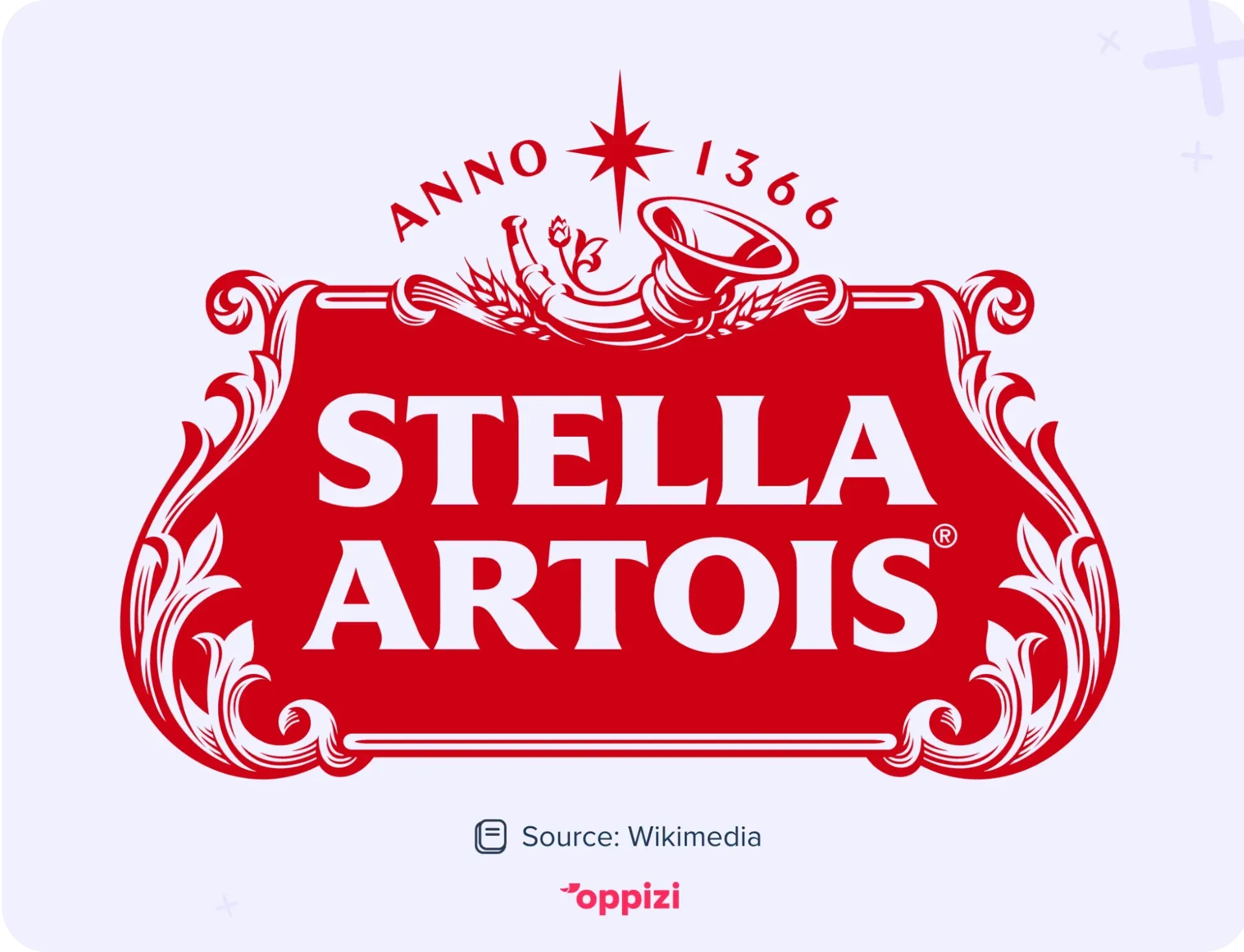
Using the term “marketing” for ancient times might seem strange, but it’s accurate. Stella Artois, for instance, has kept the same logo since 1366, when the brewery was founded in Leuven, near Brussels, making it the oldest logo in the world that’s still in use.
Printing press revolution
The invention of the printing press in the 15th century changed everything. For the first time, businesses could print materials quickly and reach more people. Over time, ads became a symbol of credibility. They built trust because people could hold, read, and share them.
Early brand storytelling
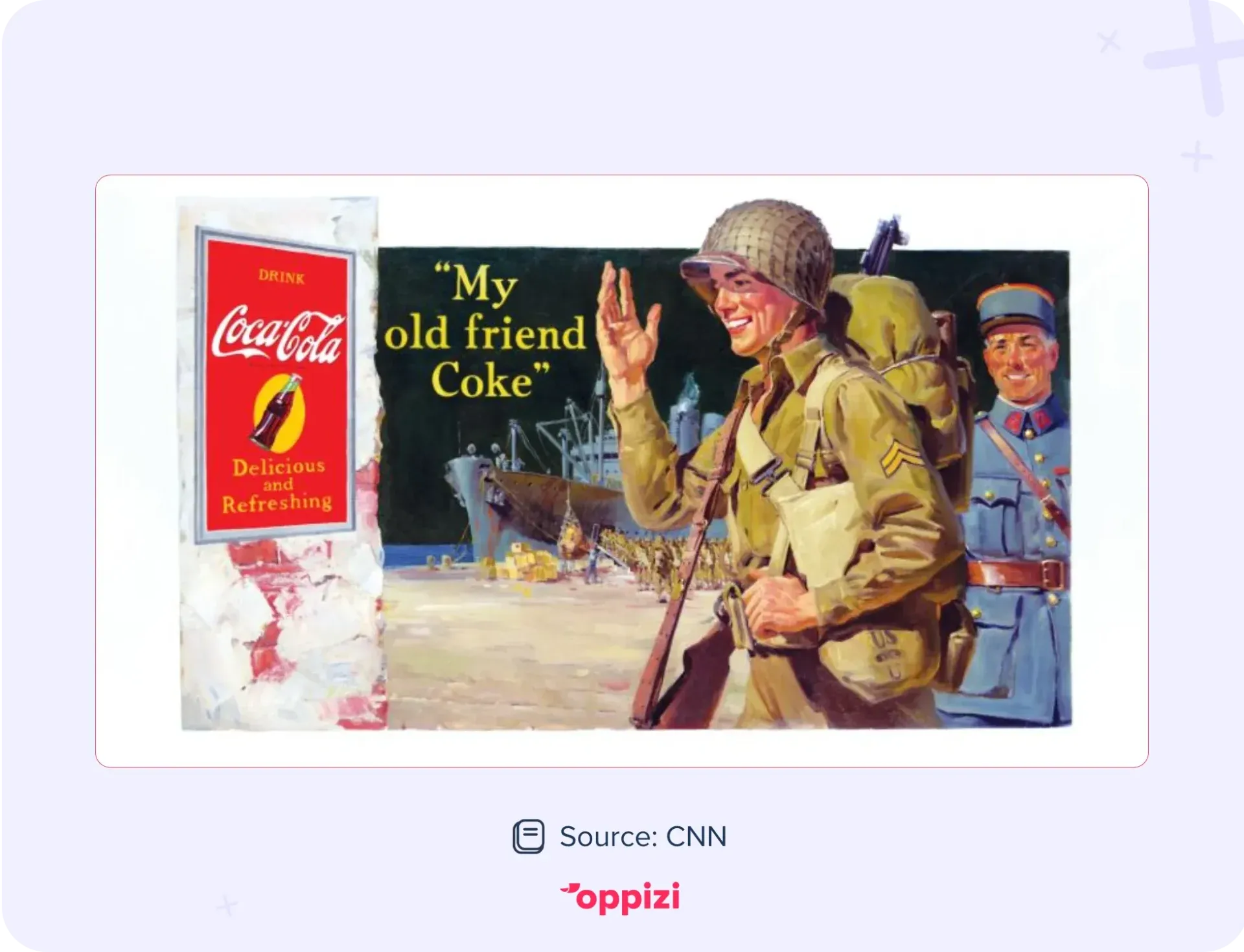
By the late 19th century, brands began experimenting with design and storytelling to stand out. Coca-Cola, for example, ran its first ads in 1886 in newspapers and on posters. The company’s early focus on consistent visual marketing and tone helped create one of the world’s most recognizable brands.
This consistency didn’t just build awareness; it supported business development and sales by making the product easy to recognise and trust. It showed how strong branding could drive customer interest and long-term growth.
Defining traits of early marketing
This era of marketing had a few defining traits: visibility, repetition, and emotion. Campaigns were broad, but they relied on creativity and intuition instead of data. Each flyer and poster aimed to influence behavior directly, laying the groundwork for everything that came next in marketing.
The broadcast boom: radio, television, and mass marketing
The golden age of offline marketing
The early 20th century was the golden age of offline marketing, when it reigned supreme. For the first time, brands could speak to the entire nation through radio and television. Local campaigns turned into nationwide stories that shaped culture and influence.
Radio gives brands a voice
Radio ads took the lead in the 1920s and 1930s. They gave brands a voice and a personality. Procter & Gamble, for example, created “soap operas”, daily radio shows that entertained listeners while promoting household products.
These programs helped audiences feel familiar with the brands they heard every day. Radio added a new dimension, bringing voice and personality that deepened trust and connection.
Television brings products to life
Then came television. In 1941, Bulova Watches aired one of the first TV commercials, spending just $9 to show their product before a baseball game. Suddenly, people could see and hear what brands wanted to say.
TV made advertising more emotional and memorable. It wasn’t just about the product anymore. It was about how it made you feel.
Billboards sell a lifestyle
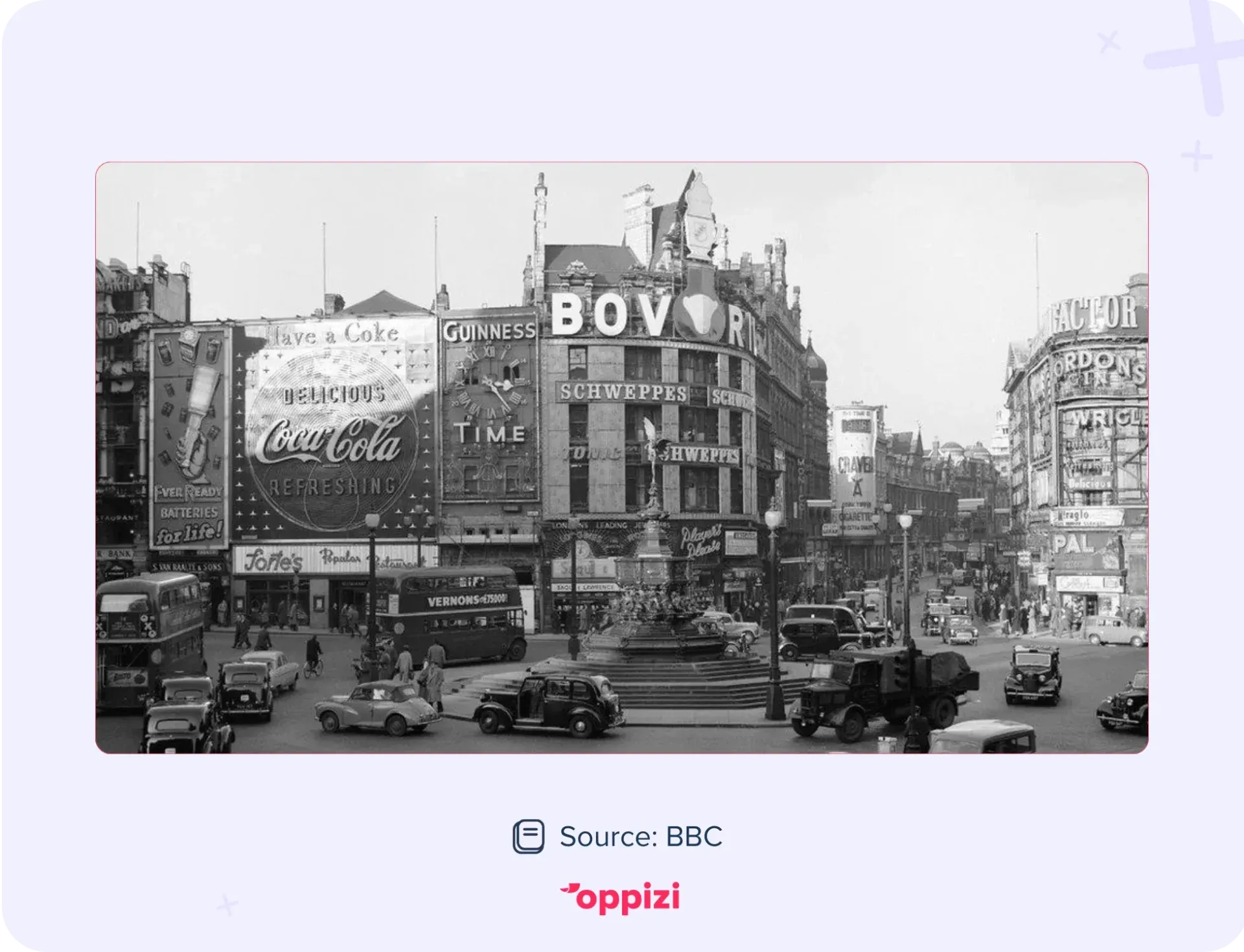
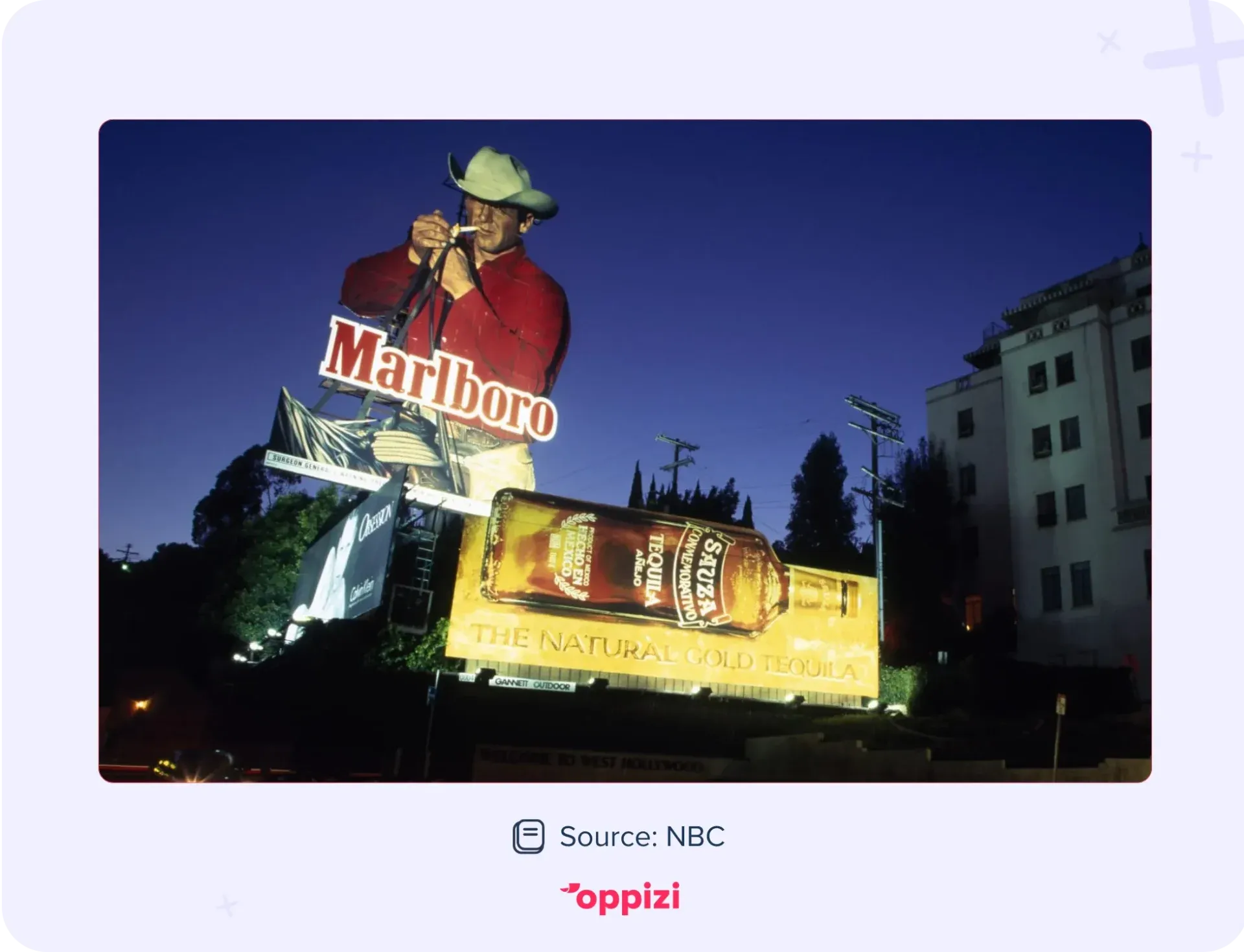
Billboards also grew during this time. Campaigns like the Marlboro Man didn’t just promote a product; they sold an image: freedom, confidence, and a rugged lifestyle. Drivers and pedestrians saw those billboards again and again, and the message stuck.
Limitations of the era
This era wasn’t perfect, though. Marketers could reach millions, but couldn’t measure exactly who was paying attention. They relied on estimates instead of data-driven decision-making. Still, this period proved that storytelling, repetition, and visibility were powerful forces.
Those same principles remain the backbone of marketing today, only now, technology helps us make them even stronger.
The rise of digital marketing
By the late 1990s, more people were using the internet, though not everyone had access yet. Email, search engines, and early websites began changing how people found news, entertainment, and information.
By the early 2000s, internet use had become the norm, and smartphones soon made it even more central to people’s everyday lives. Marketing that used to be physical and personal started moving online.
Offline campaigns now faced a new challenge: attention, budgets, and performance tracking were shifting to digital channels.
Precision and measurability
Digital tools gave marketers something new: precision. They could track clicks, impressions, and conversions as they happened. Search ads helped brands reach people already looking for products. Social platforms like Facebook and Instagram made it possible to target audiences by interests, behavior, or location.
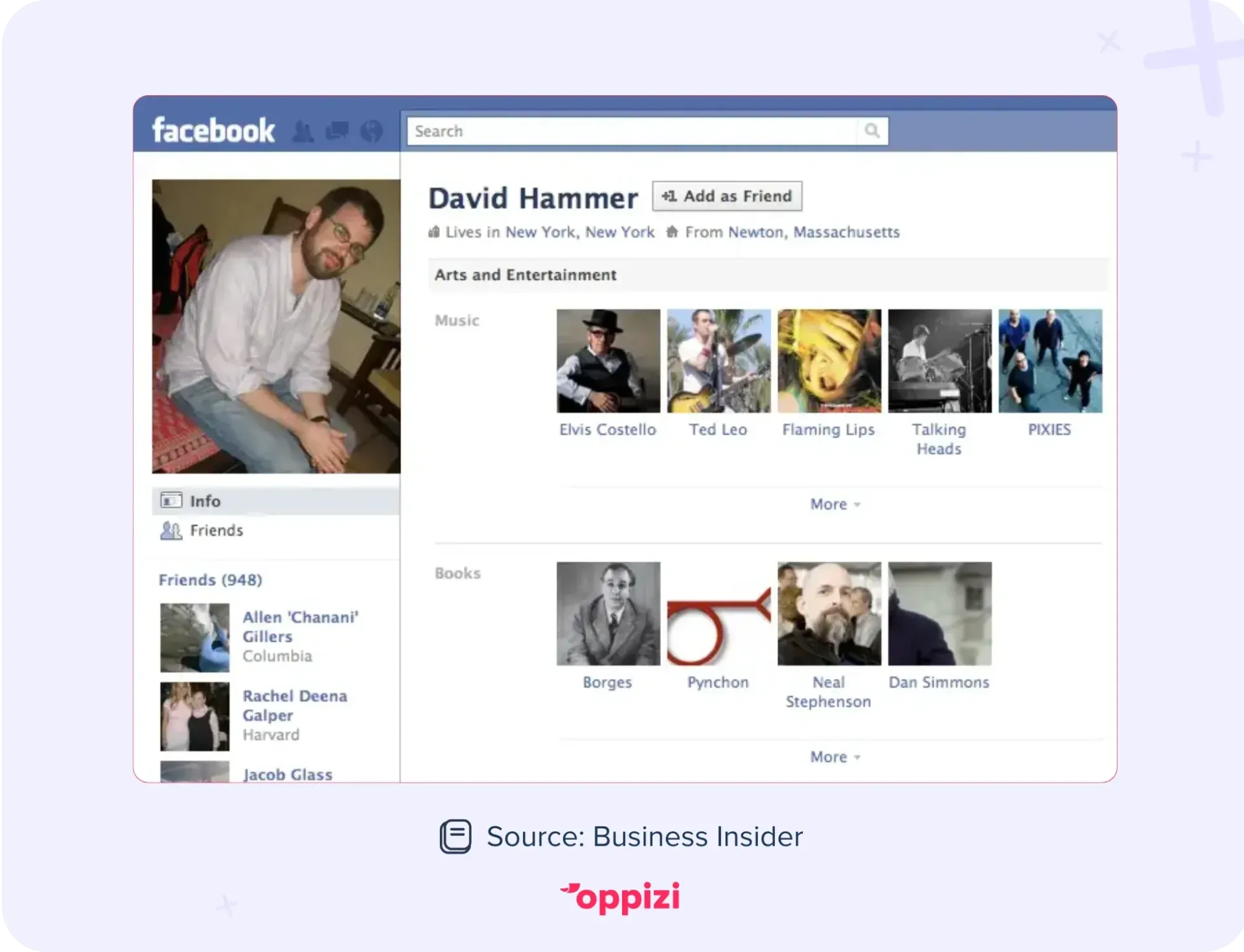
For the first time, marketing could be measured, automated, and scaled, adding capabilities that print, radio, and billboards had not yet reached.
The shift to digital-first
The shift happened fast. Google AdWords launched in 2000, and early Facebook ads delivered strong ROI. As digital results improved, many companies reduced spending on offline campaigns. A new belief took hold: if you couldn’t measure it instantly, it wasn’t worth doing.
But digital marketing came with trade-offs. The physical connection disappeared. A billboard or flyer could leave a stronger, longer-lasting impression than a quick online ad. The human touch, the emotional pull, and the sensory impact that made offline marketing powerful were suddenly gone.
Offline adapts and survives
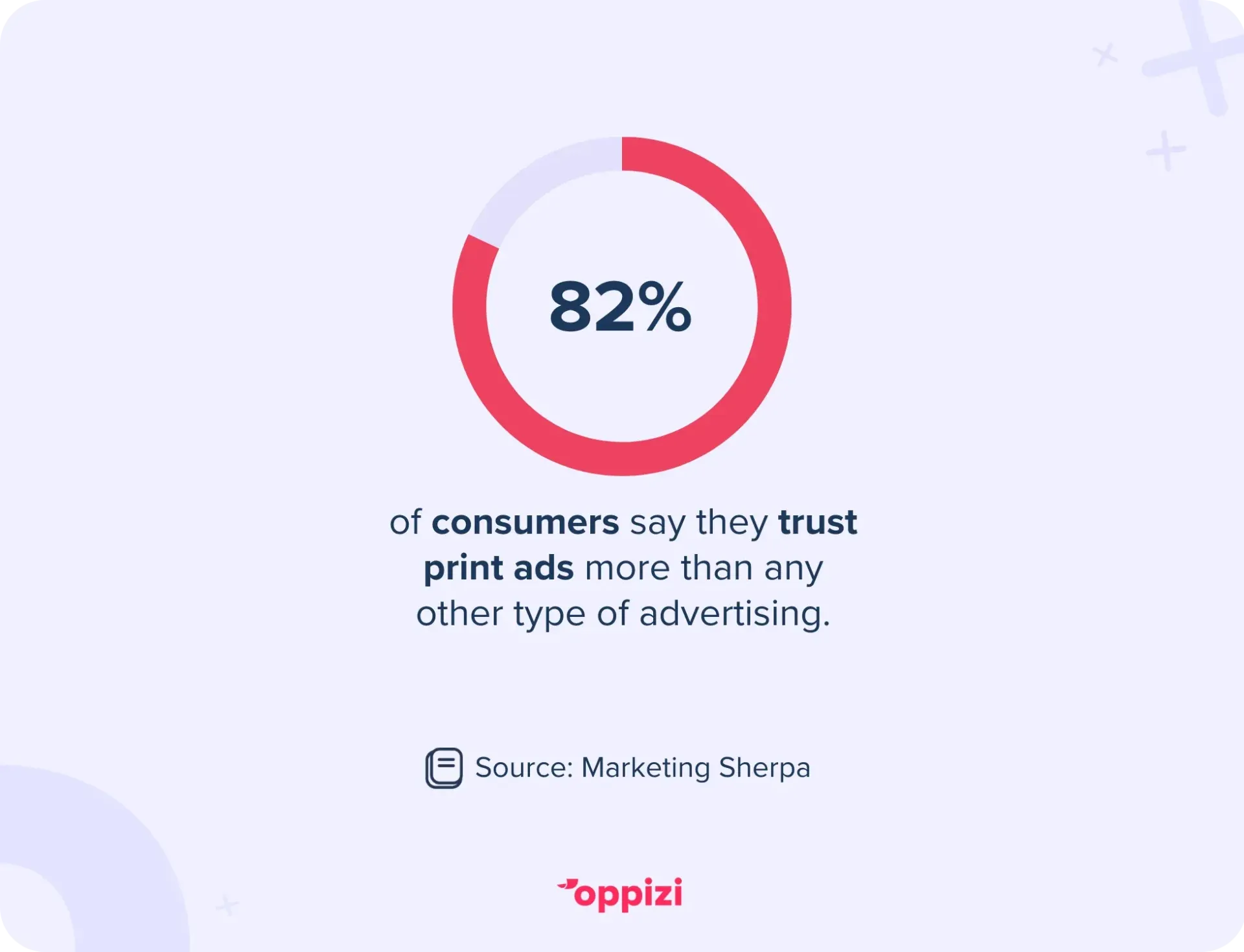
Yet, offline marketing didn’t die. It adapted. People still wanted tangible experiences. In fact, offline marketing statistics from studies show that 81% of Gen Z adults and 78% of Millennials often want breaks from digital devices. 71% of Baby Boomers say mail feels more personal than digital communication. And 82% of American consumers trust print ads more than any form of online advertising.
Now, technology has reconnected the physical and digital worlds. Offline campaigns can be automated, personalized, and tracked in real time. Marketers can finally have the best of both worlds: the emotion of offline experiences and the precision of digital data.
The data-driven renaissance: offline marketing gets smart
Offline marketing isn’t just posters, flyers, and billboards anymore. It’s become smarter, faster, and more precise. Today, brands use data and technology to bring new life to physical campaigns. This shift marks what many call the data-driven renaissance of offline marketing.
Automation is reshaping offline marketing. What used to take weeks can now happen in minutes. Platforms manage every step, from design to scheduling to delivery, so teams can focus on results, not logistics.
Direct mail automation plays a big role in this shift. It uses customer data to send personalized postcards or flyers at the right time, to the right audience, all with minimal effort.
A customer might get a postcard that reflects their interests, location, or recent behavior. It feels just as relevant as a digital ad but with a personal, physical touch.
Connecting offline and online
Technology now connects offline and online experiences. QR codes, NFC tags, and personalized URLs make it possible to track engagement in real time. A flyer can lead directly to a landing page where clicks, conversions, and ROI are measured.
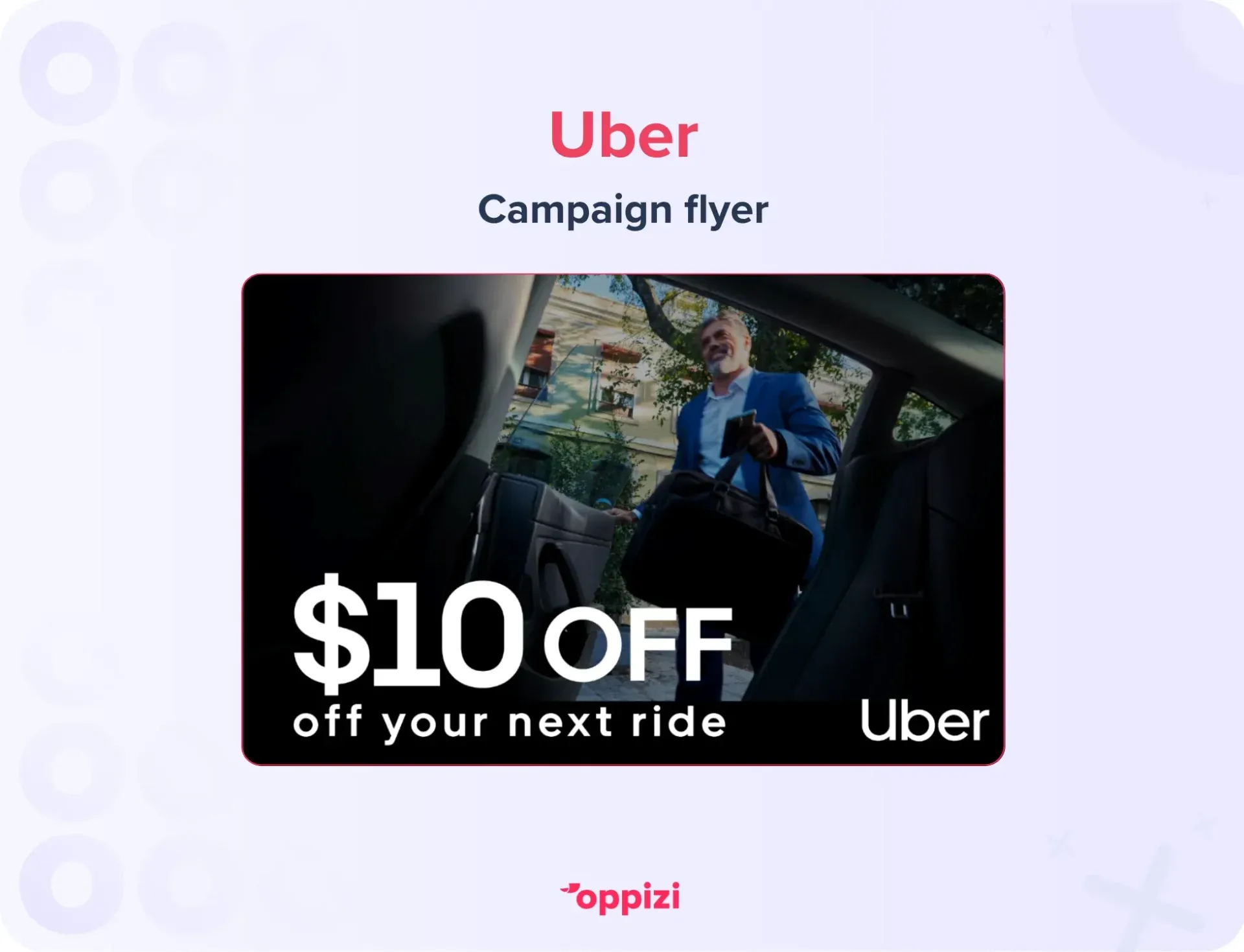
Uber didn’t become a global brand by focusing on digital marketing alone. It grew by combining data-driven tactics with real-world connection. When the ride-hailing giant partnered with Oppizi, the goal wasn’t just to hand out flyers, but to build local trust and awareness in markets where digital ads couldn’t reach as effectively.
In one six-week campaign, 529,000 QR-coded flyers were distributed across Australia. Each flyer was tracked in real time, allowing Uber to measure engagement and performance. The results spoke for themselves: 6,700 new riders joined in just six weeks.
More importantly, the campaign proved that offline marketing can be just as measurable and scalable as digital when supported by automation, analytics, and smart targeting. By connecting physical experiences with digital data, Uber turned flyering into a reliable growth channel.
Data-driven targeting
Data integration has changed the game even more. By connecting CRMs and marketing automation tools, marketers can use the same customer insights they rely on for digital campaigns.
Segmentation, predictive analytics, and audience scoring help reach the right person at the right moment with the right message. The result is marketing that’s personal, measurable, and efficient.
Creativity meets accountability
This new era also brings back creativity. Physical touchpoints, such as letters, postcards, and packages, give brands a way to connect emotionally. They feel real, trusted, and memorable. At the same time, every campaign can be tracked, analyzed, and optimized.
Offline marketing has gone from broad and manual to precise and data-driven, showing that tangible experiences are still a key part of modern marketing.
Platforms like Oppizi are leading this change. With automation, analytics, and seamless integration, we make it easy for marketers to plan, run, and measure powerful offline campaigns.
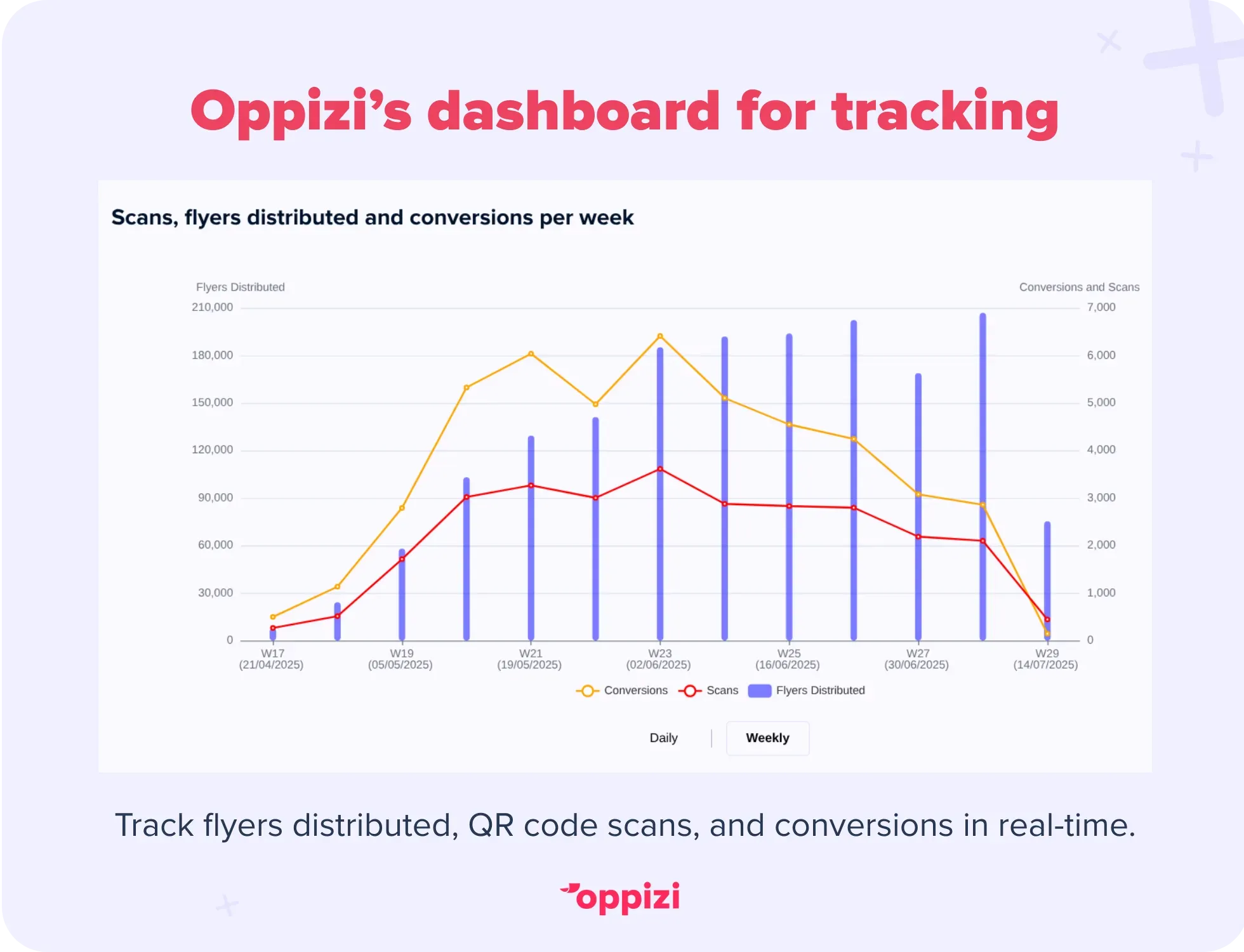
For marketing managers, CMOs, and growth teams, it means tapping into the full potential of offline marketing without losing efficiency or visibility.
Key moments in offline marketing’s evolution
- 1450 – Gutenberg’s printing press: Made mass production possible, helping brands reach large audiences through printed ads.
- 1867 – First large-format billboard: Turned city streets into powerful advertising spaces.
- 1922 – First paid radio commercial: Procter & Gamble used storytelling to connect with listeners and build brand loyalty.
- 1941 – First television commercial: Bulova Watches showed how TV could bring products to life through sight and sound.
- 1963 – Marlboro Man campaign: Sold a lifestyle, proving the power of storytelling.
- 1994 – First online banner ad: Marked the start of measurable, data-driven marketing.
- 2010s – QR codes and NFC: Linked print to digital, letting people engage with ads through their phones.

Automation, analytics, and the new offline marketing
Offline marketing isn’t just posters anymore. Now it’s smart and data-driven. Marketers can send personalized flyers, postcards, or mail to thousands with just a few clicks. CRM tools help reach the right people, while QR codes and promo links show exactly who engages. Machine learning even predicts what works best.

The real power comes when offline meets online. A flyer can send someone straight to a landing page, turning a physical touchpoint into measurable results. Brands like Just Eat, Chipotle, and Bolt use this to build trust, drive conversions, and manage campaigns from one place.
Conclusion: The future of offline marketing
Offline marketing has come a long way. It started with posters and print, expanded to radio, television, and billboards, and adapted as digital shifted attention and budgets online. Today, it has entered a data-driven era.
Automation, CRM integration, and analytics make campaigns measurable, personalized, and scalable. Physical touchpoints now link seamlessly with digital experiences, creating omnichannel strategies that engage, influence, and convert.
Offline campaigns have evolved to deliver the same data-driven results as digital. They are strategic, accountable, and high-impact. Oppizi makes it simple to plan, launch, and track campaigns, combining tangible experiences with technology for results that digital alone cannot match.
Grow your business where it matters most: In the real world. Our simple, user-friendly platform lets you launch, run, and track offline marketing campaigns from a single dashboard. See results the smart way, without the guesswork. Get started today.